Zanzibar: On the trail of turtles and glam rock gods
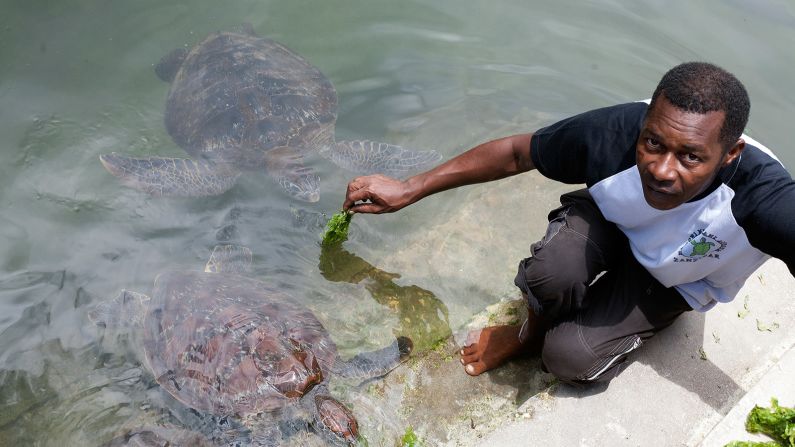
Rescuing turtles —
The team at Mnarani Marine Turtle Conservation Pond nurture newly hatched babies to adolescence and nurse rescued adults to good health.
Courtesy David Dunn
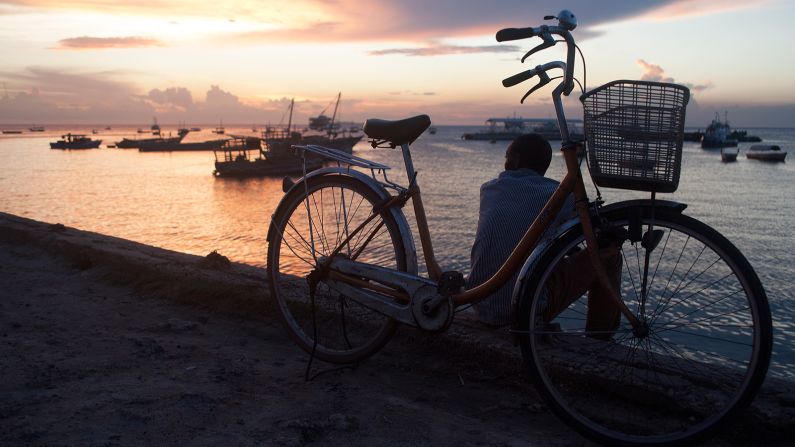
Stone Town —
The sun sets in old Stone Town, a UNESCO World Heritage Site. The ancient quarter of Zanzibar City reflects its past as a trading hub between Asia and Africa.
Courtesy David Dunn
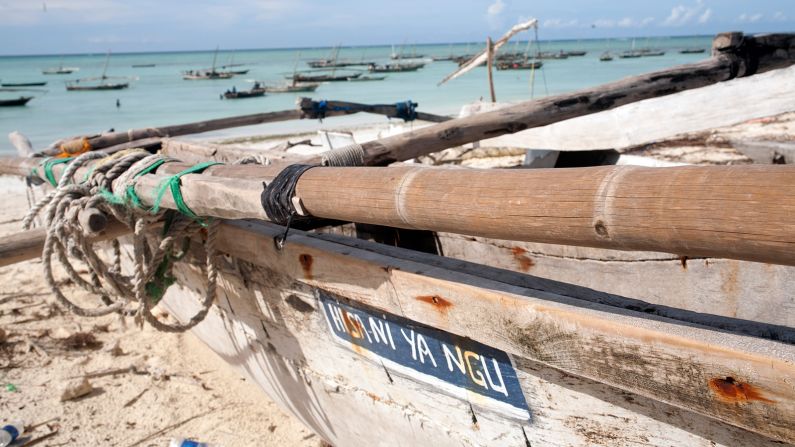
Zanzibar's economy —
Fish and spices are prime exports in Zanzibar, although tourism is an increasing revenue source.
Courtesy David Dunn
Village privacy —
In some areas of Zanzibar, privacy is valued and it's wise to ask before taking pictures of people.
Courtesy David Dunn
Omani influence —
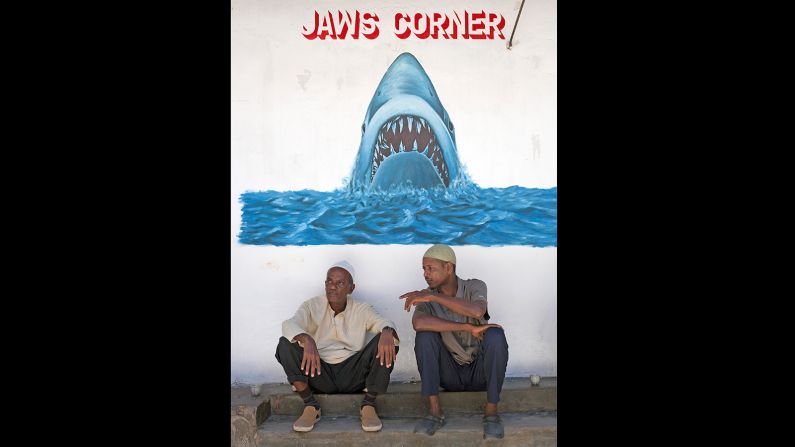
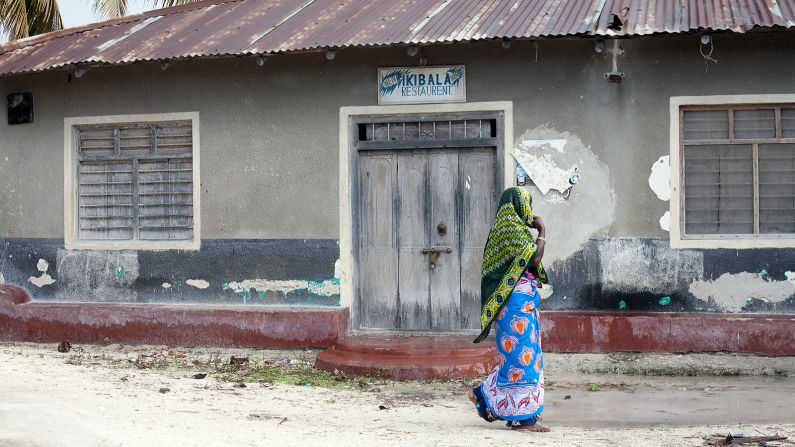
The attire of many of Stone Town's residents shows ancient links with Oman.
Courtesy David Dunn
Maasai markets —
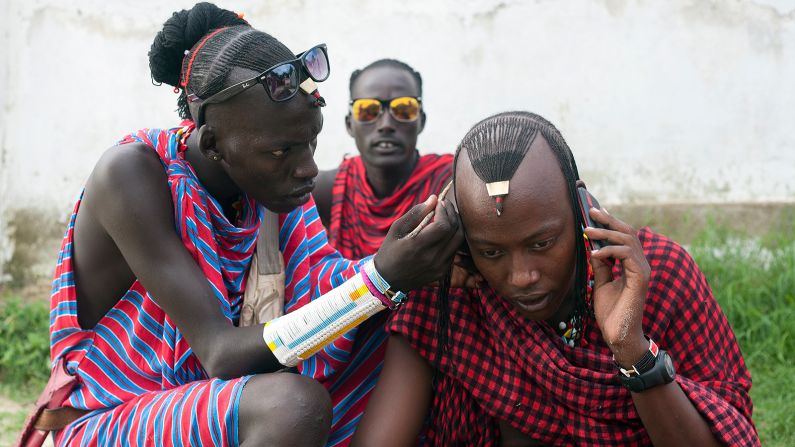
At the Maasai market, warriors and herdsmen sell ornate masks and carvings.
Courtesy David Dunn
Fish markets —
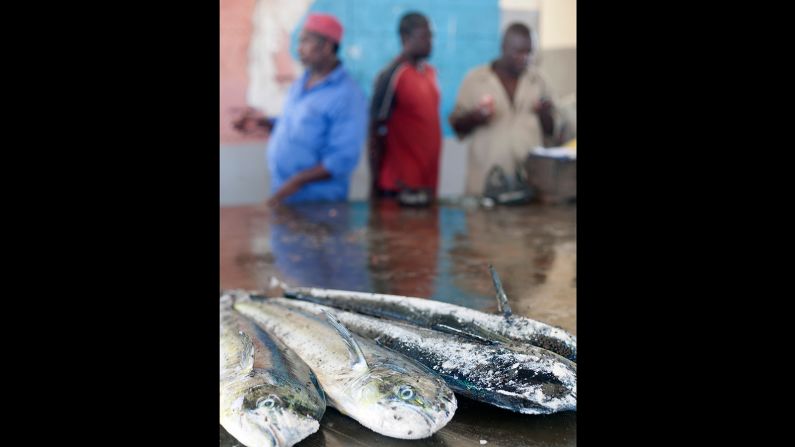
As tourism grows in Zanzibar, the demand for the catch of the day also grows at frenetic local markets.
Courtesy David Dunn
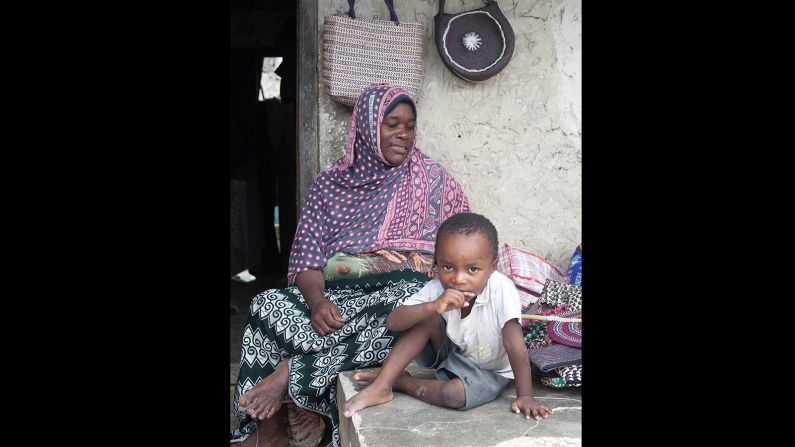
Artist livelihood —
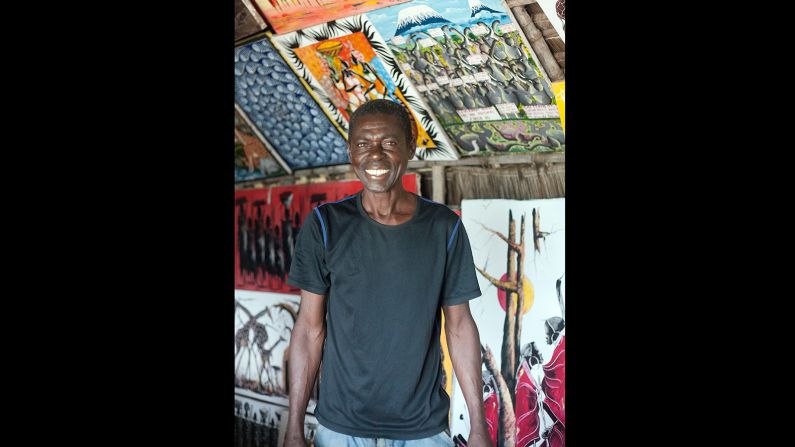
Among various professions, many people sell art for a living in Nungwi.
Courtesy David Dunn
Island struggle —
Hardship is still apparent in the Tanzanian islands. The average monthly wage is $100.
Courtesy David Dunn
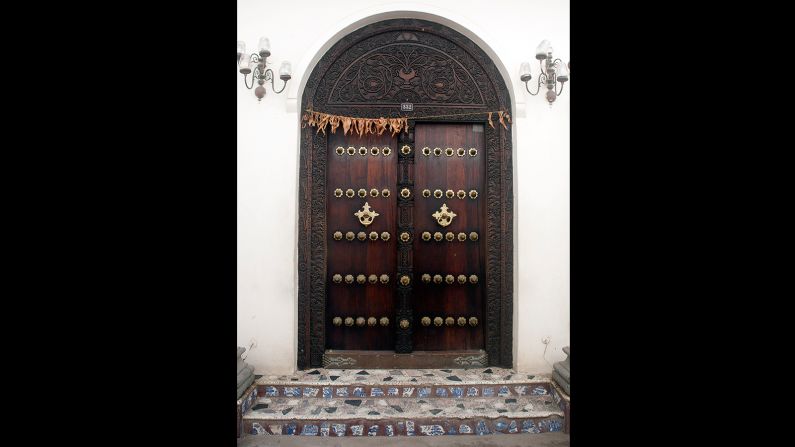
Wooden doors —
Many of the buildings in Stone Town are fronted by striking wooden doors. The doors enclose courtyards and boutique hotels laced with old-time charm.
Courtesy David Dunn
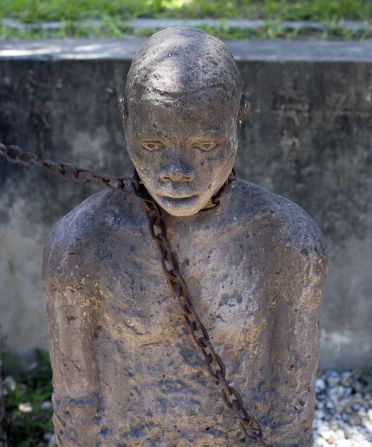
Slave market —
At the slave market, a memorial to those who suffered in crueler times depicts a person in shackles, cuffs and chains attached to a cellar floor.
Courtesy David Dunn
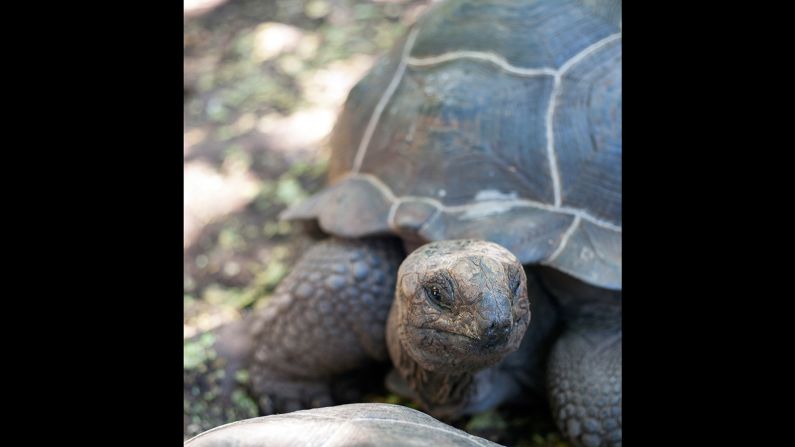
Turtle conservation —
One of the hardest jobs in Zanzibar's turtle conservation efforts has been discouraging fishermen from eating the creatures or selling the shells of Hawksbill turtles caught in error.
Courtesy David Dunn
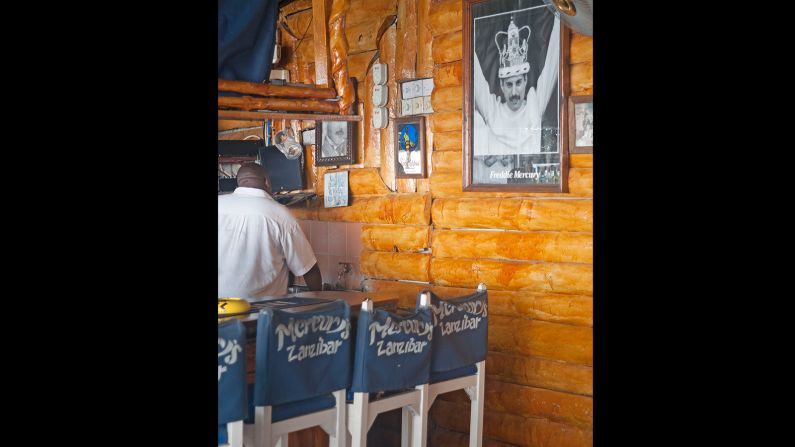
Mercury's Bar —
Mercury's Bar celebrates Stone Town's most famous son, Freddie Mercury. A photograph of the Zanzibar-born Queen star hangs on the wall of the bar.