Your effort and contribution in providing this feedback is much
appreciated.
Close
Ad Feedback
Zanzibar: Africa’s Spice Islands
Africa's Spice Islands —
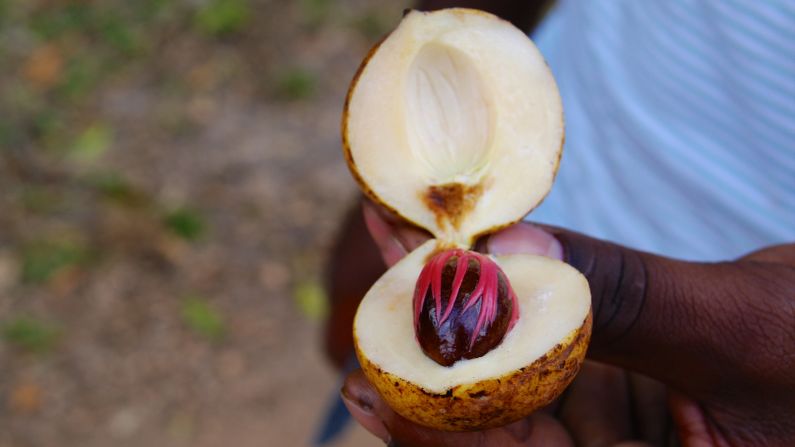
Zanzibar has a spice trade dating back to the 16th century, but today tourism is one of its main industries. Aben Rehan, from Mambo Poa Tours, cracks open a nutmeg seed.
Micah Spangler
Hakuna Matata Spice Farm —
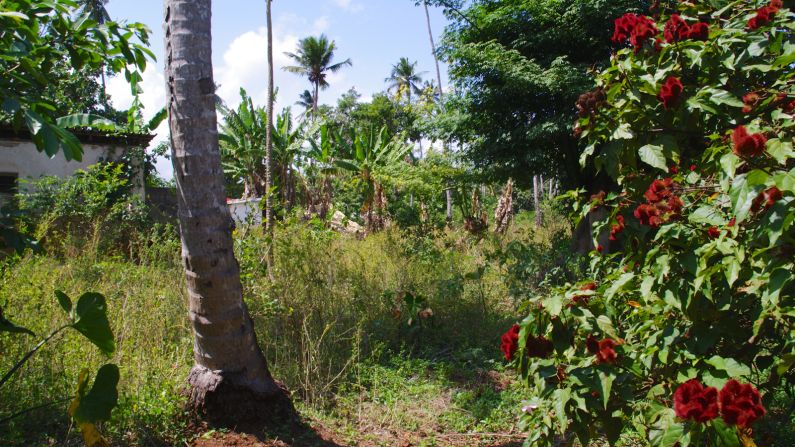
Hakuna Matata Spice Farm, named for the Swahili phrase meaning "no worries," made famous by Disney's "The Lion King," is in Dole village, northeast of Zanzibar City.
Micah Spangler
Cloves —
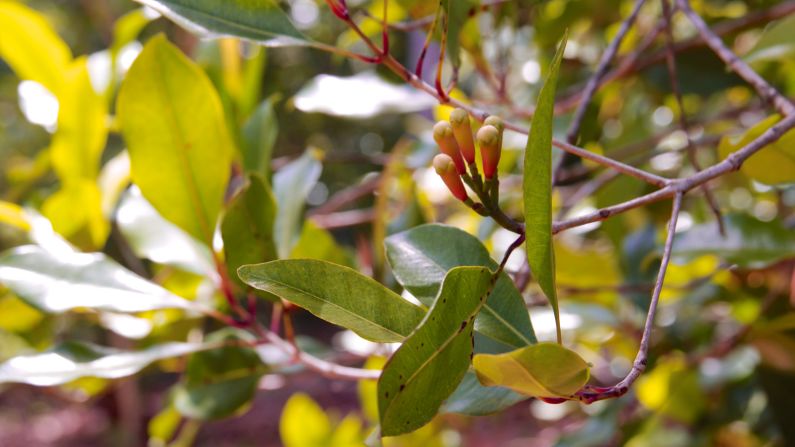
The spice that made Zanzibar famous: The Tanzanian archipelago was once the world's largest producer of cloves.
Micah Spangler
Achiote —
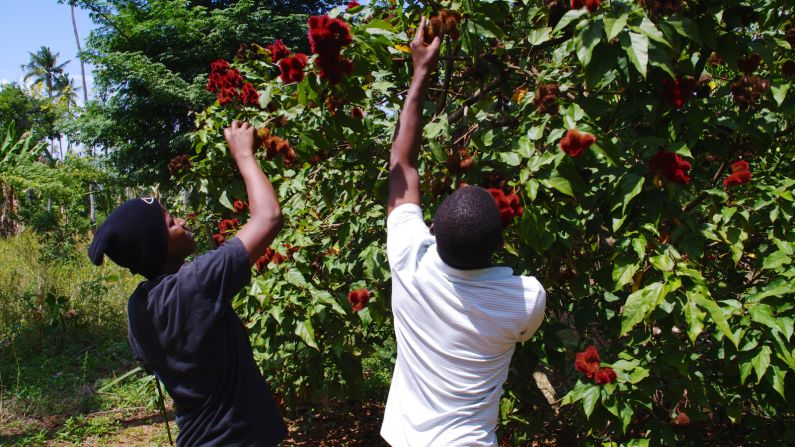
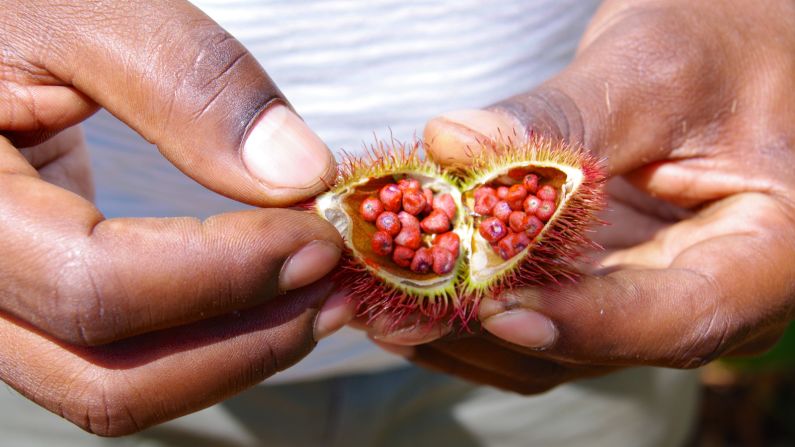
Haji and his teenage assistant pick fruit from an achiote tree. It's used to make a peppery orange-red condiment known variously as achiote, annato and bijol, and often used in South American, Mexican and Caribbean cooking.
Micah Spangler
Achiote —
Achiote is sometimes known as the lipstick tree, as the tiny waxy seeds were traditionally used to make body paint and to redden lips.
Micah Spangler
Villagers —
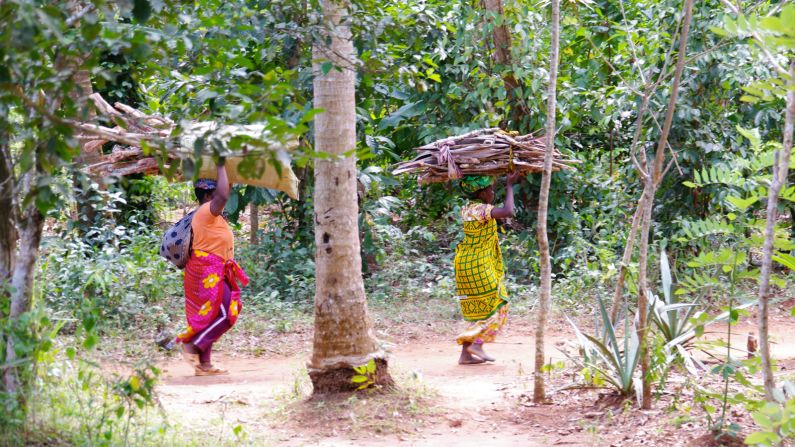
Local women from Dole bring firewood back to their village. Many villagers live on shared property near Hakuna Matata spice farm.
Micah Spangler
Stone Town's Old Market —
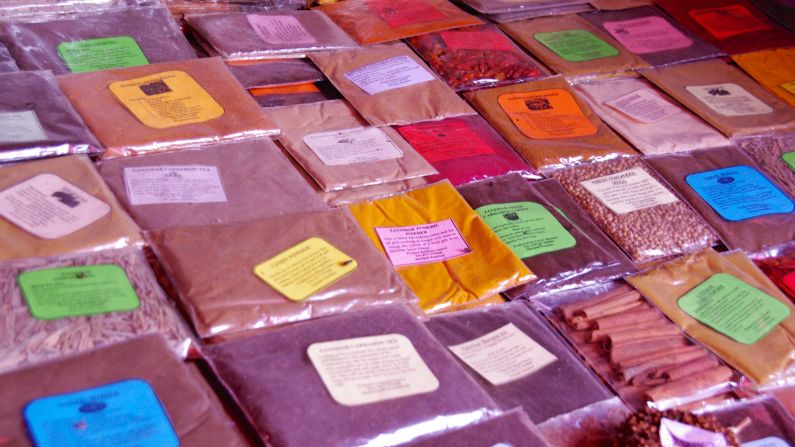
Spice for sale in the Old Market of Stone Town, Zanzibar City's UNESCO-recognized historic quarter.
Micah Spangler
Architecture —
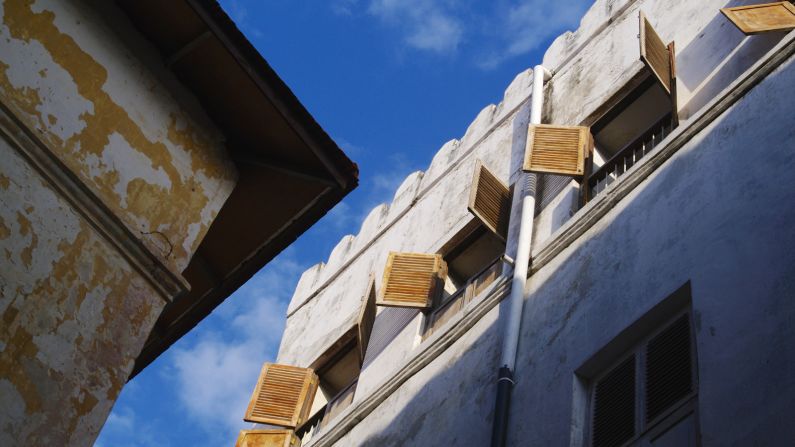
Zanzibar's cosmopolitan heritage is clear in the Swahili architecture of Stone Town, which has Arab, Persian, Indian, European and African influences.
Micah Spangler
Old Fort —
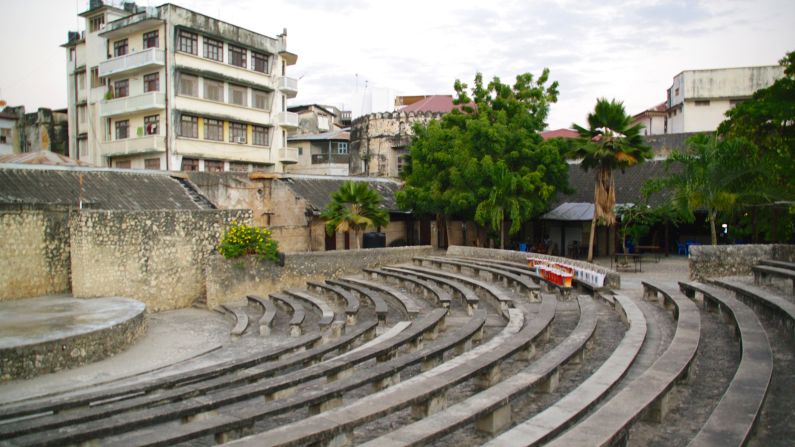
Built in the 17th century, Zanzibar's Old Fort is the oldest building on archipelago. The open-air amphitheater (pictured) regularly hosts dance and music events.
Micah Spangler
Nungwi —
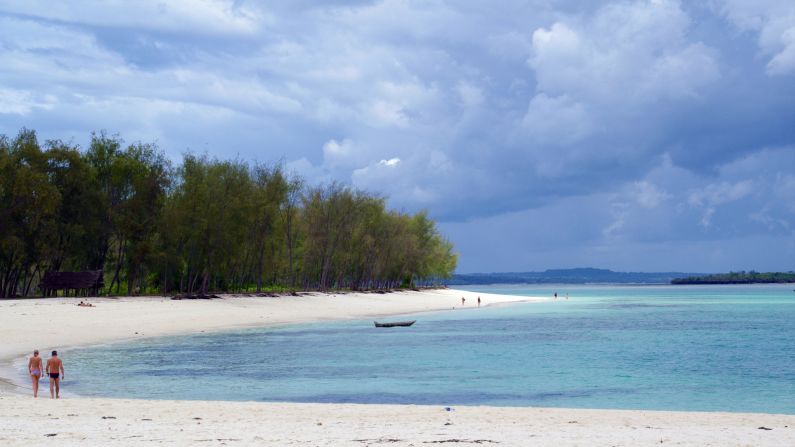
The Nungwi peninsula is about an hour's drive north of Stone Town. The former fishing village of Nungwi is known for its white-sand beaches.
Micah Spangler
Kite-surfing —
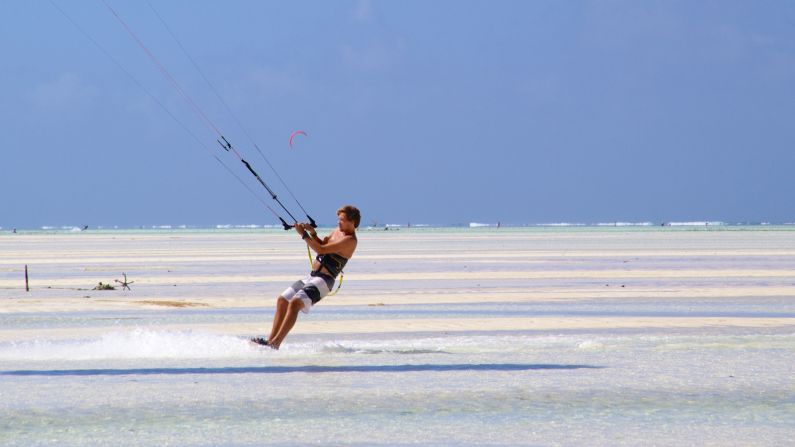
Shallow waters and steady winds make Paje, on Zanzibar's southeast coast, one of the best kite-surfing spots in the world.
Micah Spangler
The Rock —
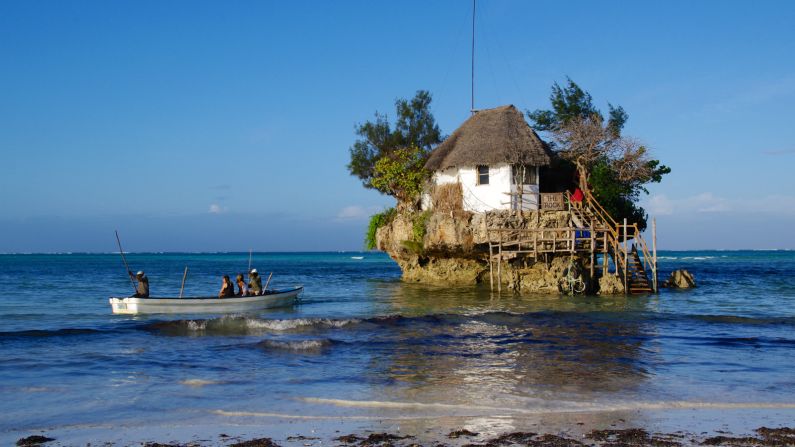
45-seater restaurant The Rock is perched on a super-tiny not far from Paje. During high tide, patrons must be ferried across to reach the restaurant.