Relics of Rangoon —
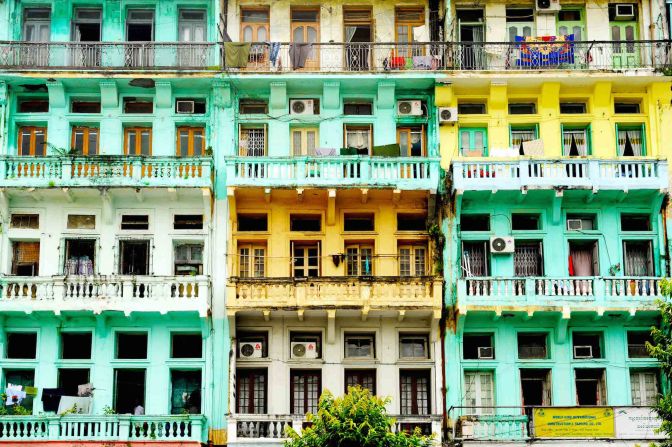
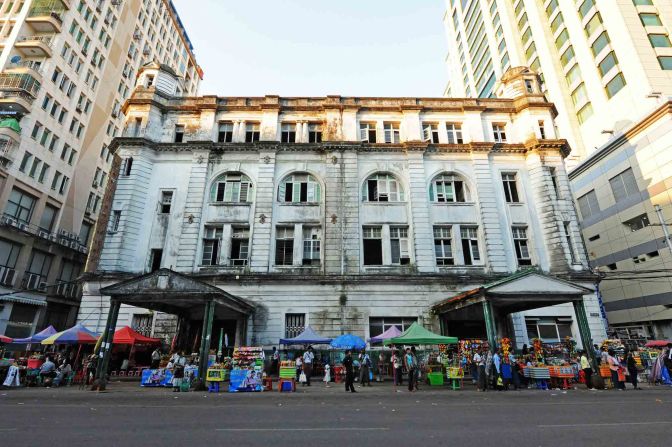
"Relics of Rangoon," by journalist Philip Heijmans, profiles more than 200 of the city's architectural wonders. Among these is Yangon's Secretariat, where the father of modern Myanmar, General Aung San, was assassinated in 1947.

Parliament —
Residing at the center of the Secretariat complex is the structure that served as the country's first seat of parliament, which was active from 1948 until 1962.

Downtown Yangon —
"The most difficult part of shooting 200 buildings inside and out is getting permission to do so," says Heijmans. "The municipal government doesn't have jurisdiction over most properties, which are either businesses owned by the state, or are state buildings themselves."

Burmah Oil Company —
"I had to appeal to hundreds of people in order to get permission to go inside and take the shots. As you might expect in a country like this many were not thrilled with the idea, particularly as I am independent and with no organization backing me up," he adds.

High Court —
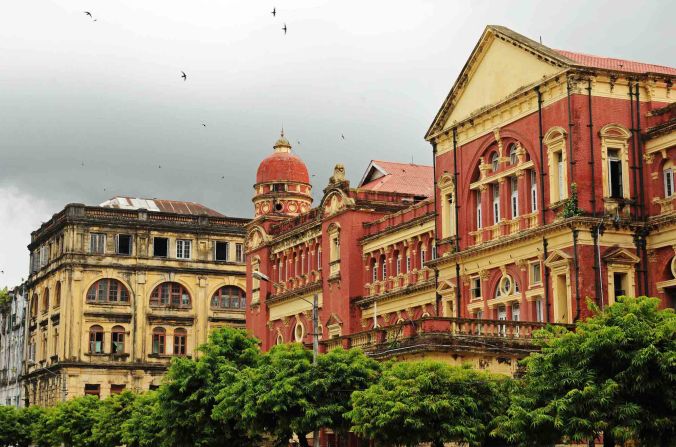
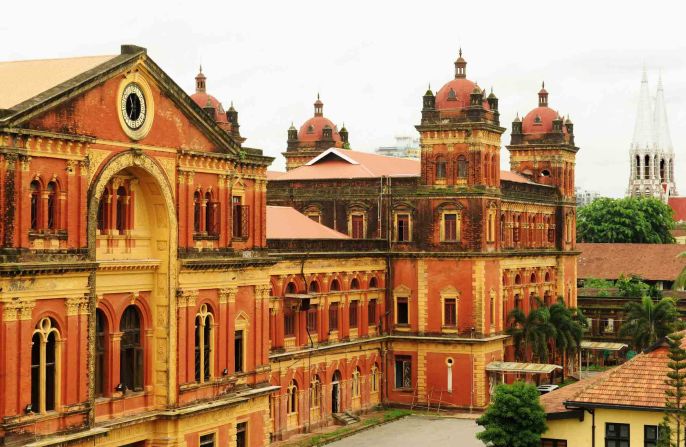
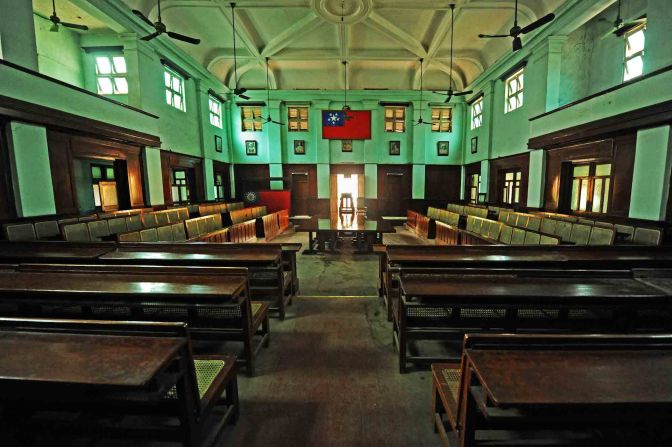
Yangon's High Court building, which opened in 1911, still serves as a courthouse even though the Supreme Court moved to the new capital of Naypyitaw several years ago.

Balthazar Building —
Among Heijmans' personal favorites is the Edwardian red-brick Balthazar Building on Bank Street -- once a premier office space. "When I went to shoot the inside of the structure it was weeping with poverty and neglect, many families crammed into its dilapidated wings where they have made makeshift homes."

City Hall —
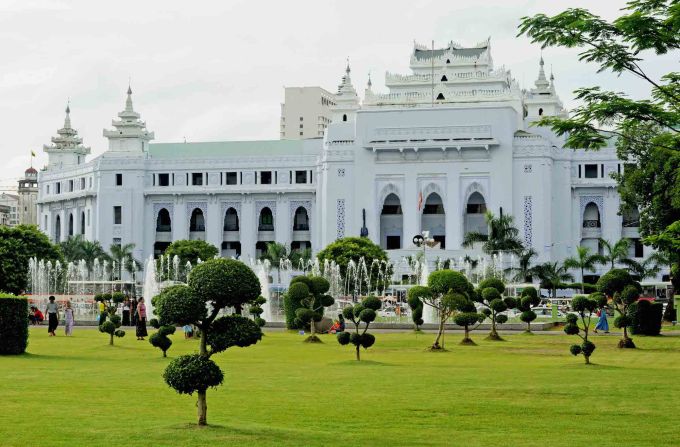
City Hall, included on the Yangon City Heritage List, was built in several stages from 1925 to 1940.

Former India Reserve Bank —
"Relics of Rangoon" is the product of more than two years of research. It involved sifting through more than 8,000 photographs and hundreds of hours of interviews with custodians, trustees, government officials, custodians, architects and conservation experts.

Mogul Shia Mosque —
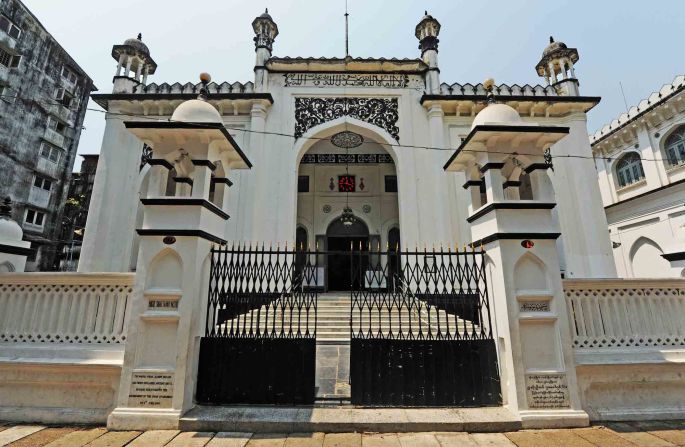
Located on 30th Street, Yangon's main Shia mosque was built in 1918.

Former Bank of Bengal —
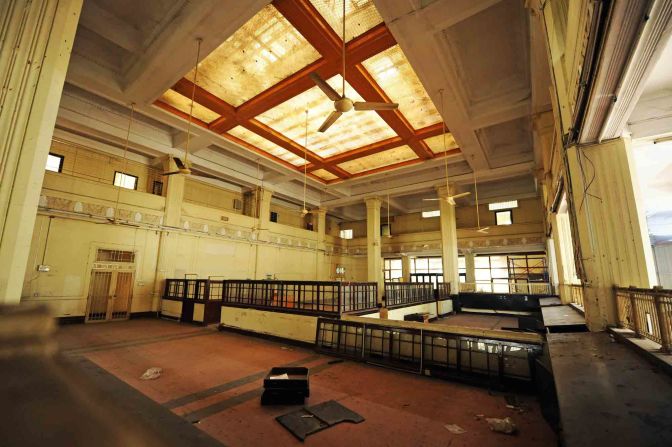
Yangon's former Bank of Bengal building, located on Strand Road, is now a branch of the Myanmar Economic Bank.

Stunning staircases —
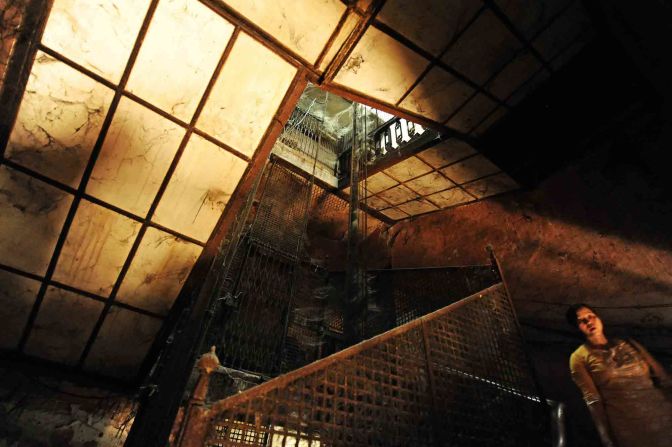
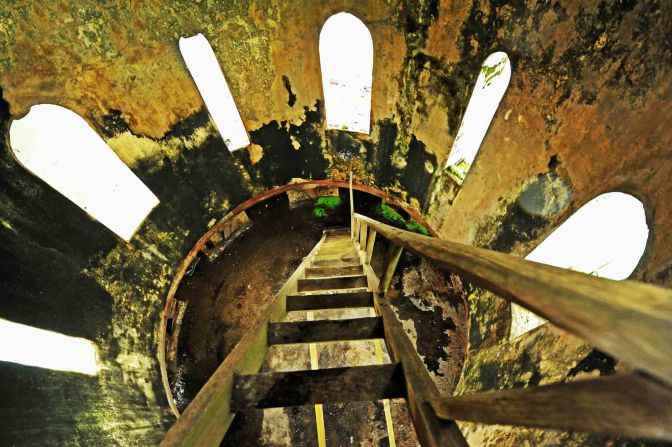
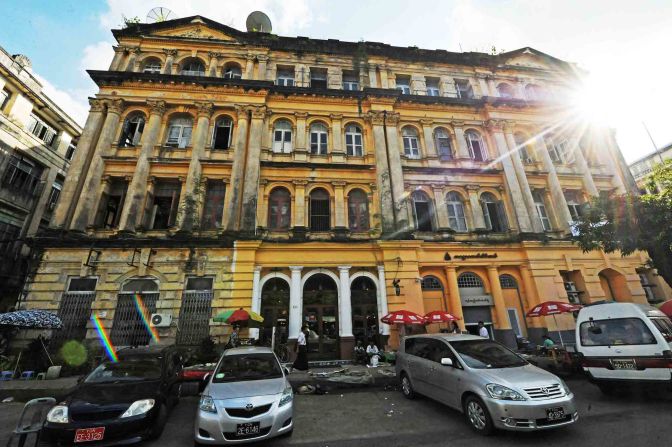
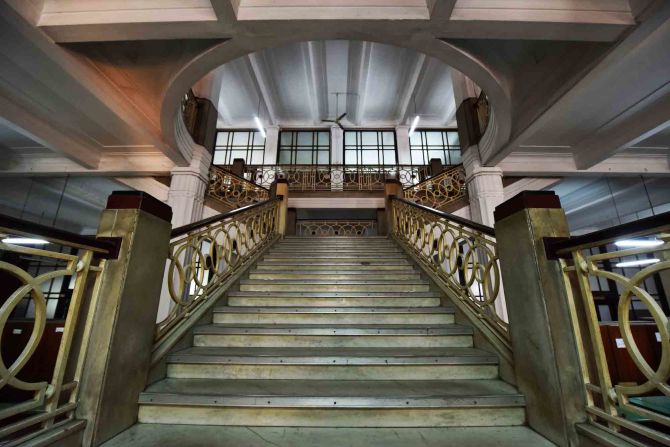
"Some of the most dilapidated buildings in the city that make for the best photography," says Heijmans. "They represent a kind of romance of the past hidden under decades of neglect brought on by the junta government and the unforgiving extreme weather patterns and torrential rains."

Sofaer Building —
The Sofaer and Co. building in downtown Rangoon was completed by Isaac and Meyer Sofaer in 1906. Both brothers were Baghdad-born, Rangoon-educated Jews.

The Strand —
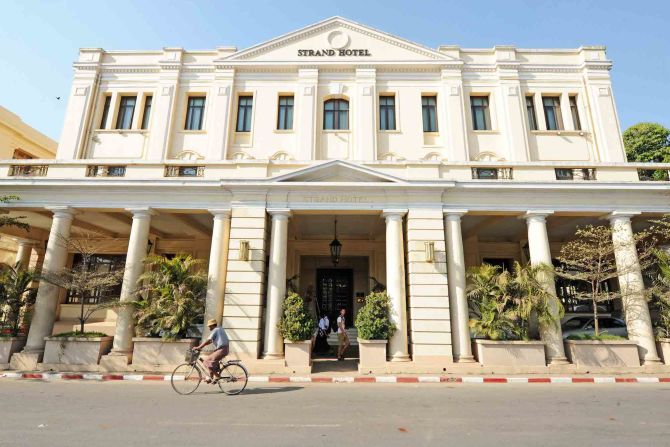
Yangon's most historic luxury hotel, The Strand, was built in 1901 by the Sarkie brothers.

Yangon Stock Exchange —
The Yangon Stock Exchange, which opened in 2015, sits inside the former Central Bank of Myanmar and Myawaddy Bank headquarters.

Old Police Commissioner's Office —
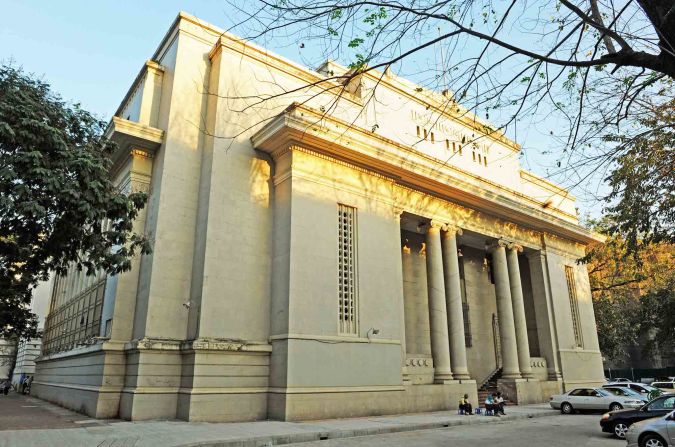
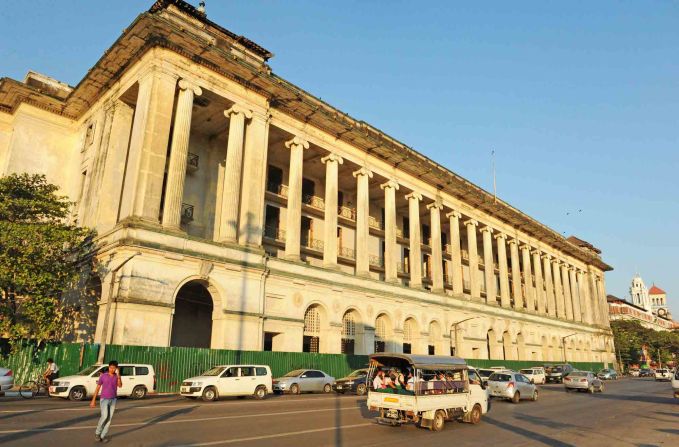
Built originally as the Law Courts, this block-long structure overlooking Strand Road is the city's foremost architectural example of grandeur and authority. A colonnade of British imported Ionic columns spans the length of the southern facade.
Inland Water Transport Building —
The Irrawaddy Flotilla and Burmese Steam Navigation Company was formed in 1865. The privatized firm is now known as Inland Water Transport.

Yangon Division Court —
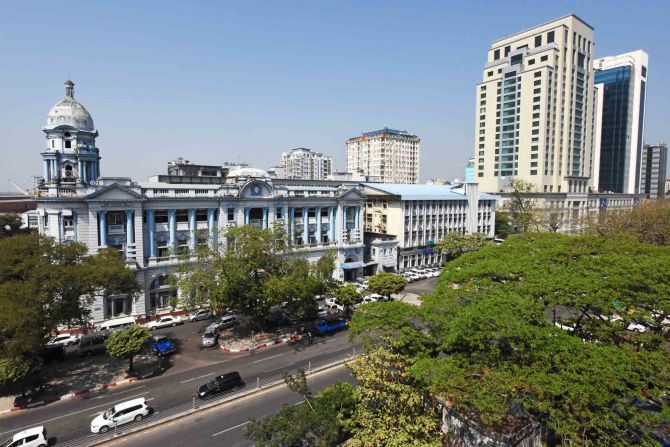
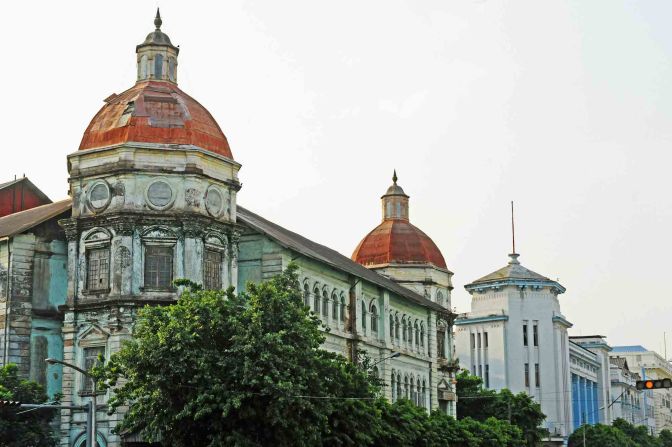
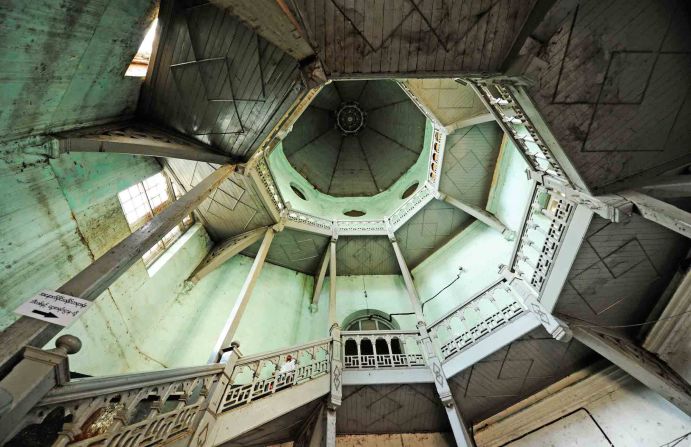
Originally built as the Currency Department, the Yangon Division Court building on Pansodan Street is one of the most fascinating buildings in the city. Damage sustained during a World War II bombing raid is still visible on its octagonal corner domes.

Yangon Division Court —
"Once inside these structures, the next greatest challenge was safety," says Heijmans. There's the risk of putting feet through stairs or falling from a rickety ladder, he adds.