Photos: Inside Hang Son Doong, the world’s largest cave
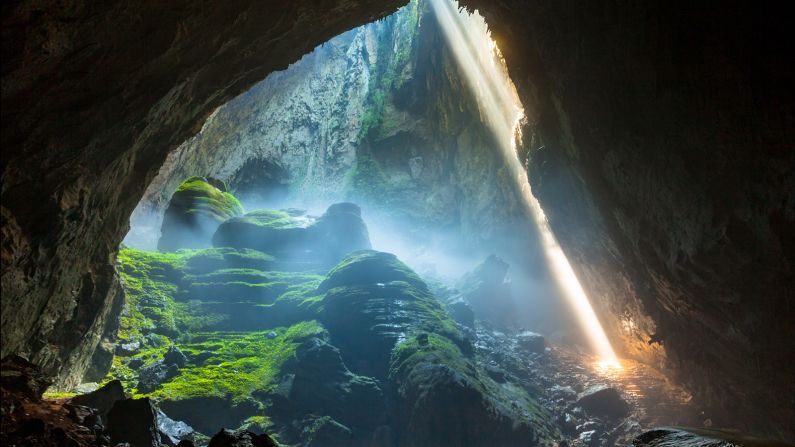
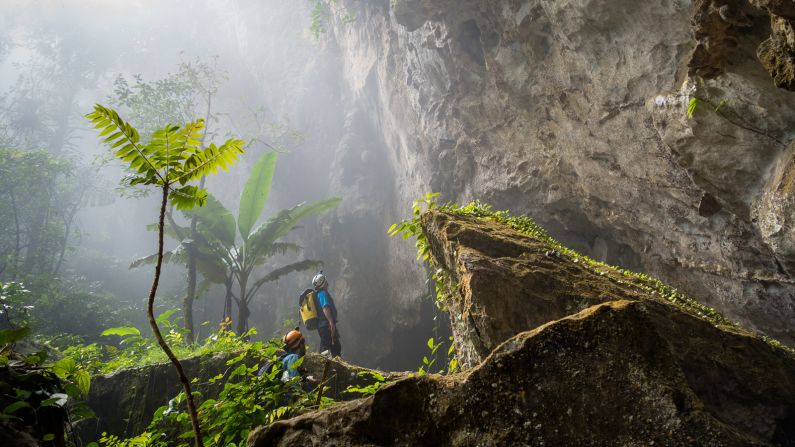
Phong Nha-Ke Bang National Park: Vietnam's Phong Nha-Ke Bang National Park is home to the world's largest cave -- a place few people have visited. Click through the gallery to see more images of this amazing underground world. This image shows how collapses caused by erosion leave openings through which incredible sunbeams penetrate, creating mesmerizing light shows.
Jarryd Salem/CNN
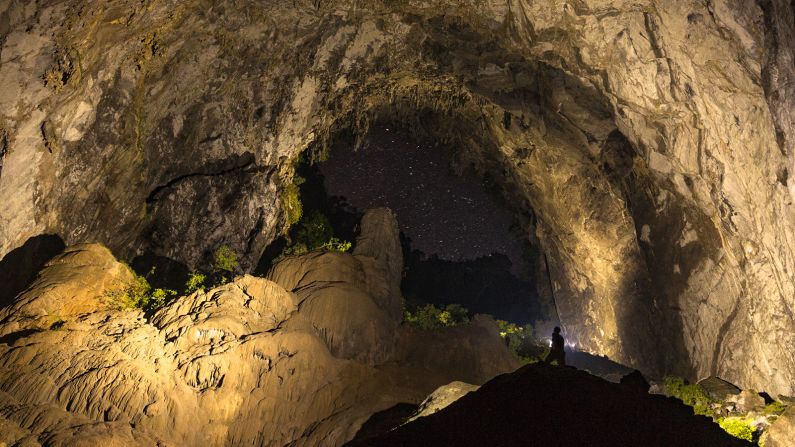
Stargazing: From the second campsite inside Hang Son Doong visitors can stare out of an erosion hole (these are known as "dolines") and catch stars glistening on a clear night.
Jarryd Salem/CNN
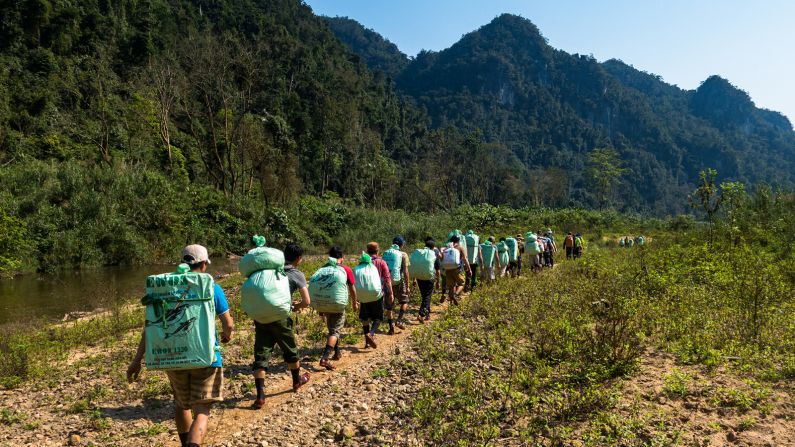
Porter Trail: A strong crew of 20 porters, three guides, two caving experts, two chefs and two national park rangers assist on every expedition to Hang Son Doong. Just like the sherpas of Nepal it's the porters of Phong Nha who are the unsung heroes that make the adventure possible.
Alesha Bradford
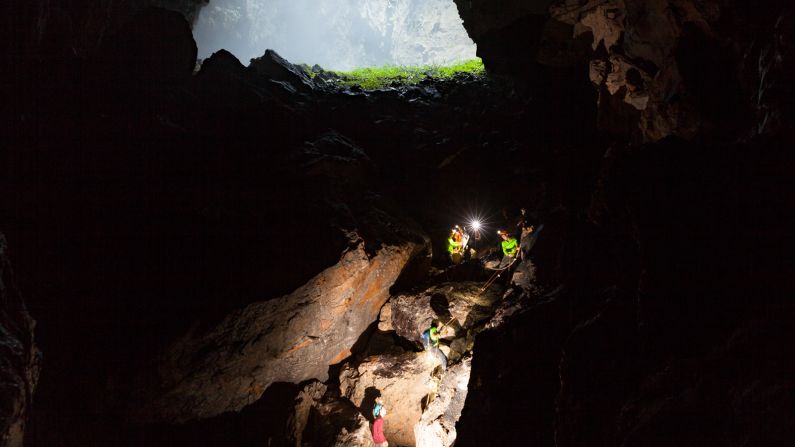
Abseiling into darkness: Sections of Hang Son Doong are so steep and perilous that ropes are required to help lower people safely through them.
Jarryd Salem/CNN
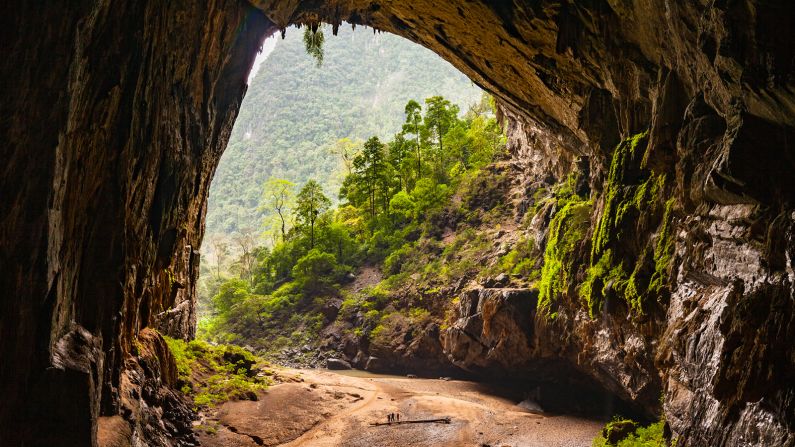
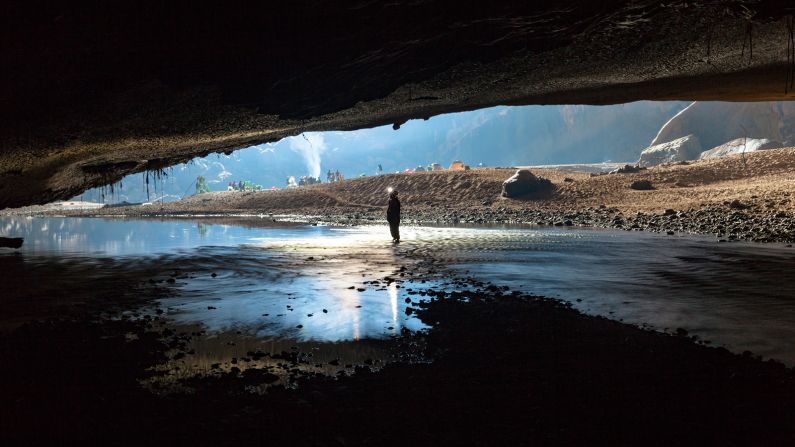
Hang En exit: The enormous exit of Hang En, the third largest cave in the world, is more than 120-meter high and 140-meter wide.
Jarryd Salem/CNN
Doline 2 Campsite: The climb down from a section known as the "Garden of Edam" leads to the second campsite in Hang Son Doong.
Alesha Bradford
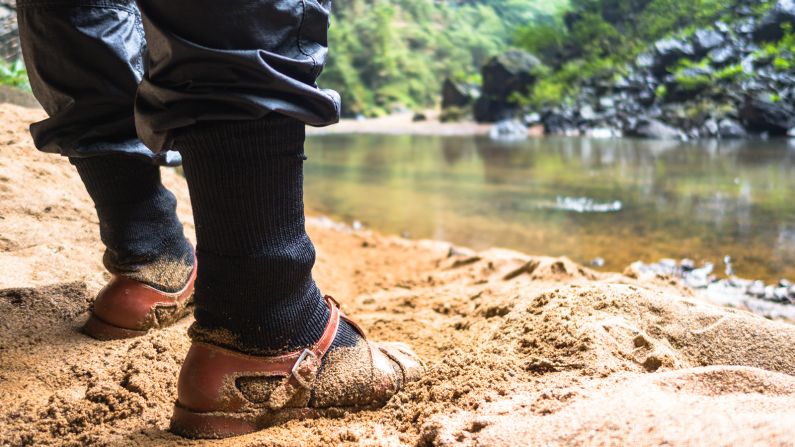
Fancy footwear: While most people who take the five-day expedition to Hang Son Doong invest in high quality equipment and clothing, the porters and guides of Phong Nha prefer to do the trek in pairs of plastic sandals that are bought in the local market for $2.
Alesha Bradford
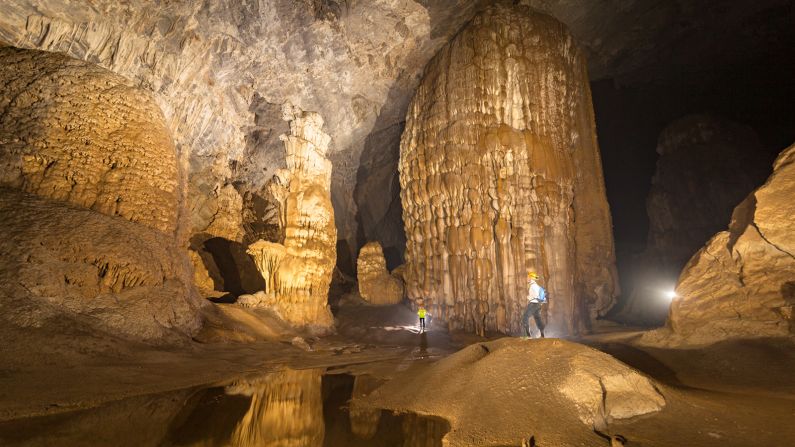
End of Son Doong: Limestone formations such as stalagmites and stalactites are formed when water containing dissolved calcium carbonate drips through the cave's ceiling and creates minuscule rings. Over millions of years, these tiny minerals grow in a collection of striking and often beautiful shapes.
Jarryd Salem/CNN
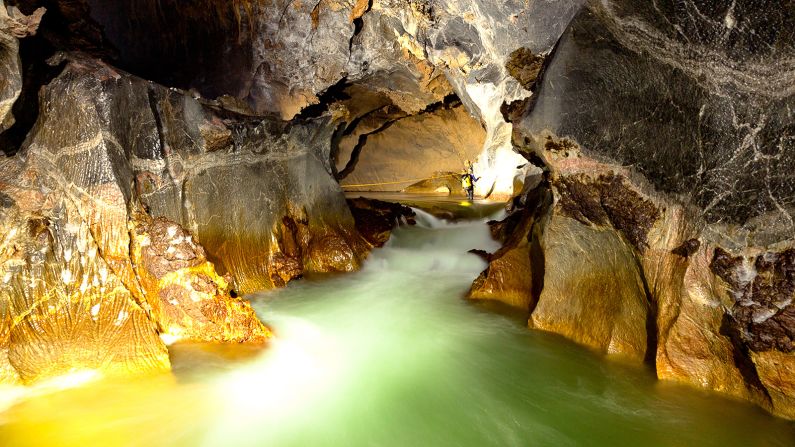
Rao Thuong River: The Rao Thuong River flows fast through the Son Doong cave system, continuously carving new chambers and passages. During the wet season the river floods to dizzying levels, halting any chance of exploration through the caves or jungle.
Jarryd Salem/CNN
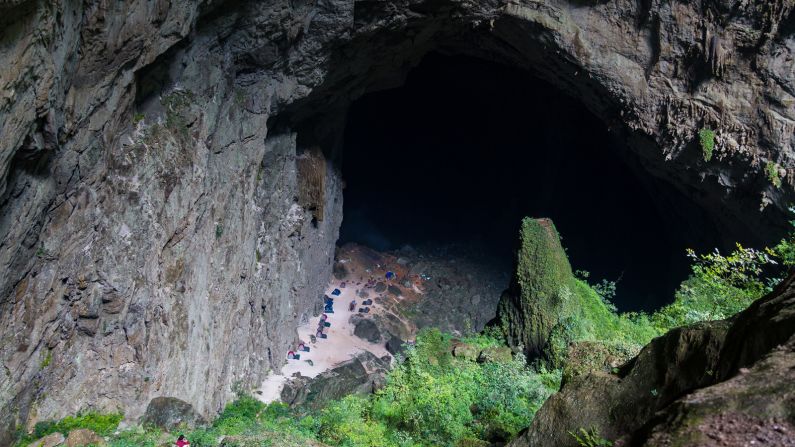
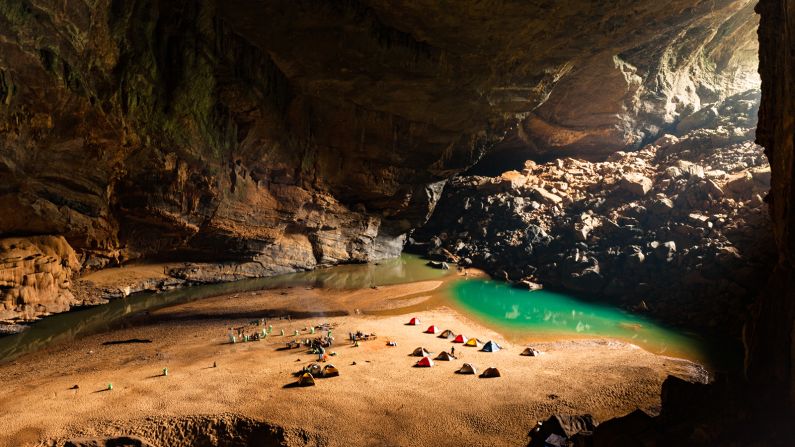
Hang En campsite: The first and last nights of the expedition are spent camping inside Hang En, which is considered to be one of the most spectacular campsites in all of Asia.
Alesha Bradford
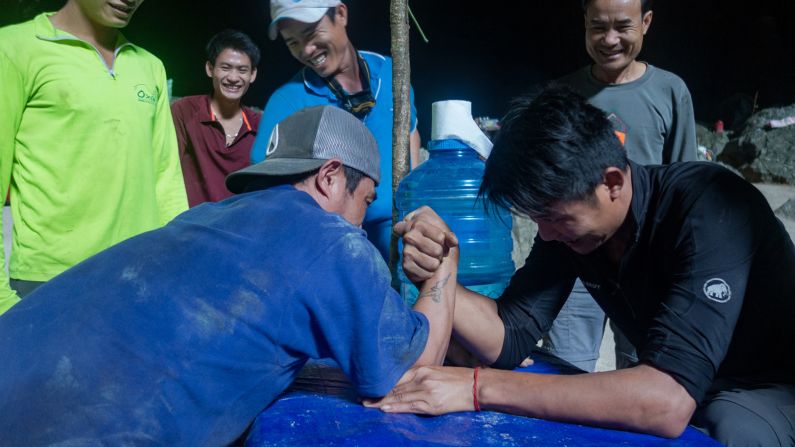
Arm wrestling: Entertainment comes in many forms when you spend days on end inside a cave. Card games are popular, as is singing songs and drinking potent, locally brewed rice wine. The Vietnamese porters take pride in their strength and agility and are constantly challenging each other to show off their skills.
Alesha Bradford
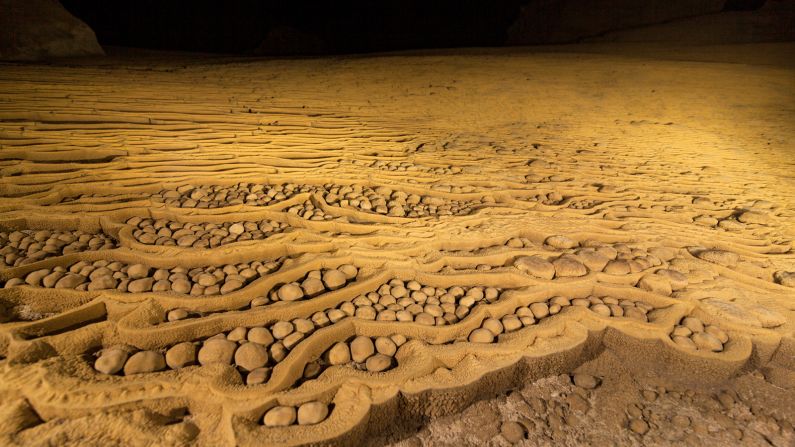
Cave pearls: Not all of the magnificent formations that can be found in Hang Son Doong are massive. Towards the end of the chambers rare, spherical "cave pearls" are also found. These are formed when tiny pieces of sediment collect calcium salt layers over thousands of years.
Jarryd Salem/CNN
Entering the jungle: Hang Son Doong is so massive that it contains its own jungle, underground river and localized weather system. Clouds form inside the cave and spew out from the exits and dolines, which gave the first explorers a clue as to how large Hang Son Doong really is.
Alesha Bradford
Narrow Hang En: A narrow passageway connects the two sections of Hang En.
Jarryd Salem/CNN
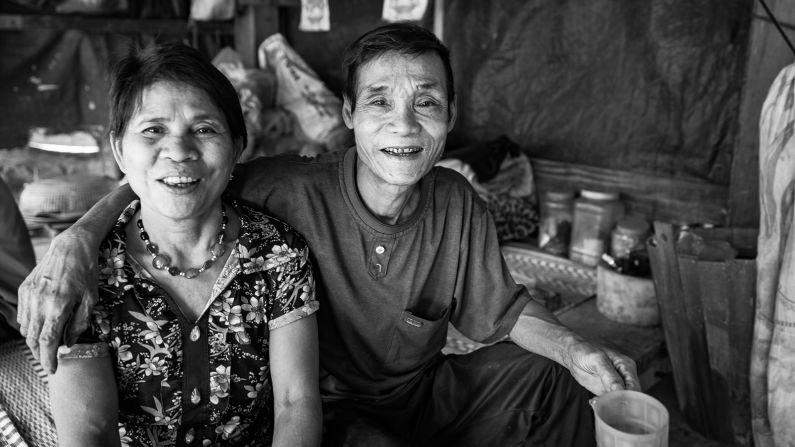
Ban Doong elders: There is only one village inside the Phong Nha-Ke Bang National Park, known as Ban Doong. Around 40 Bru-Van Kieu ethnic minority people live in this isolated location, which can only be reached by foot. The two elders of the village happily welcome trekkers who must pass through their humble home to reach Hang E and Hang Son Doong.