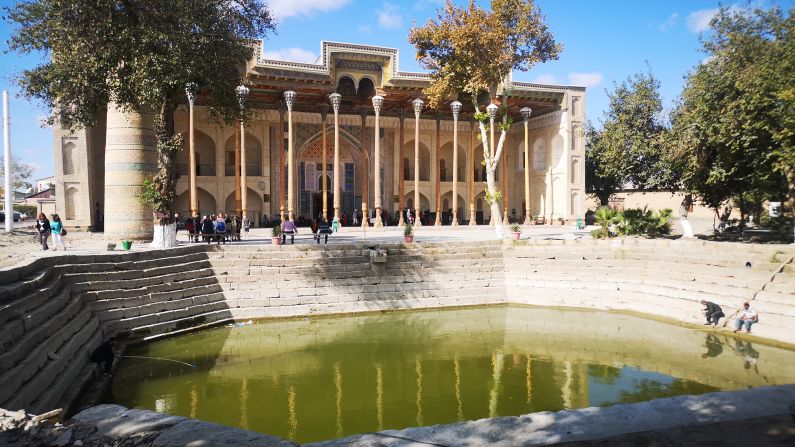
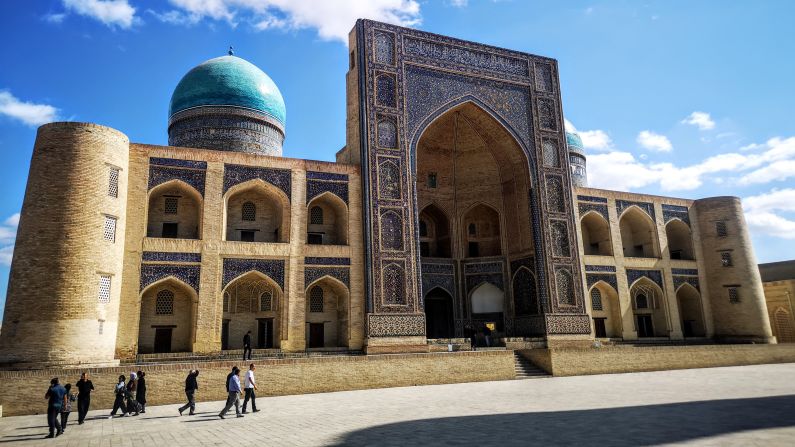
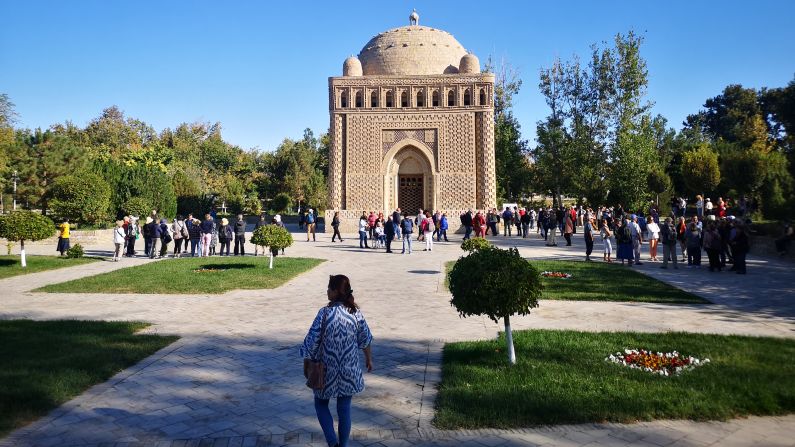
Samarkand: Gales of tourists blow through the mausoleum-heavy city daily to peer at the Bibi Khanum mosque and ogle at the exquisite Registan complex.
Meher Mirza
Jewel box: Each mausoleum in Samarkand is different, but the whole melds together in a sparkling jigsaw of a jewel box, brocaded with glossy turquoise and aquamarine tiles.
Meher Mirza
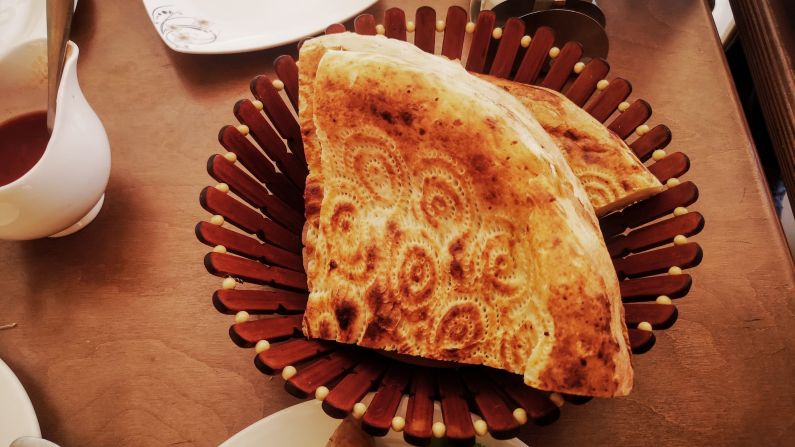
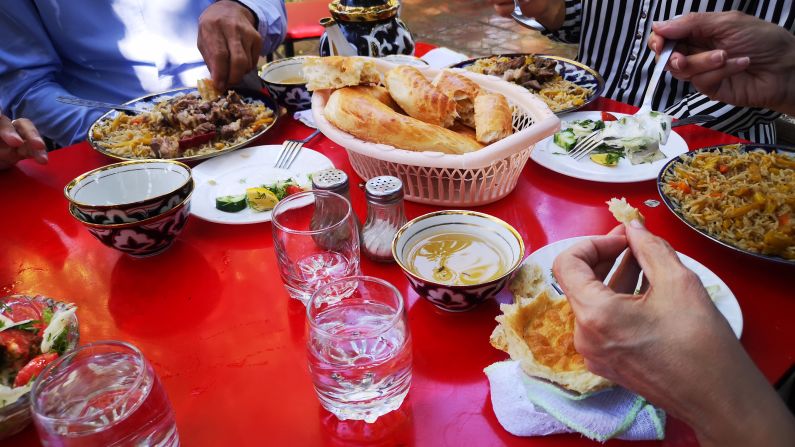
Non: The bread is ubiquitous and it will follow you across every meal in every province of the country; a facsimile of the sun, the bread is seen as life itself.
Meher Mirza
Choice beverage: No matter where in Uzbekistan you travel to, all but the most devout nurse a bottle of okchai (white tea, a euphemism for vodka).
Meher Mirza
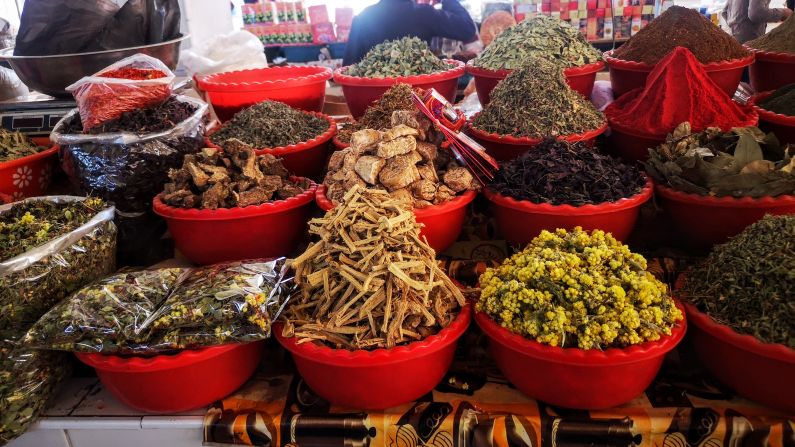
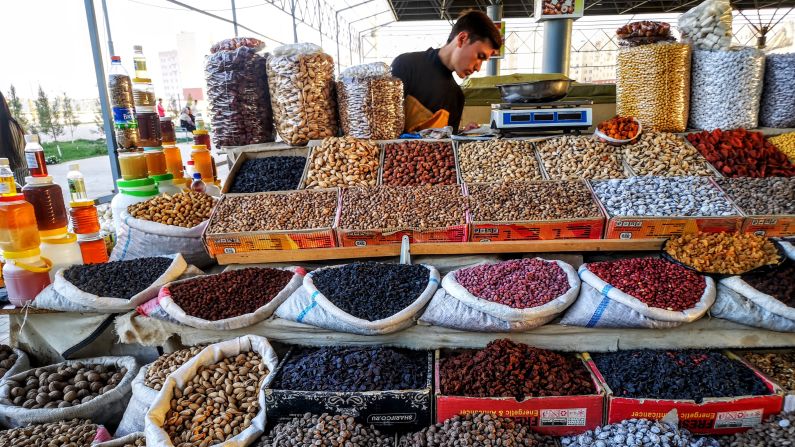
Bazaar: Spices and dried fruits, nuts and grains can all be purchased at Uzbekistan's colorful, lively markets.
Meher Mirza
Taste and see: A market stop is worth it for any traveler to the area -- even those with no designs to buy.
Meher Mirza
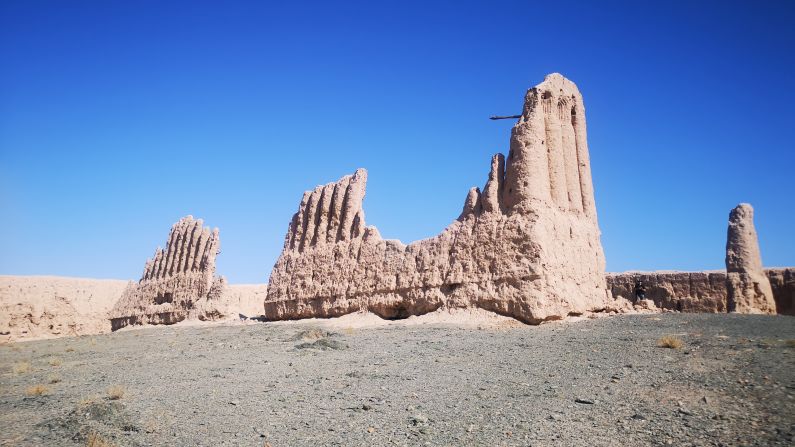
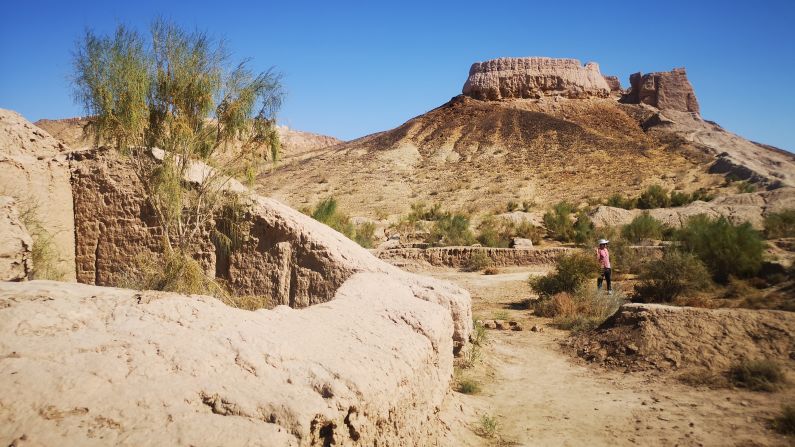
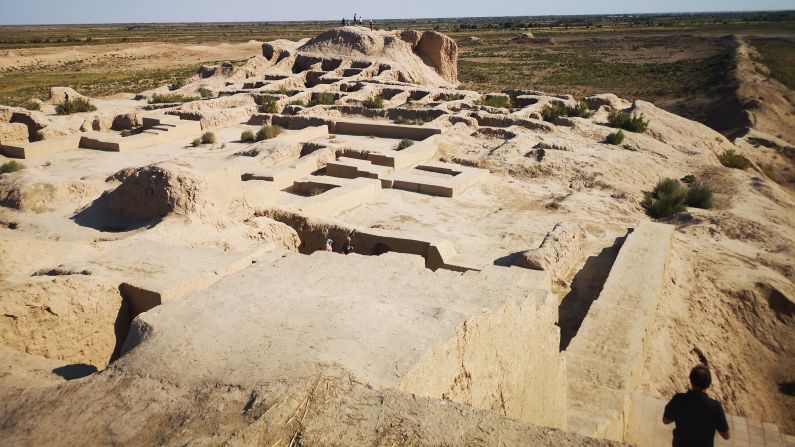
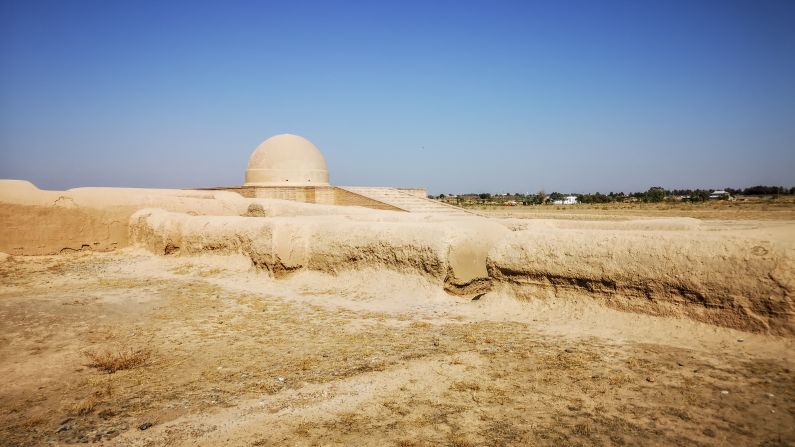
Karakalpakstan: Desperate ruins touched with majesty are characteristic of this area.
Meher Mirza
Via Nukus: Arrive at Karakalpakstan through Nukus and stay a night at Tashkent Hotel if you have time to explore the vast area.
Meher Mirza
Lost world: In the flatlands of the Republic of Karakalpakstan lies a portal to another era, that of the glorious Zoroastrian Persian empire.
Meher Mirza
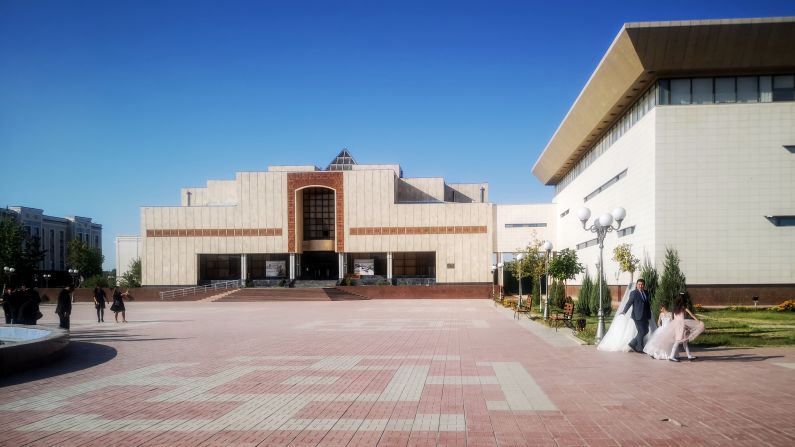
The Karakalpakstan State Museum of Art: See works by Vladimir Lysenko and Alexander Volkov and contemporary artists here.
Meher Mirza
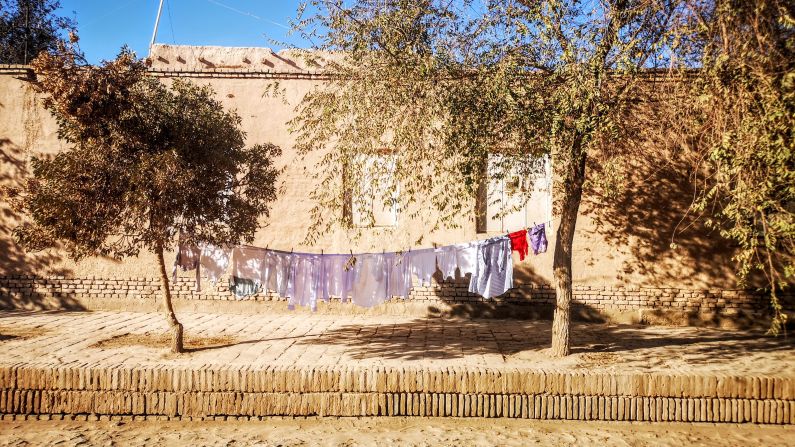
Khiva: Today buses disgorge tourists from around the world into the old town, Ichan Kala, that sits aloof from the rest of the trafficked city.
Meher Mirza
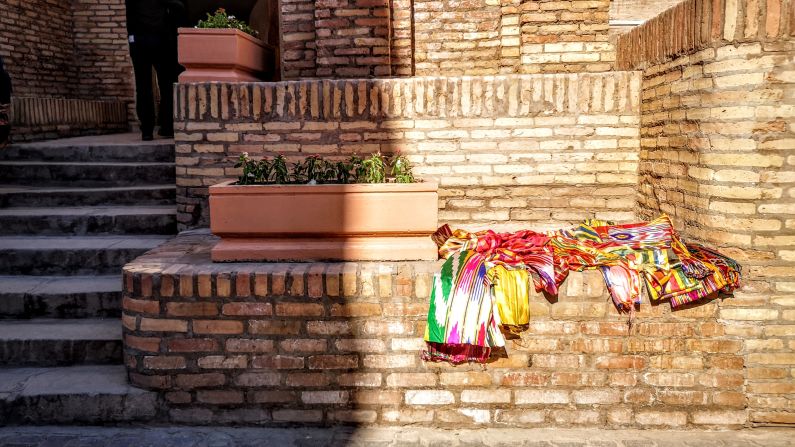
Silk for sale: In Margilon, you can buy silk items -- clothing and more -- and visit Yodgorlik, a silk-making factory.
Meher Mirza
Bukhara: The entire old town is a UNESCO-recognized masterpiece of medieval Muslim architecture.
Meher Mirza
Termez: A sun-ripened stupa is part of a large complex of Buddhist structures in this city in Uzbekistan's southeast.