UNESCO World Heritage picks for 2015 | CNN

CNN values your feedback

1. How relevant is this ad to you?
2. Did you encounter any technical issues?
Thank You!
Your effort and contribution in providing this feedback is much appreciated.
Close
Ad Feedback
Destinations
Food & Drink
News
Stay
Video
Destinations Food & Drink News Stay Video
Watch Listen Live TV
My Account
  • Settings
  • Newsletters
  • Topics you follow
  • Sign out
Your CNN account Sign in to your CNN account

My Account
  • Settings
  • Newsletters
  • Topics you follow
  • Sign out
Your CNN account Sign in to your CNN account

Live TV Listen Watch
Edition
US
International
Arabic
Español
Edition
  • US
  • International
  • Arabic
  • Español

Destinations
Food & Drink
News
Stay
Video

Follow CNN Travel
Download the CNN App

  • World
    • Africa
    • Americas
    • Asia
    • Australia
    • China
    • Europe
    • India
    • Middle East
    • United Kingdom
  • US Politics
    • Elections 2026
    • Trump
    • Facts First
    • CNN Polls
    • Redistricting Tracker
    • Epstein Files
  • Business
    • Tech
    • Media
    • Calculators
    • Videos
  • Markets
    • Pre-markets
    • After-Hours
    • Fear & Greed
    • Investing
  • Health
    • Life, But Better
    • Fitness
    • Food
    • Sleep
    • Mindfulness
    • Relationships
  • Entertainment
    • Movies
    • Television
    • Celebrity
  • Tech
    • Innovate
  • Style
    • Arts
    • Design
    • Fashion
    • Architecture
    • Luxury
    • Beauty
    • Video
  • Travel
    • Destinations
    • Food & Drink
    • Stay
    • News
    • Videos
  • Sports
    • Football
    • Tennis
    • Golf
    • Motorsport
    • US Sports
    • Olympics
  • Science
    • Space
    • Life
    • Unearthed
  • Climate
    • Solutions
    • Weather
  • Weather
    • Video
    • Climate
  • Ukraine-Russia War
  • Israel-Hamas War
  • Features
    • As Equals
    • Call to Earth
    • Freedom Project
    • Impact Your World
    • Inside Africa
    • CNN Heroes
  • Watch
    • Live TV
    • Featured
    • CNN Fast
    • Shows A-Z
    • CNN 10
    • CNN TV Schedule
  • Listen
    • All There Is with Anderson Cooper
    • Chasing Life with Dr. Sanjay Gupta
    • The Assignment with Audie Cornish
    • Terms of Service with Clare Duffy
    • CNN 5 Things
    • All CNN Podcasts
  • Games
    • Daily Crossword
    • Jumble Crossword
    • Photo Shuffle
    • Sudoblock
    • Sudoku
    • 5 Things Quiz
  • About CNN
    • Photos
    • Investigations
    • CNN Profiles
    • CNN Leadership
    • CNN Newsletters
    • Work for CNN

Download the CNN App
Travel

UNESCO World Heritage picks for 2015

Updated 12:52 PM EDT, Fri July 10, 2015
Link Copied!
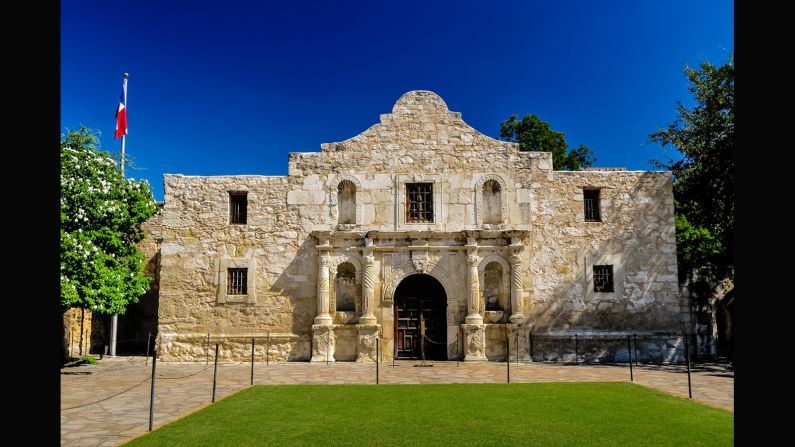
The United Nations Educational, Scientific and Cultural Organization has added 24 new spots and 3 significant extensions to the UNESCO World Heritage List and three spots to its List of World Heritage in Danger. Click through the gallery to see some new members of both lists, including the only U.S. site added in 2015 (shown here).
Courtesy UNESCO
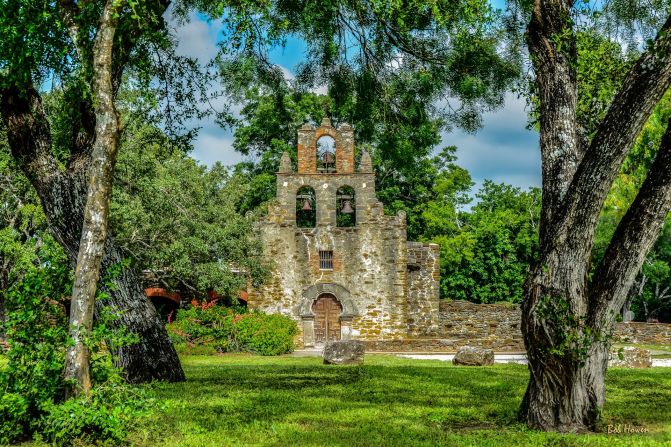
<strong>San Antonio Missions, Texas. </strong>The new San Antonio Missions World Heritage site includes a group of five 18th-century frontier mission complexes along the San Antonio River basin in southern Texas -- the most famous of which is the Alamo -- and a ranch south of the missions. Built by Franciscan missionaries in the 18th century as part of Spain's efforts to colonize the region, the site includes churches, farmland, homes and water distribution systems. Shown here is the Mission Espada complex.
San Antonio Missions, Texas. The new San Antonio Missions World Heritage site includes a group of five 18th-century frontier mission complexes along the San Antonio River basin in southern Texas -- the most famous of which is the Alamo -- and a ranch south of the missions. Built by Franciscan missionaries in the 18th century as part of Spain's efforts to colonize the region, the site includes churches, farmland, homes and water distribution systems. Shown here is the Mission Espada complex.
Courtesy UNESCO
<strong>Blue and John Crow Mountains, Jamaica. </strong><br />Jamaica's first UNESCO World Heritage Site is a mixed cultural and natural site. In the southeastern mountainous region of the country, this site was a refuge for indigenous Tainos escaping slavery and then Maroons (fleeing African slaves) escaping after them. They formed what is now the Nanny Town Heritage Route, "a network of trails, hiding places and settlements" that allowed them to survive and develop a spiritual practice connected to the mountains. The site also offers a lovely constellation of endemic plant species.
Blue and John Crow Mountains, Jamaica.
Jamaica's first UNESCO World Heritage Site is a mixed cultural and natural site. In the southeastern mountainous region of the country, this site was a refuge for indigenous Tainos escaping slavery and then Maroons (fleeing African slaves) escaping after them. They formed what is now the Nanny Town Heritage Route, "a network of trails, hiding places and settlements" that allowed them to survive and develop a spiritual practice connected to the mountains. The site also offers a lovely constellation of endemic plant species.
V. Turland/Courtesy UNESCO
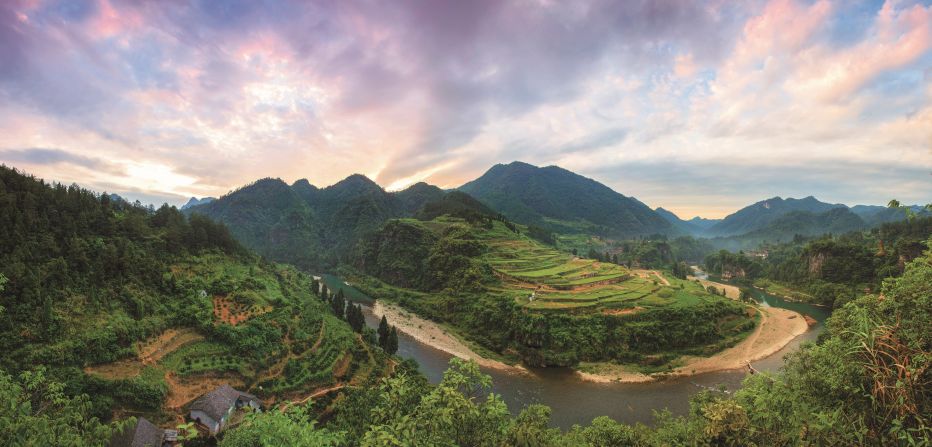
<strong>Tusi sites, China:</strong> The Tusi governance system found in southwest China's mountainous region is represented in this new World Heritage site, which includes the remains of several tribal domains dating from the 13th to the 20th centuries. The Chinese government appointed tribal leaders as "Tusi," hereditary rulers who allowed ethnic minorities to maintain their customs and ways of life, reaching back to the third century B.C., while centralizing governance.
Tusi sites, China: The Tusi governance system found in southwest China's mountainous region is represented in this new World Heritage site, which includes the remains of several tribal domains dating from the 13th to the 20th centuries. The Chinese government appointed tribal leaders as "Tusi," hereditary rulers who allowed ethnic minorities to maintain their customs and ways of life, reaching back to the third century B.C., while centralizing governance.
Courtesy UNESCO
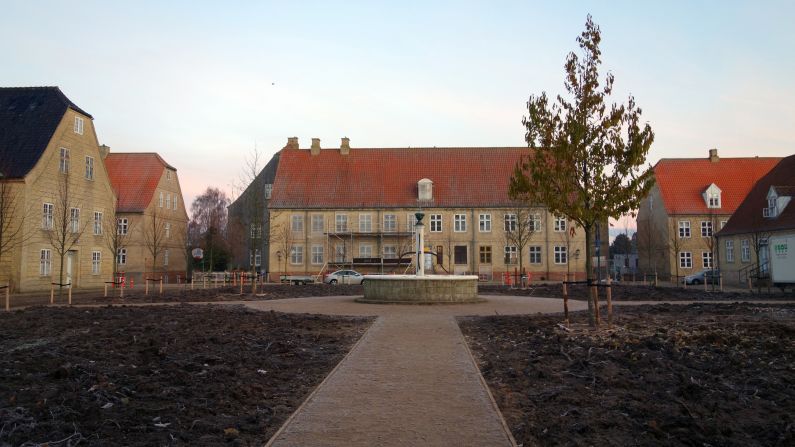
<strong>Christiansfeld, a Moravian Church settlement, Denmark. </strong>Founded in 1773, Christiansfeld is a world-renowned planned settlement of the Moravian Church, which was planned and constructed to represent the Protestant urban ideal of a town built around a central church square. (The church square is shown here.) The buildings are still used by the Moravian Church community.
Christiansfeld, a Moravian Church settlement, Denmark. Founded in 1773, Christiansfeld is a world-renowned planned settlement of the Moravian Church, which was planned and constructed to represent the Protestant urban ideal of a town built around a central church square. (The church square is shown here.) The buildings are still used by the Moravian Church community.
Annemette Løkke Berg / UNesco
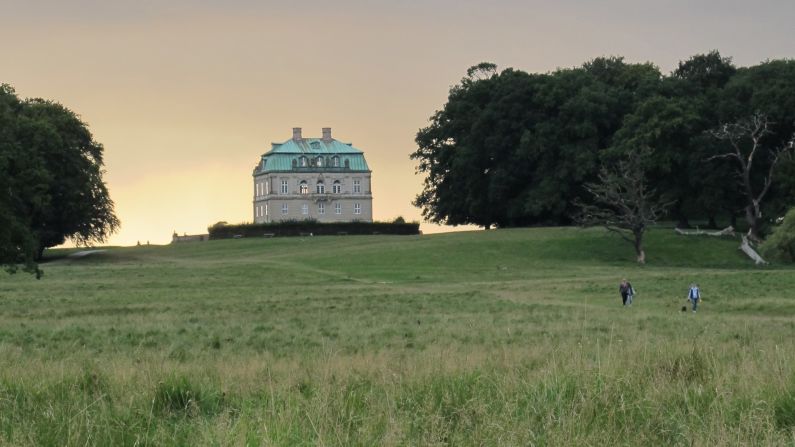
<strong>The Par Force Hunting Landscape in North Zealand, Denmark:</strong> Two hunting forests northeast of Copenhagen, called Store Dyrehave and Gribskov, and the hunting park of Jægersborg Hegn/Jægersborg Dyrehave make up one of two new Danish UNESCO sites. Danish royalty hunted with hounds on land designed according to Baroque landscaping principles. It was popular in the Middle Ages through the end of the 16th century.
The Par Force Hunting Landscape in North Zealand, Denmark: Two hunting forests northeast of Copenhagen, called Store Dyrehave and Gribskov, and the hunting park of Jægersborg Hegn/Jægersborg Dyrehave make up one of two new Danish UNESCO sites. Danish royalty hunted with hounds on land designed according to Baroque landscaping principles. It was popular in the Middle Ages through the end of the 16th century.
Ib Welling / Unesco
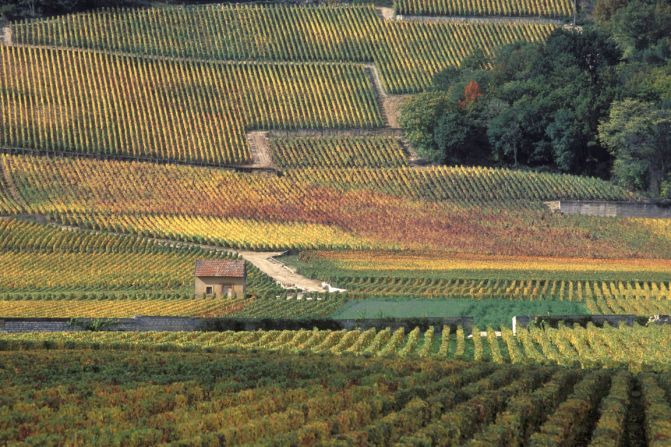
<strong>The climats, terroirs of Burgundy, France.</strong> The Burgundy designation includes the town of Dijon, whose political system gave rise to the region's climate production system and the villages and vineyards that are the commercial aspect of the production system.
The climats, terroirs of Burgundy, France. The Burgundy designation includes the town of Dijon, whose political system gave rise to the region's climate production system and the villages and vineyards that are the commercial aspect of the production system.
Jean-Louis Bernuy/Courtesy UNESCO
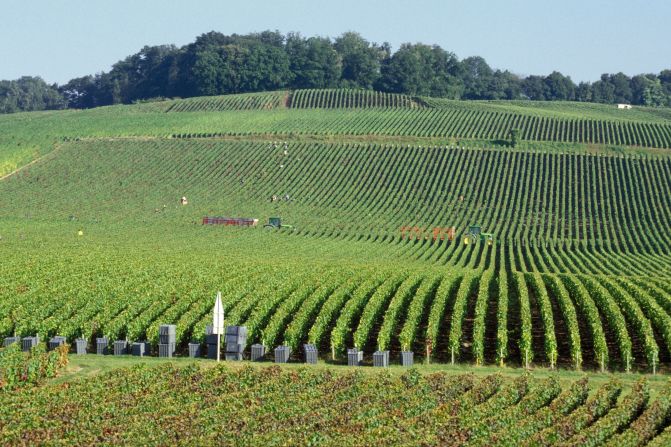
<strong>Champagne hillsides, houses and cellars, France.</strong> France's historic hillsides and properties where the sparkling wines of Champagne are produced, shown here. The Champagne region's secondary bottle fermentation method of producing sparkling wines dates to the early 17th century.
Champagne hillsides, houses and cellars, France. France's historic hillsides and properties where the sparkling wines of Champagne are produced, shown here. The Champagne region's secondary bottle fermentation method of producing sparkling wines dates to the early 17th century.
BSIP/UIG via Getty Images
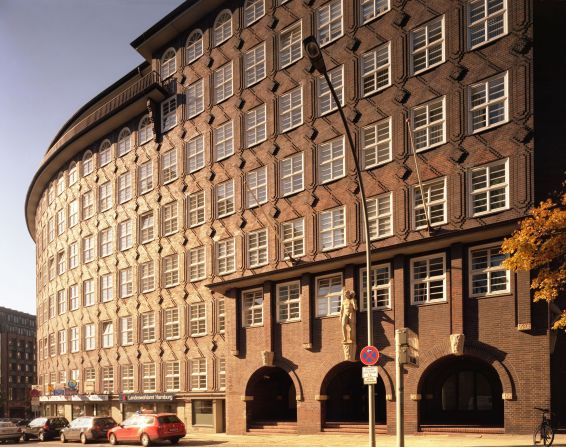
<strong>Speicherstadt and Kontorhaus District with Chilehaus, Germany:</strong> The port city of Hamburg is home to two dense urban districts, Speicherstadt and the adjacent Kontorhaus district, that demonstrate the effects of the international trade in the 19th and 20th centuries. Originally built on islands in the Elbe River between 1885 and 1927, the large warehouse blocks of Speicherstadt were partially rebuilt starting in 1949. Next to the Chilehaus modernist building, Kontorhaus features six enormous port-focused office complexes dating from the 1920s to the 1940s.
Speicherstadt and Kontorhaus District with Chilehaus, Germany: The port city of Hamburg is home to two dense urban districts, Speicherstadt and the adjacent Kontorhaus district, that demonstrate the effects of the international trade in the 19th and 20th centuries. Originally built on islands in the Elbe River between 1885 and 1927, the large warehouse blocks of Speicherstadt were partially rebuilt starting in 1949. Next to the Chilehaus modernist building, Kontorhaus features six enormous port-focused office complexes dating from the 1920s to the 1940s.
Courtesy UNESCO
<strong>Susa, Iran: </strong>One of two Iranian sites named to the World Heritage List this year, Susa (shown here) includes Ardeshir's palace on one site of the Shavur River in the lower Zagros Mountains and a group of archaeological mounds on the river's eastern side. The site contains several lawyers of urban settlements from the fifth millennium B.C. until the 13th century.
Susa, Iran: One of two Iranian sites named to the World Heritage List this year, Susa (shown here) includes Ardeshir's palace on one site of the Shavur River in the lower Zagros Mountains and a group of archaeological mounds on the river's eastern side. The site contains several lawyers of urban settlements from the fifth millennium B.C. until the 13th century.
Shutterstock
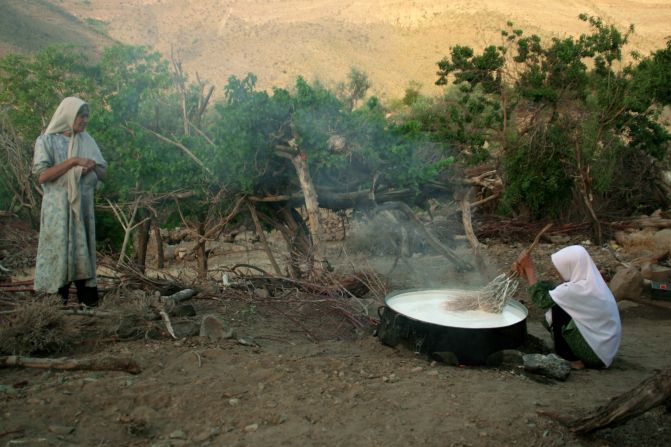
<strong>The Cultural Landscape of Maymand,</strong><strong> Iran</strong>. on the southern end of Iran's central mountains, is home to seminomadic villagers who live in temporary settlements in the spring and fall and in the valley in cave dwellings during the winter.
The Cultural Landscape of Maymand, Iran. on the southern end of Iran's central mountains, is home to seminomadic villagers who live in temporary settlements in the spring and fall and in the valley in cave dwellings during the winter.
Courtesy UNESCO
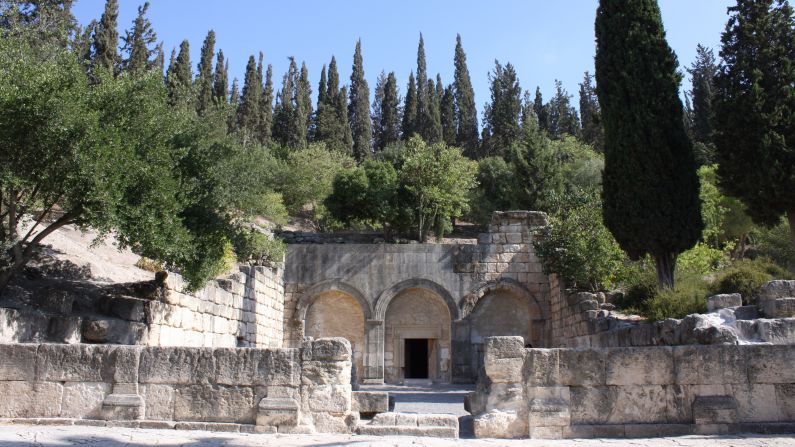
<strong>Necropolis of Beth She'arim, a Landmark of Jewish Revival, Israel</strong>: Starting in the second century B.C., this Haifa necropolis evolved as the primary Jewish burial place outside Jerusalem under the leadership of Rabbi Judah the Patriarch after the second failed Jewish revolt against the Romans. The catacombs feature artwork and Greek, Aramaic and Hebrew inscriptions.
Necropolis of Beth She'arim, a Landmark of Jewish Revival, Israel: Starting in the second century B.C., this Haifa necropolis evolved as the primary Jewish burial place outside Jerusalem under the leadership of Rabbi Judah the Patriarch after the second failed Jewish revolt against the Romans. The catacombs feature artwork and Greek, Aramaic and Hebrew inscriptions.
Tsvika Tsuk / Israel Nature and Parks Authority
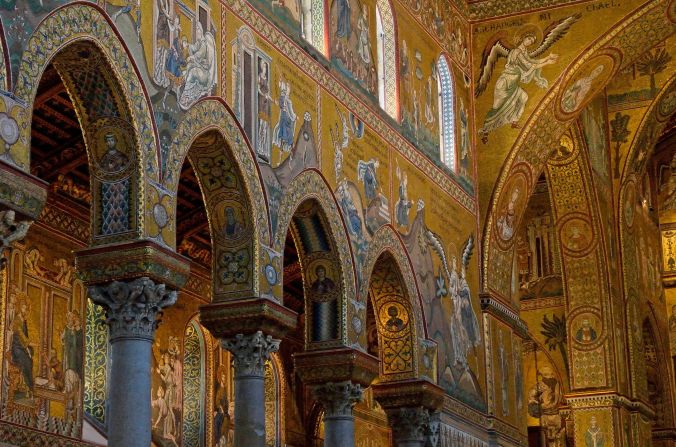
<strong>Arab-Norman Palermo and the Cathedral Churches of Cefalú and Monreale, Italy: </strong>Arab-Norman Palermo on the northern coast of Sicily has nine religious and civil structures dating to the Norman kingdom of Sicily era (1130-94): three churches, two palaces, a cathedral, a bridge and the Cefalú and Monreale cathedrals. They demonstrate the island's mix of Western, Islamic and Byzantine cultures on the island and are witness to "the fruitful coexistence of people of different origins and religions (Muslim, Byzantine, Latin, Jewish, Lombard and French)," UNESCO says.
Arab-Norman Palermo and the Cathedral Churches of Cefalú and Monreale, Italy: Arab-Norman Palermo on the northern coast of Sicily has nine religious and civil structures dating to the Norman kingdom of Sicily era (1130-94): three churches, two palaces, a cathedral, a bridge and the Cefalú and Monreale cathedrals. They demonstrate the island's mix of Western, Islamic and Byzantine cultures on the island and are witness to "the fruitful coexistence of people of different origins and religions (Muslim, Byzantine, Latin, Jewish, Lombard and French)," UNESCO says.
Courtesy UNESCO
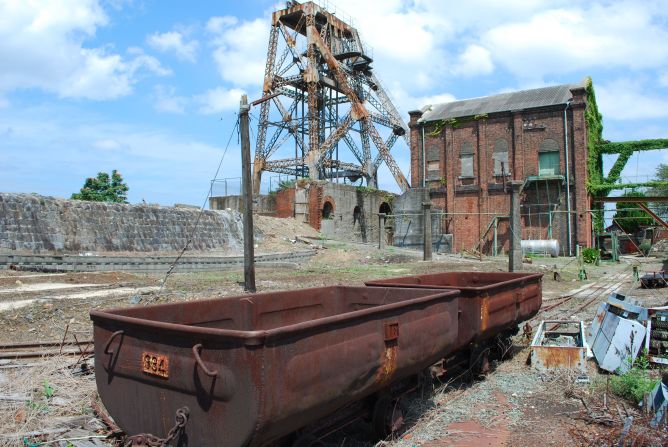
<strong>Sites of Japan's Meiji Industrial Revolution: Iron and Steel, Shipbuilding and Coal Mining.  </strong>A monument to Japan's rapid 19th- and 20th-century industrialization, the country's newest UNESCO site contains 11 properties, mostly in the southwest Japan. Feudal Japan took technology from Europe and America to develop its own steel, shipbuilding and coal-mining industries.
Sites of Japan's Meiji Industrial Revolution: Iron and Steel, Shipbuilding and Coal Mining. A monument to Japan's rapid 19th- and 20th-century industrialization, the country's newest UNESCO site contains 11 properties, mostly in the southwest Japan. Feudal Japan took technology from Europe and America to develop its own steel, shipbuilding and coal-mining industries.
Courtesy UNESCO
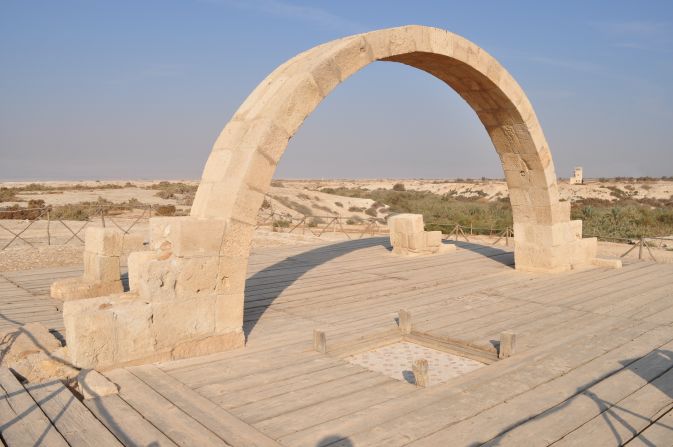
<strong>"Bethany Beyond the Jordan" baptism site (Al-Maghtas), Jordan.</strong> This is where many believe Jesus of Nazareth was baptized by John the Baptist. Located on the eastern bank of the River Jordan north of the Dead Sea, Jordan's newest World Heritage site actually consists of two sites: Al-Kharrar, also known as Jabal Mar-Elias (Elijah's Hill), and the area of the churches of St. John the Baptist. A place of Christian pilgrimage, the archaeological site contains Roman and Byzantine remains, including churches and chapels, a monastery and hermits' caves. The remains of the Church of the Arc site are shown here.
"Bethany Beyond the Jordan" baptism site (Al-Maghtas), Jordan. This is where many believe Jesus of Nazareth was baptized by John the Baptist. Located on the eastern bank of the River Jordan north of the Dead Sea, Jordan's newest World Heritage site actually consists of two sites: Al-Kharrar, also known as Jabal Mar-Elias (Elijah's Hill), and the area of the churches of St. John the Baptist. A place of Christian pilgrimage, the archaeological site contains Roman and Byzantine remains, including churches and chapels, a monastery and hermits' caves. The remains of the Church of the Arc site are shown here.
Shutterstock
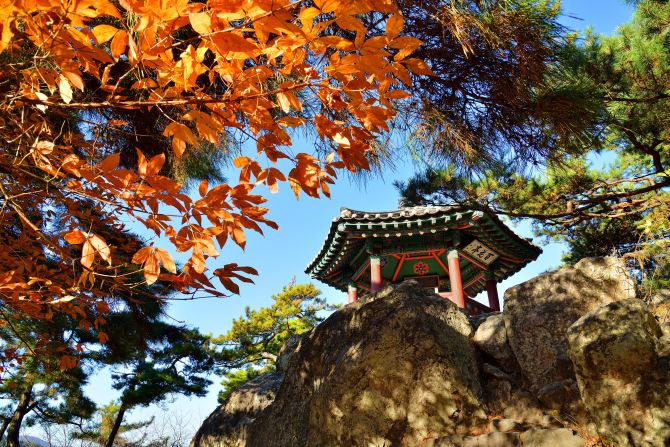
<strong>Baekje Historic Areas, Republic of Korea. </strong>The Republic of Korea's mountainous mid-western region has eight significant archaeological sites dating from 475 to 660 B.C. They include the Gongsanseong fortress and royal tombs at Songsan-ri, Ungjin, the Busosanseong Fortress and Gwanbuk-ri administrative buildings, the royal palace at Wanggung-ri and the Mireuksa Temple in Iksan. Representing the later period of the Baekje Kingdom (18 B.C. to A.D. 660), this early kingdom was at "the crossroads of considerable technological, religious (Buddhist), cultural and artistic exchanges between the ancient East Asian kingdoms in Korea, China and Japan," UNESCO says.
Baekje Historic Areas, Republic of Korea. The Republic of Korea's mountainous mid-western region has eight significant archaeological sites dating from 475 to 660 B.C. They include the Gongsanseong fortress and royal tombs at Songsan-ri, Ungjin, the Busosanseong Fortress and Gwanbuk-ri administrative buildings, the royal palace at Wanggung-ri and the Mireuksa Temple in Iksan. Representing the later period of the Baekje Kingdom (18 B.C. to A.D. 660), this early kingdom was at "the crossroads of considerable technological, religious (Buddhist), cultural and artistic exchanges between the ancient East Asian kingdoms in Korea, China and Japan," UNESCO says.
Courtesy UNESCO
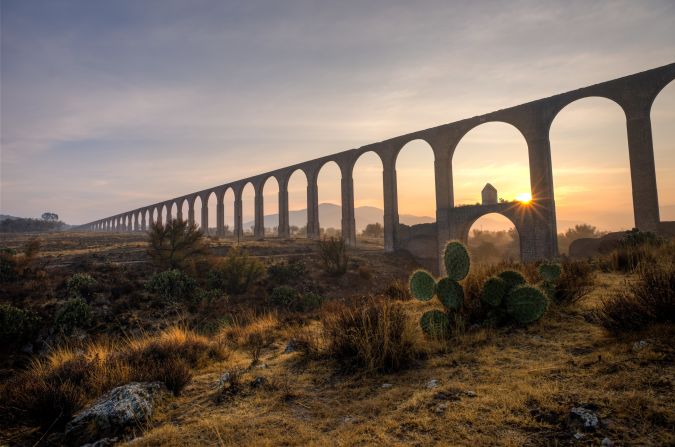
<strong>Aqueduct of Padre Tembleque Hydraulic System, Mexico.</strong> A 16th-century aqueduct between the states of Mexico and Hidalgo, this stunning canal system includes arcaded aqueduct bridges, canals, springs and distribution tanks, including the highest single-level arcade ever built in an aqueduct. UNESCO calls the hydraulic system, launched by the Franciscan friar Padre Tembleque, "an example of the exchange of influences between the European tradition of Roman hydraulics and traditional Mesoamerican construction techniques, including the use of adobe."
Aqueduct of Padre Tembleque Hydraulic System, Mexico. A 16th-century aqueduct between the states of Mexico and Hidalgo, this stunning canal system includes arcaded aqueduct bridges, canals, springs and distribution tanks, including the highest single-level arcade ever built in an aqueduct. UNESCO calls the hydraulic system, launched by the Franciscan friar Padre Tembleque, "an example of the exchange of influences between the European tradition of Roman hydraulics and traditional Mesoamerican construction techniques, including the use of adobe."
Courtesy UNESCO
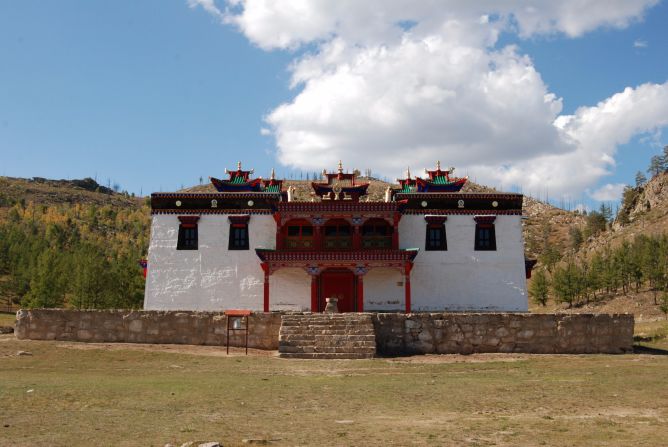
<strong>Great Burkhan Khaldun Mountain and its surrounding sacred landscape, Mongolia. </strong>Located in northeast Mongolia's Khentii mountain chain, Great Burkhan Khaldun Mountain is where the Central Asian steppe meets the Siberian taiga coniferous forests and where Genghis Khan is believed to have been born and buried. Associated with the worship of sacred mountains, rivers and shamanic rock cairns, Burkhan Khaldun has ceremonies influenced by both ancient shamanic and Buddhist practices.
Great Burkhan Khaldun Mountain and its surrounding sacred landscape, Mongolia. Located in northeast Mongolia's Khentii mountain chain, Great Burkhan Khaldun Mountain is where the Central Asian steppe meets the Siberian taiga coniferous forests and where Genghis Khan is believed to have been born and buried. Associated with the worship of sacred mountains, rivers and shamanic rock cairns, Burkhan Khaldun has ceremonies influenced by both ancient shamanic and Buddhist practices.
Courtesy UNESCO
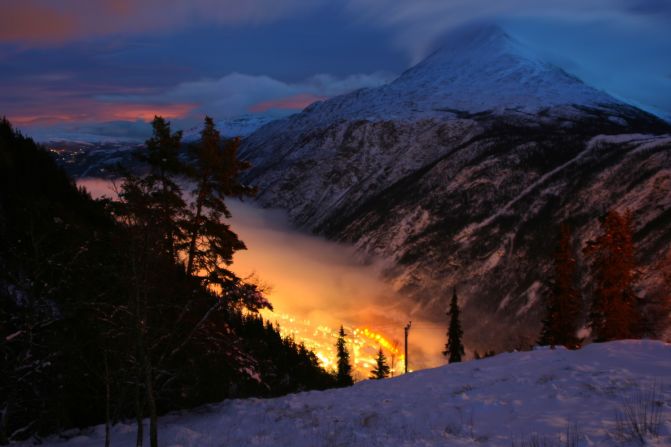
<strong>Rjukan-Notodden Industrial Heritage Site, Norway.</strong> Norway's Rjukan-Notodden site exhibits "an exceptional combination of industrial assets and themes associated to the natural landscape," UNESCO says. The complex was designed to make artificial fertilizer from nitrogen in the air, while housing works and social institutions with links by rail and ferry to the country's ports. And it was built in a stunning landscape featuring valleys, waterfalls and mountains.
Rjukan-Notodden Industrial Heritage Site, Norway. Norway's Rjukan-Notodden site exhibits "an exceptional combination of industrial assets and themes associated to the natural landscape," UNESCO says. The complex was designed to make artificial fertilizer from nitrogen in the air, while housing works and social institutions with links by rail and ferry to the country's ports. And it was built in a stunning landscape featuring valleys, waterfalls and mountains.
Courtesy UNESCO
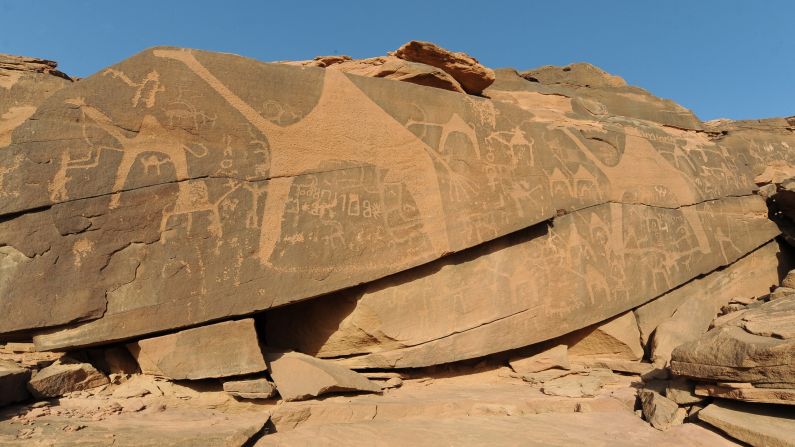
<strong>Rock Art in the Hail Region of Saudi Arabia: </strong>This site includes two components situated in a desert landscape: Jabel Umm Sinman at Jubbah and the Jabal al-Manjor and Raat at Shuwaymis. A lake once situated at the foot of the Umm Sinman hill range that has now disappeared used to be a source of fresh water for people and animals in the southern part of the Great Narfoud Desert. The ancestors of today's Arab populations have left traces of their passages in numerous petroglyphs and inscriptions on the rock face. Jabal al-Manjor and Raat form the rocky escarpment of a wadi now covered in sand.
Rock Art in the Hail Region of Saudi Arabia: This site includes two components situated in a desert landscape: Jabel Umm Sinman at Jubbah and the Jabal al-Manjor and Raat at Shuwaymis. A lake once situated at the foot of the Umm Sinman hill range that has now disappeared used to be a source of fresh water for people and animals in the southern part of the Great Narfoud Desert. The ancestors of today's Arab populations have left traces of their passages in numerous petroglyphs and inscriptions on the rock face. Jabal al-Manjor and Raat form the rocky escarpment of a wadi now covered in sand.
Courtesy UNESCO
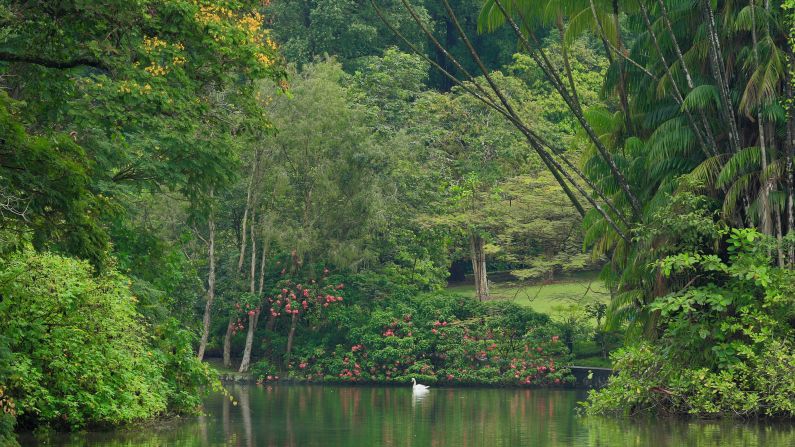
<strong>Singapore Botanical Gardens, Singapore. </strong>Located in the heart of Singapore, Singapore Botanical Gardens shows the evolution of a British tropical colonial botanic garden. Now a scientific institution focused on conservation and education, the site includes historic buildings and plants that have evolved since the gardens were created in 1859. The garden's Swan Lake is shown here.
Singapore Botanical Gardens, Singapore. Located in the heart of Singapore, Singapore Botanical Gardens shows the evolution of a British tropical colonial botanic garden. Now a scientific institution focused on conservation and education, the site includes historic buildings and plants that have evolved since the gardens were created in 1859. The garden's Swan Lake is shown here.
Singapore Botanic Gardens
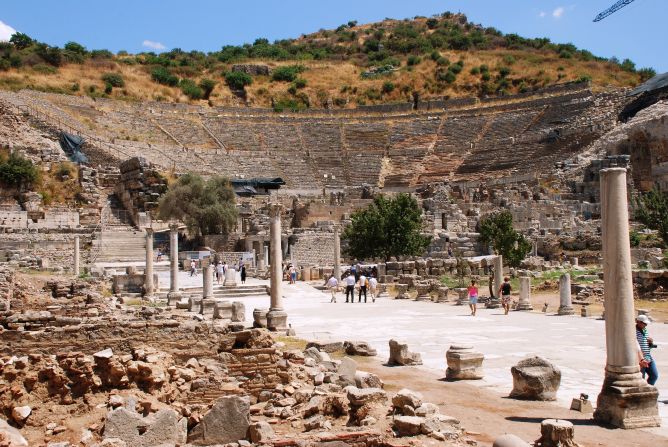
<strong>Ephesus, Turkey. </strong>Ephesus has hosted successive Hellenistic and Roman settlements in new locations as the River Kaystros coastline moved westward. Archaeological digs have uncovered the Library of Celsus and the Great Theatre and other Roman Imperial period structures. It's also home to the little bit that's left of the famous Temple of Artemis, one of the "Seven Wonders of the World." The nearby House of the Virgin Mary has become major Christian pilgrimage stop since the fifth century. "The Ancient City of Ephesus is an outstanding example of a Roman port city, with sea channel and harbour basin," says UNESCO.
Ephesus, Turkey. Ephesus has hosted successive Hellenistic and Roman settlements in new locations as the River Kaystros coastline moved westward. Archaeological digs have uncovered the Library of Celsus and the Great Theatre and other Roman Imperial period structures. It's also home to the little bit that's left of the famous Temple of Artemis, one of the "Seven Wonders of the World." The nearby House of the Virgin Mary has become major Christian pilgrimage stop since the fifth century. "The Ancient City of Ephesus is an outstanding example of a Roman port city, with sea channel and harbour basin," says UNESCO.
Courtesy UNESCO
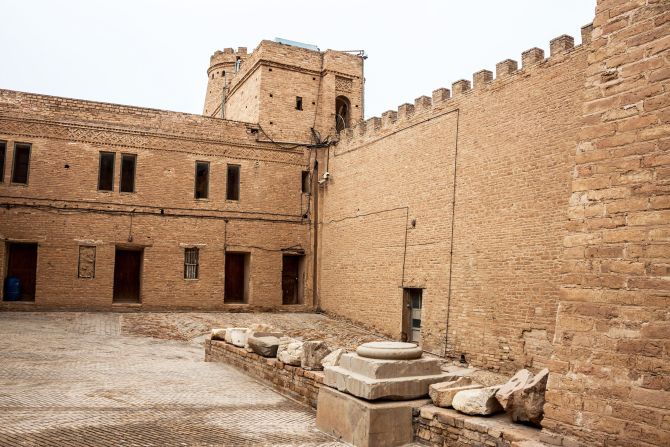
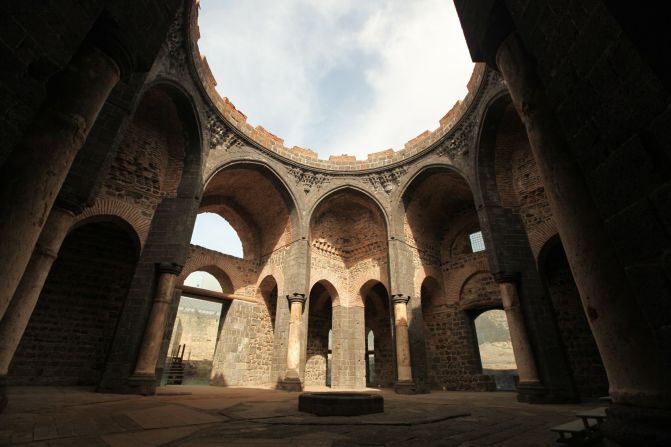
<strong>Diyarbakir Fortress and Hevsel Gardens Cultural Landscape, Turkey. </strong>Diyarbakir, a fortified city located near the Upper Tigris River Basin, and the landscape around it have served as a strategic center from the Hellenistic period, through "Roman, Sassanid, Byzantine, Islamic and Ottoman times to the present," UNESCO says. The site includes a treasure trove of history: the Amida Mound (also known as İçkale or inner castle); the 5.8-kilometer-long city walls of Diyarbakir and their numerous towers, gates and buttresses; and "63 inscriptions from different periods, as well as Hevsel Gardens, a green link between the city and the Tigris that supplied the city with food and water."
Diyarbakir Fortress and Hevsel Gardens Cultural Landscape, Turkey. Diyarbakir, a fortified city located near the Upper Tigris River Basin, and the landscape around it have served as a strategic center from the Hellenistic period, through "Roman, Sassanid, Byzantine, Islamic and Ottoman times to the present," UNESCO says. The site includes a treasure trove of history: the Amida Mound (also known as İçkale or inner castle); the 5.8-kilometer-long city walls of Diyarbakir and their numerous towers, gates and buttresses; and "63 inscriptions from different periods, as well as Hevsel Gardens, a green link between the city and the Tigris that supplied the city with food and water."
Diyarbakır Metropolitan Municipality/Courtesy UNESCO
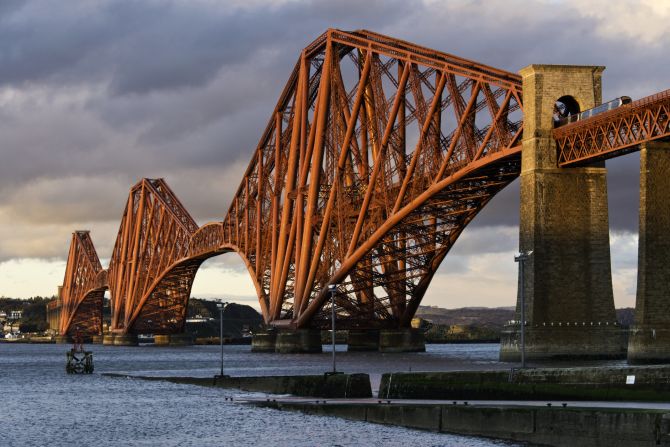
<strong>The Forth Bridge, United Kingdom: </strong>The world's longest multispan cantilever bridge, the Forth railway bridge spans the Forth River estuary in Scotland. Opened in 1890, it's still a working bridge, carrying passengers and freight. Known for its "forthright and unadorned display of its structural components," UNESCO calls it "Innovative in style, materials and scale ... (and) an important milestone in bridge design and construction during the period when railways came to dominate long-distance land travel."
The Forth Bridge, United Kingdom: The world's longest multispan cantilever bridge, the Forth railway bridge spans the Forth River estuary in Scotland. Opened in 1890, it's still a working bridge, carrying passengers and freight. Known for its "forthright and unadorned display of its structural components," UNESCO calls it "Innovative in style, materials and scale ... (and) an important milestone in bridge design and construction during the period when railways came to dominate long-distance land travel."
Courtesy UNESCO
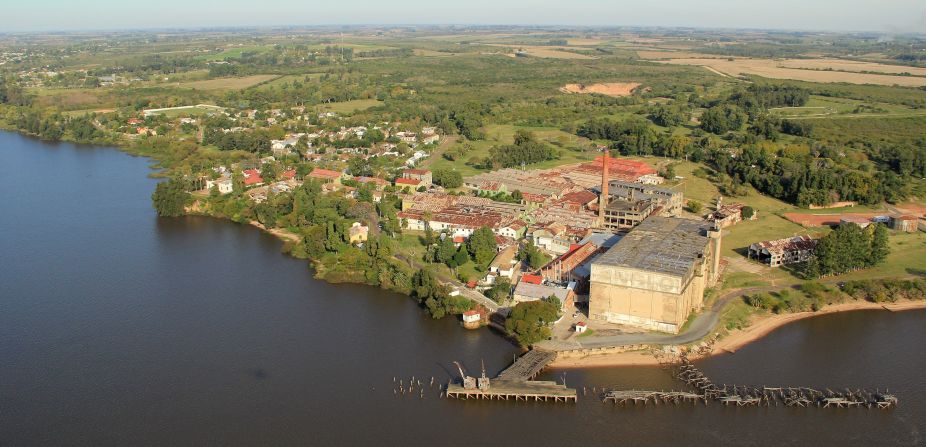
<strong>Fray Bentos Cultural-Industrial Landscape, Uruguay.</strong> The 1859 construction of a meat-processing factory started an industrial complex on land near the Uruguay River, west of the Uruguayan town of Fray Bentos. The site, which illustrates the full scope of meat processing, includes the buildings and equipment of two meat processors that exported meat to Europe.
Fray Bentos Cultural-Industrial Landscape, Uruguay. The 1859 construction of a meat-processing factory started an industrial complex on land near the Uruguay River, west of the Uruguayan town of Fray Bentos. The site, which illustrates the full scope of meat processing, includes the buildings and equipment of two meat processors that exported meat to Europe.
Courtesy UNESCO
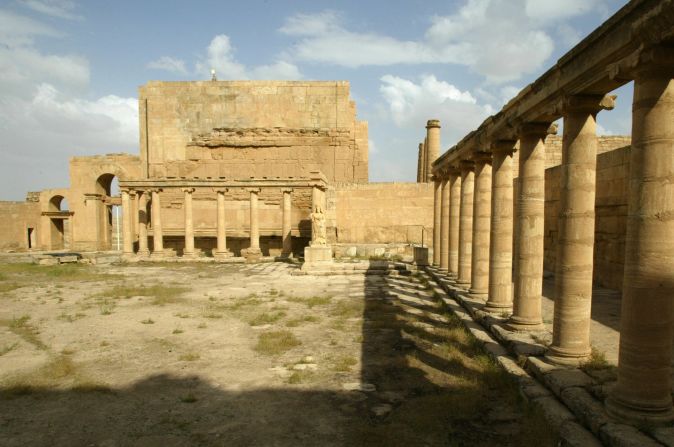
<strong>Endangered: Hatra, Iraq.</strong> A large fortified city in what is now northwest Iraq, Hatra is one of three sites named in 2015 to the List of World Heritage in Danger. The site was named to UNESCO's World Heritage List in 1985. Hatra became powerful due to the Parthian Empire's influence and served as the capital of the first Arab Kingdom. Though Hatra survived Roman invasions in A.D. 116 and 198, the ancient city with its mix of Hellenistic and Roman architecture may not survive the current violence in Iraq.
Endangered: Hatra, Iraq. A large fortified city in what is now northwest Iraq, Hatra is one of three sites named in 2015 to the List of World Heritage in Danger. The site was named to UNESCO's World Heritage List in 1985. Hatra became powerful due to the Parthian Empire's influence and served as the capital of the first Arab Kingdom. Though Hatra survived Roman invasions in A.D. 116 and 198, the ancient city with its mix of Hellenistic and Roman architecture may not survive the current violence in Iraq.
PHILIPPE DESMAZES/AFP/Getty Images
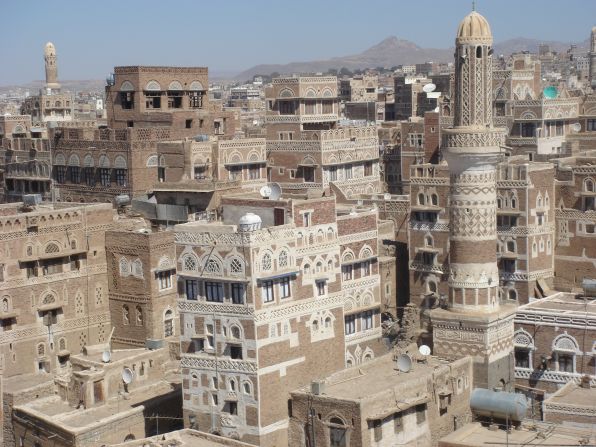
<strong>Endangered: Old City of Sana'a, Yemen.</strong> Yemen's Old City of Sana'a (shown here) and the Old Walled City of Shibam were also named to the List of World Heritage in Danger. Sana'a, whose al-Mahdi Mosque dates to the 12th century, and its surrounding neighborhood have been seriously damaged in armed conflict. The Old Walled City of Shibam, which dates to the 16th century and is an excellent example of vertical construction, is also under threat from the current conflict.

Endangered: Old City of Sana'a, Yemen. Yemen's Old City of Sana'a (shown here) and the Old Walled City of Shibam were also named to the List of World Heritage in Danger. Sana'a, whose al-Mahdi Mosque dates to the 12th century, and its surrounding neighborhood have been seriously damaged in armed conflict. The Old Walled City of Shibam, which dates to the 16th century and is an excellent example of vertical construction, is also under threat from the current conflict.
Maria Gropa/UNESCO

My Account
  • Settings
  • Newsletters
  • Topics you follow
  • Sign out
Your CNN account Sign in to your CNN account

Live TV Listen Watch
  • World
    • Africa
    • Americas
    • Asia
    • Australia
    • China
    • Europe
    • India
    • Middle East
    • United Kingdom
  • US Politics
    • Trump
    • Facts First
    • CNN Polls
    • Elections 2026
    • Redistricting Tracker
    • Epstein Files
  • Business
    • Tech
    • Media
    • Calculators
    • Videos
  • Markets
    • Pre-markets
    • After-Hours
    • Fear & Greed
    • Investing
  • Health
    • Life, But Better
    • Fitness
    • Food
    • Sleep
    • Mindfulness
    • Relationships
  • Entertainment
    • Movies
    • Television
    • Celebrity
  • Tech
    • Innovate
  • Style
    • Arts
    • Design
    • Fashion
    • Architecture
    • Luxury
    • Beauty
    • Video
  • Travel
    • Destinations
    • Food & Drink
    • Stay
    • News
    • Videos
  • Sports
    • Football
    • Tennis
    • Golf
    • Motorsport
    • US Sports
    • Olympics
  • Science
    • Space
    • Life
    • Unearthed
  • Climate
    • Solutions
    • Weather
  • Weather
    • Video
    • Climate
  • Ukraine-Russia War
  • Israel-Hamas War
  • Features
    • As Equals
    • Call to Earth
    • Freedom Project
    • Impact Your World
    • Inside Africa
    • CNN Heroes
  • Watch
    • Live TV
    • Featured
    • CNN Headlines
    • Shows A-Z
    • CNN 10
    • CNN TV Schedule
  • Listen
    • All There Is with Anderson Cooper
    • Chasing Life with Dr. Sanjay Gupta
    • The Assignment with Audie Cornish
    • Terms of Service with Clare Duffy
    • CNN 5 Things
    • All CNN Podcasts
  • Games
    • Daily Crossword
    • Jumble Crossword
    • Photo Shuffle
    • Sudoblock
    • Sudoku
    • 5 Things Quiz
  • About CNN
    • Photos
    • Investigations
    • CNN Profiles
    • CNN Leadership
    • CNN Newsletters
    • Work for CNN

Watch Listen Live TV
My Account
  • Settings
  • Newsletters
  • Topics you follow
  • Sign out
Your CNN account Sign in to your CNN account
Follow CNN Travel

Download the CNN app

Terms of Use Privacy Policy Ad Choices Accessibility & CC About Newsletters Transcripts Sitemap

© 2026 Cable News Network. A Warner Bros. Discovery Company. All Rights Reserved.
CNN Sans ™ & © 2016 Cable News Network.

Download the CNN app

Scan the QR code to download the CNN app on Google Play.

Scan the QR code to download the CNN app from Google Play.

Download the CNN app

Scan the QR code to download the CNN app from the Apple Store.

Scan the QR code to download the CNN app from the Apple Store.