At South Korea’s Ulleungdo island, find a beautiful getaway
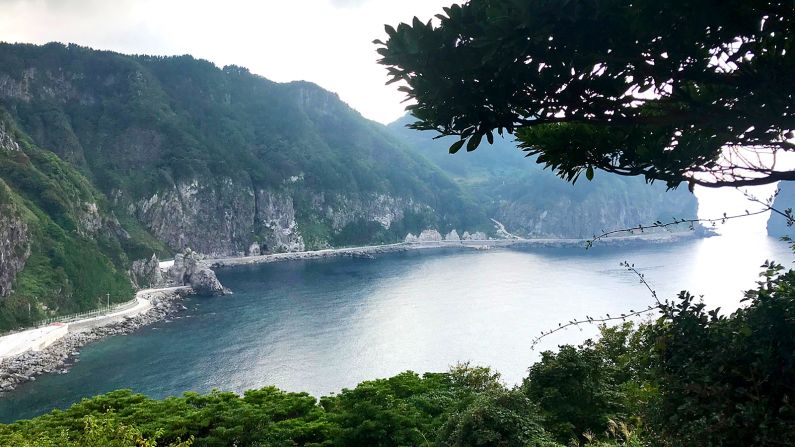
South Korea's Ulleungdo: Home to towering volcanic peaks, fascinating rock formations, cedar wood forests, juniper trees and a few tiny fishing villages, Ulleungdo is considered South Korea's most spiritual destination.
courtesy Kate Springer
Gaining international tourists: A volcanic island in the middle of Korea's East Sea, remote Ulleungdo island has long been a popular travel destination among nature-loving South Koreans. But foreigners are just now catching on.
courtesy Kate Springer
Mystery Island: Nicknamed Mystery Island for its mystical energy, Ulleungdo is believed to have been formed following volcanic eruptions over 2.5 million years ago.
courtesy Kate Springer
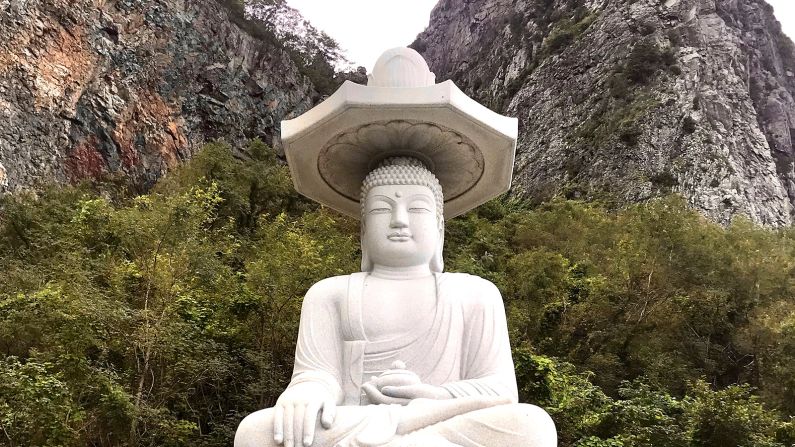
Sacred island: "Ulleungdo is known to be a sacred island where rich energy of the land and clear energy of the sky meet," explains Jang Yunhee, a local guide from Toursungingbong.
courtesy Kate Springer
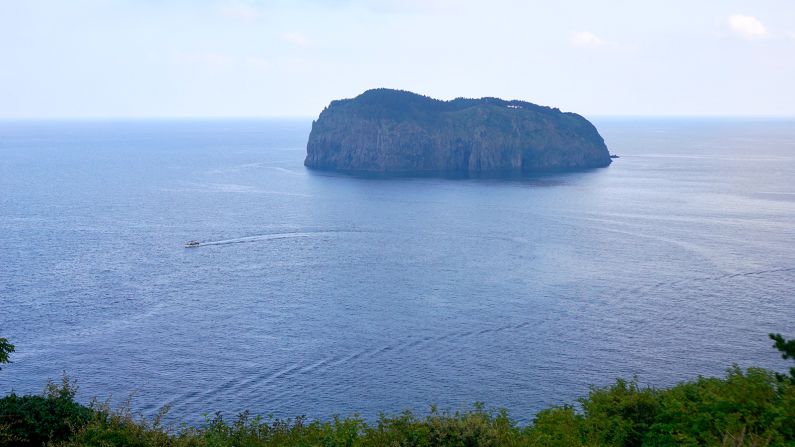
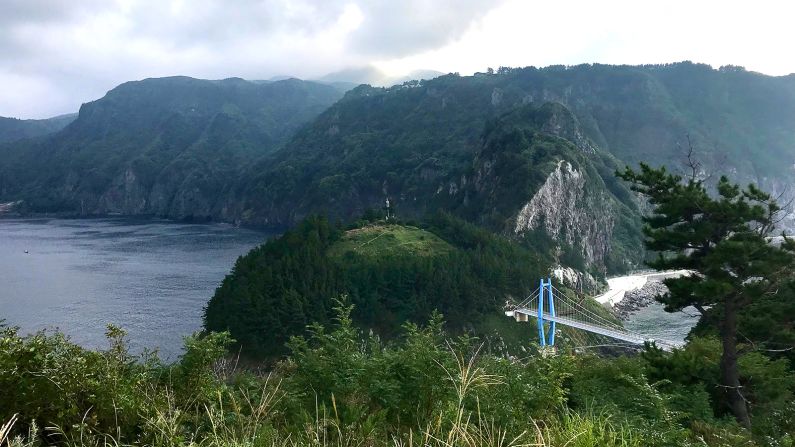
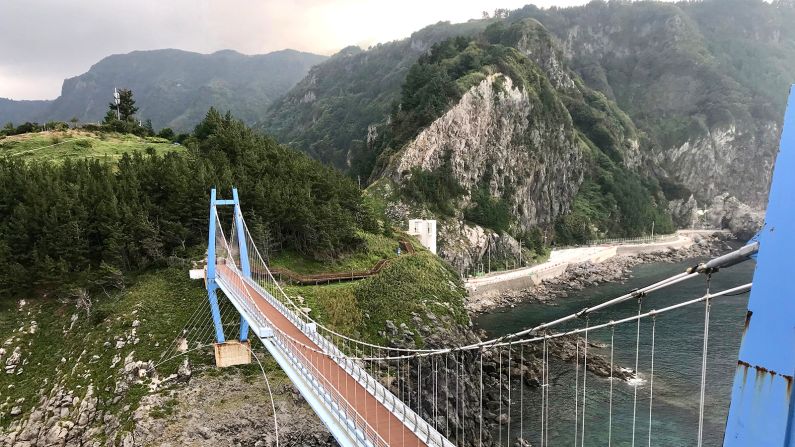
Gwaneum Island: One of the best ways to explore Ulleungdo is with an easy coastal walk, such as the Gwaneum Island hiking trail.
courtesy Kate Springer
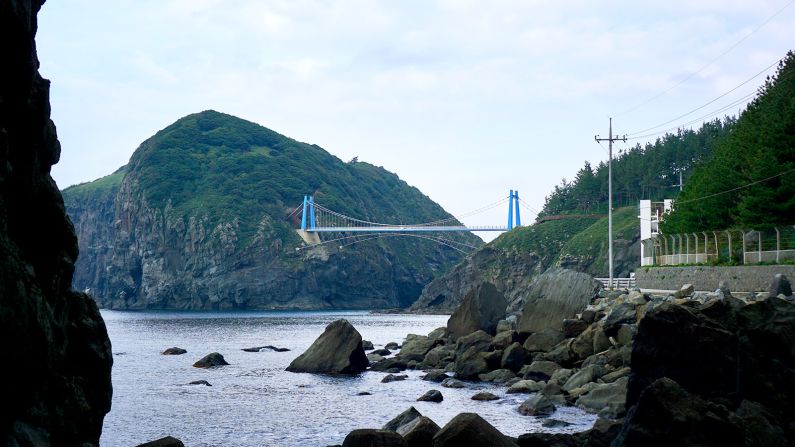
Gwaneum Island hiking trail: The one-hour walk takes travelers over a bright blue pedestrian suspension bridge to an outlying island called Gwaneumdo.
courtesy Kate Springer
The island's highest peak: For more experienced hikers, a trek up to Seonginbong -- the island's highest peak at 3,228 feet -- promises a huge payoff on a clear day.
courtesy Kate Springer
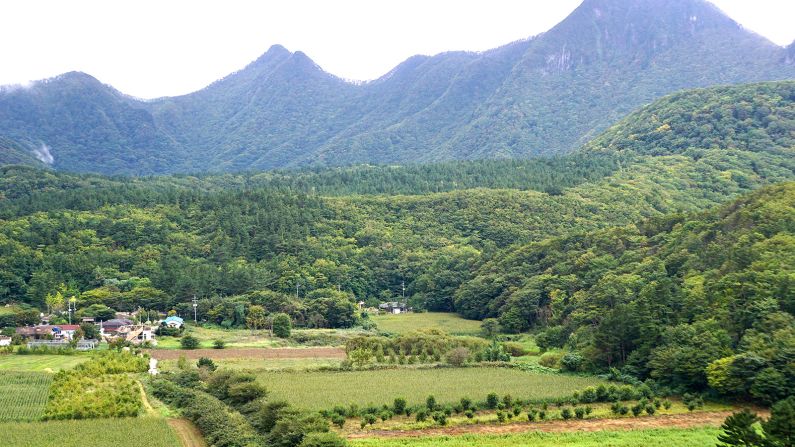
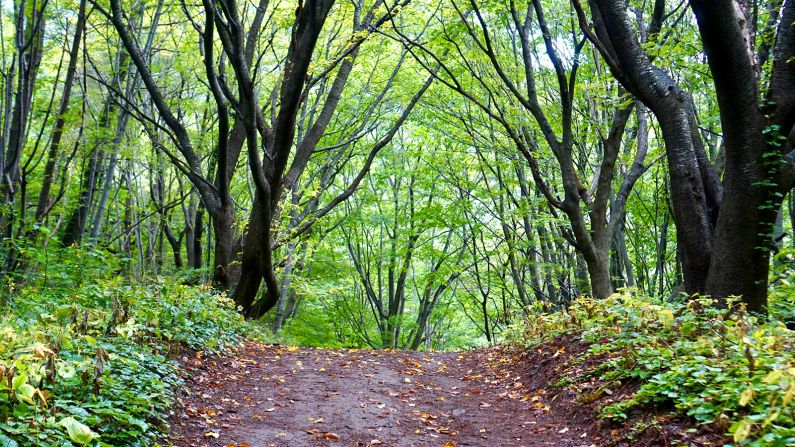
Nari Basin Forest Trail: Of the many ways to reach Seonginbong, Jang recommends a walk along the Nari Basin Forest Trail, part of the Nari Basin Geopark.
courtesy Kate Springer
One of the most beautiful walks: "Gwaneumdo offers one of most beautiful walks in Ulleungdo. It is covered with reed forest," says Jang.
courtesy Kate Springer
What to eat: This is a land of superlative seafood, so we'd recommend eating as much as possible during your visit.
courtesy Kate Springer
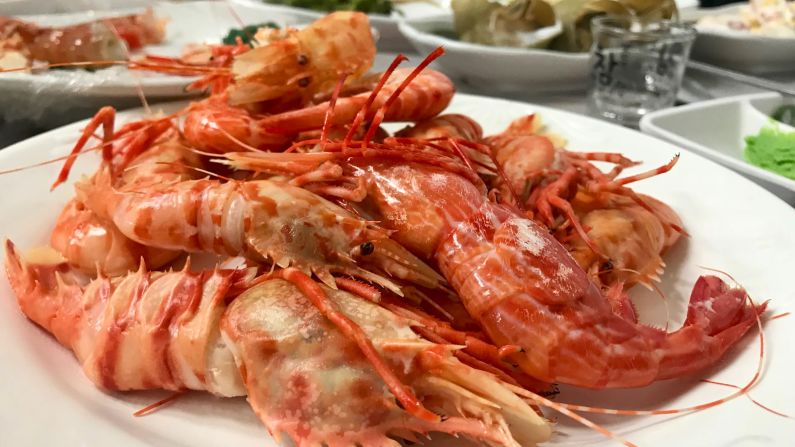
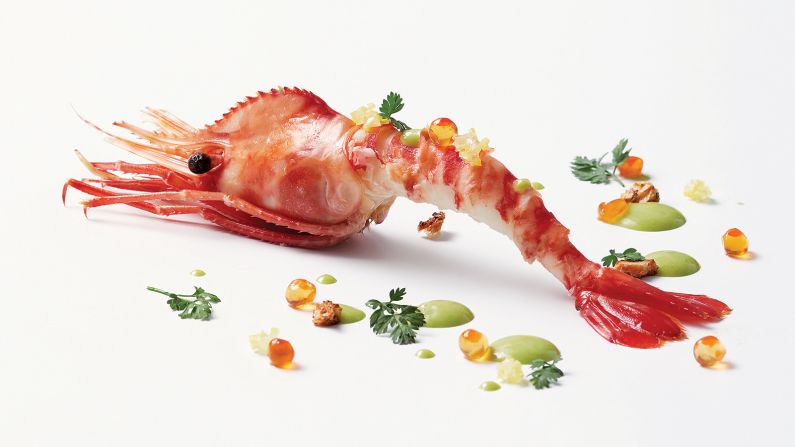
Three famous shrimps: If budget is no obstacle, you can try all three kinds of Dokdo shrimp: Chicken Shrimp, Flower Shrimp and Peach Flower shrimp, which is the rarest.
Healing Stay Kosmos
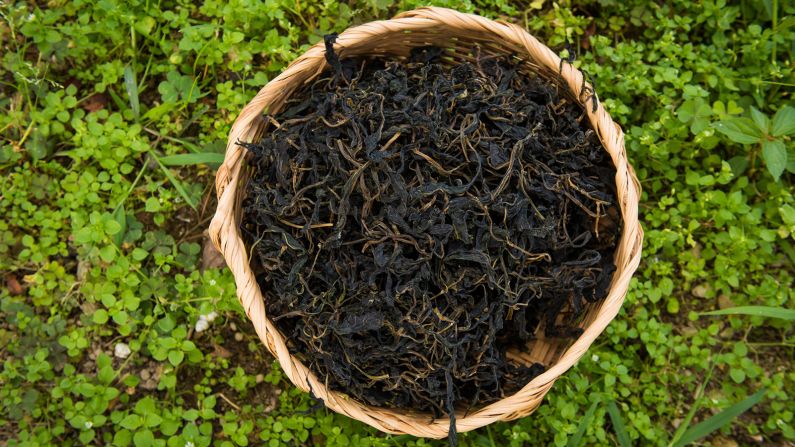
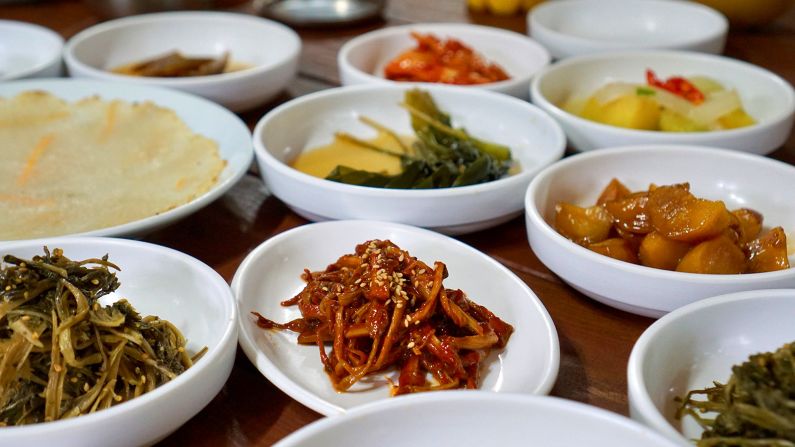
Mountain greens: "Ulleungdo gets more snow than any other part of Korea, but these mountain vegetables still thrive here," says Jang. "As a result, they absorb rich minerals from the wind, sea and volcanic soil."
Healing Stay Kosmos
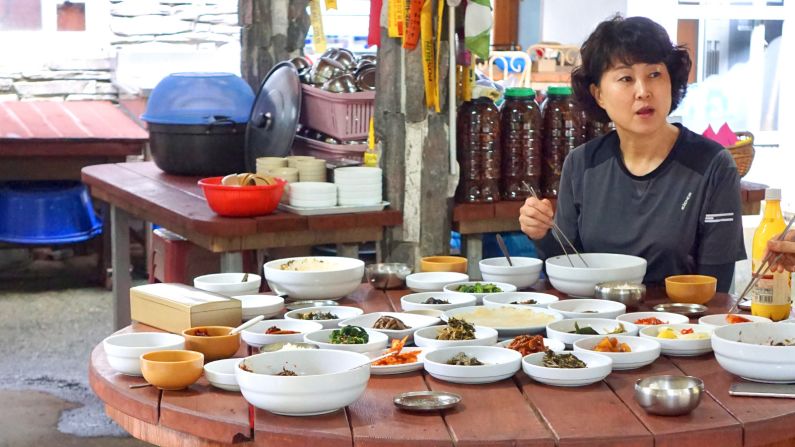
Yayeongjang Sikdang: For those curious about these fibrous herbs and vegetables, Jang suggests lunch at Yayeongjang Sikdang. The open-air cafe sits at the entrance of the Nari Basin Forest Trail, so visitors can sit down for a leisurely san-namul (mountain herb) lunch after a hike.
courtesy Kate Springer
Vegetables heaven: The vegetables are typically served in tiny white bowls, alongside warm rice, deodeok-root pancakes, seaweed soup and pumpkin rice wine.
courtesy Kate Springer
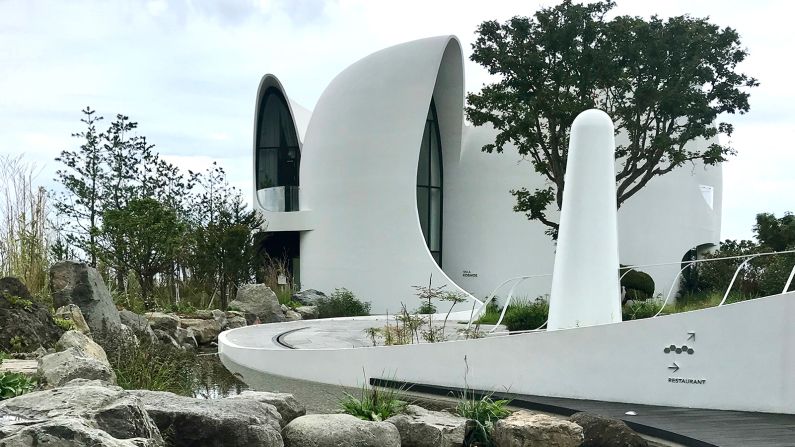
Where to Stay: The island is full of tiny guest houses and a few resorts, but recently opened KOSMOS Healing Stay is by far the most visually striking.
courtesy Kate Springer
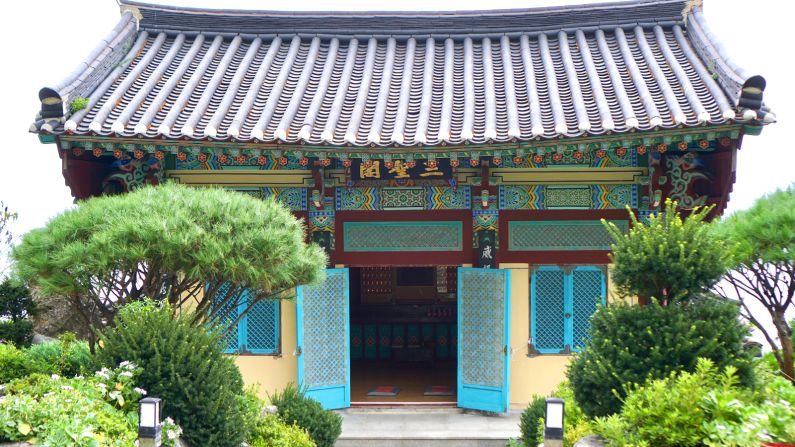
Chusan-ilga Pension: For something a little more rustic, travelers can check into the Chusan-ilga Pension, a traditional-looking wooden guesthouse that sits on a cliff above the sea.