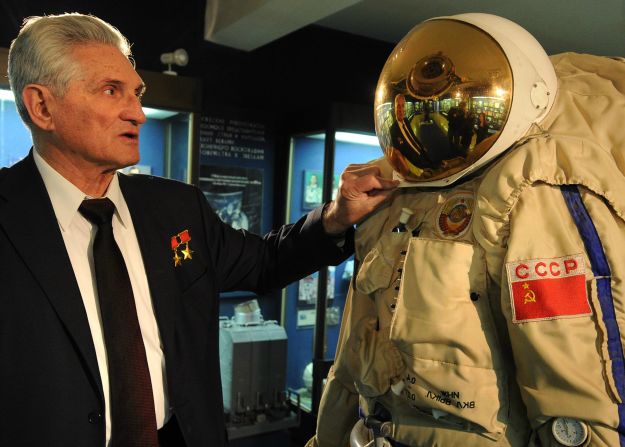
Former Soviet cosmonaut Boris Volynov, a contemporary of Yuri Gagarin, the first human in space, inspects a space suit at Moscow's Museum of Cosmonautics.
AFP/Getty Images
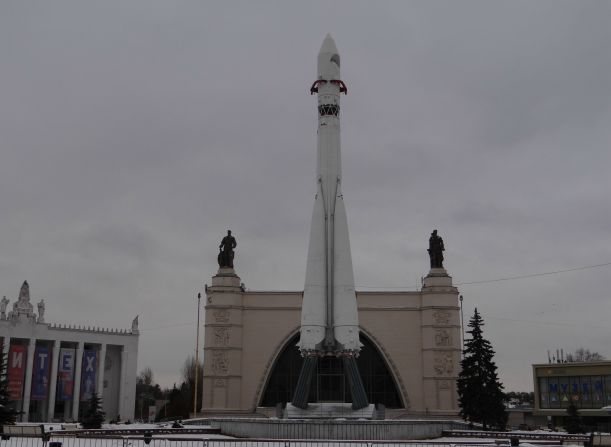
Museum of Cosmonautics —
The space race was one of the Cold War's most bitterly fought rivalries. As well as putting the first human into orbit, the Soviet Union can lay claim to putting the first satellite into space, Sputnik.
Miquel Ros, CNN
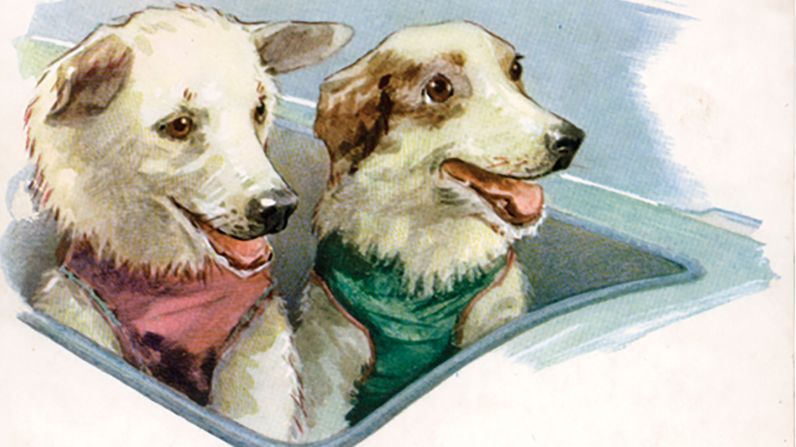
Canine heroes —
Among the more unusual exhibits at the Museum of Cosmonautics are the stuffed remains of Belka and Strelka, the first animals to return alive from space.
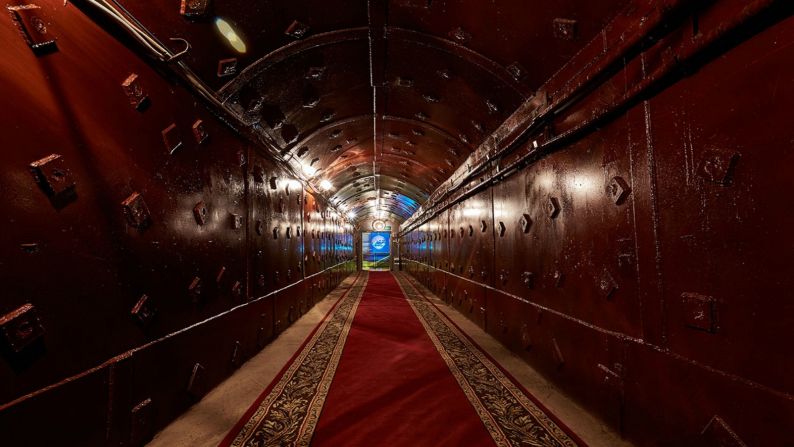
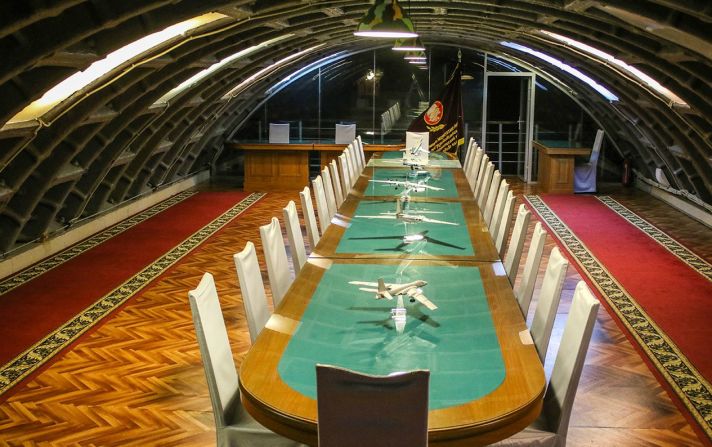
Tangansky Protected Command Point, commonly known as Bunker 42, is an underground complex so vast it resembles a subterranean city.
Courtesy Bunker 42
Bunker 42 —
Some 65 meters below Moscow's streets, the 7000-square-meter facility was designed as a command center for the Soviet air force's long-distance strike force.
Bunker 42 —
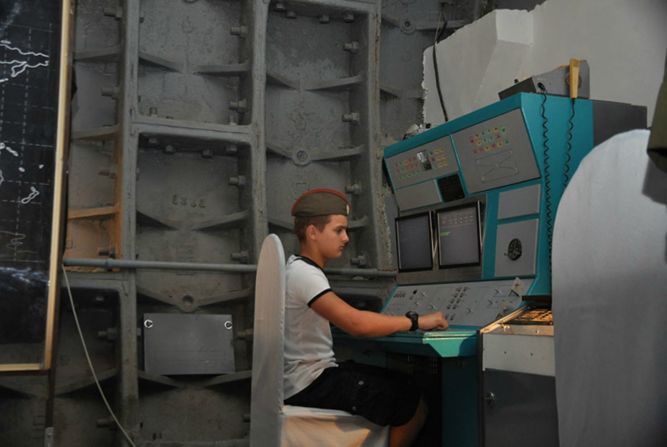
A tourist sits at the electronic command post in the complex. Construction began in 1951, when nuclear tensions were at their height. It was capable of withstanding a nuclear missile attack.
Courtesy Bunker 42
Monino Aviation Museum —
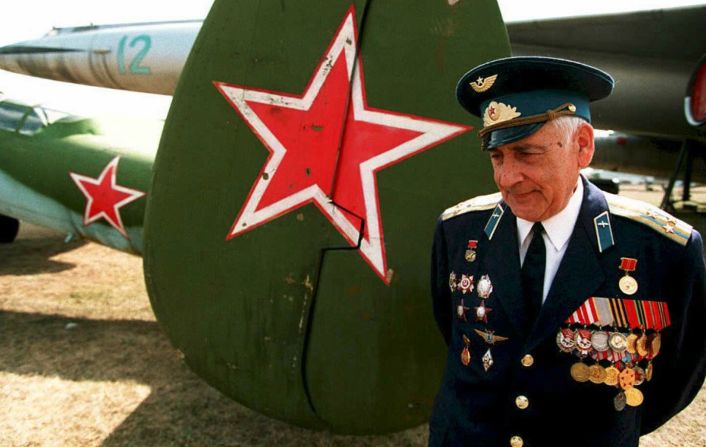
Veteran Vladimir Yermakov stands next to a TU-2 bomber, an airplane he flew during World War II and which is now on display at the Monino Aviation Museum near Moscow.
AFP/Getty Images
Monino Aviation Museum —
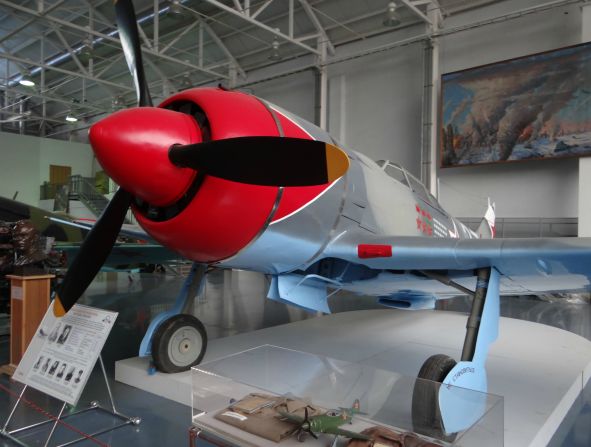
Soviet fighter aircraft were often of revolutionary design and airplanes such as this Polikarpov were among the first monoplanes with retractable landing gear.
Miquel Ros\CNN
Monino Aviation Museum —
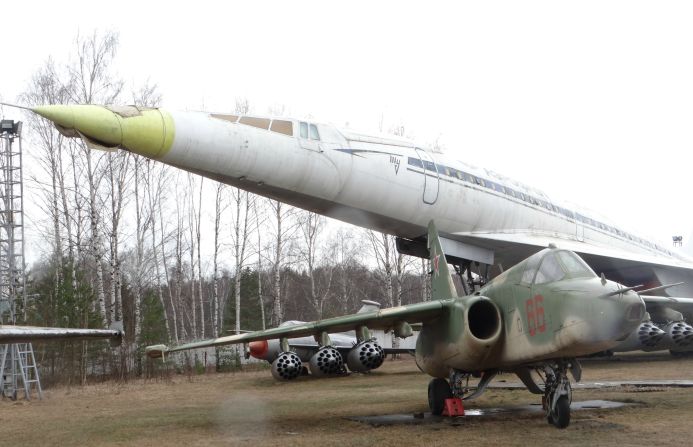
The supersonic Tupolev Tu-144 airliner -- on display in the outdoor section of the museum -- was known as the Soviet Concorde.
Miquel Ros/CNN
Monino Aviation Museum —
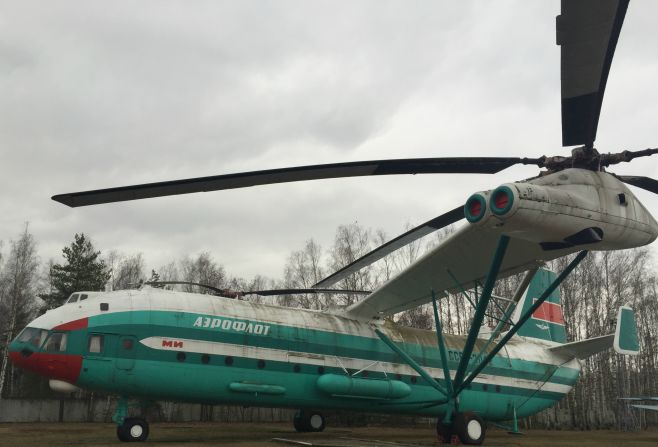
The Mil V-12, the largest helicopter ever built, is one of the many Cold War flying marvels on display at the aviation museum.
Miquel Ros\CNN
The Ekranoplan —
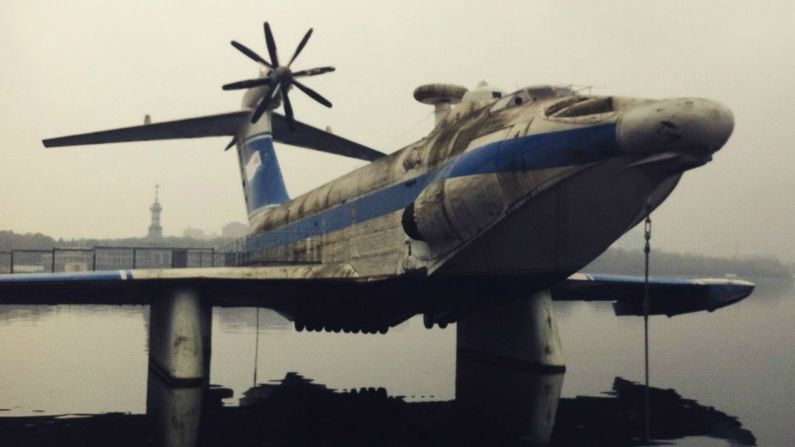
This hybrid between a boat and an airplane -- on display at the Naval Museum -- used the aerodynamic forces of the ground effect to skim above the water at speeds in excess of 400 kph.