Lesser-known Trans-Siberian journeys —
Spanning eight time zones and 5,000 miles of track, the Trans-Siberian Railway celebrates its 100th year in 2016. Beyond the classic sites along the Moscow-Vladivostok route are lesser-known corners and detours.
Multiple routes —
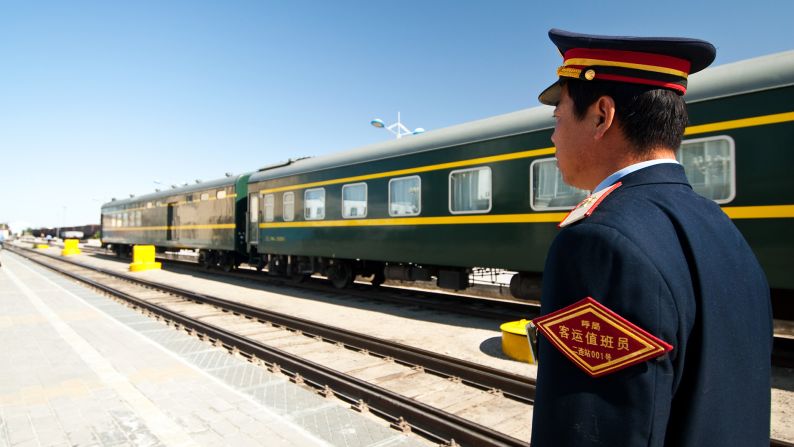
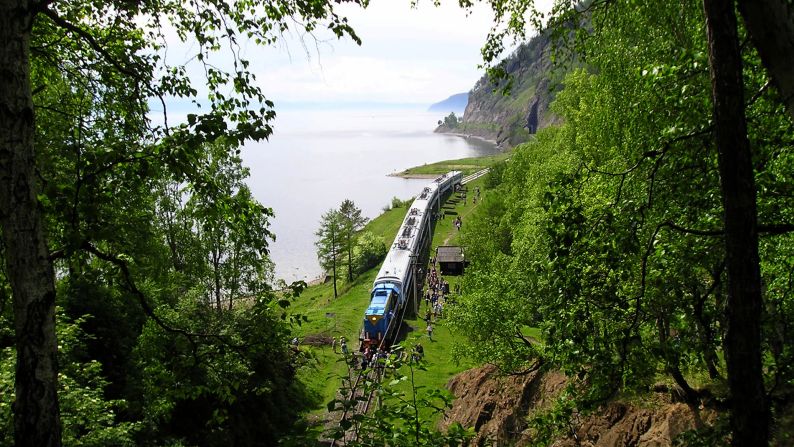
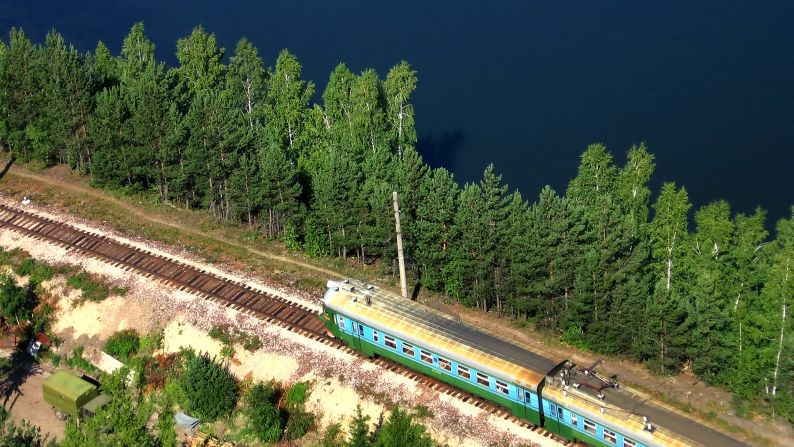
The Trans-Siberian is actually an umbrella term for a variety of routes that commence in Moscow. As well as the "classic" Moscow to Vladivostok route, there's a Trans-Mongolian and a Trans-Manchurian line.

Lesser-known cities —
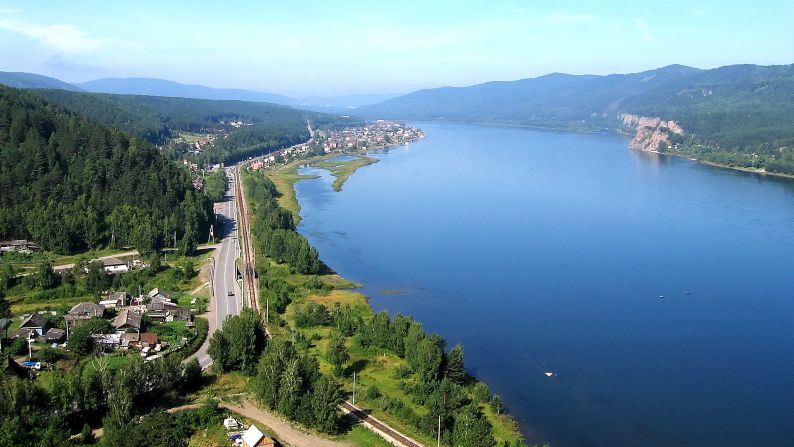
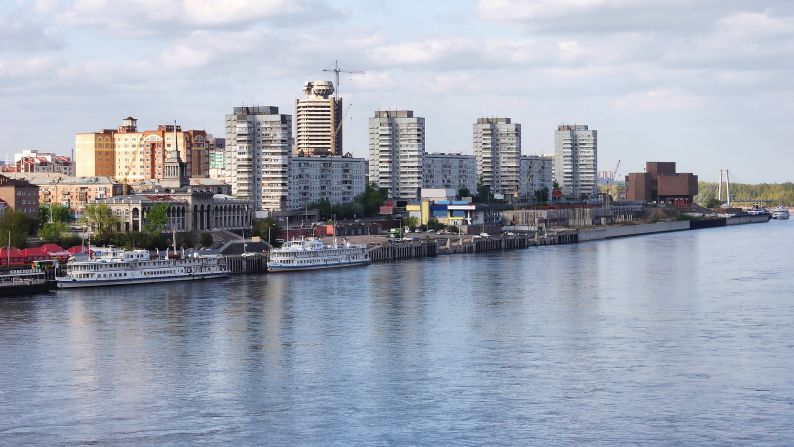
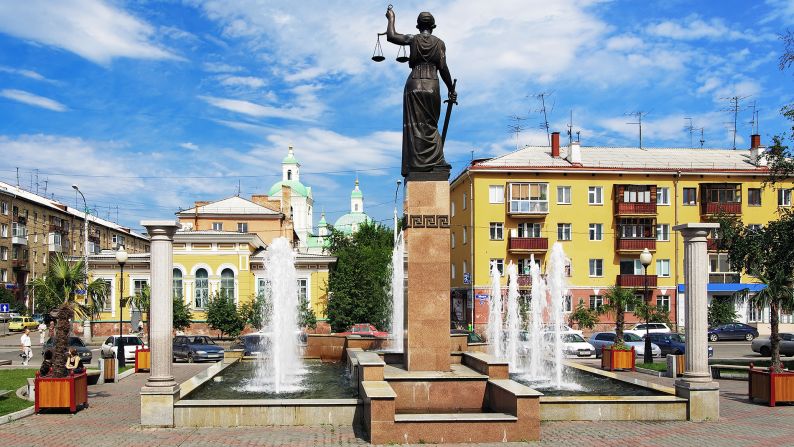
Stops like Krasnoyarsk (in the picture) and Yekaterinburg are lesser-known cities along the Trans-Siberia route. Both are rewarding stopover destinations.

Krasnoyarsk —
Closed to outsiders until nearly a decade after the fall of the USSR due to its nuclear reactors, Krasnoyarsk is overlooked by many Trans-Sib travelers who stay on the train until Lake Baikal.

Underrated —
Krasnoyarsk's center is a beguiling combination of Soviet tidiness and Tsarist era timber wooden mansions.

Ulan Ude —
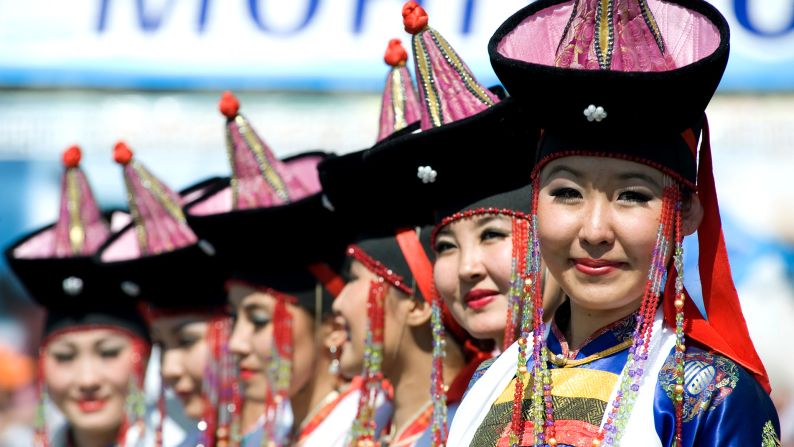
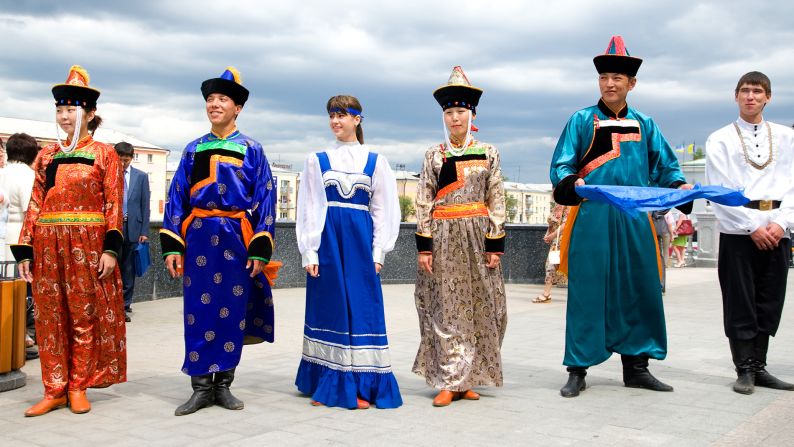
The capital of the Buryat region, Ulan Ude provides a strong taste of Mongolia with its Buddhist temples and narrow side streets.

Red Ude —
With a population of more than 400,000, Ulan Ude is one of the biggest cities in Siberia. Translated as Red Ude because of its communist influence, Ulan Ude is home to the world's biggest Lenin bust statue.

The BAM Line —
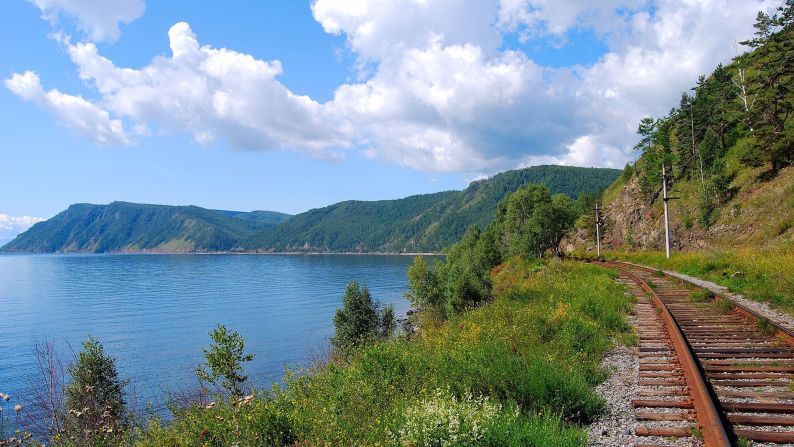
Running for 2,300 miles, the BAM line's journey heads through pristine taiga forest, marshes and deserted villages, offering a different view of Siberia.

A challenging project —
Only completed in the early 1990s, the Baikal-Amur Line took three attempts and half a century to finish. Only a handful of trains now make a tortoise-paced journey on what was intended to be an alternative route from Lake Baikal to the Pacific coast. 
Luxury option —
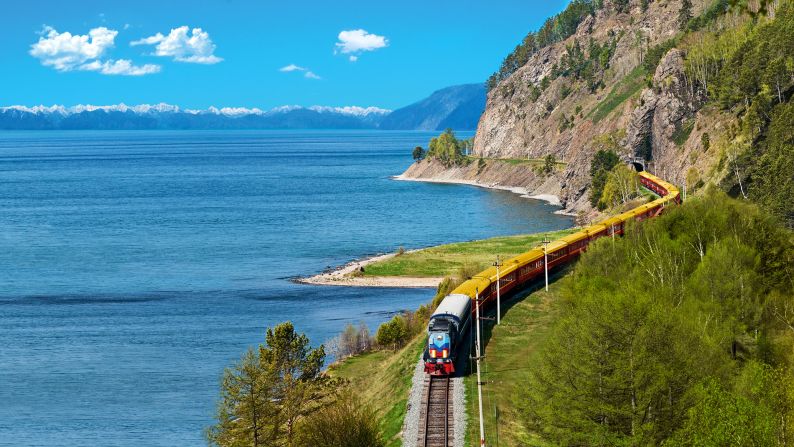
The Tsar's Gold is a 160-passenger luxury train tour that runs for 16 days in summer months. Carriages are decorated in Tsarist style drapes and blankets. Chandelier-lit four-course dinners are served on board.