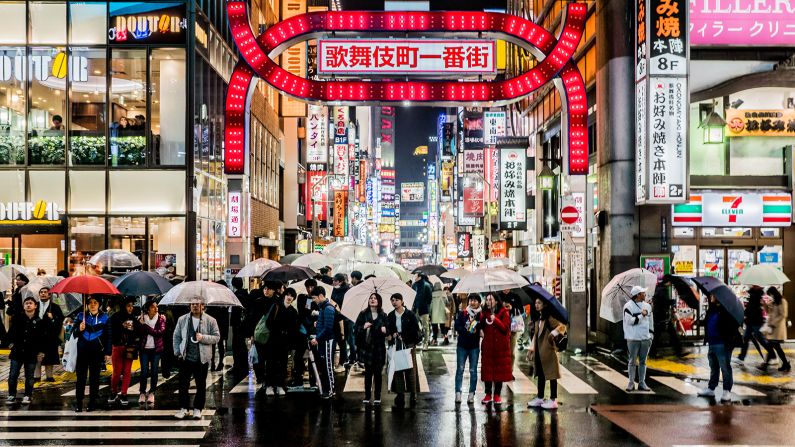
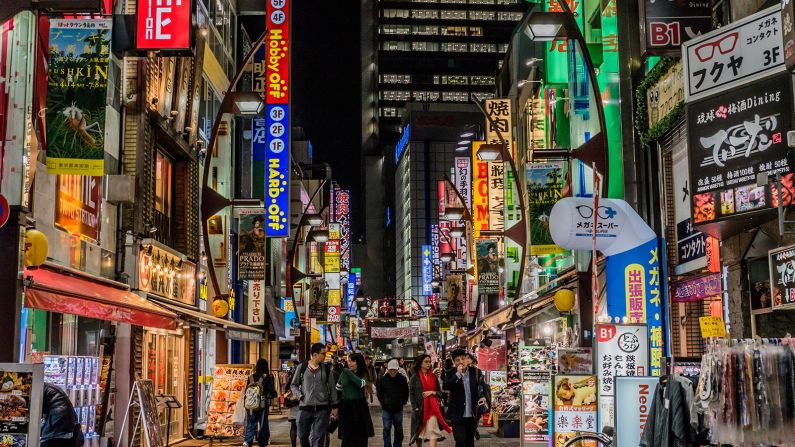
Shinjuku City: Tokyo's Shinjuku district is home to the city's largest central entertainment zone, Kabukichō.
Joshua Mellin
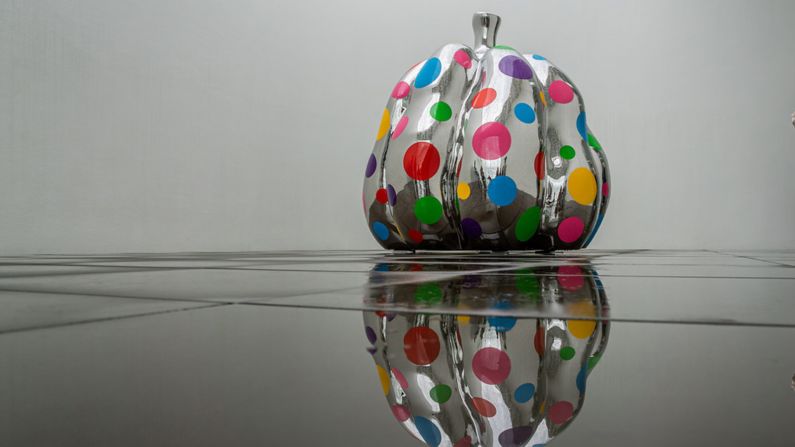
Kusama Museum: Opened in 2017, The Yayoi Kusama Museum, also located in Shinjuku, presents major works from the legendary artist's earlier years up until present day.
Joshua Mellin
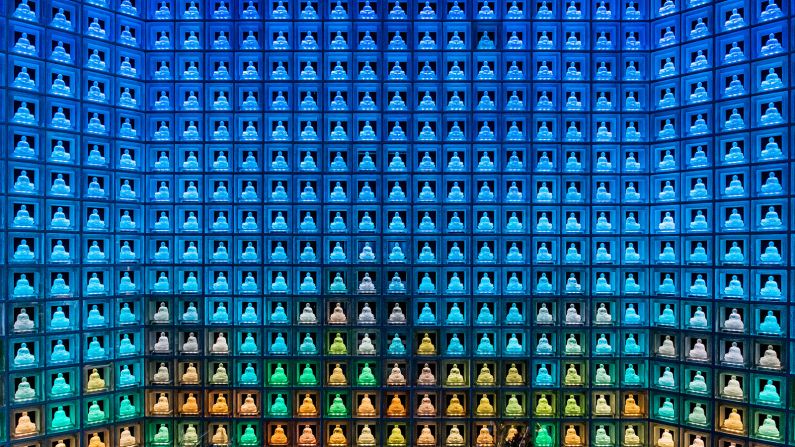
Ruriden columbarium: Adjacent to the seemingly quaint Koukokuji Buddhist temple, this mausoleum's wooden doors open to reveal 2,046 LED-lit glass Buddhas -- all corresponding to ashes of the deceased entombed there.
Joshua Mellin
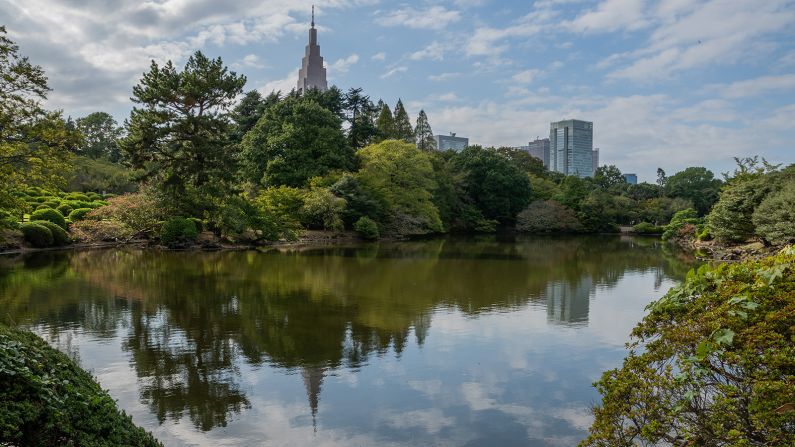
Shinjuku Gardens: Shinjuku Gyoen National Garden is one of Tokyo's largest and most peaceful parks. A private garden of the Imperial Family since 1903, it was opened to the public in 1949.
Joshua Mellin
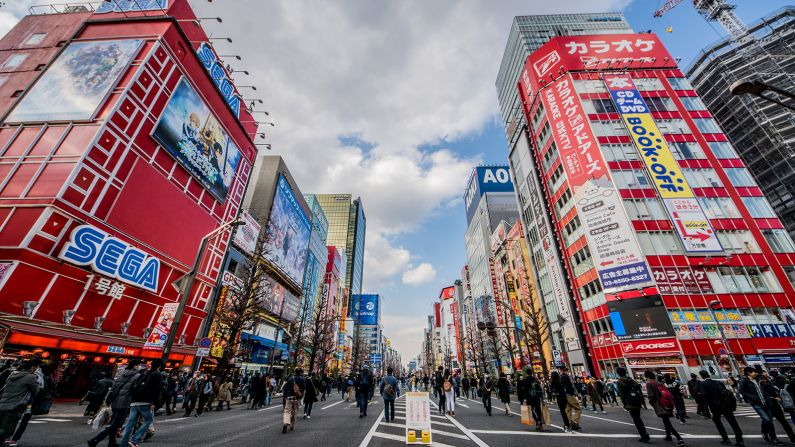
Akihabara: Akihabara, aka Electric Town, is the center of anime and video game culture in Tokyo.
Joshua Mellin
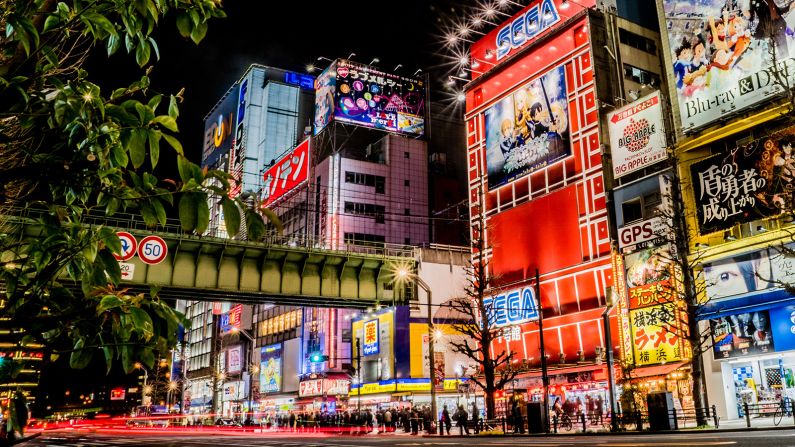
Akihabara Electric Town: A high concentration of manga, model and trading card shops can be found surrounding the arcades.
Joshua Mellin
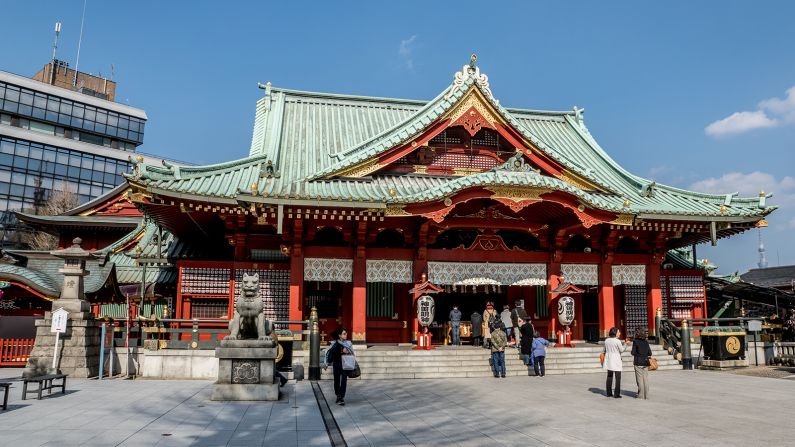
Kanda Shrine: Nearby Kanda Shrine dates back over 1,270 years. But thanks to its proximity to Akihabara, it's also known as the "anime temple."
Joshua Mellin
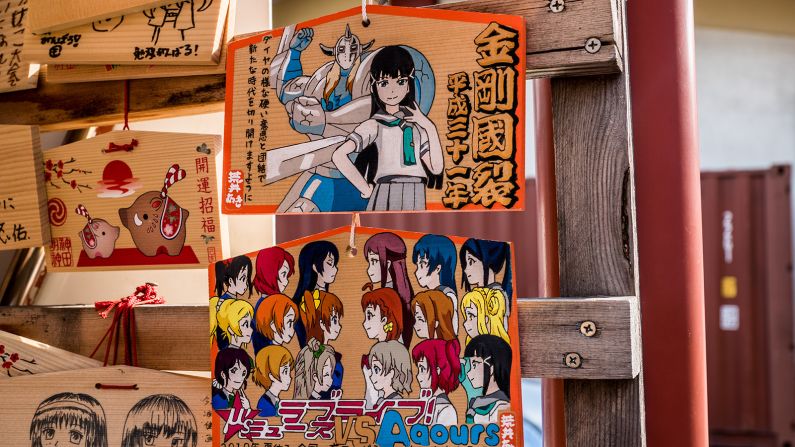
The anime temple: Ema prayer boards -- normally covered in wishes -- are instead illustrated with anime characters.
Joshua Mellin
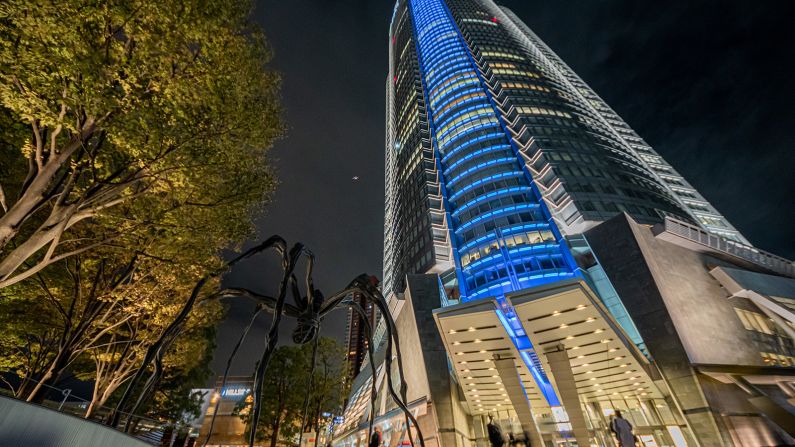
Roppongi: Mori Tower, one of Tokyo's tallest and most prominent buildings, has become a centerpiece of Roppongi. It draws crowds to its rooftop Tokyo City View, offering iconic angles of nearby Tokyo Tower and a 360-degree view of the surrounding neon cityscape.
Joshua Mellin
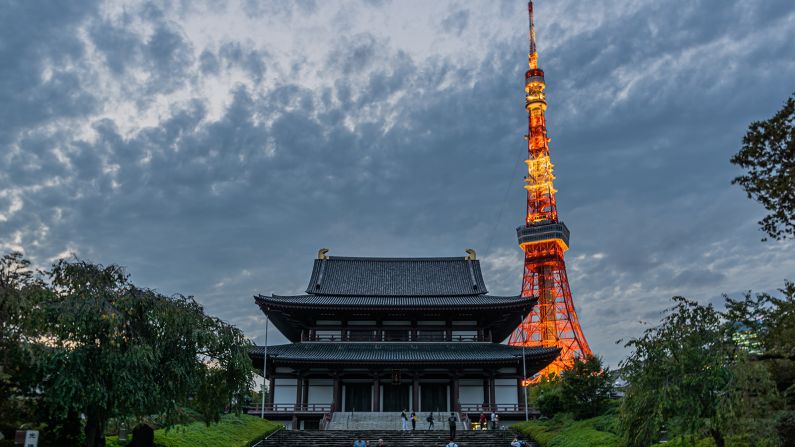
Zōjō-ji temple: This Roppongi Buddhist temple's 69-foot tall gate, constructed in 1622, is the oldest wooden structure in Tokyo.
Joshua Mellin
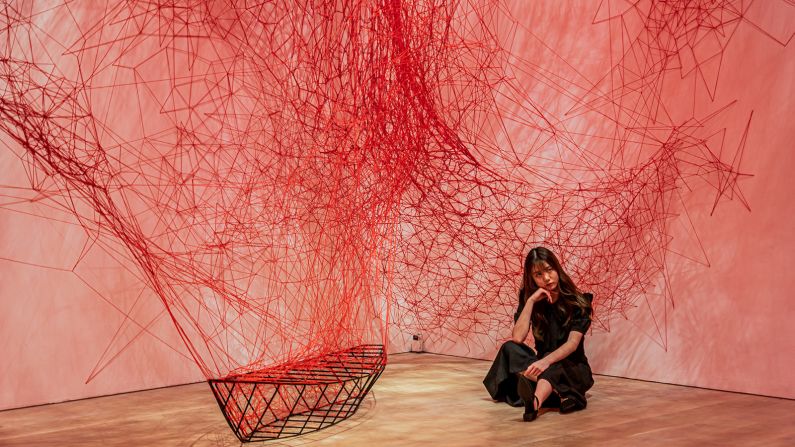
Mori Arts Building: This modern museum focuses on artists that exemplify contemporary Asian art. Recent exhibitions include Japanese artist Shiota Chiharu's "The Soul Trembles."
Joshua Mellin
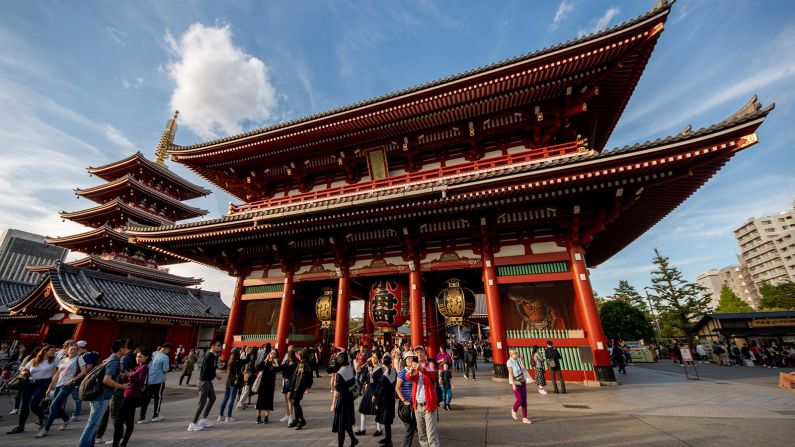
Asakusa: One of the most traditional areas in Tokyo, the historic Asakusa neighborhood is home to the oldest Buddhist temple in the city, Sensō-ji.
Joshua Mellin
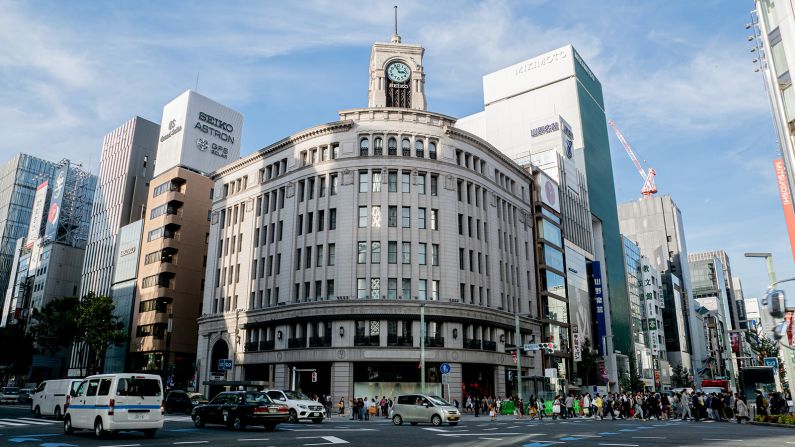
Ginza: Once a marshy swamp, the now swanky Ginza district was founded as a silver-coin mint in 1612, giving it the name Gin, meaning "silver," and za, "guild." The Hattori Clock Tower marks the heart of Ginza.
Joshua Mellin
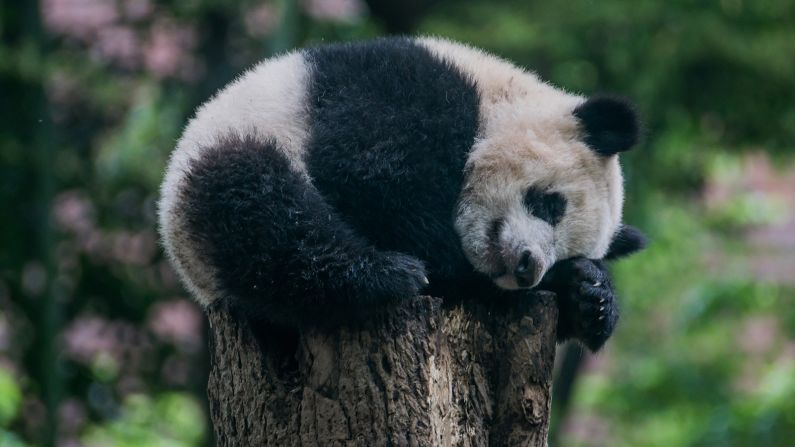
Ueno: Inside Japan's first public park, the eponymous Ueno Zoo is home to popular two-year-old panda Xiang Xiang.
Joshua Mellin
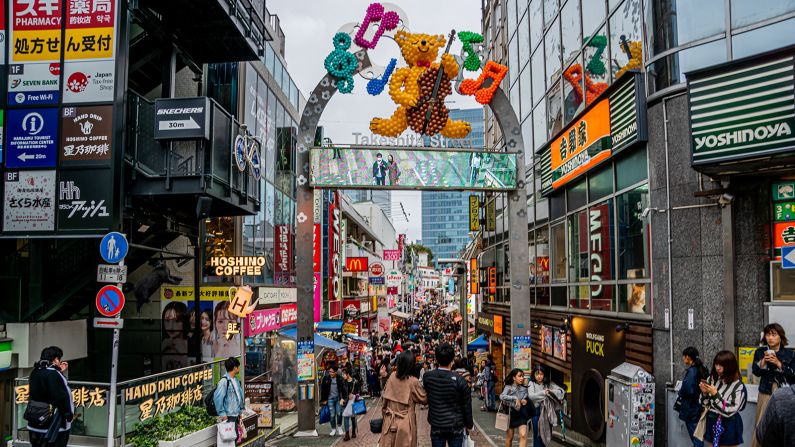
Harajuku: Since Harajuku precinct was made a car-free zone in 1977, Takeshita street has become a gathering place for Tokyo's fashion-forward youth.
Joshua Mellin
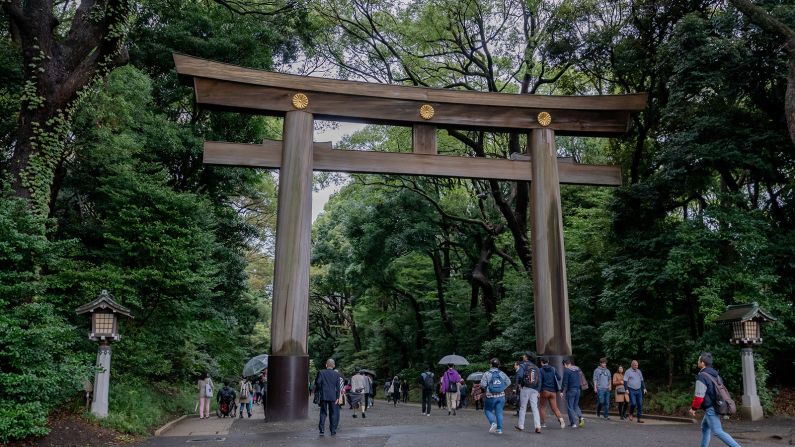
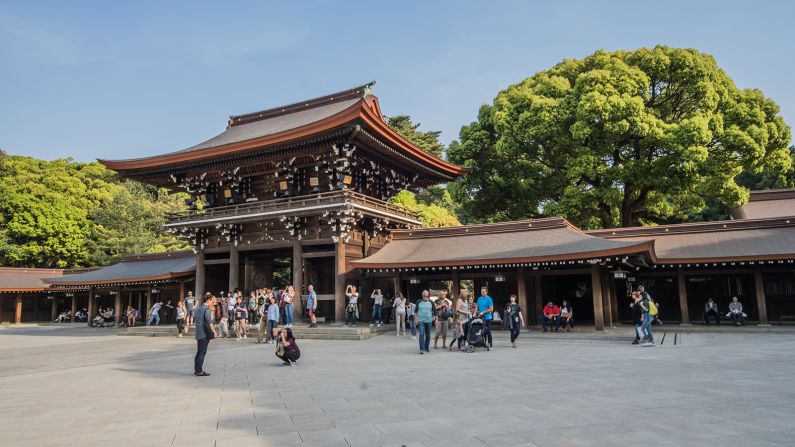
Yoyogi Park: Also in Harajuku, Yoyogi Park and its adjacent Meiji Shrine is home to the world's largest wooden torii gate.
Joshua Mellin
Meiji Jingu Shrine: This Shinto complex was built in 1920 to honor Emperor Meiji and his wife, Empress Shōken.
Joshua Mellin
Ameya-yokocho Market: Once a black-market magnet for wartime goods, Ameya-yokocho market sells military surplus supplies along with discount souvenirs and street food.