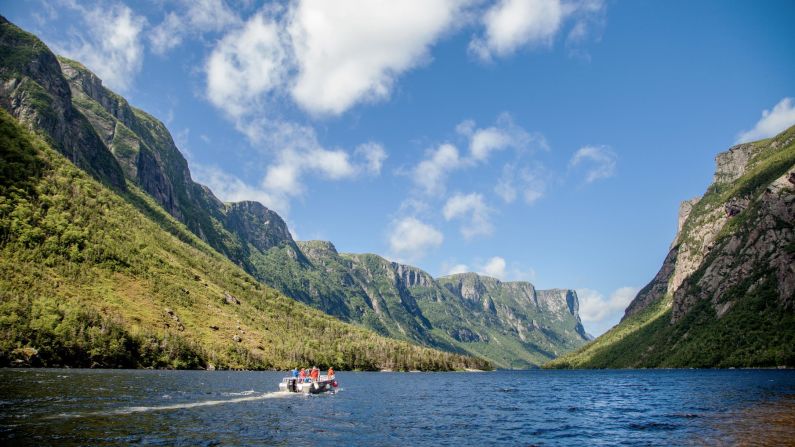
Western Brook fjord: Known as Western Brook Pond, this fjord is located in Gros Morne National Park on the west coast of Newfoundland.
Courtesy Newfoundland and Labrador Tourism
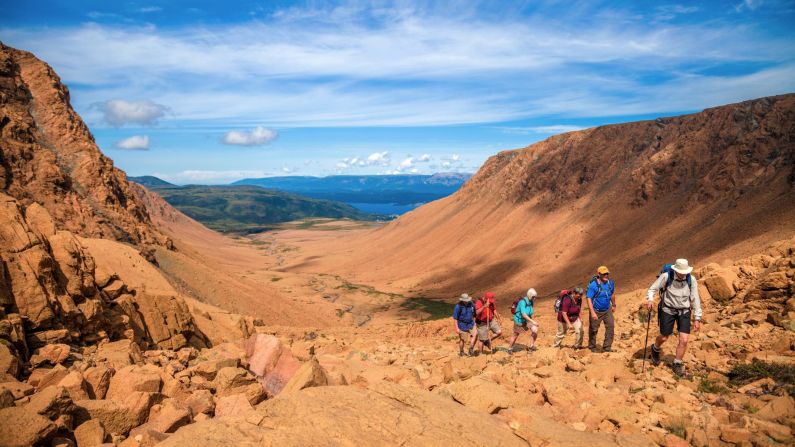
Tablelands: This striking area in Gros Morne National Park marks a spot where the continents of Africa and North America collided.
Courtesy Newfoundland and Labrador Tourism
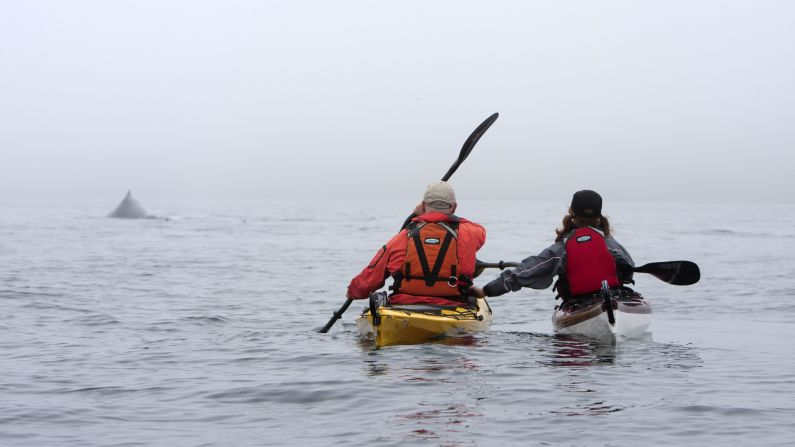
Whale watching: Whale sightings peak between May and September in Newfoundland.
Courtesy Newfoundland and Labrador Tourism
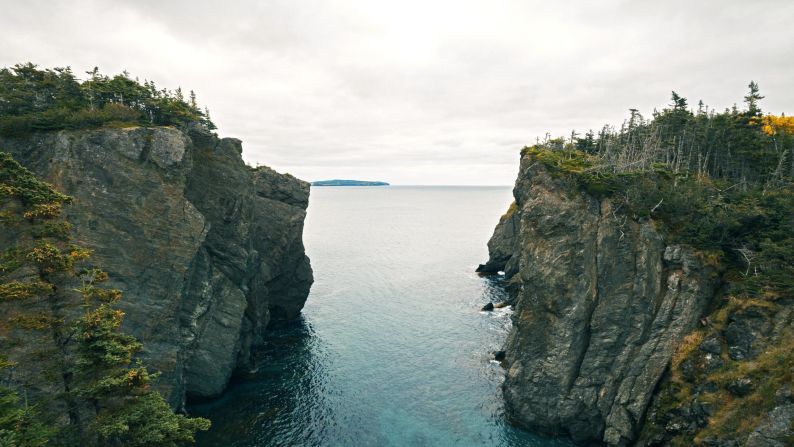
Skerwink Trail: Whales, eagles, sea stacks and icebergs are among the sights along the Skerwink Trail.
Shutterstock
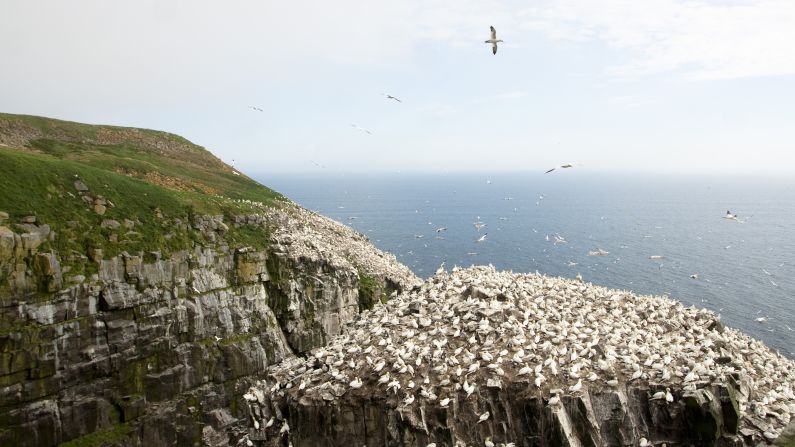
Cape St. Mary's: The ecological reserve of Cape St. Mary's is home to thousands of gulls, common murres, razorbills, northern gannets, black-legged kittiwakes and double-crested and great cormorants.
Courtesy Egzi Polat/Newfoundland and Labrador Tourism
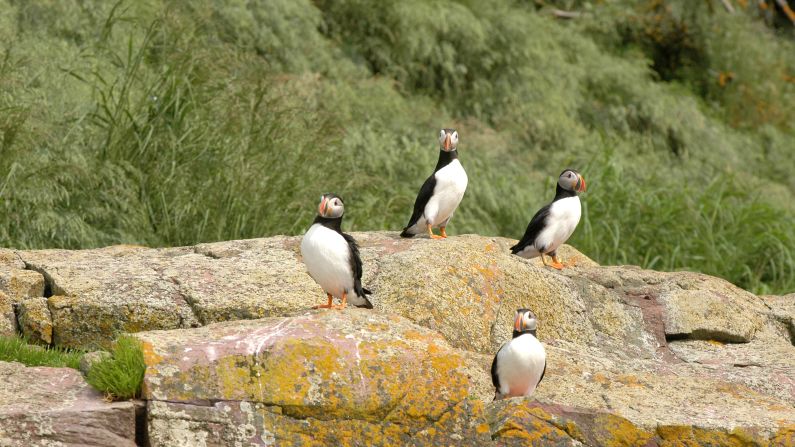
Atlantic Puffins: More than 350 species of birds are found in Newfoundland. Atlantic puffins spend most of the year at sea, but they return to the coast at the start of the breeding season in late spring.
Courtesy Newfoundland and Labrador Tourism
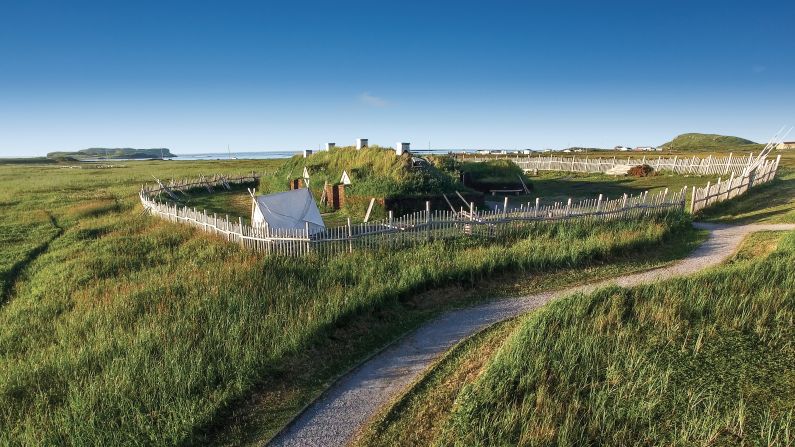
L'Anse aux Meadows National Historic Site: Located at the tip of Newfoundland's Great Northern Peninsula, L'Anse aux Meadows features the remains of an 11th-century Viking settlement.
Courtesy Dru Kennedy Photography/Newfoundland and Labrador Tourism
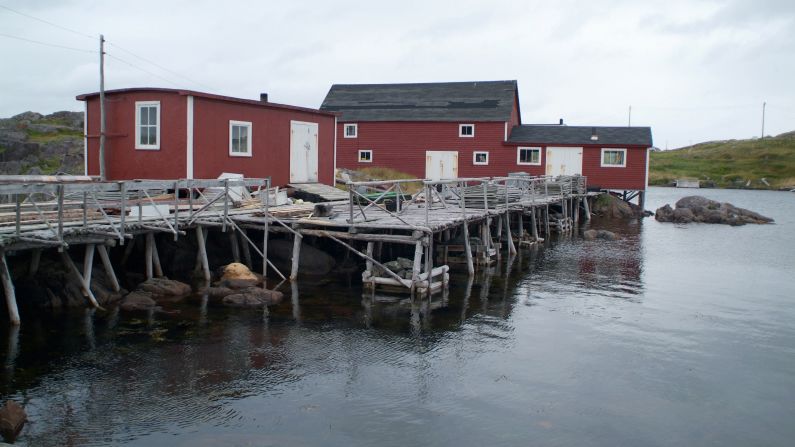
Change Islands: Only about 300 people live in the Change Islands, a Newfoundland community made up of three islets.
Courtesy Newfoundland and Labrador Tourism
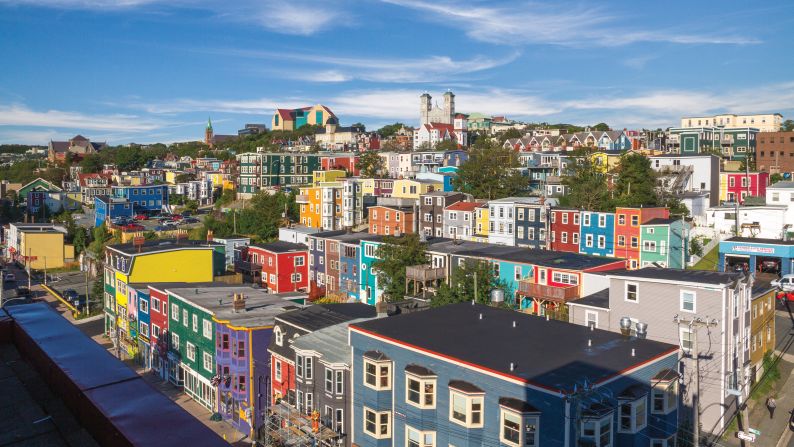
St. John's: The provincial capital of St. John's is home to close to 200,000 people. Colorful row houses make for a vibrant downtown.
Courtesy Barrett & MacKay Photo/Newfoundland and Labrador Tourism
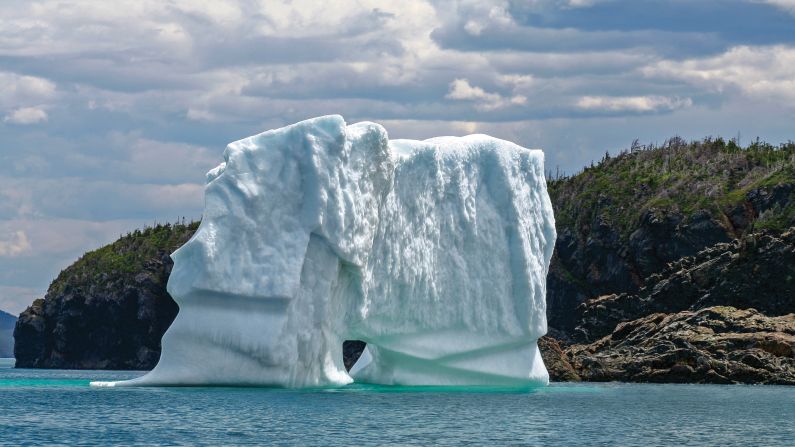
Icebergs: Visible from many spots along the northern and eastern coasts, 10,000-year-old icebergs arrive from the Arctic every spring.
Courtesy Newfoundland and Labrador Tourism
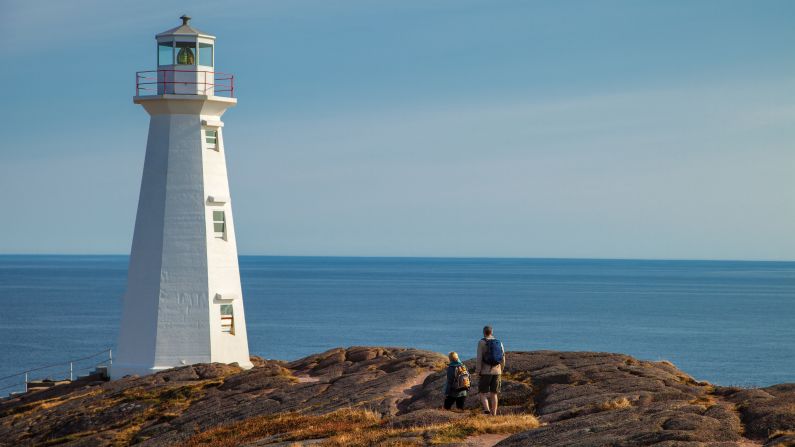
Cape Spear Lighthouse National Historic Site: Situated at North America's most easterly point, Cape Spear Lighthouse is the oldest surviving lighthouse in Newfoundland and Labrador.
Courtesy Newfoundland and Labrador Tourism
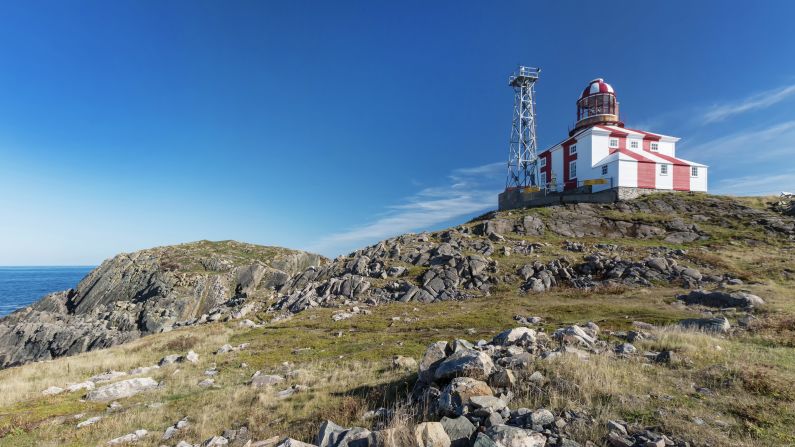
Cape Bonavista Lighthouse: Built in 1843, Cape Bonavista Lighthouse still has a seal oil-fueled light.