Tallinn, Estonia —
Estonia's capital Tallinn might be a former Soviet city, but it has undergone huge change in the 25 years since the end of USSR control. The oldest capital along the Baltic Sea coast has a distinct identity, very different from the rest of Europe.

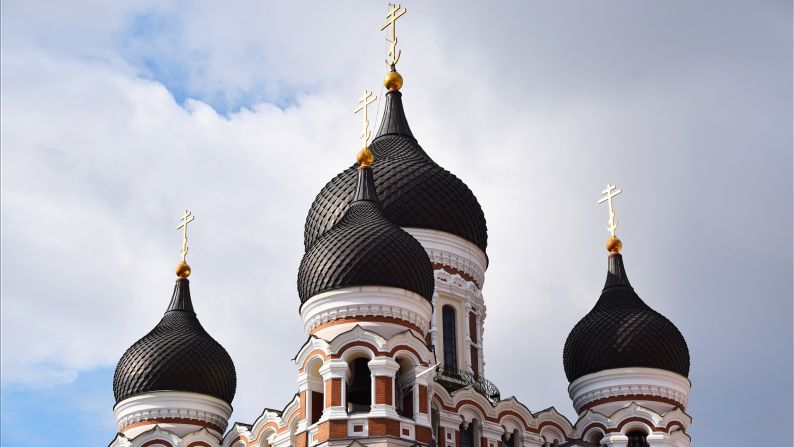
Alexander Nevsky Cathedral —
Built in the late 1800s, the Alexander Nevsky Cathedral -- with an interior furnished in copper, zinc, granite, mosaic, gilded iron crosses and stained glass -- remains one of the finest examples of architecture from the Russian Empire.

Sweeping views —
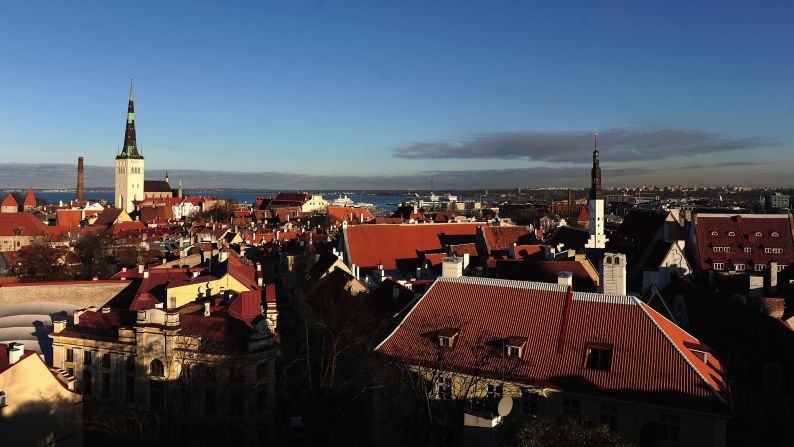
Looking out to Tallinn's medieval old town and the Baltic Sea, Radisson Blu Sky Hotel's rooftop bar gives the best views of the city's skyline.

Kadriorg Palace —
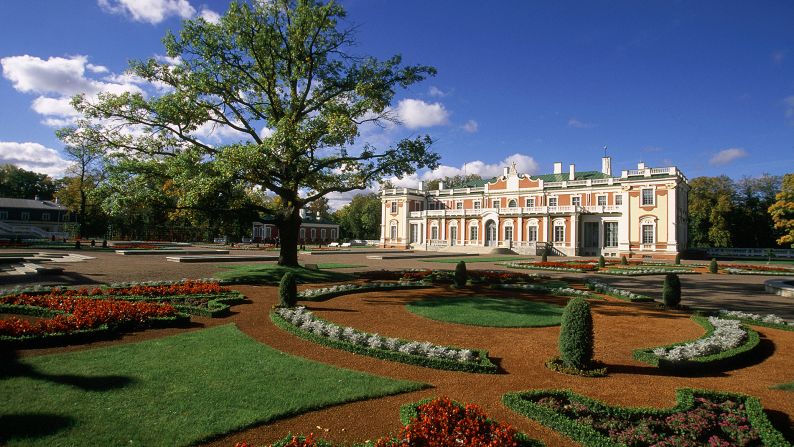
Built in the early 18th century by Peter the Great for his wife Catherine I of Russia, Kadriorg Palace now houses the Kadriog Art Museum.

Kohtuotsa viewing platform —
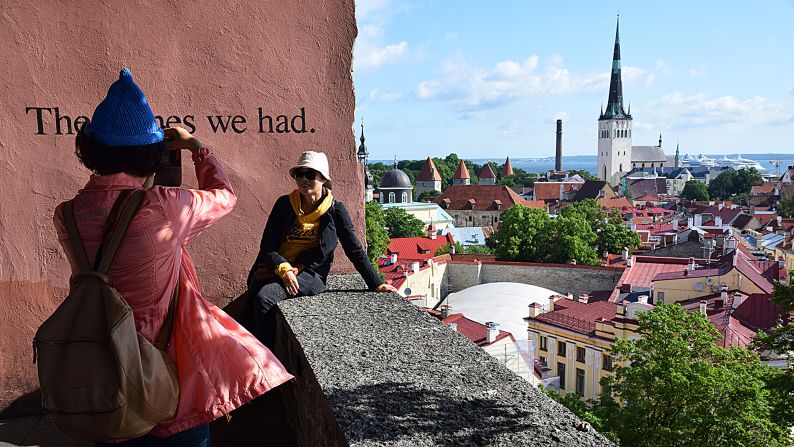
Atop Toompea Hill, the Kohtuotsa viewing platform offers a panoramic view of Tallinn's old town as well as the modern business center.

The old town —
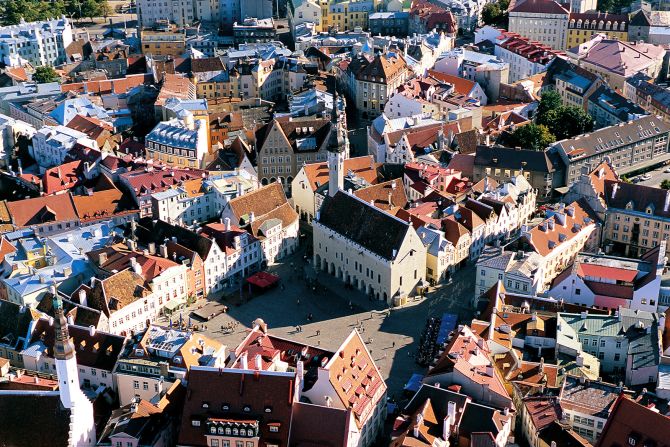
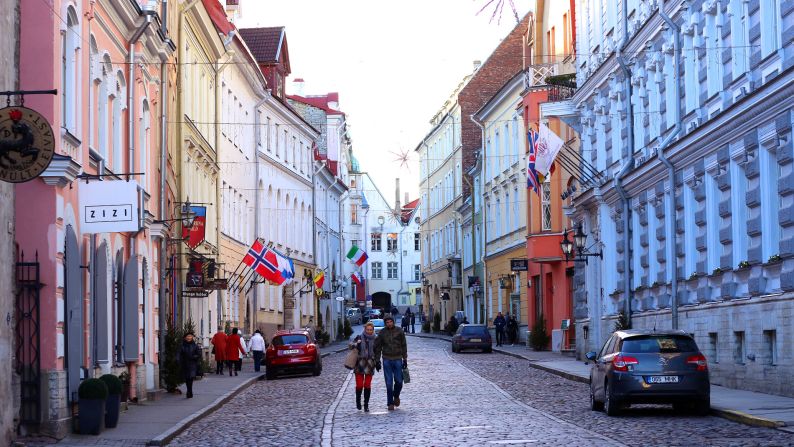
With its winding alleyways, ornate doorways and medieval courtyards, the old town of Tallinn is UNESCO heritage protected. Today, it's a destination for exploring galleries and workshops.

Evolving old town —
The old town is starting to attract a cool and young affluent crowd in search of foodie delights and luxury boutique hotels.

Estonian song and dance festivals —
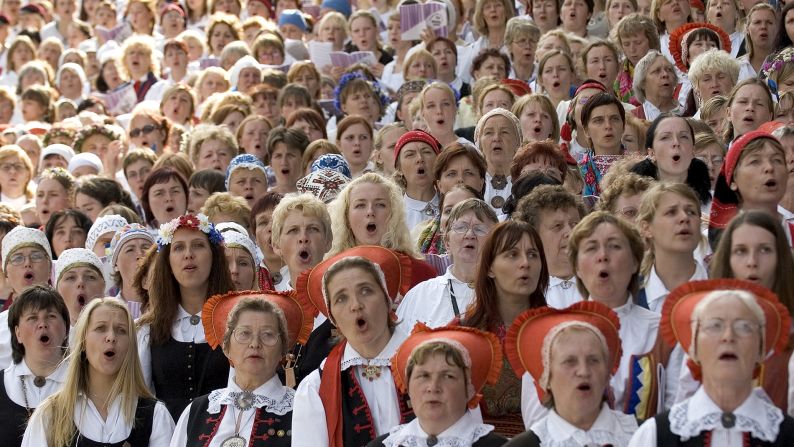
Once every five years, thousands of Estonian singers gather in Tallinn for the Song and Dance Festival. About 25,000 participants join some 18,000 singers on stage during the event. The tradition -- begun in the 19th century -- was declared a masterpiece of the Oral and Intangible Heritage of Humanity by UNESCO in 2003.
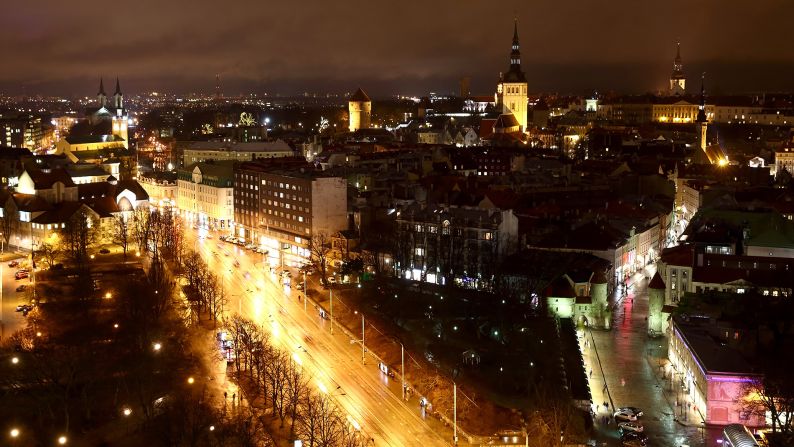
Kalamaja —
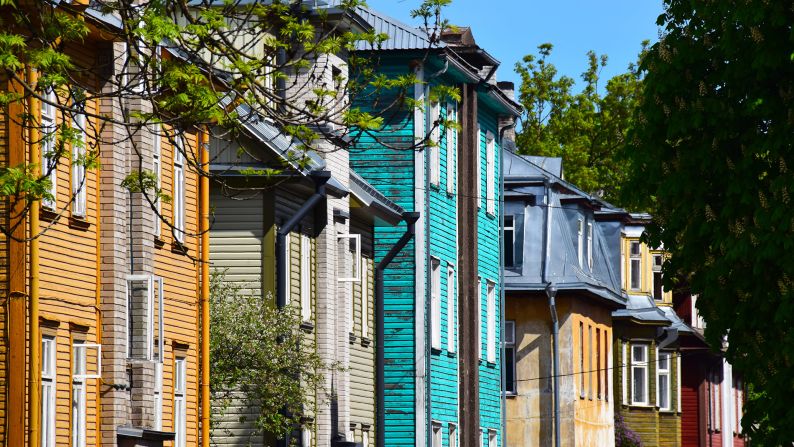
The colorful Kalamaja area is Tallinn's hippest neighborhood. The city's fastest developing area, it's the place to find new and creative cafes, bars and galleries.

St. Catherine's Passage —
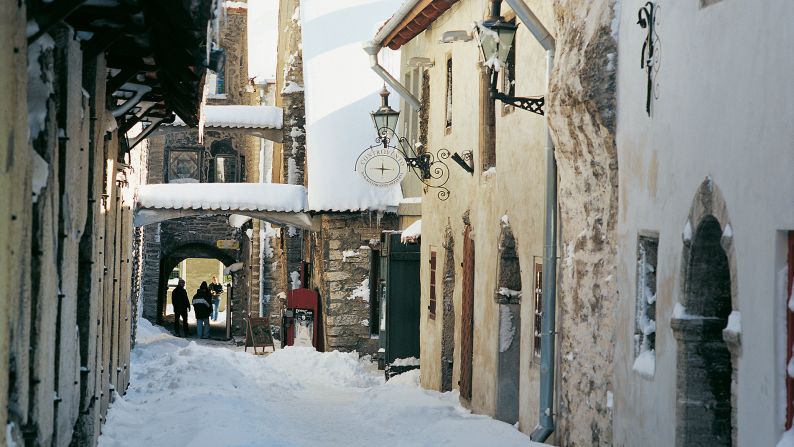
Connecting Vene and Muurivahe streets in the old town, St. Catherine's Passage transports visitors back in time.

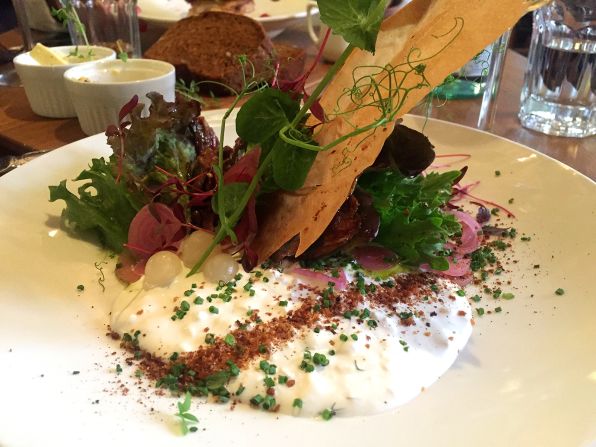
Contemporary Estonian cuisine —
Simple, contemporary and honoring all the Estonian classics, Rataskaevu 16 is regularly listed as the number one restaurant in Tallinn.

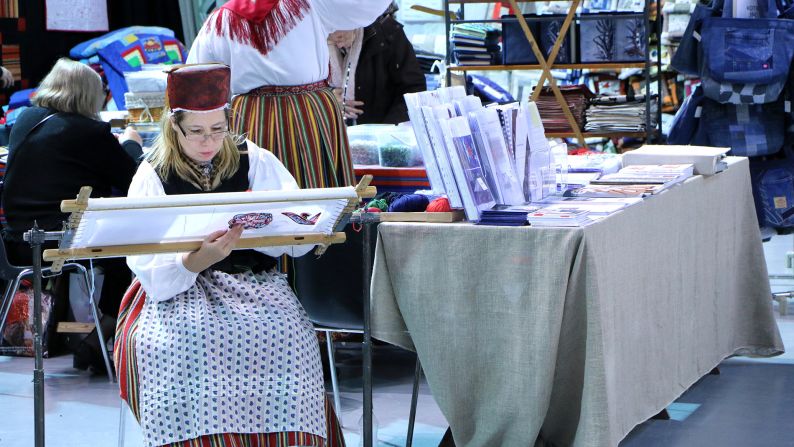
St. Martin's Day Fair —
St. Martin's Day Fair (which takes place on the weekend closest to November 10 each year) is the place to get Estonia's best traditional handicrafts. It's the country's largest handicraft and folklore lifestyle event.

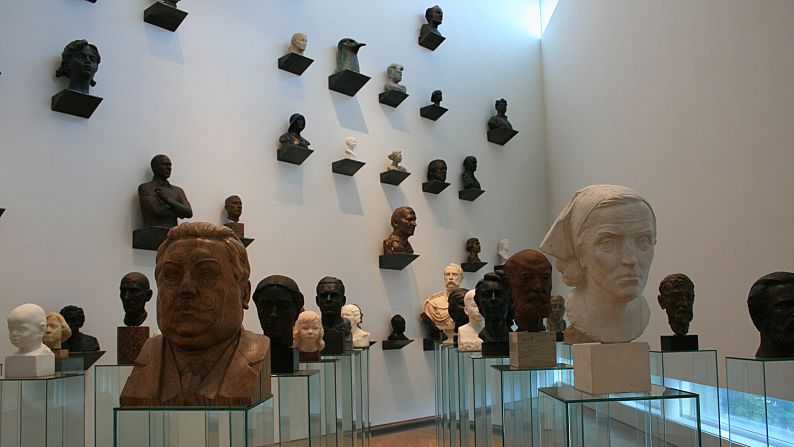
Kumu Kunstimuuseum —
The contemporary Kumu is one of the largest art museums in northern Europe. It houses Estonian-created art pieces from the 18th to 21st centuries.

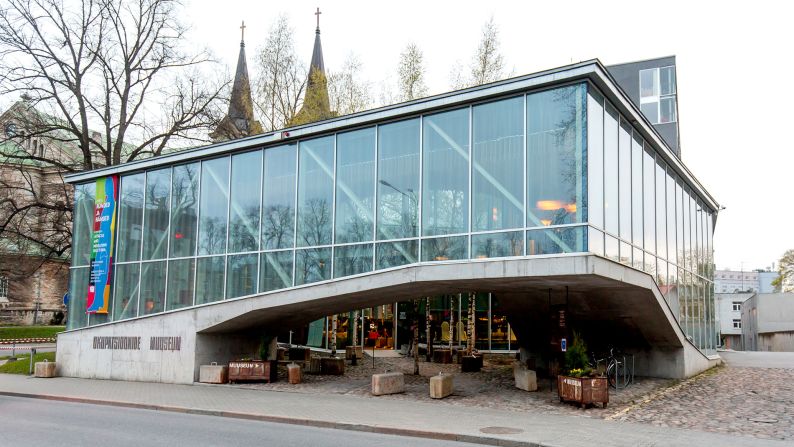
The Museum of Occupation —
Estonia was under Nazi rule from 1940 and then the Soviet Union until 1991. The Museum of Occupation features documents and artifacts -- from refugee boats to deportees' suitcases -- of this dark period in Estonia's history.

Estonian craft beer —
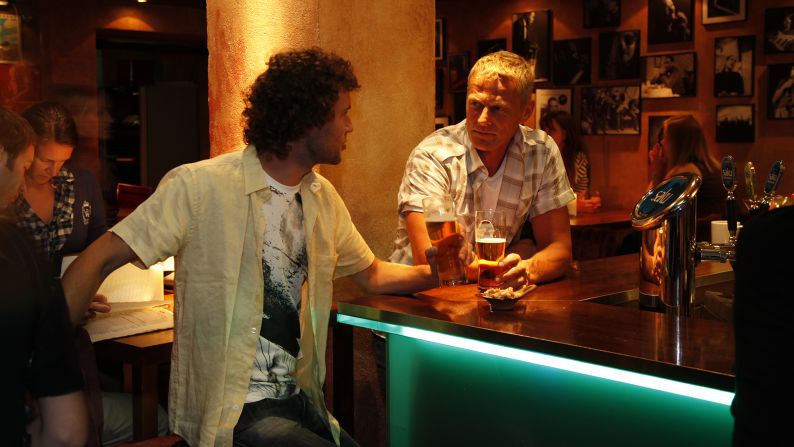
Despite its size, Estonia has a booming craft beer industry with many great breweries across the country.