Bubble tea: One of Taiwan’s most beloved beverages | CNN
Thank You!
Your effort and contribution in providing this feedback is much
appreciated.
Close
Ad Feedback
Bubble tea: One of Taiwan’s most beloved beverages
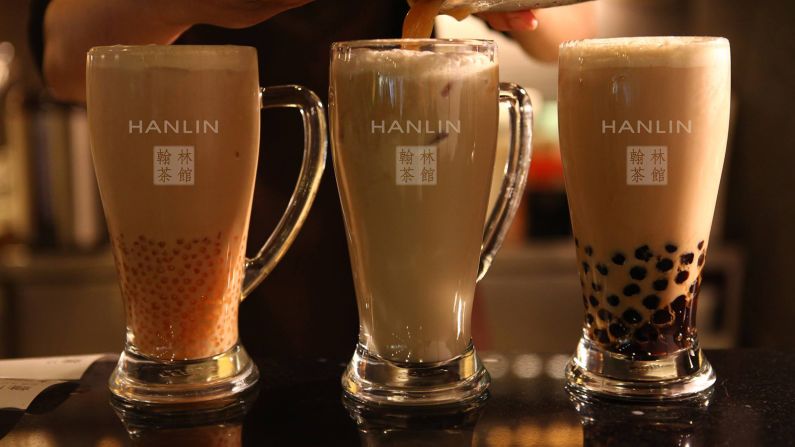
The complete story of bubble tea: Invented in the 1980s, bubble tea (also called black pearl tea or boba tea) is a beloved Taiwan icon.
Hanlin Tea Room
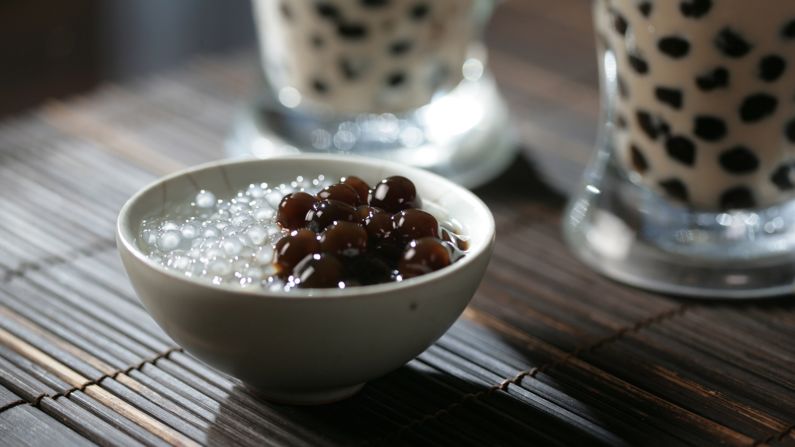
How bubble tea was invented: In 1986, Taiwanese artist and entrepreneur Tu Tsong He was looking for a new idea for his soon-to-open teashop. While experimenting he added white tapioca balls -- called fenyuan, a traditional Taiwanese snack -- into his tea and a star was born.
Hanlin Tea Room
Pearl green tea: "The white fenyuan looks almost translucent with a white center when brewed inside the golden green tea, much like my mother's pearl necklace. So I coined it 'zhen zhu lu cha' (pearl green tea)," Tu, the founder of Hanlin Tea Room tells CNN Travel.
Hanlin Tea Room
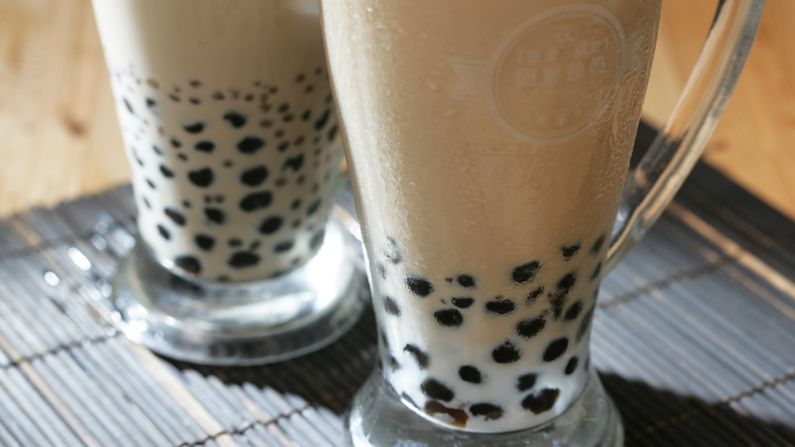
Who is 'Boba': Boba, now synonymous with bubble tea in general, was first used to refer to the large black tapioca balls in bubble tea. It was reportedly named after Hong Kong movie star Amy Yip, whose nickname was Boba, or "champion of boobs" in Cantonese.
Hanlin Tea Room
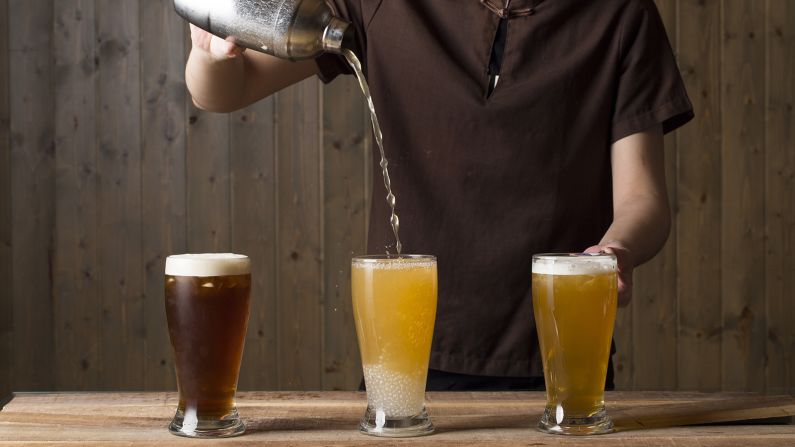
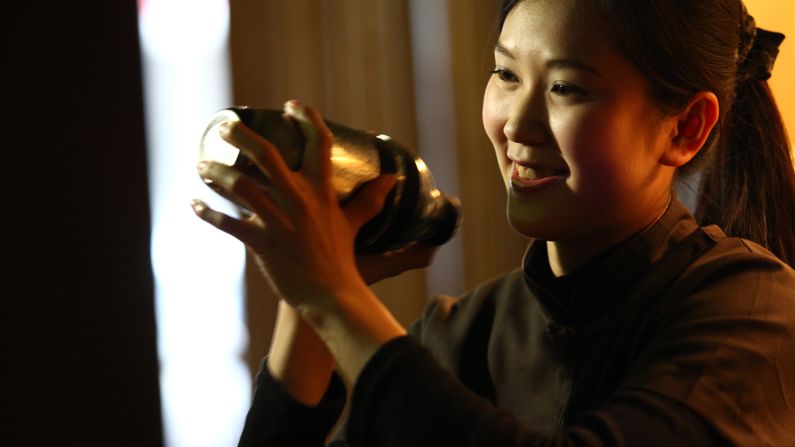
Shaken, not stirred: Milk tea -- which led to bubble tea -- is shaken in a cocktail shaker, a trend that began in 1940s. Chang Fan Shu, a mixologist who honed his skills working in a Japanese izakaya when Taiwan was under Japanese rule in WWII, started making tea this way in 1949.
Hanlin Tea Room
'Love at first sip': "I had my first taste of bubble tea whilst in New York in 2009, and it was love at first sip," says Assad Khan, founder of popular UK bubble tea chain Bubbleology.
Bubbleology
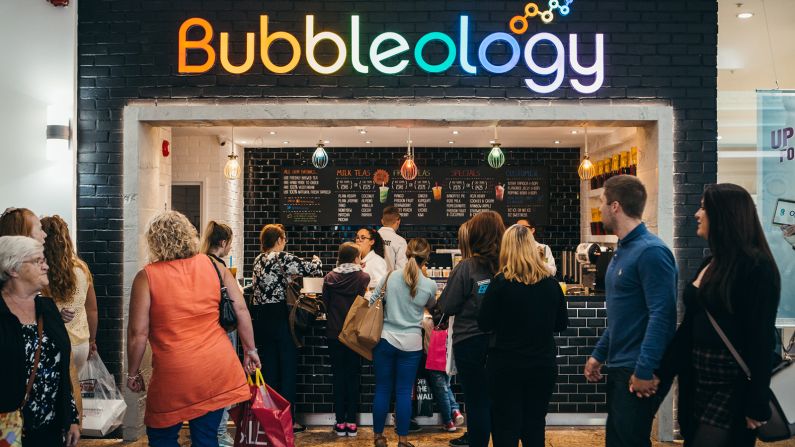
Bubble tea goes mainstream: With its rainbow-colored logo and lab coat-wearing staff, Bubbleology turned bubble tea into a fashionable lifestyle drink in the UK.
Bubbleology
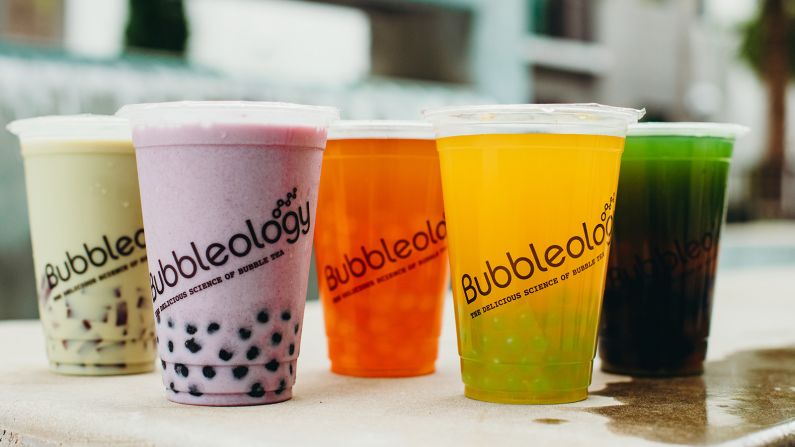
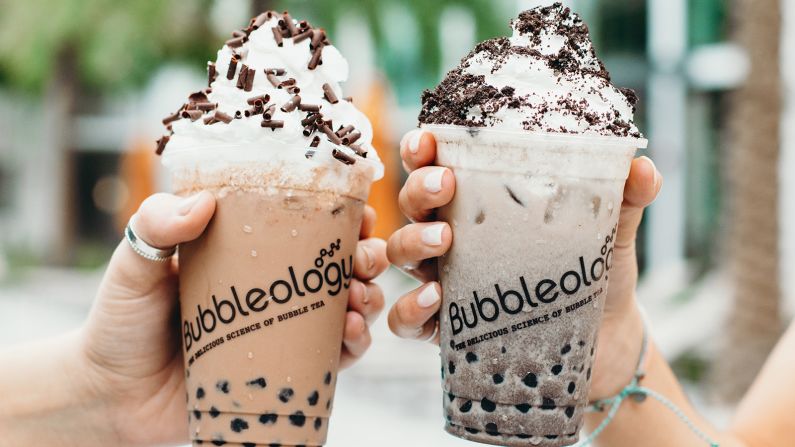
Tea's answer to the Frappuccino: "The best part about bubble tea is its entirely customizable nature. You don't find this with other offerings in the impulse snack category," says Khan. He calls it "tea's answer to the coffee-based Frappuccino."
Bubbleology
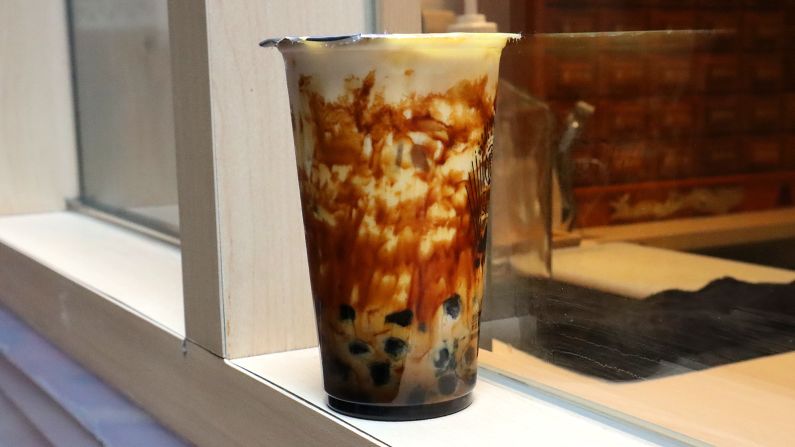
The latest trend: In recent years, bubble tea made with brown sugar and fresh milk has become a hot trend in cities throughout Asia, from Hong Kong to Bangkok.