Inside Selous: The incredible African game reserve few have heard of
"The Selous in Africa: A Long Way from Anywhere" —
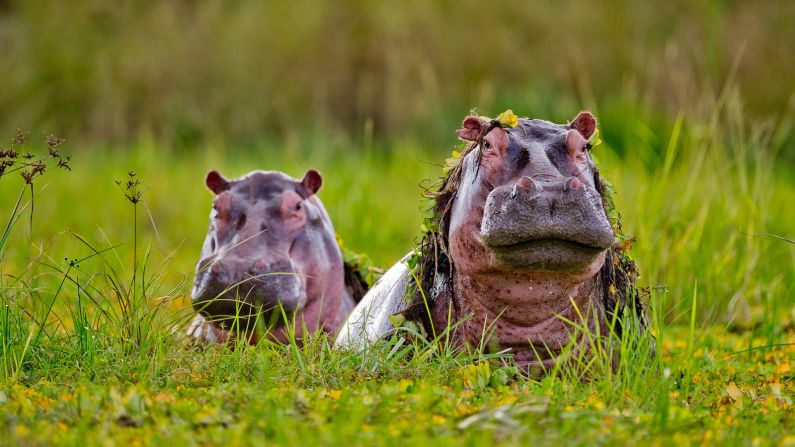
American photographer Robert J. Ross spent four years capturing the fauna, flora and landscape of the Selous Game Reserve in Tanzania, Africa's oldest and largest protected area. Four hundred of the pictures have been gathered in a new book.
Robert J. Ross
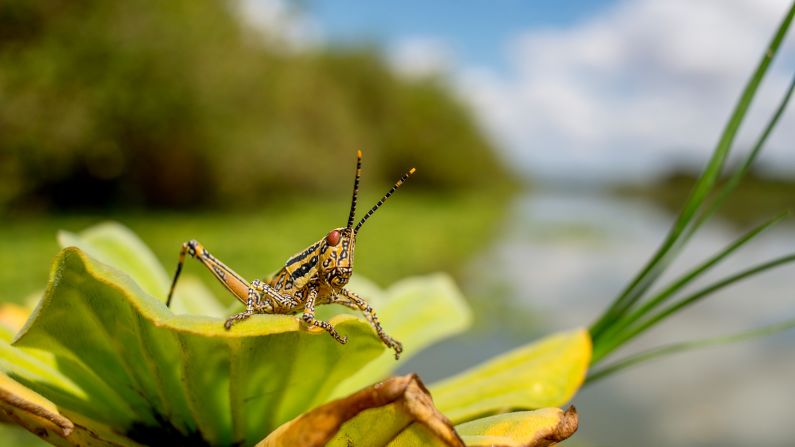
Elegant grasshopper —
The aptly named elegant grasshopper appears by the thousands along the edges of the rivers and lakes in the northern Selous. It feeds on toxic plants, storing the toxins in its body as a defense against predators.
Robert J. Ross
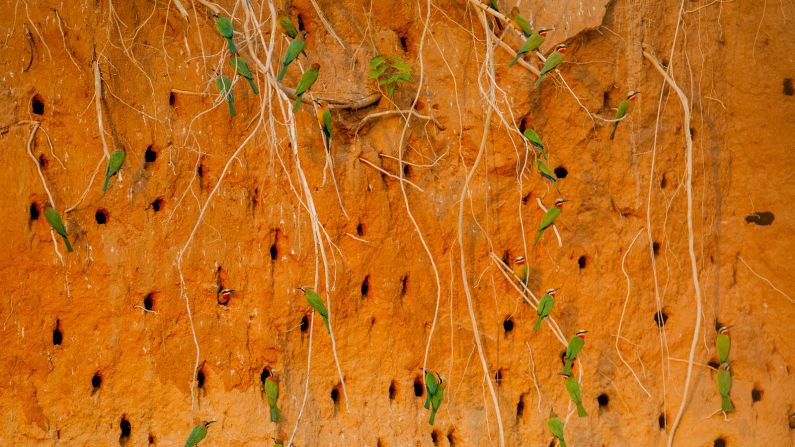
White-fronted bee-eaters —
White-fronted bee-eaters have one of the most complex family-based social systems found in birds. They reside in colonies of several hundred individuals, digging holes for nesting and roosting deep into the steep banks of rivers.
Robert J. Ross
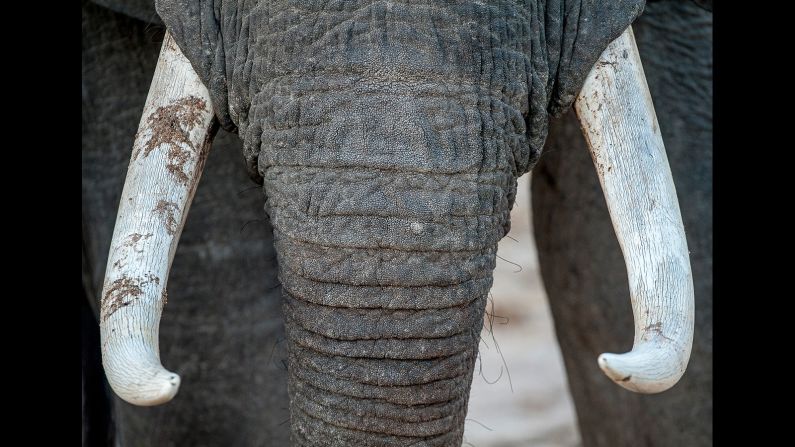
Elephants in peril —
Elephants use their tusks for stripping bark from trees, digging and, occasionally, for battle. Human demand for ivory has seen elephant numbers in Selous drop in recent years.
Robert J. Ross
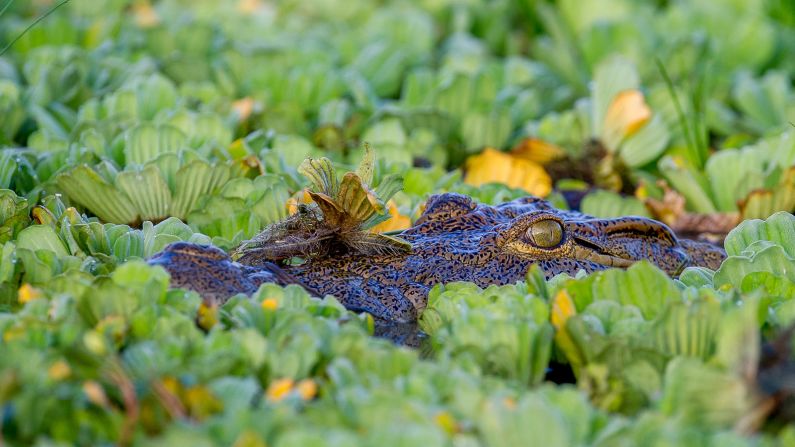
Nile crocodile —
Like domestic cats, crocodiles have vertical slit-shaped pupils and excellent night vision. The Nile crocodile is an alpha predator that primarily hunts at night.
Robert J. Ross
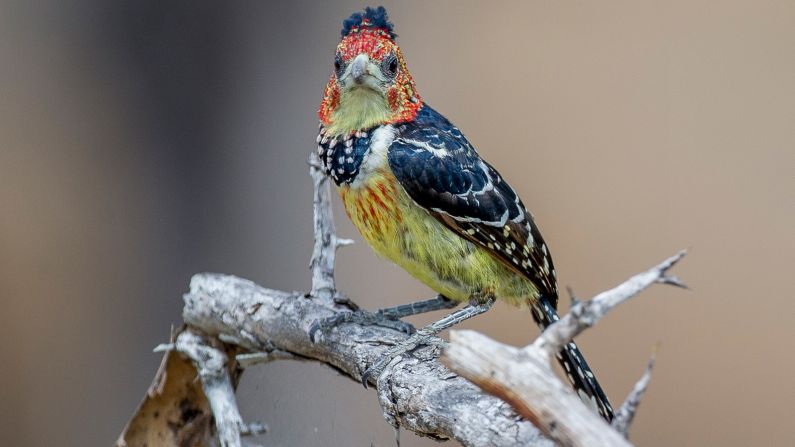
The crested berbet —
The crested barbet is an aggressively territorial bird. They've been known to chase off other barbets, doves and larger birds, as well as rats and snakes.
Robert J. Ross
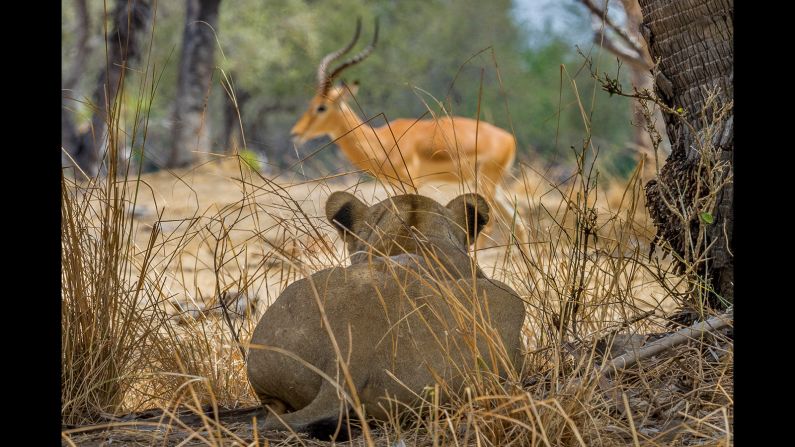
Lioness and gazelle —
A lioness, well camouflaged in the dry savannah, stalks an unsuspecting gazelle. There are more lions in the Selous than any other protected area in Africa.
Robert J. Ross
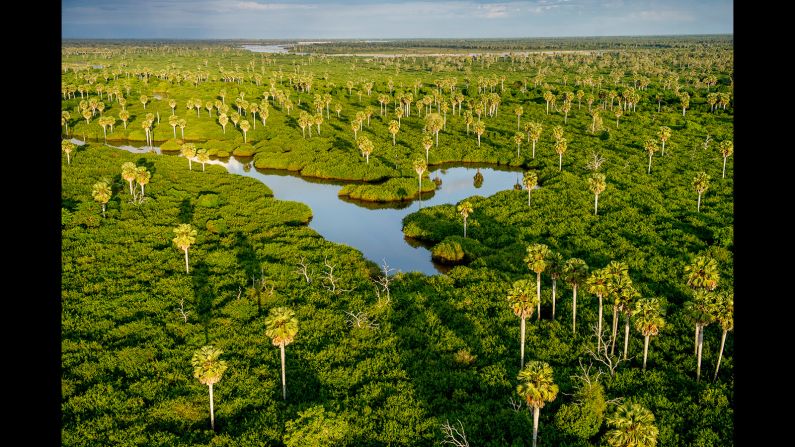
Borassus palms —
Borassus palms rise from the swamps between the Rufiji River and the northern lakes. The palms can grow up to 30 meters high.
Robert J. Ross
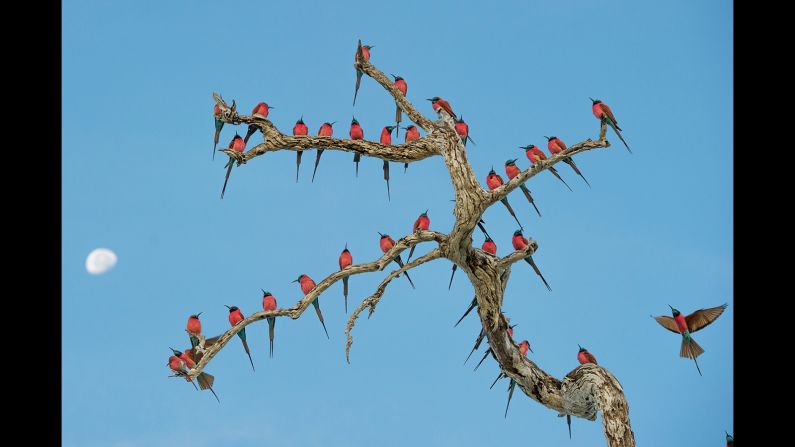
Northern carmine bee-eaters —
The northern carmine bee eater is a seasonal visitor to the Selous. They're often found early and late in the day roosting on trees and bushes in and around lakes and rivers.
Robert J. Ross
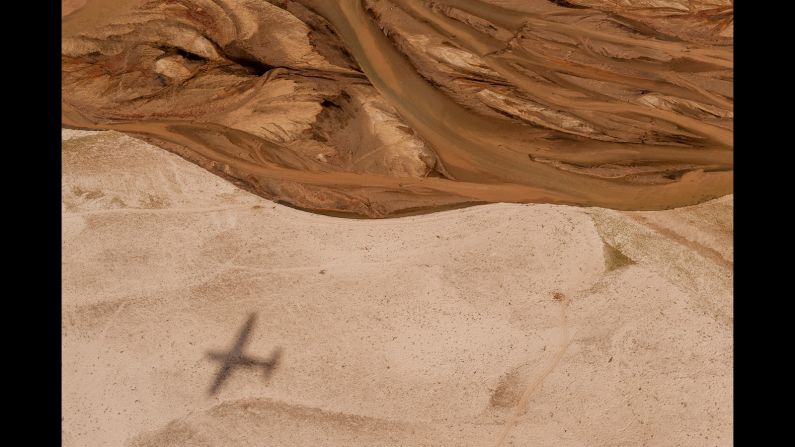
Sand rivers —
An aerial view of the region's sand rivers in dry season. "It's an incredible wild and pristine place," Robert J. Ross tells CNN.