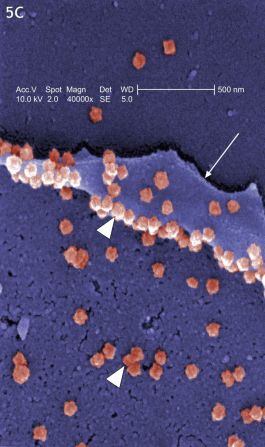
This electron micrograph image from the Centers for Disease Control shows the SARS virus, a "coronavirus" like the common cold, in pink. The virus killed hundreds around the world in 2003. In 2005, the International Health Regulations agreement was proposed. At present, 194 states and territories have signed the agreement that gives the World Health Organization "probing powers" into any signatory country's public health issues. Ten years ago, a plan like this didn't exist.
Centers for Disease Control
WHO has got the "SHOC" —
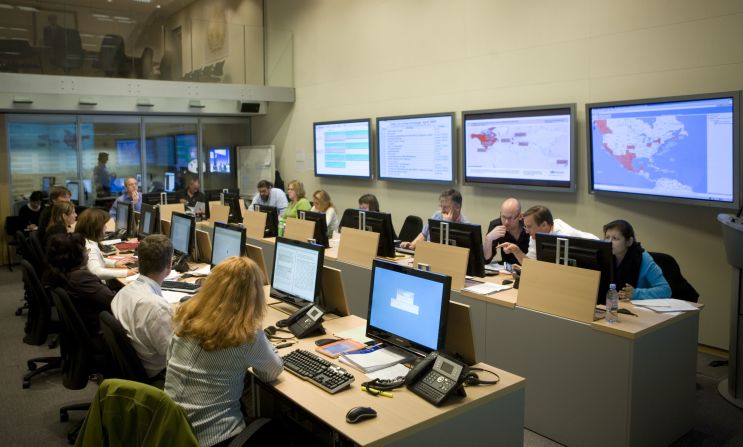
In the basement of the World Health Organization in Geneva, Switzerland sits the "SHOC", or Strategic Health Operations Center. This room acts as the nerve center of WHO's global epidemic response providing a single point of coordination for response to acute public health crises.
WHO
Education is better than fear —
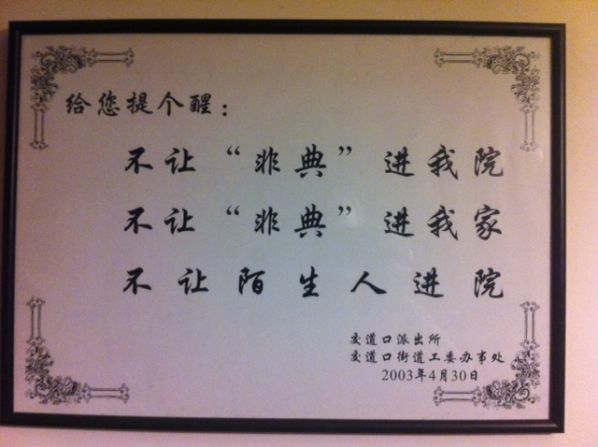
During the height of SARS in Beijing, crude posters like this hung in neighborhoods saying, "Don't let SARS or strangers into your house." The virus turned the Chinese capital and other Asian cities into ghost towns as residents stayed indoors. Today, hotels such as the Kowloon Shangri-La in Hong Kong have trained teams of employees to regularly sanitize public areas and remain alert for related issues.
Ramy Inocencio
Airlines are more financially resilient —
Between 2001 and 2005, five major U.S. airline companies filed for bankruptcy protection. Since 2006, only one has done so (American Airlines in 2011). One aviation analyst says SARS and 9/11 taught airlines to be more resilient to catastrophic events.
AFP/Getty Images
Airplane air is getting cleaner —
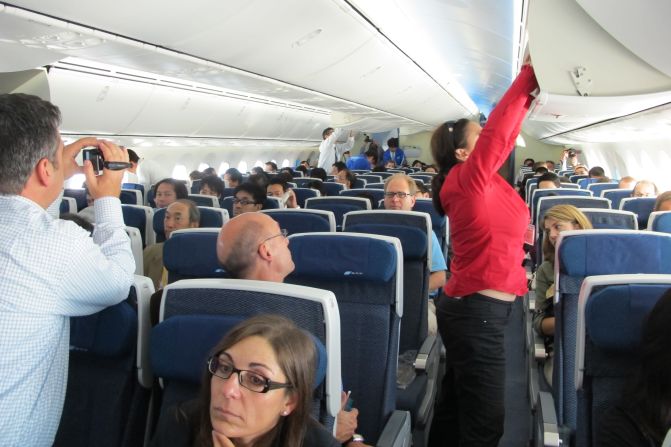
Another change in aviation is the air we breathe. The Boeing Dreamliner (interior pictured during the plane's first press trip) has the best-filtered air, according to one aviation expert. New generations of aircraft will put more emphasis on air purification.
Andrew Stevens/CNN
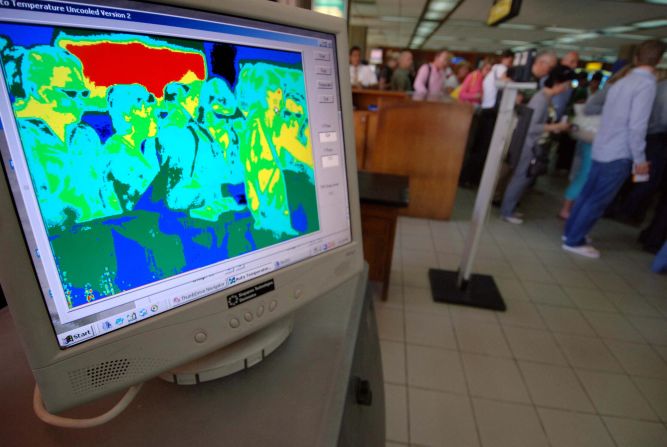
Thermal scanners part of modern travel —
Thermal scanners that measure body temperature became normal sights at airport immigration halls around the world in the aftermath of SARS in 2003.