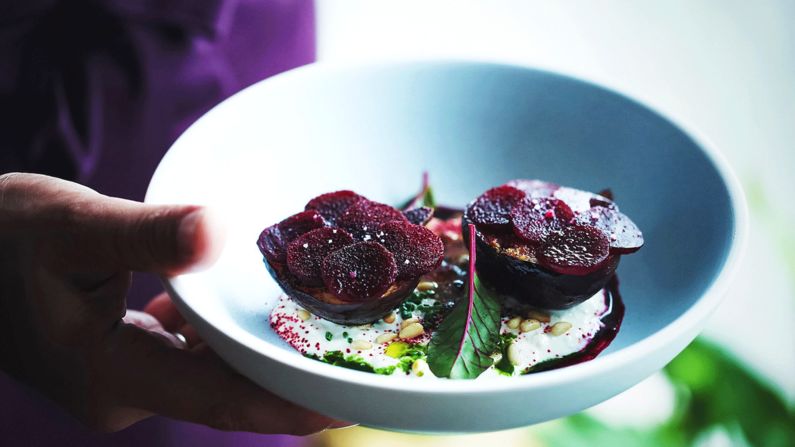
Import bans have failed to put the kibosh on Russia's culinary inventiveness. Restaurants are returning to what Russia does best, such as traditional dishes made with root vegetables such as beetroot.
Selfie restaurant
Adapting fast —
The restrictions have had dire consequences for many upscale establishments, but many of Moscow's more resourceful chefs are adapting fast.
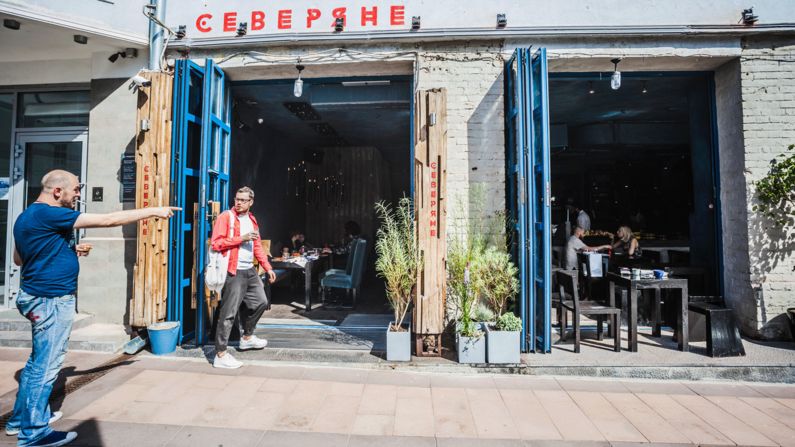
Severayne restaurant
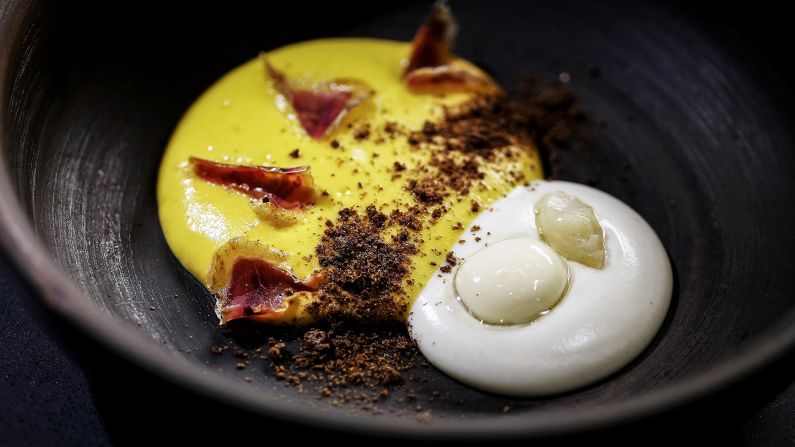
White Rabbit —
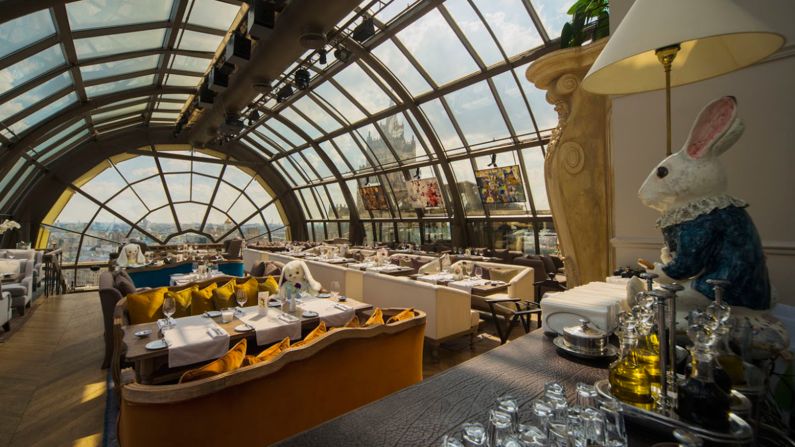
Moscow's White Rabbit restaurant is at the forefront of a new movement championing locally sourced food in Russia.
Courtesy White Rabbit
White Rabbit —
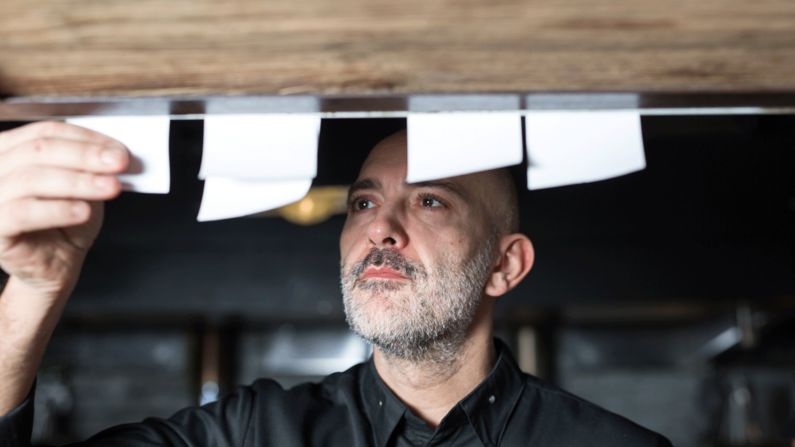
"Before the embargo, Russian people thought that food from overseas was superior," says White Rabbit chef Vladimir Mukhin. "Now, we feel proud of what we have."
Courtesy White Rabbit
Moscow's finest —
White Rabbit scored 18th place in the World's Best Restaurant Awards, despite the restrictions caused by sanctions and import embargoes.
Courtesy White Rabbit
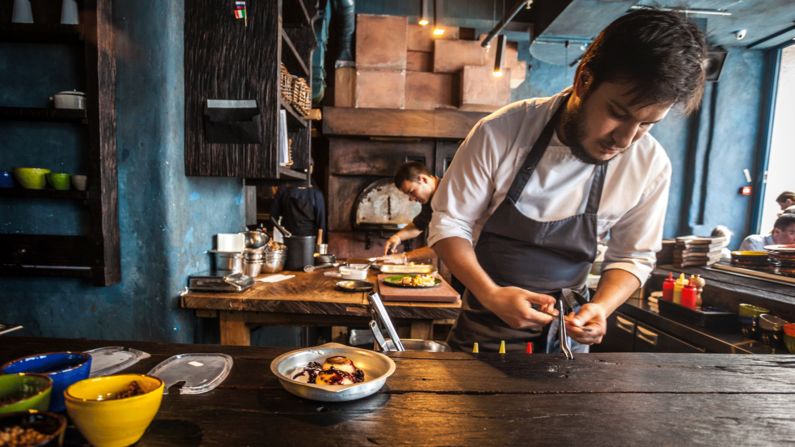
Ugolëk restaurant —
Chef Giacomo Lombardi -- who hails from Pistoia in Italy -- checks the orders at Ugolëk, among several Moscow restaurants getting creative to keep customers happy.
Ugolek restaurant
'Rough food' —
Recently opened on trendy Bolshaya Nikitskaya, Ugolëk goes by the slogan "rough food for gentle people."
Ugolek restaurant
Russo-Med mash-ups —
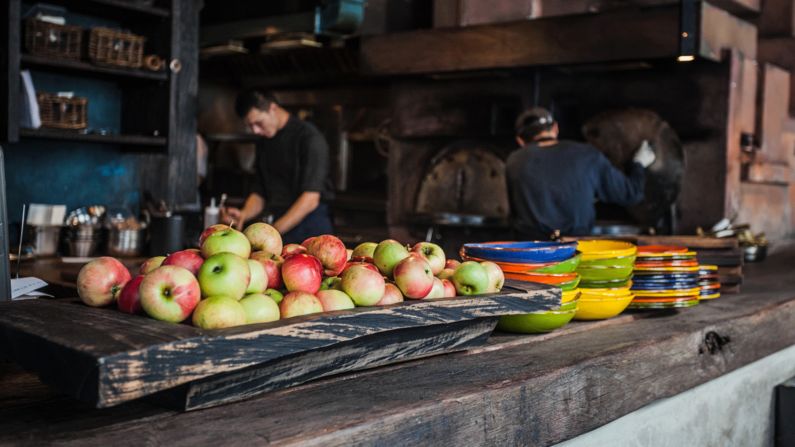
Ugolëk specializes in Russo-Mediterranean mash-ups fresh from the open charcoal grill in the open kitchen.
Ugolek restaurant
Severyane's —
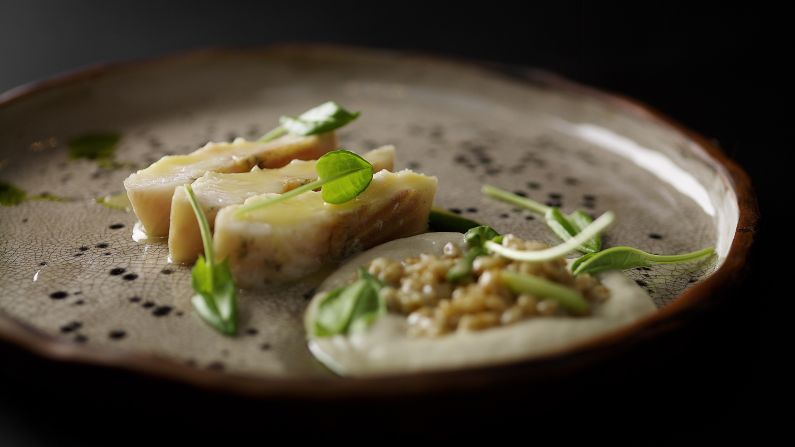
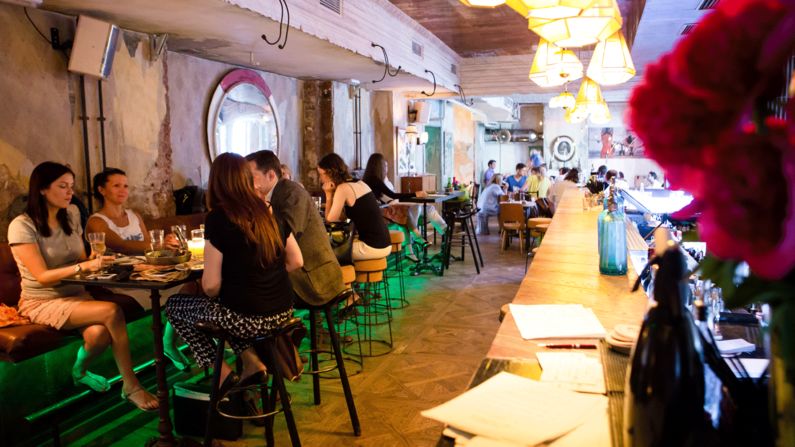
Severyane's another Moscow eatery attracting attention for its creativity. Its menu includes toasted brioche croutons with young local "Camembert" rolled in ash.
Severayne restaurant
Artisanal approach —
The past few years have seen the rise of funky eateries, including Severyane, with hipster aesthetics and an artisanal approach to food.
Severayne restaurant
Lasting trend —
While import bans are set to end by 2018, many believe recent trends in sourcing locally will continue.
Severayne restaurant
Straightforward cuisine —
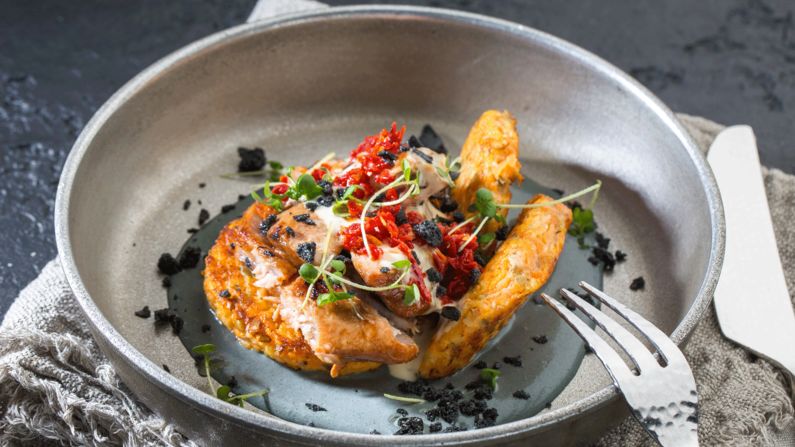
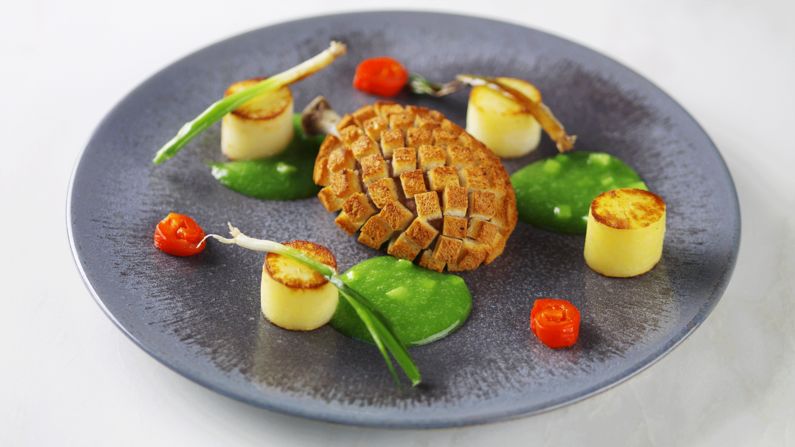
A cutlet at Selfie still manages to combine flair with the Russian love of cuisine that is straightforward and unadorned.