Journey through the Rann of Kutch in Gujarat state
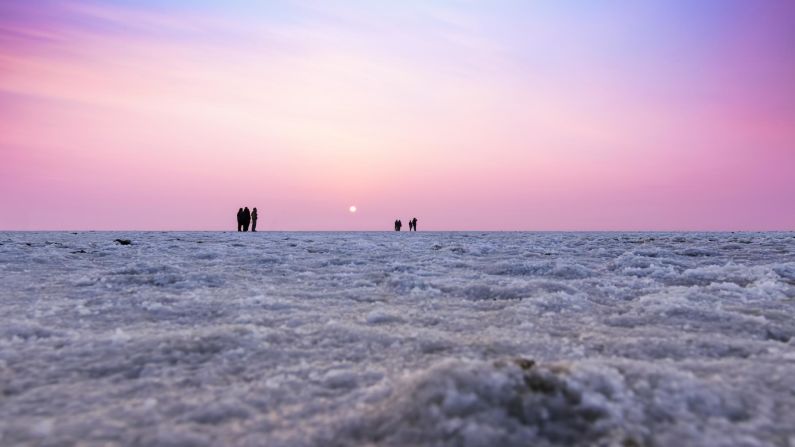
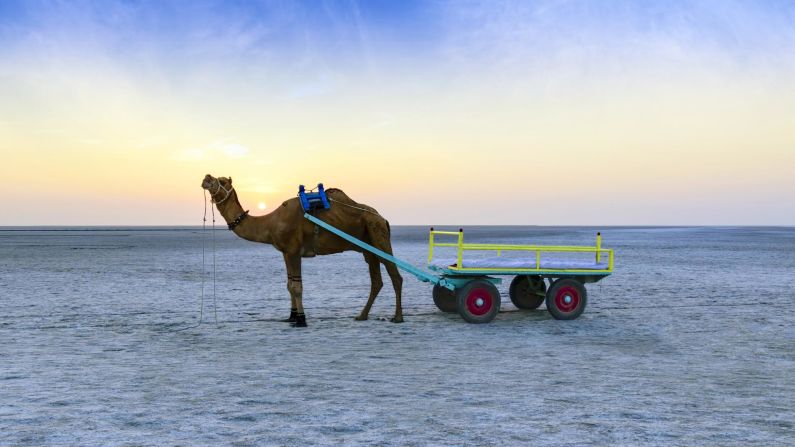
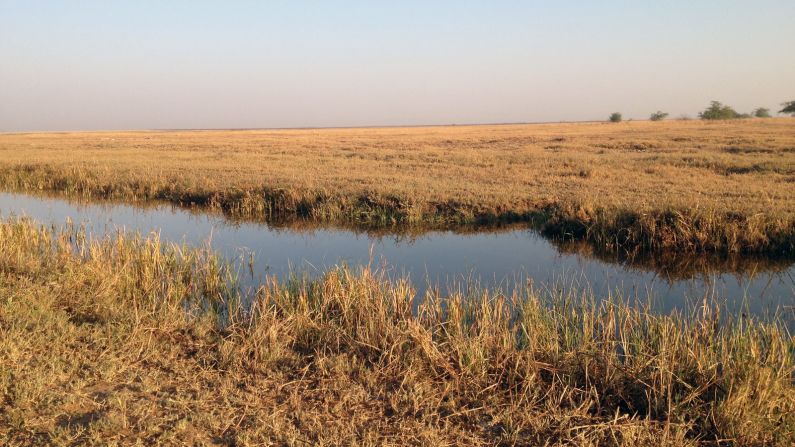
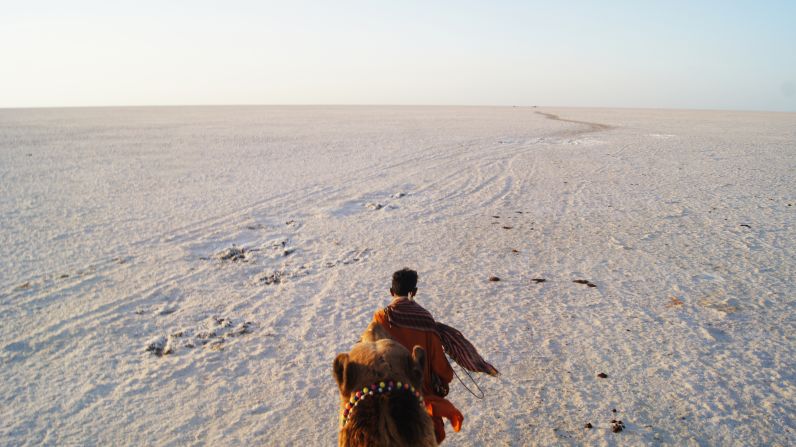
Rann of Kutch: As India's largest salt marsh, the Rann of Kutch draws travelers from all over the world. The Great Rann is home to surreal, silvery landscapes and the Little Rann is a hub of wildlife and salt farming. We asked travelers, tour guides and residents to share their favorite experiences in the region.
Shutterstock
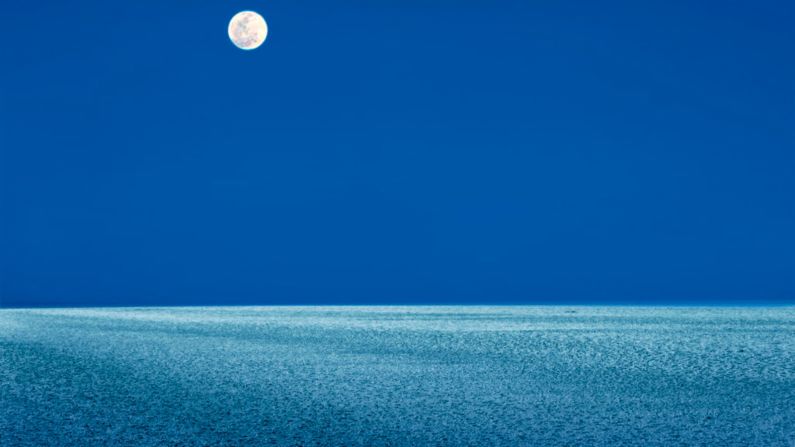
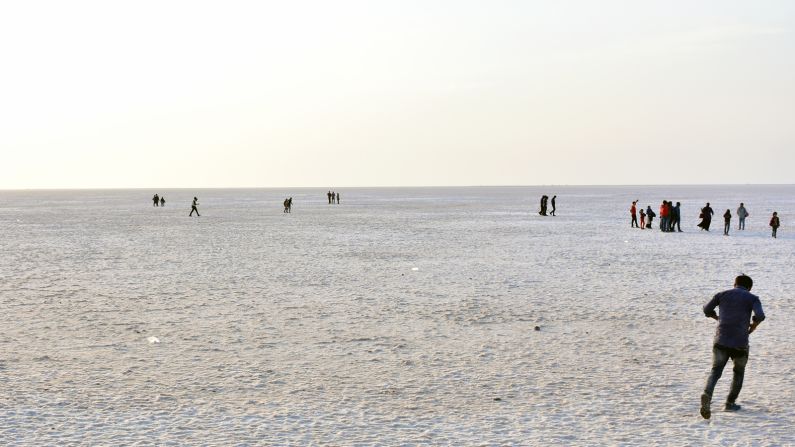
A full moon: "I first saw the Great Rann in January 2016. I highly recommend going on a full moon night," Shilpa Gautam, an investment banker based in Hong Kong, tells CNN Travel. "The white salt surface sparkled under the moonlit sky and it was ethereal."
Incredible India
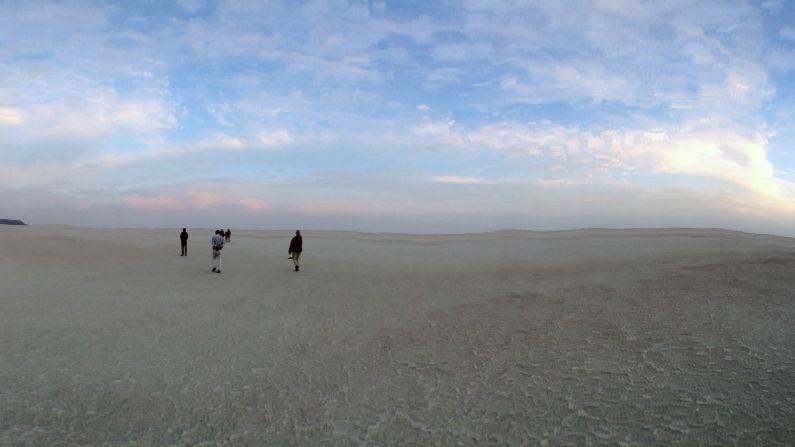
First impressions: "(In the Great Rann), it's amazing how beautiful nothingness is and how much the scene changes in the shifting light, especially sunset to a full moon," Katie Bhujwala, joint owner of local hotel The Bhuj House, tells CNN Travel.
Shutterstock
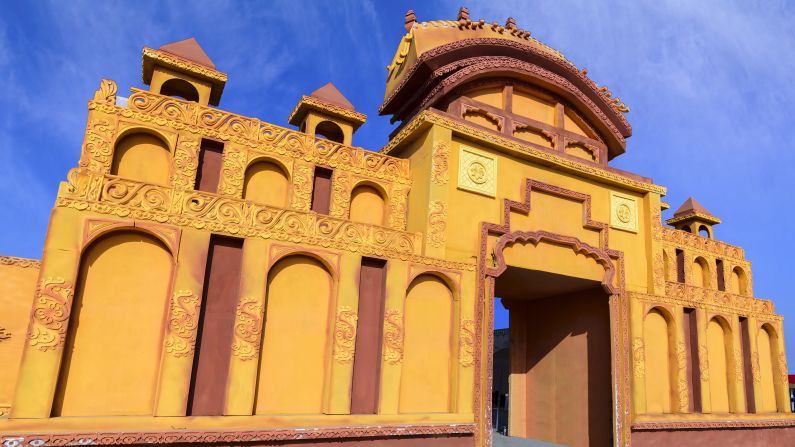
Rann Ustav: The entry gate of Great Rann of Kutch -- also known as Rann Utsav -- in Gujarat, India.
Shutterstock
Getting there: Accessible via the main city of Bhuj, the Great Rann and Little Rann are best explored on days trips with experts like Jacada Travel or Kutch Tour Guide.
From The Bhuj House
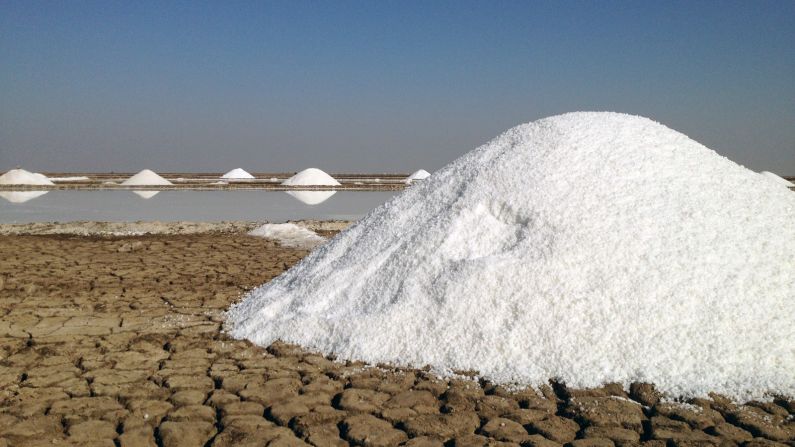
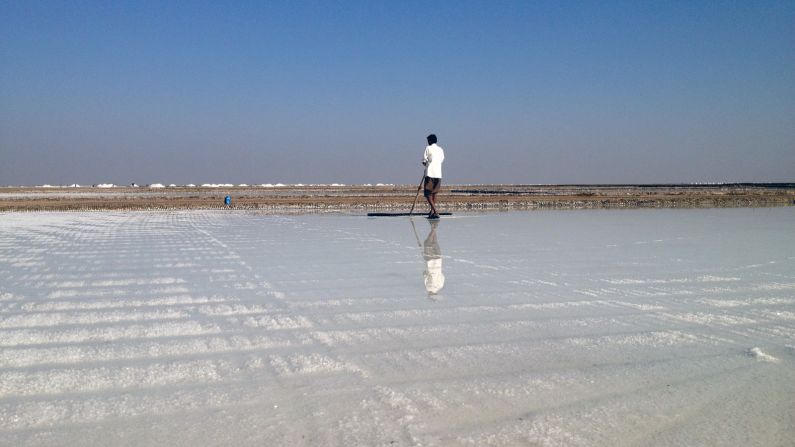
Salt production: "The first time I visited (the Great Rann), I was working on a photography project," says Shuchi Kapoor, a photojournalist and social documentarian based in India. "The next 10 days were spent in the barren, dusty and minimalistic environs, sipping sweet black tea in broken saucers offered generously by the salt workers."
From The Bhuj House
Beautiful yet brutal: "My first impression was that it was breathtaking -- even if impalpably dusty, barren, harsh, solitary, challenging," adds Kapoor.
From The Bhuj House
Beyond the Rann: "It's important to remember that Kutch is actually India's largest district," says Vishal Shah, owner of Kutch Tour Guide. "There are are so many shades, colors, landforms ... big sand dunes, fertile coastlines, and lots of wildlife. Kutch is rich with experiences."
From The Bhuj House
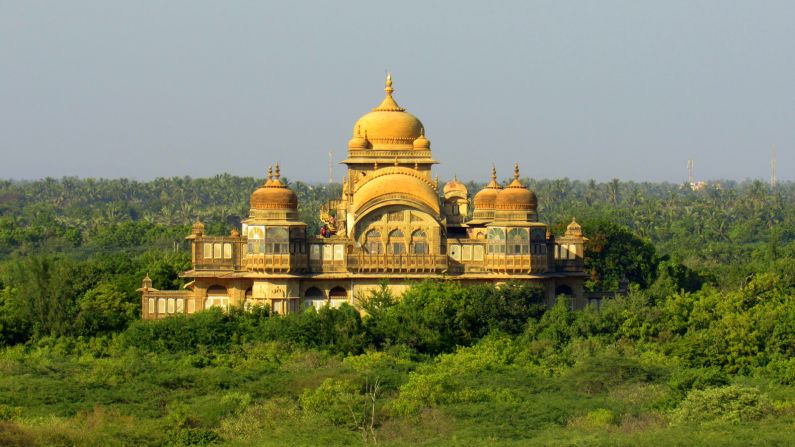
Royal residences: Southwest, near sprawling Mandvi Beach, the Vijay Vilas Palace shows how royalty once lived in Kutch. Built in 1929 by Rao Vijayrajji, the red sandstone palace features royal domes, ornate windows and 450 acres of gardens to explore.
Palak Shah
Take your time: "Usually, we suggest a minimum of five days to spend in the region," says Shah. "But there are so many things to see -- from the temples to the beaches, desert, memorials and villages -- that you could easily spend three weeks here exploring."
Palak Shah
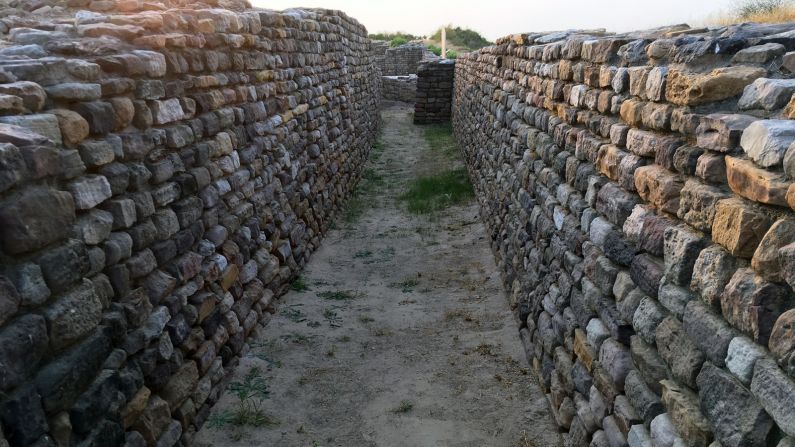
Ancient sites: "A journey should include a visit to Khadir Bet to see Dholavira -- the ancient Indus Valley site and to experience the Rann from the fossil park," says Bhujwala. "It's difficult to visit both in their best light unless you stay overnight, but you can visit Khadir Bet as a day trip from Bhuj (four hours each way)."
Vishal Shah
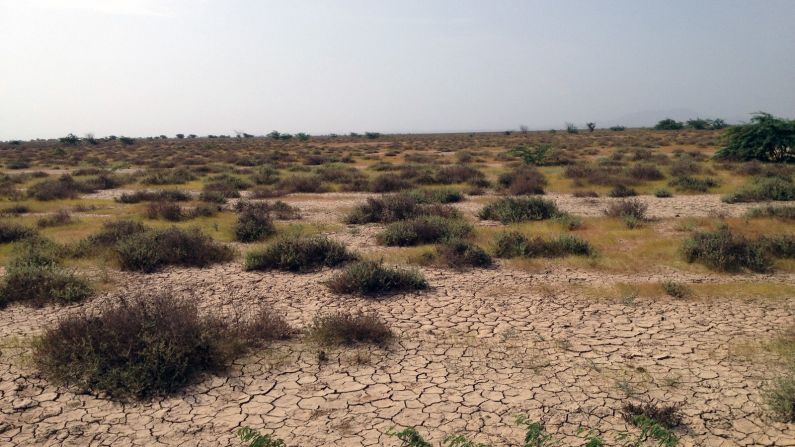
The grasslands: "The Banni wetlands (on the southern corner of the Great Rann) are stark and rugged, with vast tracts of deeply cracked earth and rocky outcrops of sedimentary sandstone whose layers glow orange and pink in the first and last lights," says Bhujwala.
From The Bhuj House
Widespread interest: "Kutch is a region that attracts geologists, paleontologists, Sanskrit poets, marine biologists, textile curators, architects, fashion designers, food bloggers ... niche groups who, for one reason or another, have all found Kutch and for many, keep returning," says Bhujwala.
Vishal Shah
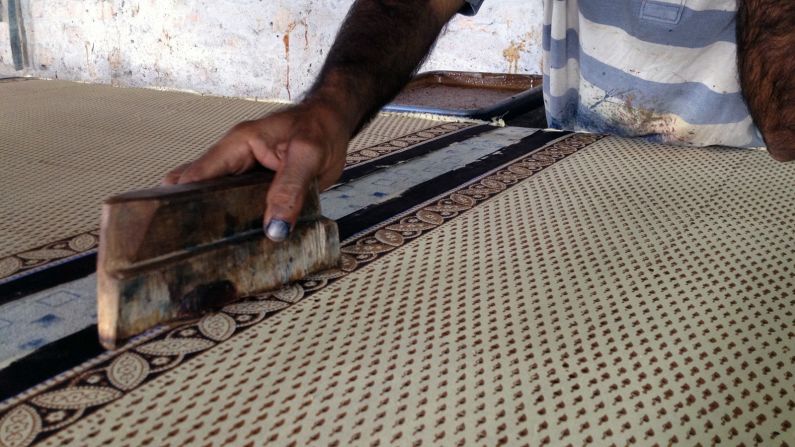
Arts and crafts: "Kutch's artisans are pursuing their traditional techniques in a very contemporary sphere," says Bhujwala. "International designers are already collaborating with them, and the textiles sourced from Kutch-based artisans are in another league to the typical Indian handicrafts."
From The Bhuj House
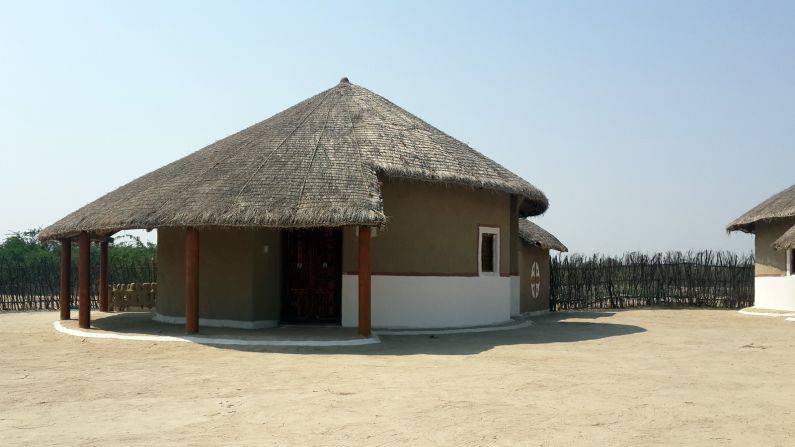
Desert romance: "Even though I grew up in Bhuj, the first time I visited as a tourist was around 2007 since it was a sensitive area (due to a territorial dispute with Pakistan)," recalls Shah. "But I returned again to do my pre-wedding shoots in the desert and, later, we stayed in a mud house on the night of a full moon."
Vishal Shah
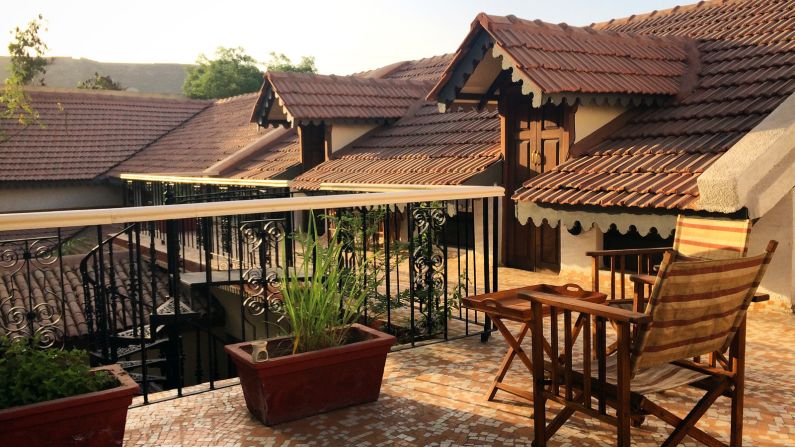
Historic charm: For a more centrally located home base, The Bhuj House in town offers a peek into the area's historic architecture. Inside the restored 19th-century Parsi courtyard house -- which still belongs to the original family -- you'll find four traditional rooms, pretty corridors, leafy trees and antique wood decor.
From The Bhuj House
When to go: "Most people visit in winter -- nights get really cold, around 32 Fahrenheit, while daytime temps go up to around 86 degrees," says Bhujwala. "The Rann fills with sea water during the monsoon season, but dries up again by November."
From The Bhuj House
Getting there: Air India and Jet Airways both offer flights from Mumbai to Bhuj, which is about 100 kilometers from the Great Rann.