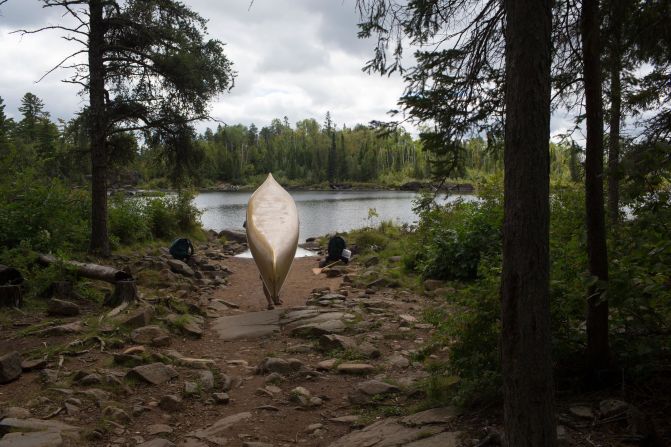
As noise pollution becomes more prevalent, non-profit Quiet Parks International is on a mission to find and protect the last quiet places on Earth. It is currently exploring 260 sites worldwide -- including Boundary Waters Canoe Area in Minnesota (pictured).
Andrew Lichtenstein/Corbis/Getty Images
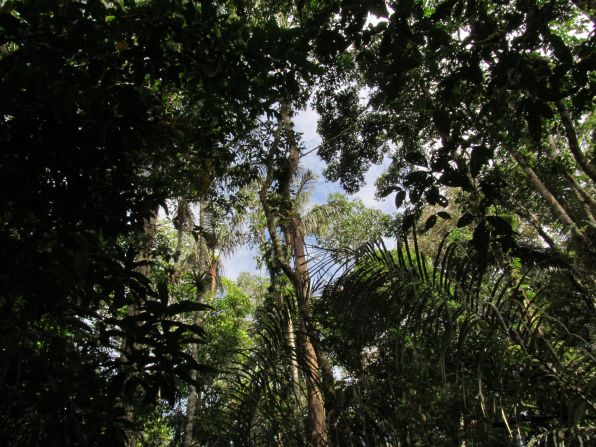
When the organization finds a location where man-made noise does not prevail, it awards it "Quiet Park" status, which it hopes will help to encourage preservation. The Zabalo River in the Ecuadorian Amazon was the first area to be awarded Wilderness Quiet Park status in 2019.
Quiet Parks International
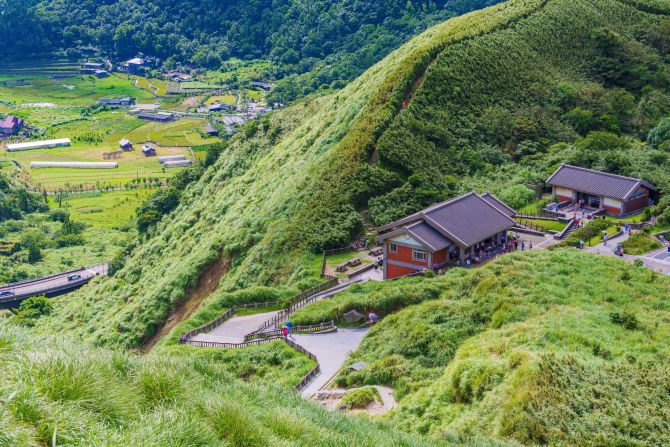
"Quiet Park" status can be awarded to both wild and urban areas -- taking into account that there will often be low background noise from transportation in urban locations -- such as Yangmingshan National Park, located just north of Taipei City, the capital of Taiwan.
Alamy
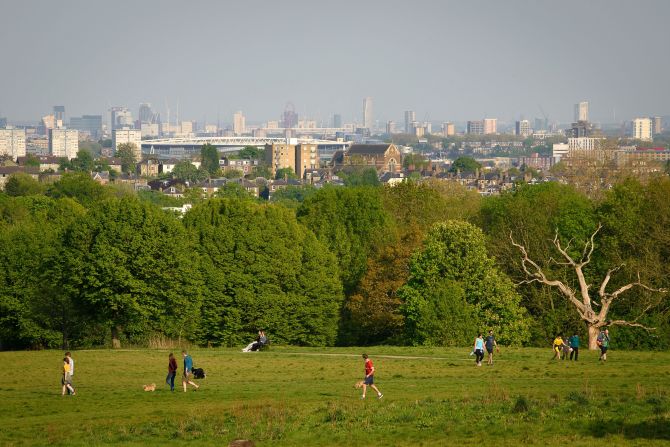
In July, London's Hampstead Heath was also awarded Urban Quiet Park status, with visitors deemed able to fully immerse themselves in the natural environment and feel secluded from the city.
Nick Harvey/Shutterstock
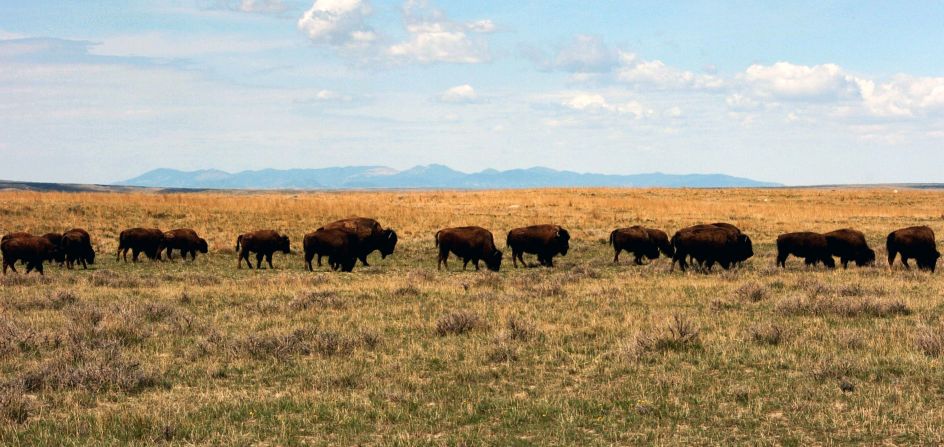
Noise pollution can have a damaging effect on both humans and wildlife. Quiet Parks International was set up by Gordon Hempton and Vikram Chauhan to raise awareness of the importance of natural silence and ensure it does not disappear. The team expects to certify several more locations as Quiet Parks before the end of this year, including the American Prairie Reserve in Montana.
Matthew Brown/AP
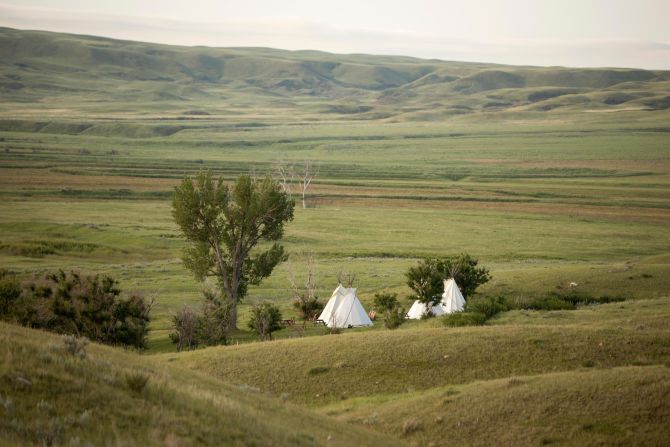
To be awarded Quiet Park status, the location goes through a number of tests, which include measuring the "noise-free interval" between man-made noises. Grasslands National Park in Saskatchewan, Canada, is being considered.
Timothy Hellum/Alamy
During the Covid-19 pandemic, noise pollution levels dropped as cities locked down and global air travel stalled. Interest in Quiet Parks International soared, with the organization receiving a huge increase in nominations for Quiet Park status. Big Bend Ranch State Park in Texas, pictured, is one of the contenders.
Whit Richardson/Alamy
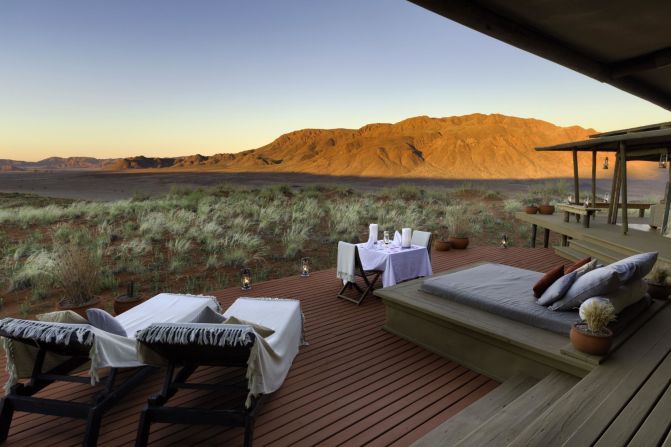
While Quiet Parks International was founded in the US, it certifies locations worldwide. The team is currently exploring the NamibRand Nature Reserve in Namibia.
Martin Harvey/UPPA/Zuma
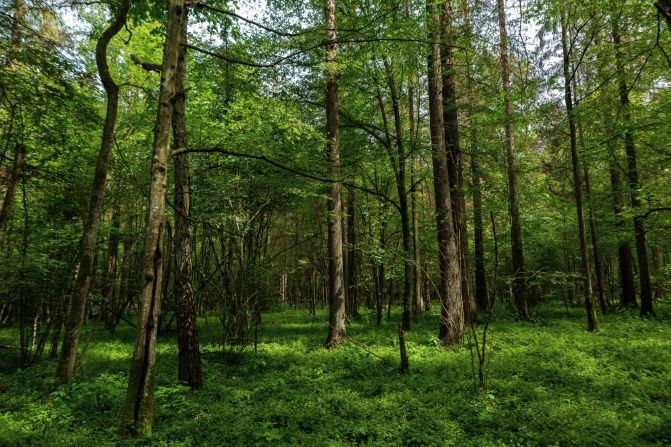
The Bialowieza Forest in Poland is also being considered for Quiet Park status. The organization believes that the designation can help generate media interest and increase ecotourism, which incentivizes local authorities to protect it.
Michael Wende/Shutterstock
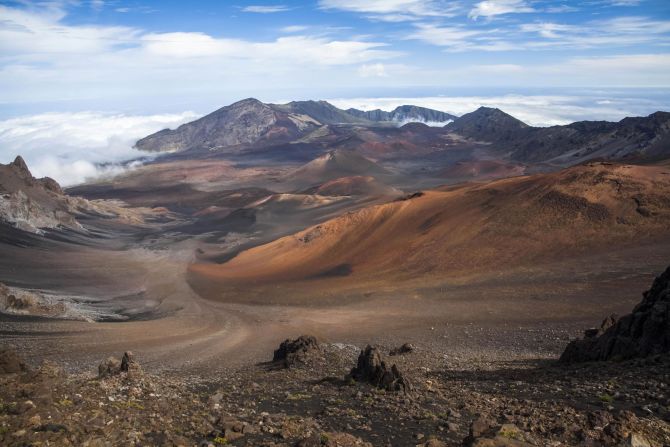
Another potential Quiet Park is the Haleakala National Park on the island of Maui, Hawaii.