DMZ wildlife: The Demilitarized Zone (DMZ) on the Korean Peninsula, where tensions of a decades-old war linger, is an unexpected haven for wildlife.
courtesy Kim Seung-ho
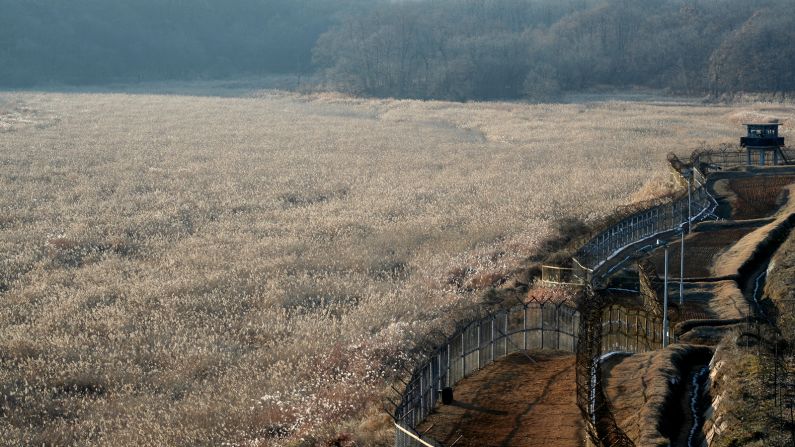
Closed since 1953: Since the armistice agreement in 1953, the 250-kilometer long, four-kilometer wide area has been closed to human interference.
courtesy Kim Seung-ho
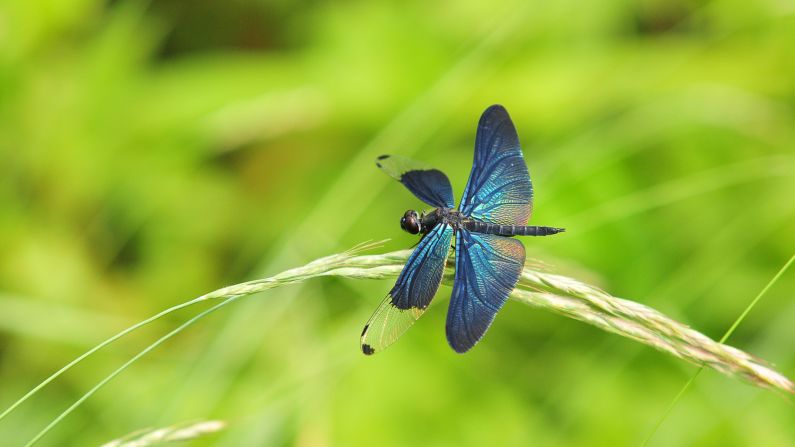
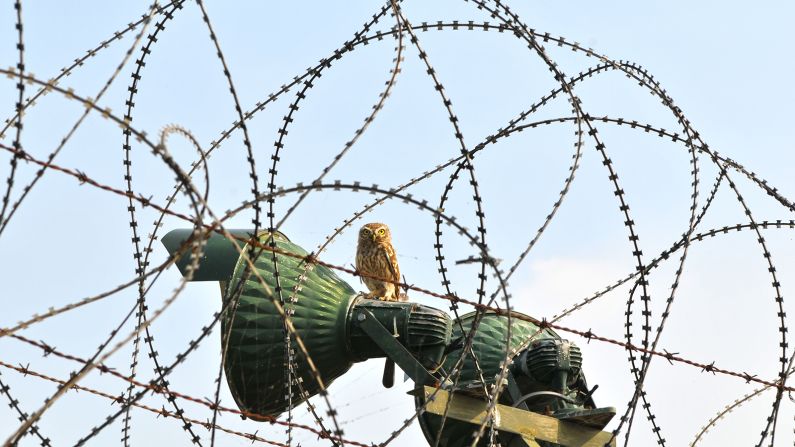
Unintended refuge: Because of the restrictions, the area became an unintended refuge for all sorts of endangered species.
courtesy Kim Seung-ho
DMZ Ecology Institute: Established in 2004 by Kim Seung-ho, the DMZ Ecology institute conducts research on the ecology of the zone.
courtesy Kim Seung-ho
6,000 species: There are about 6,000 different species of flora and fauna living inside the DMZ, according to the National Institute of Ecology of South Korea.
courtesy Kim Seung-ho
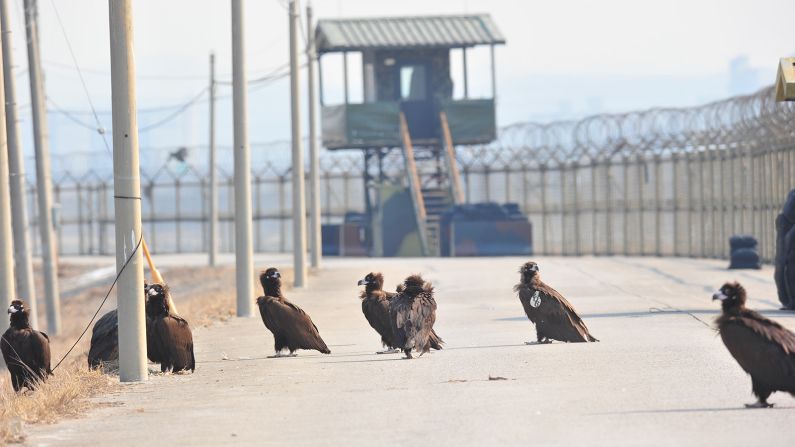
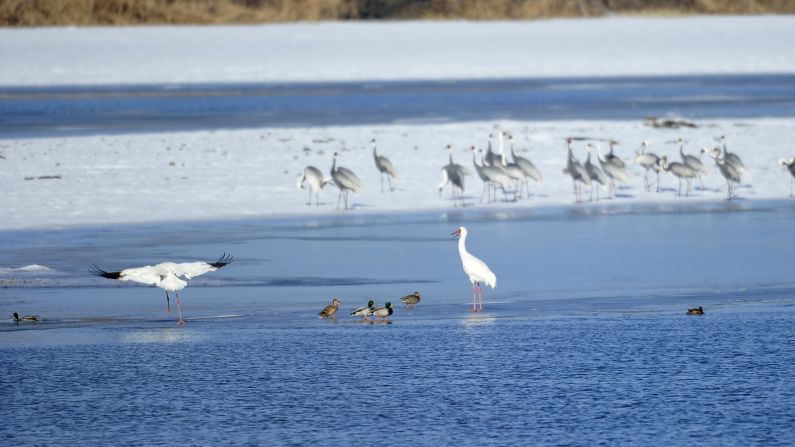
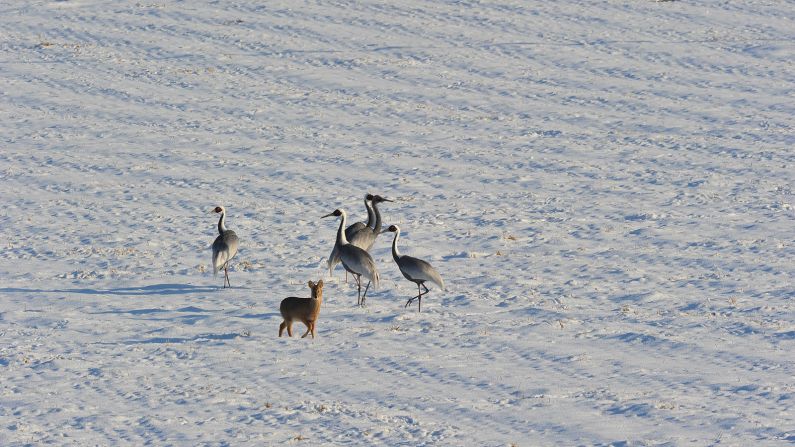
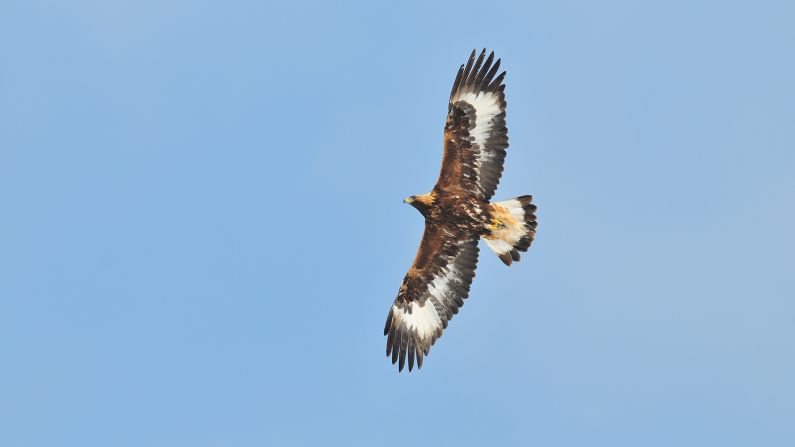
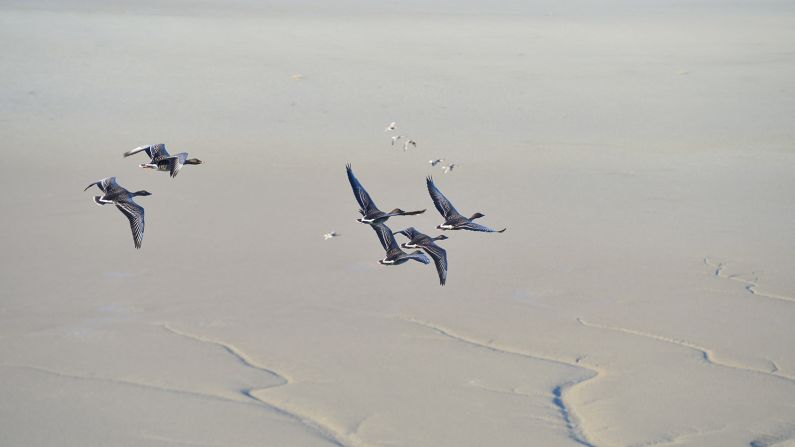
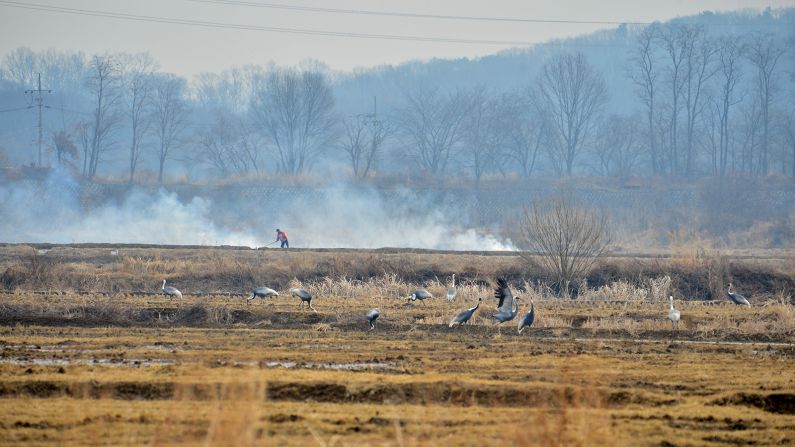
Filled with animals Migratory birds such as red-crowned cranes as well as water deer and mountain goats are some of the animals that call the DMZ home.
courtesy Kim Seung-ho
A post-apocalypse world?: "If you were to do an experiment on how new species could be restored when the earth has gone to ruins, the DMZ would be the best place," says Kim Seung-ho, the head of the DMZ Ecology institute.
courtesy Kim Seung-ho
The DMZ ecologist: Kim has been exploring the restricted areas of the DMZ every weekend for nearly 20 years.
courtesy Kim Seung-ho
Decades of learning: It took him a decade to learn the roads and to know where to find the various inhabitants of the DMZ.
courtesy Kim Seung-ho
Rare migratory birds: Kim is particularly interested in the rare migratory birds that travel from Siberia to spend winter in the DMZ's warmer wetlands, from the endangered red-crowned cranes to the vulnerable white-naped cranes.
courtesy Kim Seung-ho
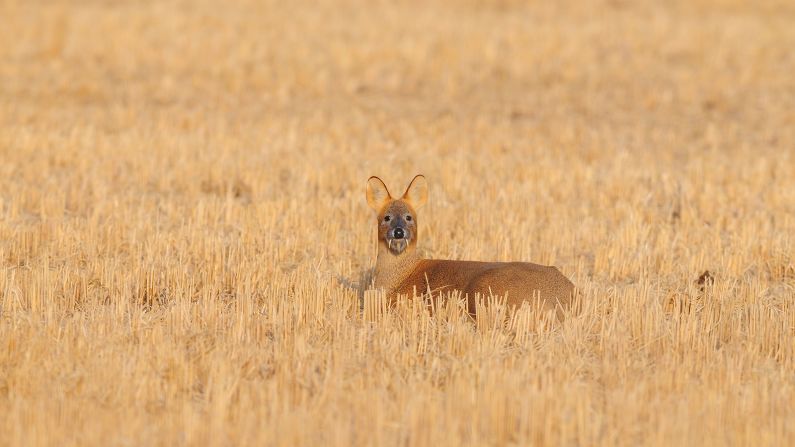
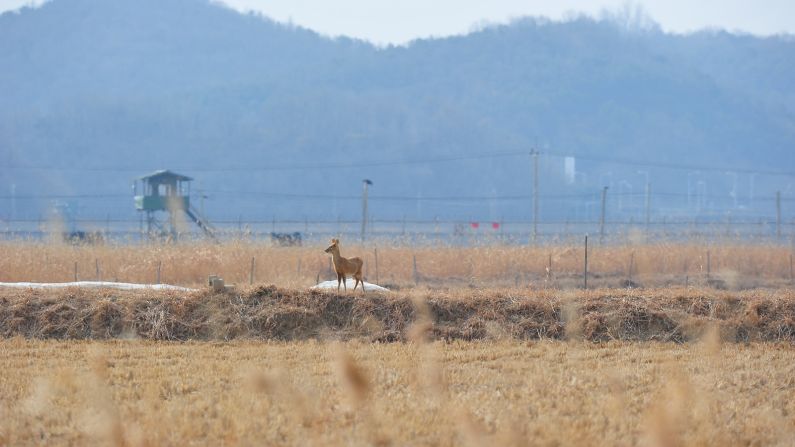
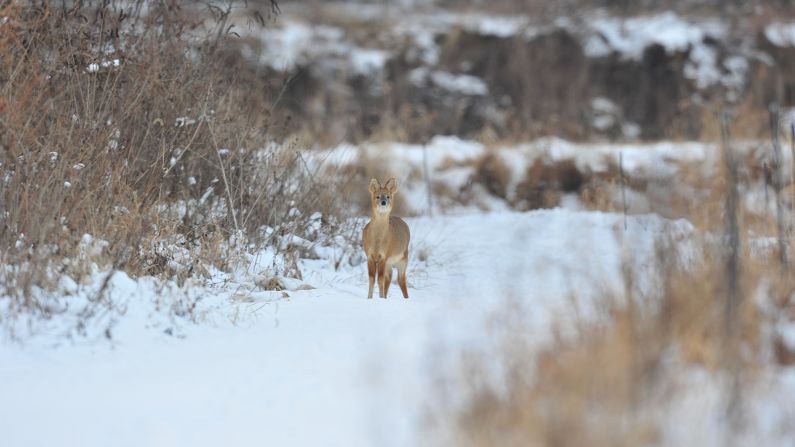
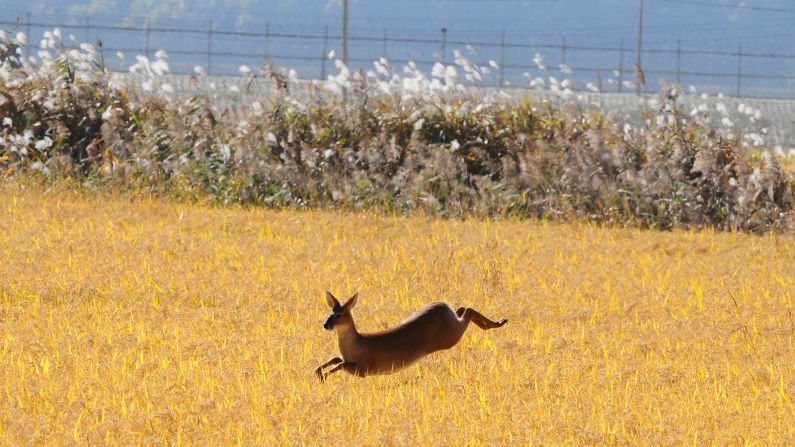
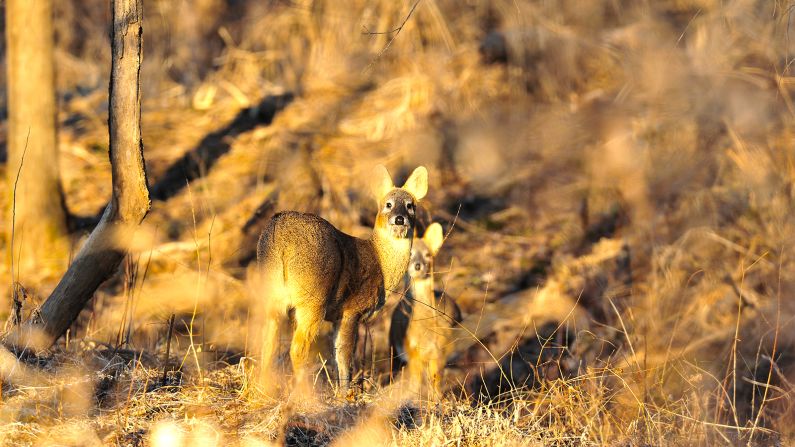
Native species: When it comes to mammals, species such as water deer (a native species known for its vampire-like fangs) and leopard cats can be spotted prowling the empty fields that abut barbed-wire fences.
courtesy Kim Seung-ho
Water deer: "They are one of the very ancient, original animal species that have not evolved much at all genetically," says Kim, "They often appear in ancient murals."
courtesy Kim Seung-ho
Using the DMZ as a tool: "One of the most agonizing questions for me is how North and South Korea can come together and utilize the DMZ as a tool of reconciliation," says Kim.
courtesy Kim Seung-ho
Safeguard the DMZ's wildlife: "I want to safeguard the biological resources of the DMZ as a tool to heal the wounds of separation."