These photographers are showing the unfiltered side of Cape Town
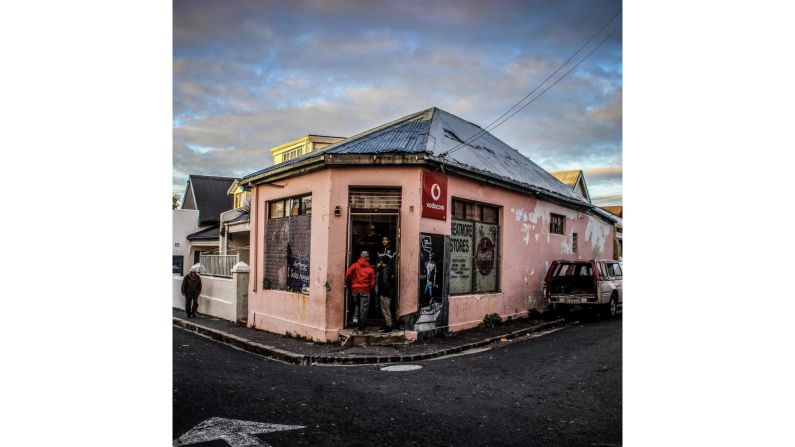
South African photographer Ismaiel Isaacs, 31, grew up in Manenberg, in the Cape Flats area of Cape Town. His photos, like this one of a corner store, depict the other side of life in one of the world's most beautiful cities.
Ismaiel Isaacs
Isaacs describes his photography aesthetic as raw, unfiltered and emotive.
Ismaiel Isaacs
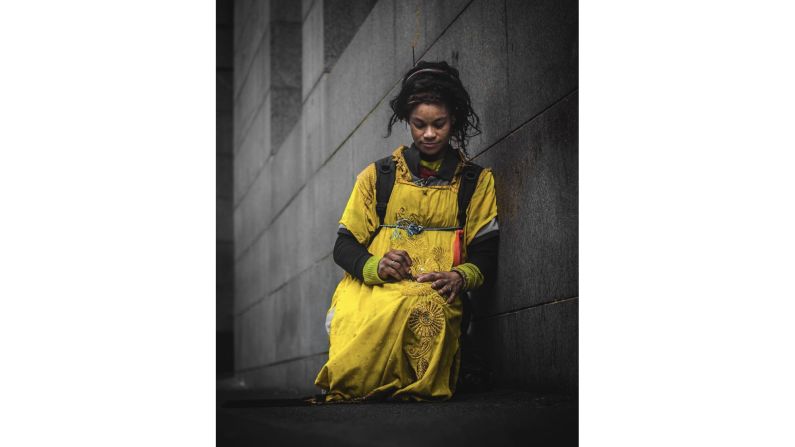
The Cape Flats area has a reputation for being one of the most dangerous parts of Cape Town. But it is also a place of great character, community and culture, Isaacs says. "The present moment is actually all you have, for worrying takes you out of the present and into the future, which you cannot control anyway," he wrote on Instagram when he posted this portrait.
Ismaiel Isaacs
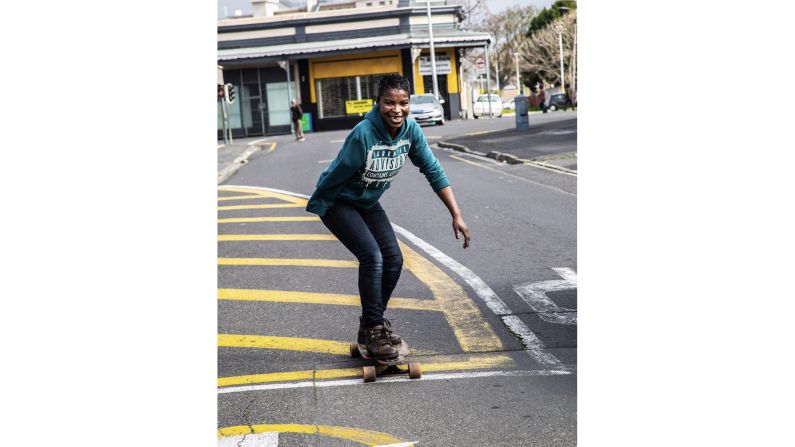
"I try and convey a message of the beauty that's in the struggle," Issacs tells CNN. "[It's] not only the struggles that we go through that make us stronger people, but people that live here -- they are beautiful."
Ismaiel Isaacs
The Cape Flats are a flat, sandy urban sprawl on the outskirts of Cape Town's city center. Beginning in the early 1950s, under South Africa's apartheid government, people of color were forcibly relocated there earning it the reputation of "apartheid's dumping ground."
Ismaiel Isaacs
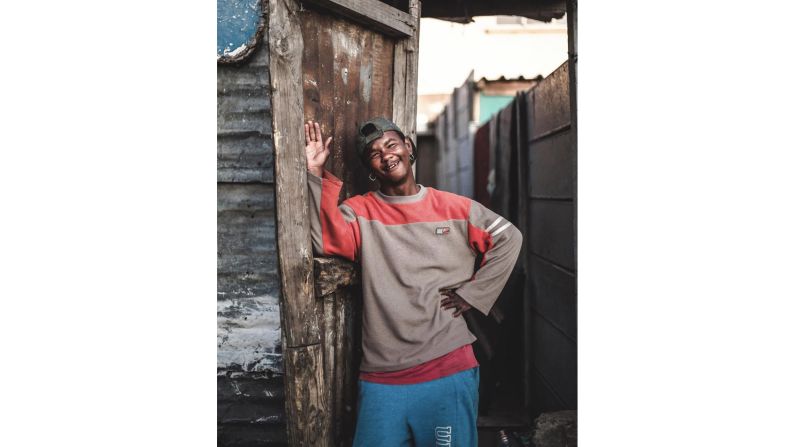
"You're unique in your own way, just like Armpie in the picture," Isaacs wrote on Instragram with this picture. "Keep smiling."
Ismaiel Isaacs
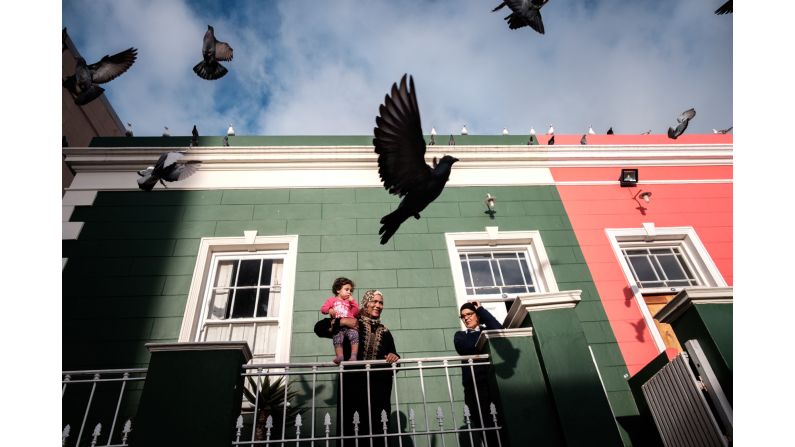
Photographer Barry Christianson, 38, also grew up in the same area. His photos often focus on spaces and the people who occupy them -- like this picture from Cape Town's Bo-kaap neighborhood. "Many of its poorer residents are battling to hold onto their homes due to the effects of gentrification," Christianson wrote on Instragram.
Barry Christianson
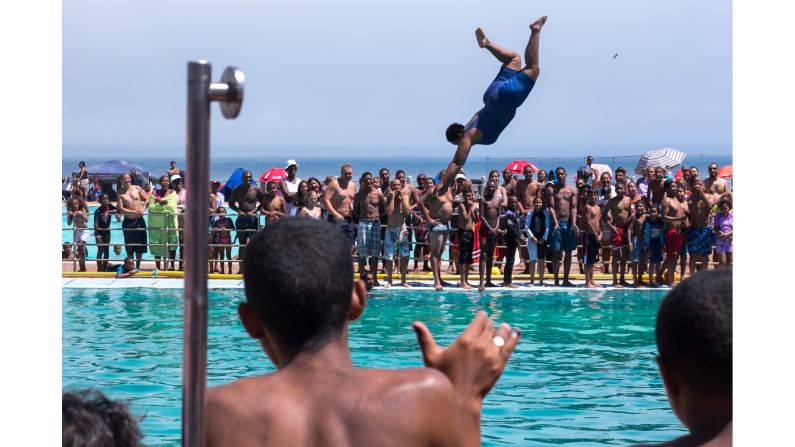
"Cape Town is a fundamentally fractured city, as divided as it is beautiful," Christianson tells CNN. "There are multiple cities existing side by side -- some for the haves and others for the have-nots."
Barry Christianson
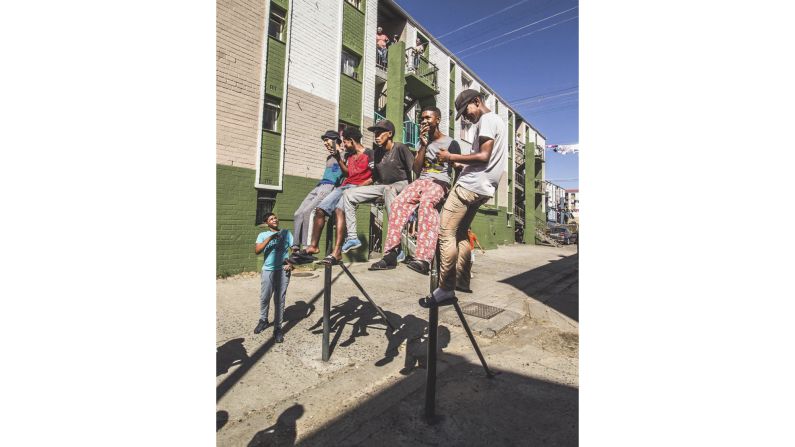
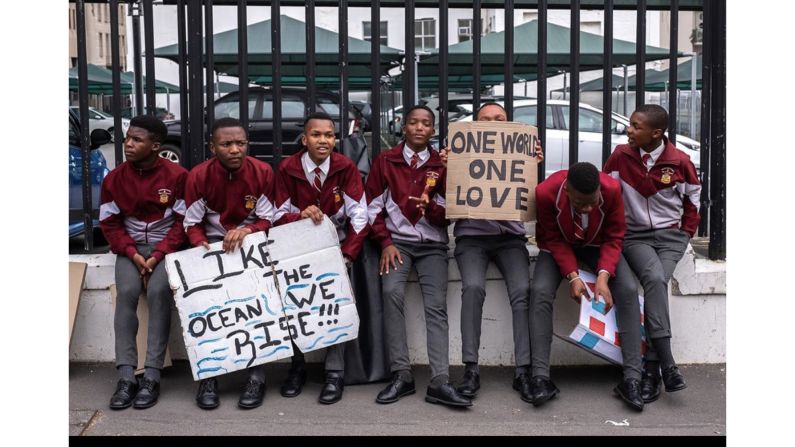
Christianson captured this photo of boys from Manzomthombo Secondary School, during the 2019 global climate strike in Cape Town.
Barry Christianson
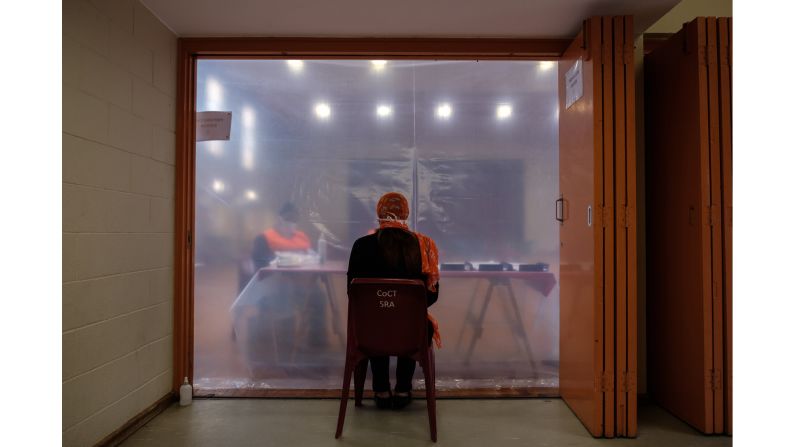
South Africa endured a strict lockdown that began in late March, and only recently began to ease. Here, Christianson shows the first patient sitting in consultation with healthcare workers, "before being tested for Covid-19 at the Schotschekloof Civic Center. This was the first community run screening and testing in Bo-kaap."
Barry Christianson
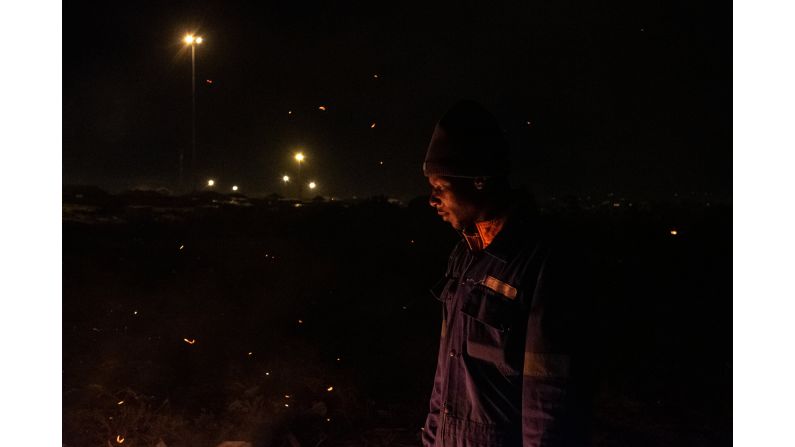
For as long as he can remember, social and geographic disparity have impacted the way Christianson has viewed the city he calls home. "Lulamile Paleso warms himself at a fire where his shack used to stand," he wrote as the caption for this photo. "He could no longer afford to pay rent as a backyarder, so moved his shack to Empolweni."
Barry Christianson
"[Cape Town is a] city that keeps moving people around, a very specific group of people around, who are never really allowed to stay in one place permanently," he says. The legacy of forced removals remains a deeply sensitive and difficult issue in South Africa today, which has had the most profound effect on non-white communities.
Barry Christianson
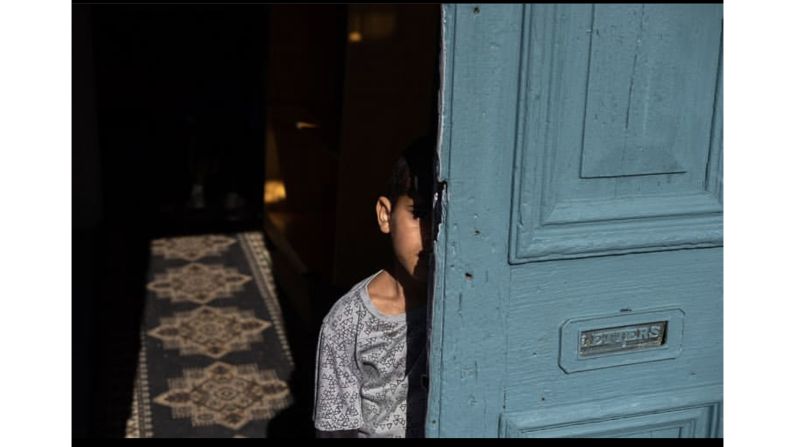
"Even though I photograph space," Christianson says, "I try to bring out personal stories and personal histories, and how people relate to Cape Town." This photo shows a young boy standing at the door of his grandmother's home that was built in 1863. Christianson wrote that when the grandmother was asked if she would ever consider selling, she replied: "Never. When I die, I want to be carried out of this house to my grave."
!["I try and convey a message of the beauty that's in the struggle," Issacs tells CNN. "[It's] not only the struggles that we go through that make us stronger people, but people that live here -- they are beautiful."](https://media.cnn.com/api/v1/images/stellar/prod/200619180833-04-cape-town-unfiltered-isaacs.jpg?q=w_2000,h_1125,x_0,y_0,c_fill/h_447)
!["[Cape Town is a] city that keeps moving people around, a very specific group of people around, who are never really allowed to stay in one place permanently," he says. The legacy of forced removals remains a deeply sensitive and difficult issue in South Africa today, which has had the most profound effect on non-white communities.](https://media.cnn.com/api/v1/images/stellar/prod/200619183239-16-cape-town-unfiltered-barry-img-0439-jpg.jpg?q=w_2000,h_1125,x_0,y_0,c_fill/h_447)