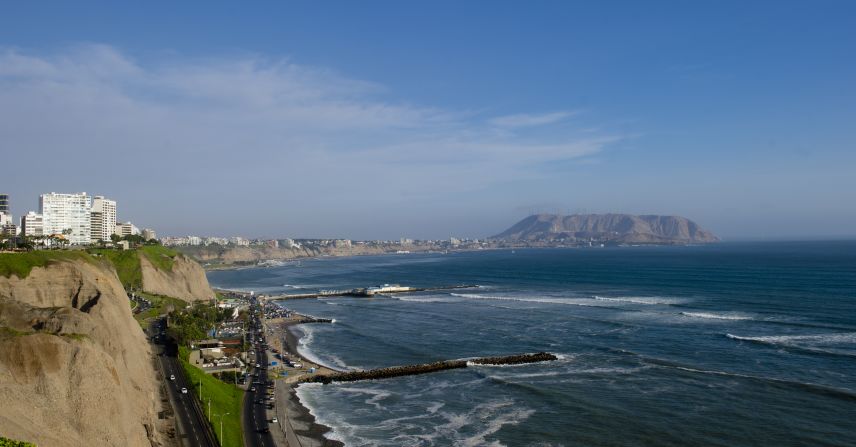
Lima is Peru's largest city by far. It's home to more than a quarter of Peru's roughly 30 million people, has wonderful food, the beautiful Miraflores District (where you can drink while overlooking beaches) and excellent museums.
Martin Bernetti/AFP/Getty Images/File
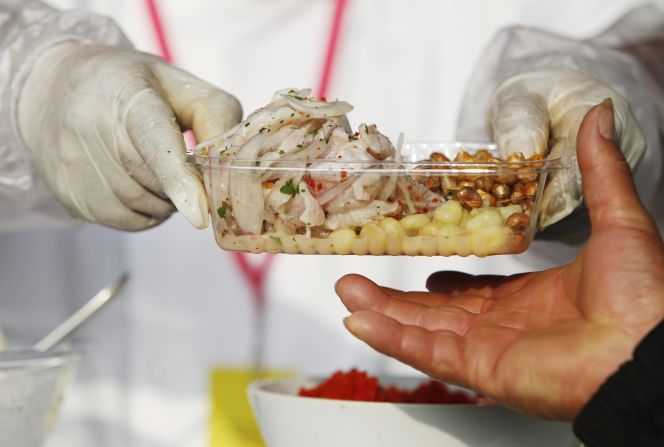
You're gonna love the ceviche —
Fresh, raw fish marinated in citrus juices and spiced with chili peppers or other tongue-burning spices, ceviche is Peru's most popular dish and a must-try for any visitor.
ENRIQUE CASTRO-MENDIVIL/Reuters /Landov
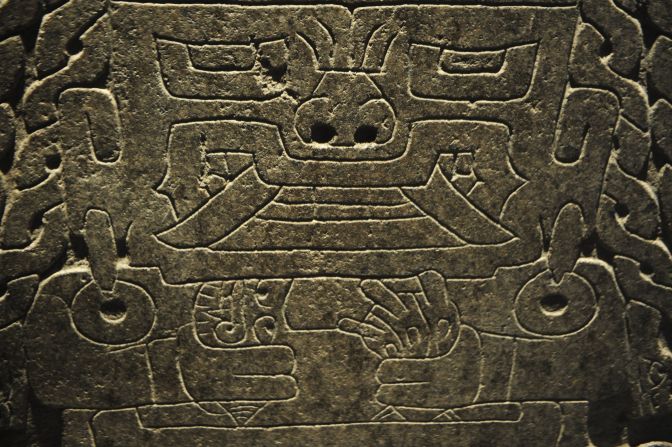
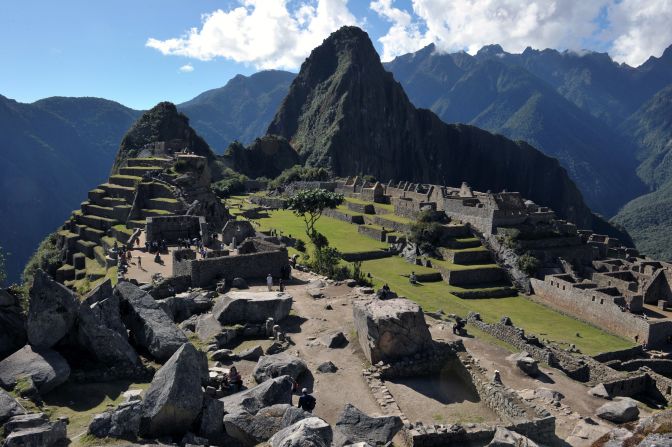
There's more to Peru than Incas —
The Incan state didn't emerge until the 1200s, became an empire in the 1400s and its final sovereign emperor died in 1533. Was this a highlight of Peruvian history? Unquestionably. But there's a lot more history to explore in this corner of South America.
ERNESTO BENAVIDES/AFP/Getty Images
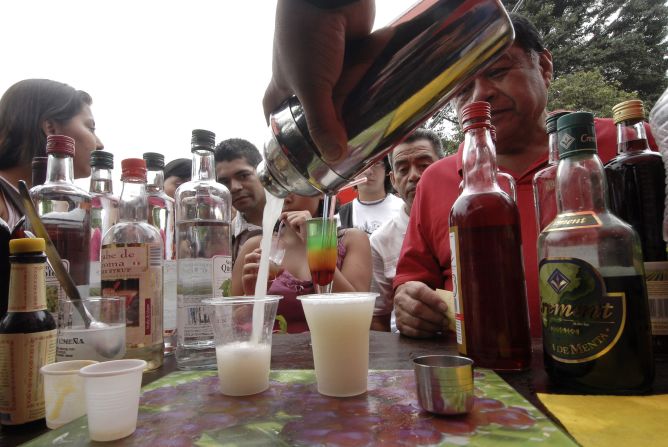
Pisco rules —
Peru's beverage of choice is pisco, a brandy made from grapes. It's usually consumed in cocktail form, meaning other ingredients largely hide its nuances, which can be a good thing for novices unaccustomed to pisco's blowtorch nuances.
AFP/Getty Images
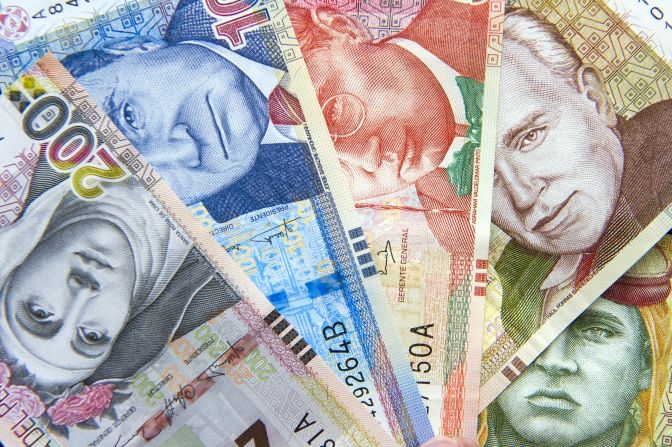
Cash is king —
Travelers in less trafficked areas of the world often find businesses that won't take MasterCard or Visa, much less American Express. In general, Peruvians like their soles (the currency is the nuevo sol) in small denominations.
CRIS BOURONCLE/AFP/Getty Images
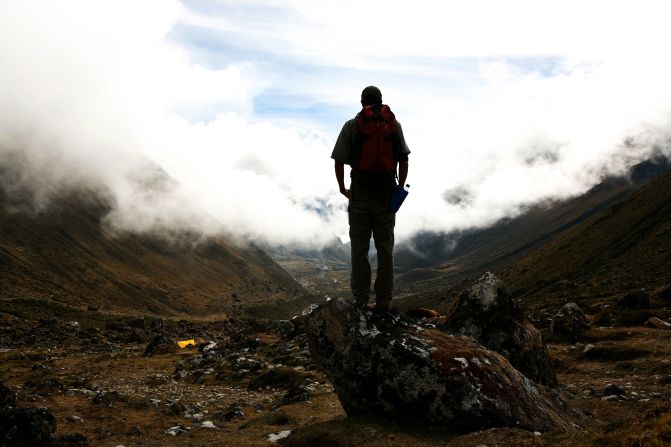
Altitude adjustment —
Peru's most popular attractions are high in the mountains. How is a lowlander to prepare? The easiest method is drink lots of water, get plenty of sleep and ease off the booze.
Brent Stirton/Getty Images
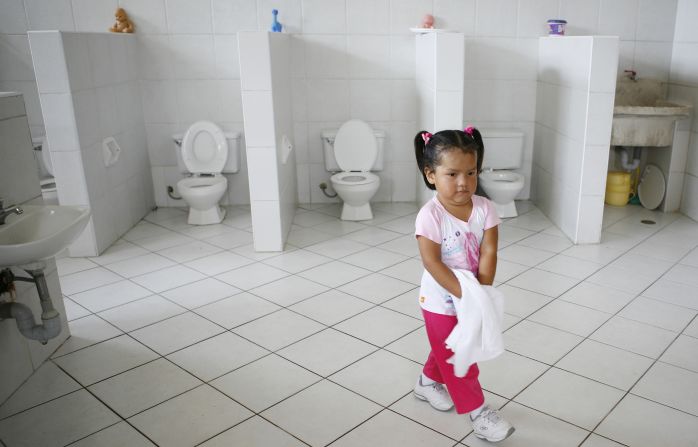
The plumbing requires some TLC —
Expect to see trashcans in bathrooms next to the toilet. While Peruvian plumbing handles your waste, it doesn't do toilet paper, which must be put in the bin next to the bowl.
ENRIQUE CASTRO-MENDIVIL/Reuters/Landov
The Inca Trail is genuinely difficult —
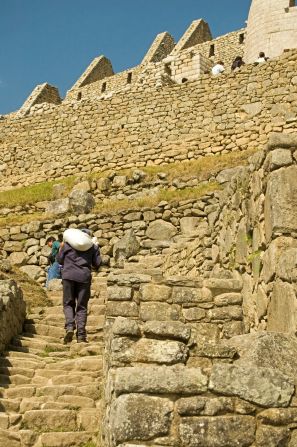
The Inca Trail largely consists of stone stairs -- often steep ones. Doing some challenging hiking before your trip will pay off in Peru. In addition, while altitude sickness tends to be exaggerated, there'll come a moment when you're going up a hill and find your lungs have betrayed you. Just be ready for that.
Cris Bouroncle/AFP/Getty Images
There are ways to ease your Inca pain —
Depending on the company guiding you on the Trail, it's possible to get porters to carry your tent, sleeping bag, food, and ... well, they'll essentially carry everything, including you, should your body completely fall to pieces.
Education Images/UIG via Getty Images
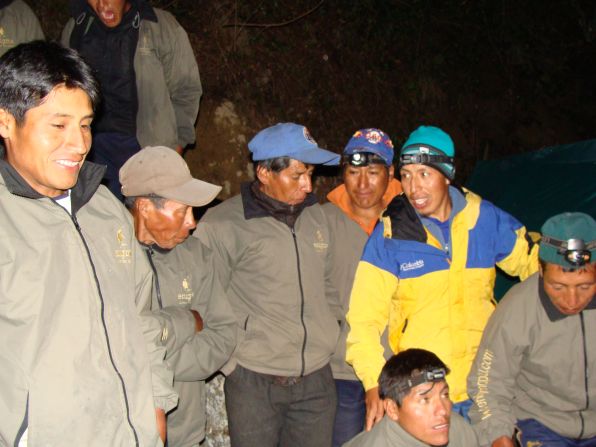
Porters are the toughest guys —
These men tend to be farmers or laborers looking to earn extra money. They carry up to 20 kilograms (44 pounds) of gear -- the weight limit is a recent development as they used to handle positively spine-shattering loads.