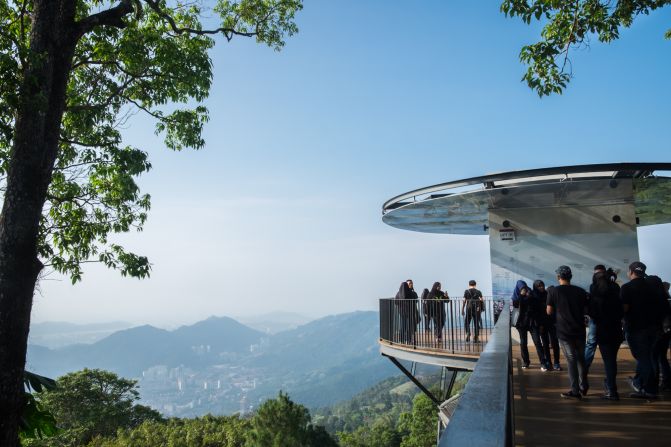
Penang Hill: Penang's highest point has lush hiking trails all the way down to the botanical gardens and the world's steepest funicular railway. Its new eco-park, The Habitat, aims to promote environmental consciousness and conservation awareness tourism.
Kit Yeng Chan
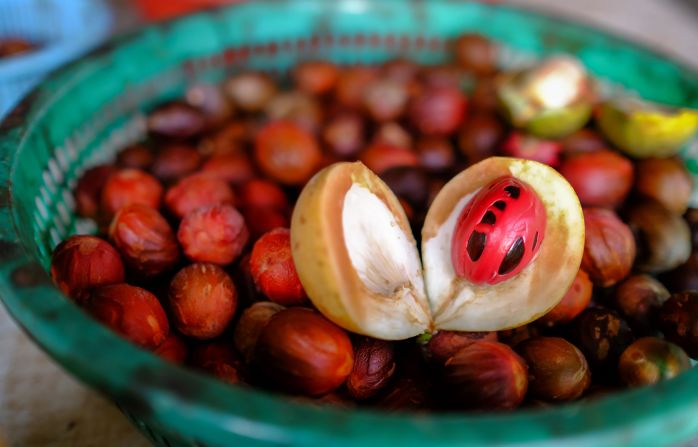
Balik Pulau: This area in the south of Penang is filled with durian farms, Chinese stilt villages and a few decent beaches. It's also home to Ghee Hup Farm, Penang's biggest nutmeg producer. The popular spice has been cultivated for centuries on Penang.
Kit Yeng Chan
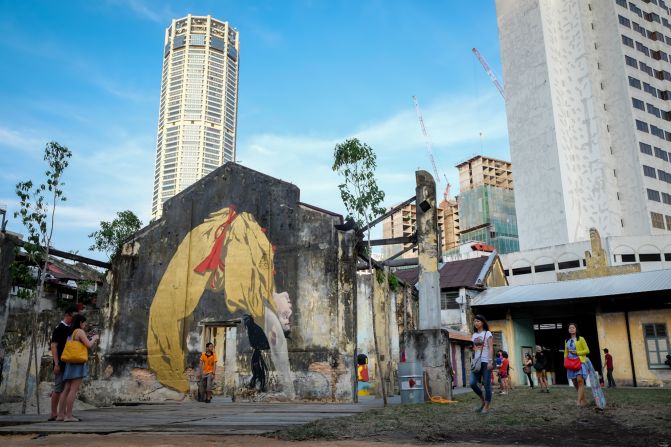
Hin Bus Depot: Penang's growing local art scene is based out of this former parking lot turned decadent chic art and dining space in George Town.
Kit Yeng Chan
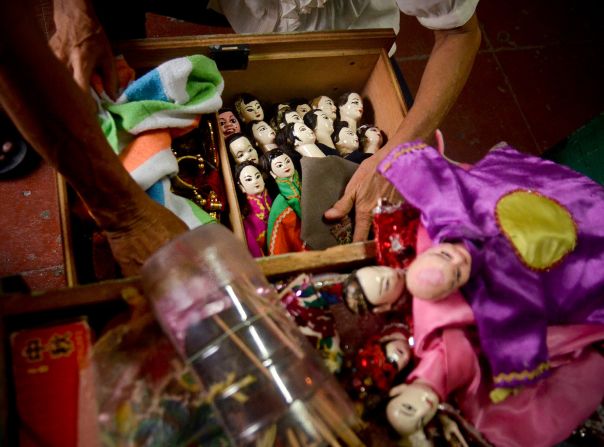
Potehi: One of Penang's dying traditions, traditional Hokkien glove puppet theater is kept alive by just four troupes.
Chew Win Chen
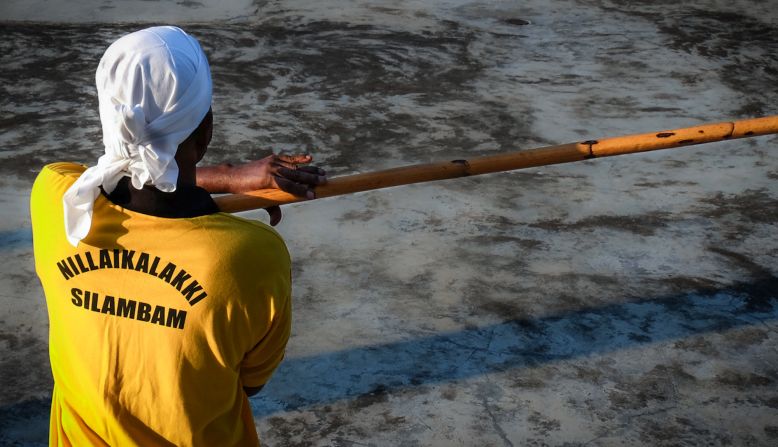
Ancient stick-fighting: Penang has been preserving silambam nillaikalakki, a traditional Dravidian Indian stick-fighting martial art transplanted from Tamil Nadu, since 1936. Visitors can study silambam for free on the top of Balai Rakyat Tun Sardoon, a community hall tucked away in Gelugor district.
Kit Yeng Chan
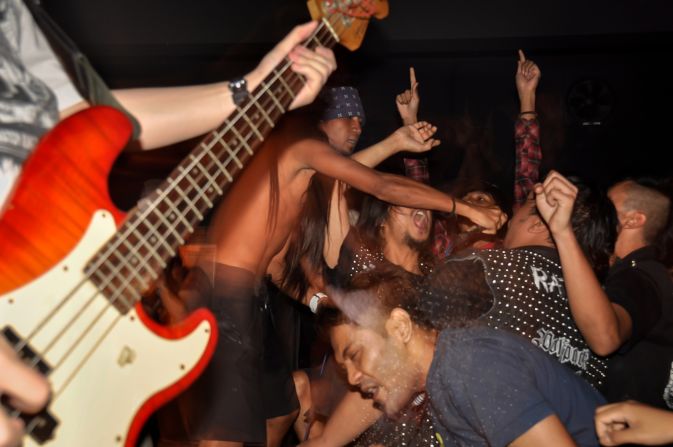
Penang punk: Punk rock, metal and alternative music thrive at Penang bar Soundmaker, one of Asia's best underground clubs.
Kit Yeng Chan
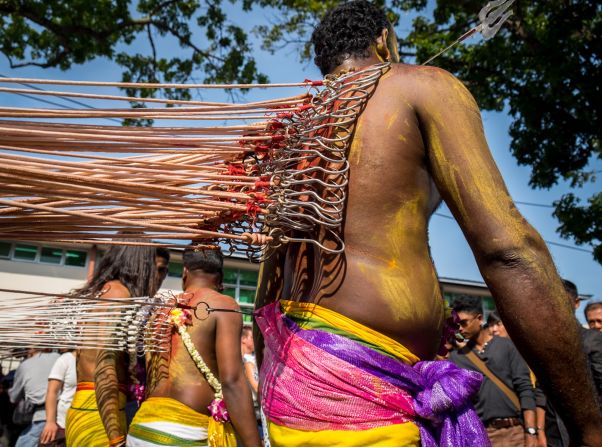
Thaipusam: Punk rockers have got nothing on Thaipusam devotees, seen here with ropes hooked into their bare backs. This wild eight-kilometer procession from George Town to Penang Hill's flanks commemorates the fight between Lord Murugan and the demon Soorapadam.
Kit Yeng Chan
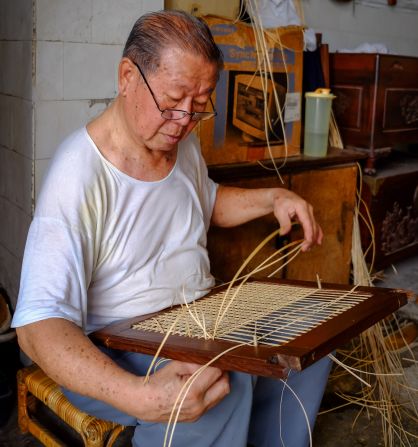
Multi-ethnic artisans: Penang is home to a series of old shops where multi-ethnic artisans hand-craft traditional goods, including Muslim skullcaps, Chinese signboards, metal anchors, rattan furniture and paper effigies for Taoist ritual burning.
Kit Yeng Chan
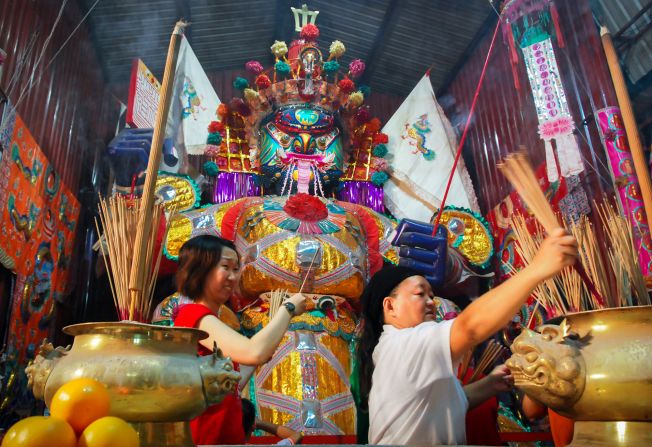
Hungry Ghost Festival: According to legend, during the seventh month of the Lunar year, King of Hell Tai Su Yah opens the gates of the netherworld, unleashing the dead upon the Earth. Penang's lanes and street corners fill up with lean-tos housing impromptu shrines, each adorned with one watchful paper statue of Tai Su Yah.