Okinawan cuisine: The Japanese food you don’t know
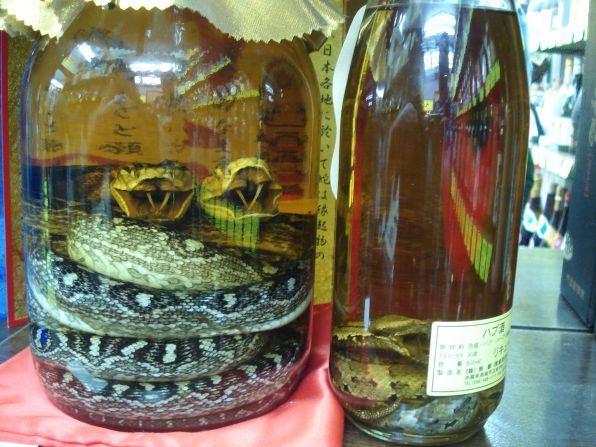
Unique cuisine: Japan's southernmost prefecture of Okinawa has its own unique food culture, the result of both its location and complex history. Among its many culinary delights are habushu, an awamori-based snake liqueur.
Scott R/Flickr
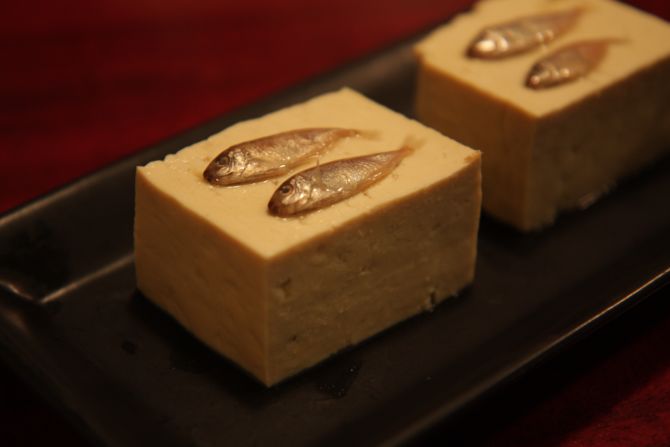
Local delicacy: Sukugarasu is a firm tofu topped with salted baby fish and is a classic Okinawan accompaniment to sake or awamori.
chichacha/Flickr
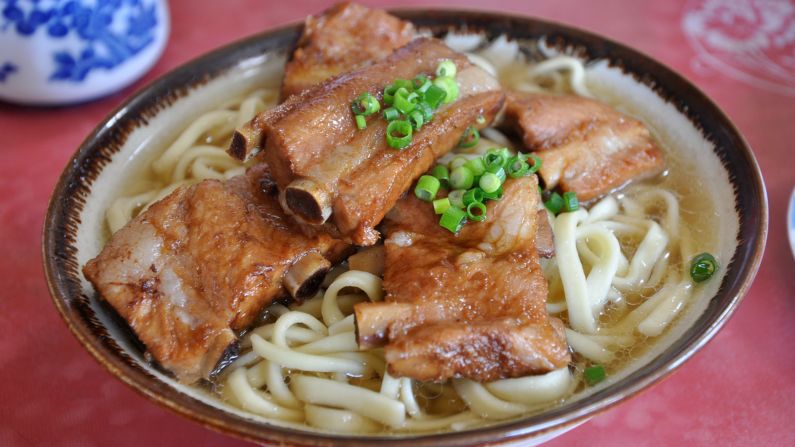
Popular dish: Okinawa soba -- noodles -- are firm and chewy and come served in a clear broth of pork, bonito fish flakes and konbu (kelp). Soki (slow-cooked spare ribs) is one of the most common toppings.
Banzai Hiroaki/Wikimedia
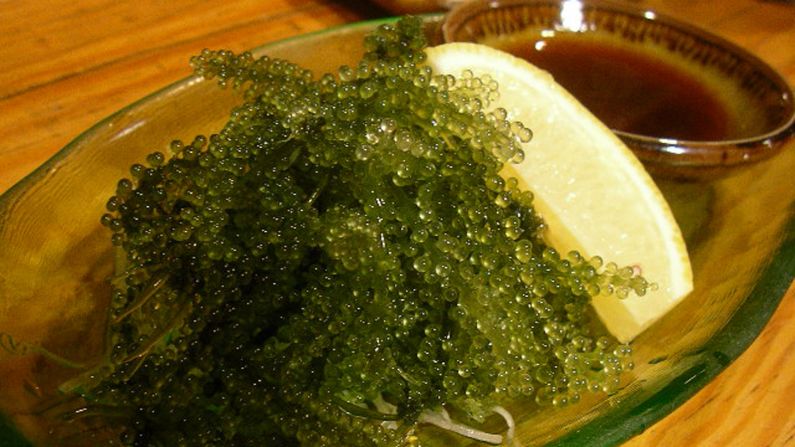
Green caviar: Umi budo (sea grapes) are delicate seaweed clusters that resemble miniature bunches of grapes, hence the name. Served with a tangy ponzu dipping sauce, the bubbles of bliss pop like caviar in your mouth.
Jetalone/Flickr
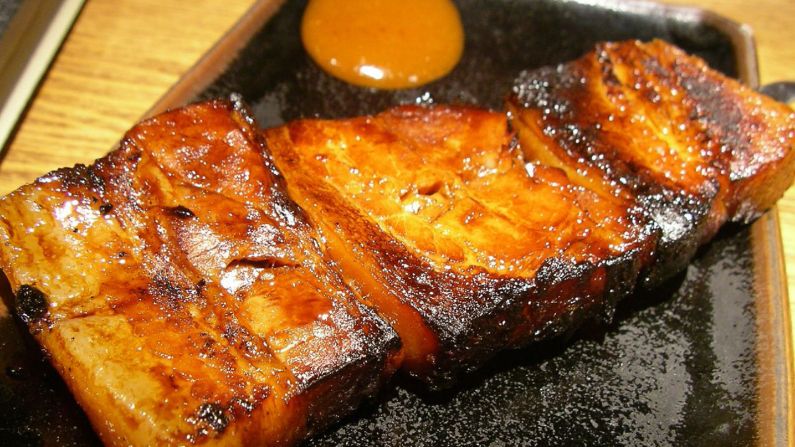
Glazed pork: Rafute are succulent slabs of pork belly simmered in soy sauce and glazed with brown sugar. It is sweet and savory, usually eaten on its own, or as a topping for Okinawa soba.
Jetalone/Flickr
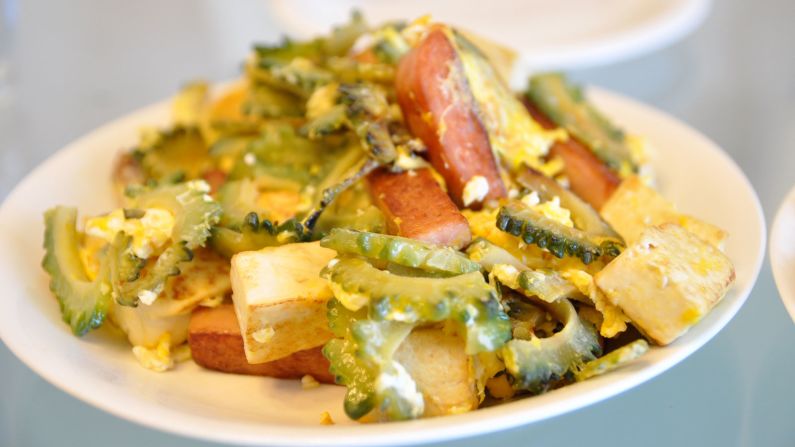
Staple food: Okinawa's signature dish is goya champuru, a melange of vegetables based around goya -- a bitter green gourd. Loaded with vitamin C, it's prized as a restorative, especially during the steamy summer months.
Banzai Hiroaki/Wikimedia
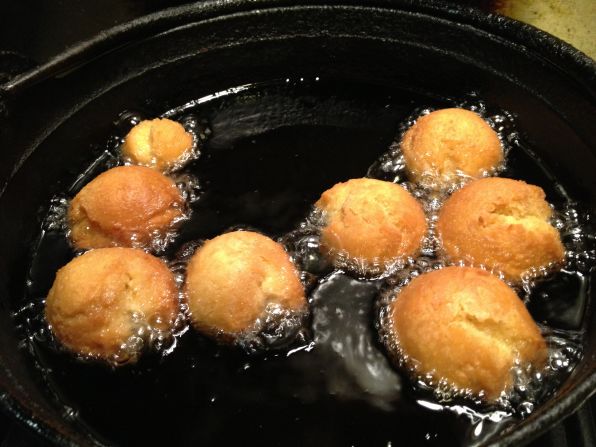
Sweet buns: Sata andagi (the name means literally "deep-fried sugar") are Okinawan donuts, a heavyweight confection with a crisp, deep brown crust encasing a dense, cakey center.
305 Seahill/Flickr
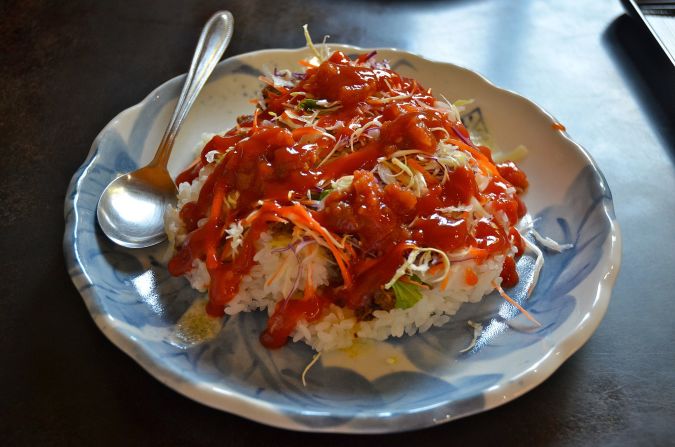
Taco rice: A bowl of spiced ground beef, cheese and salsa served on top of white rice -- is perhaps one of the U.S. military's greatest contributions to Okinawan cuisine, a specialty at countless restaurants across Japan.
Jpatokal/Wikimedia
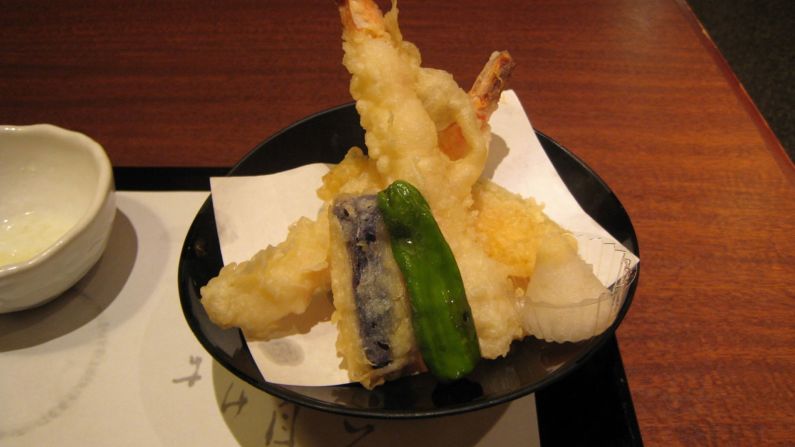
Okinawan tempura: Okinawans have embraced this Japanese standard wholeheartedly, using local ingredients such as purple sweet potatoes and goya in place of the prawns, eggplant and mushrooms typically served at Japanese restaurants.