Nanjing’s Presidential Palace offers rare insights into China’s modern history
Nanjing Presidential Palace —
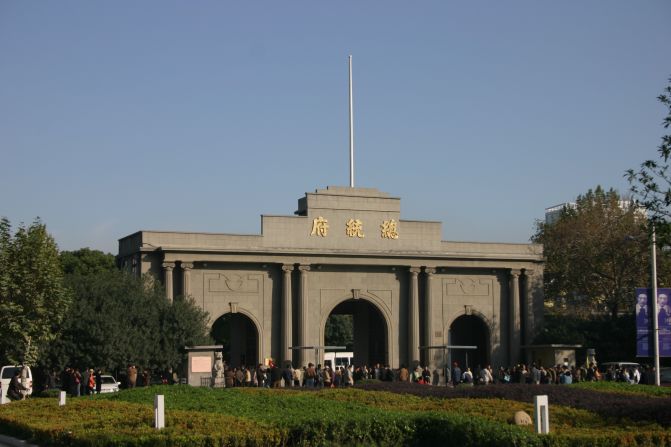
Reflecting the building's layered history, the front gate of Nanjing Presidential Palace was destroyed by rebels during the Taiping Rebellion in the mid-1800s, then restored by the Nationalist Government in 1929.
weibo.com/u/2158615682
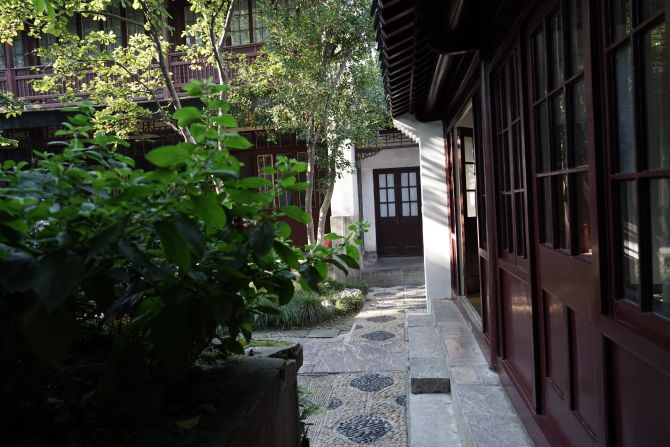
Quiet corners —
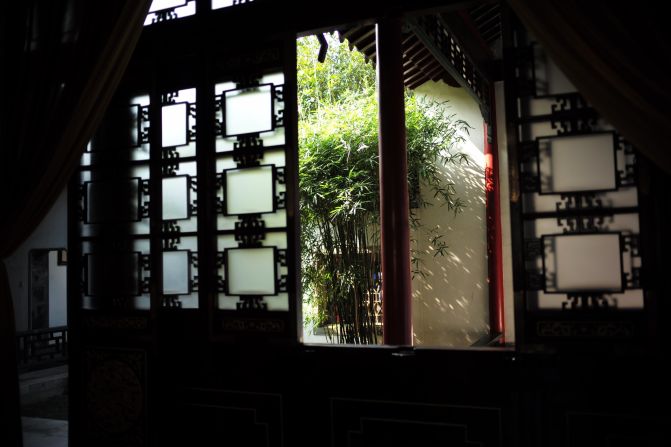
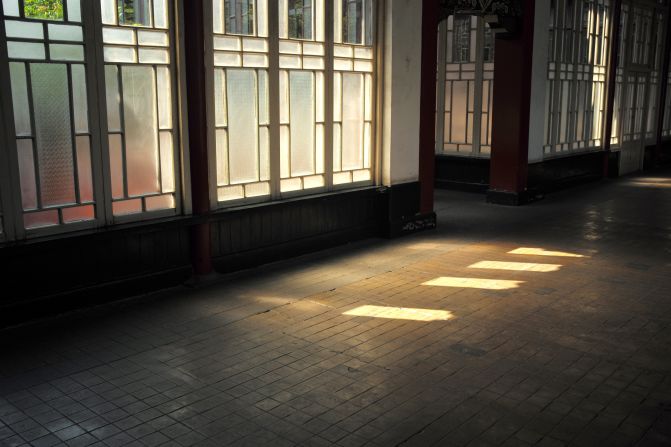
Some of the main attractions are packed with visitors, but there are also more secluded corners deep inside the palace grounds.
Elaine Yu/CNN
The 'Heavenly King' —
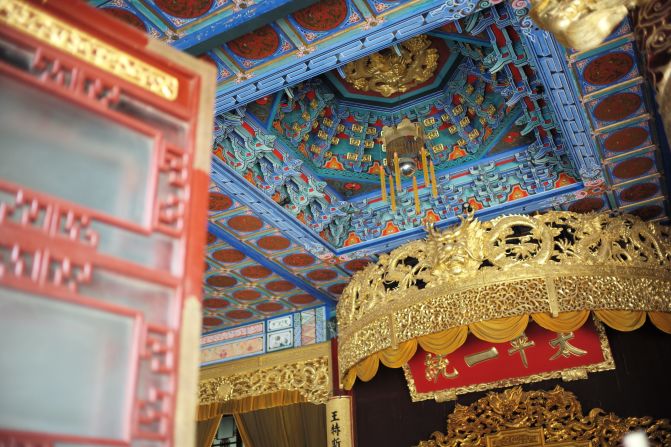
Bearing gilded designs, elaborate temples and dragon themes, Taiping Rebellion leader Hong Xiuquan's quarters are among the most extravagant sections of the palace.
Elaine Yu/CNN
Painstakingly preserved —
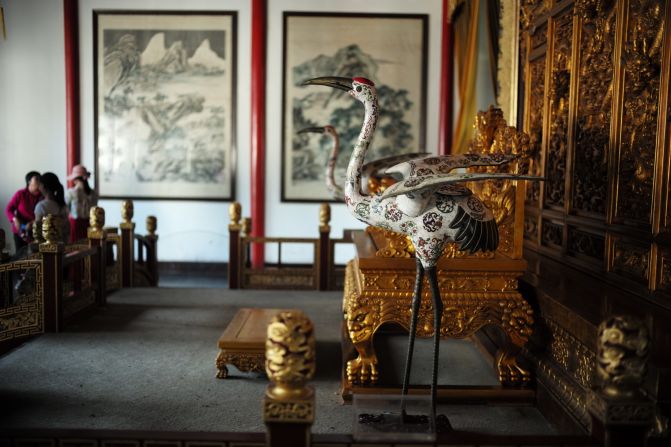
Meeting rooms for Chinese and foreign leaders, private offices for figures such as Chinese Nationalist Party leader Chiang Kai-shek, as well as Sun Yat-sen's nap room, have been preserved and restored.
Elaine Yu/CNN
Republican China —
The palace is one of the few places in China where the country's former symbol, a white sun, is publicly embraced.
Elaine Yu/CNN
Diverse architectural styles —
A Qing-style atrium, built in 1870, leads down to hallways, courtyards and the Nationalist government's Western-style quarters.
Elaine Yu/CNN
Scenic strips —
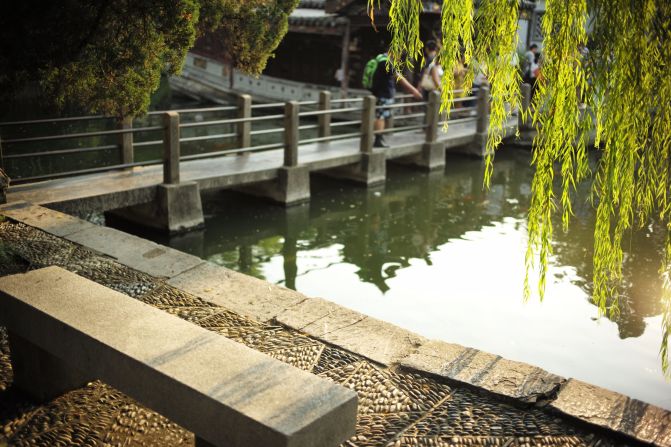
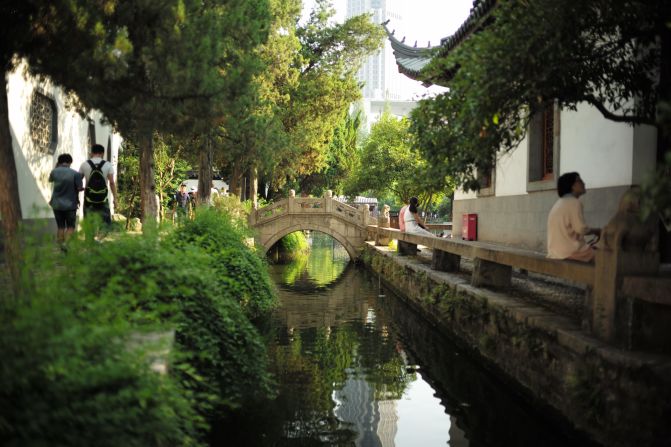
Quads, paved strips, pavilions and scenic waterways offer places to rest and quietly experience the former rulers' habitat.
Elaine Yu/CNN
90,000 square meters to explore —
The complex of buildings and sculpted landscapes cover 120,000 square meters, with around 90,000 square meters now open to the public.
Elaine Yu/CNN
Sun's private quarters —
The courtyard outside Sun Yat-sen's bedroom, pictured here, is beautiful but understated. November 12, 2016 was the 150th anniversary of his birth.
Elaine Yu/CNN
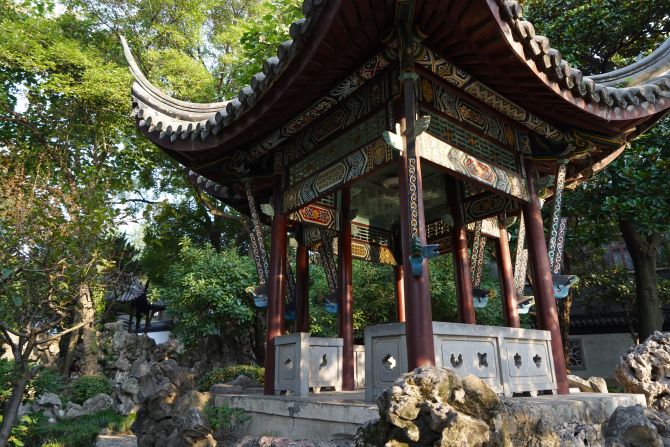
Mixed styles —
Gardens and pavilions from the imperial eras are only steps away from Western-influenced Republican-era architecture.
Elaine Yu/CNN
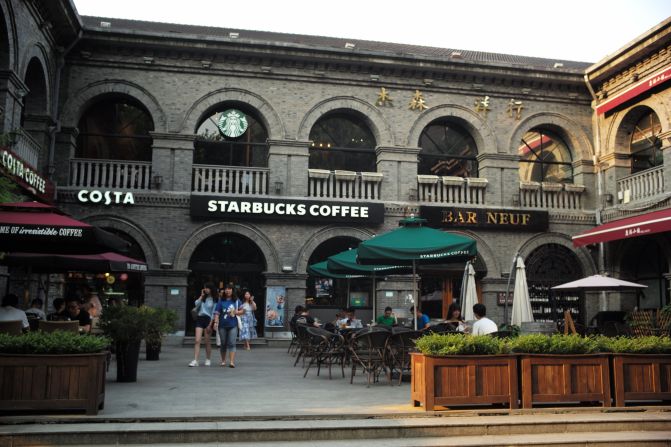
'1912' district —
In a commercial and nightlife district next to the palace, named after the year the Republic of China was established, major foreign chains like Starbucks and KFC are housed in historic, gray-brick Republican-era buildings.
Elaine Yu/CNN
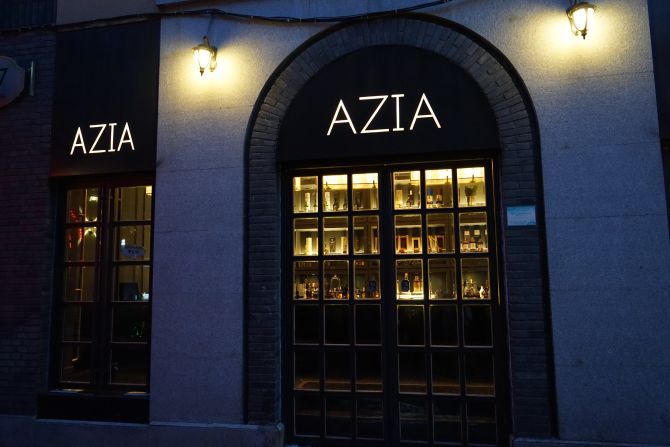
Nightlife —
Bars and nightclubs dot the commercial district next to the palace.