Namibia’s Skeleton Coast: A journey through the ‘end of the earth’
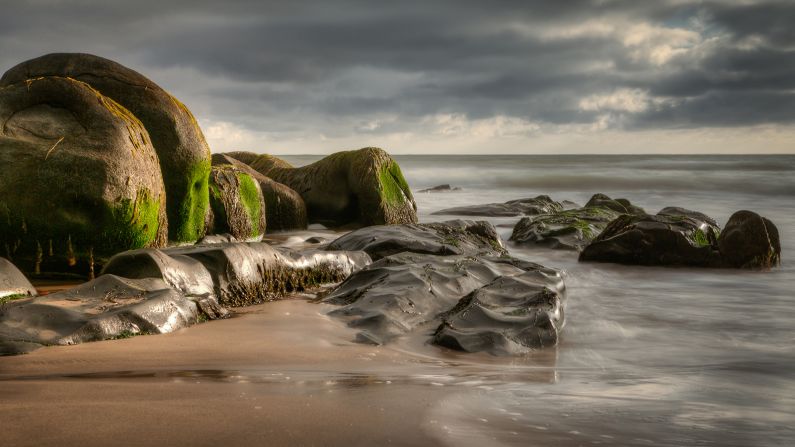
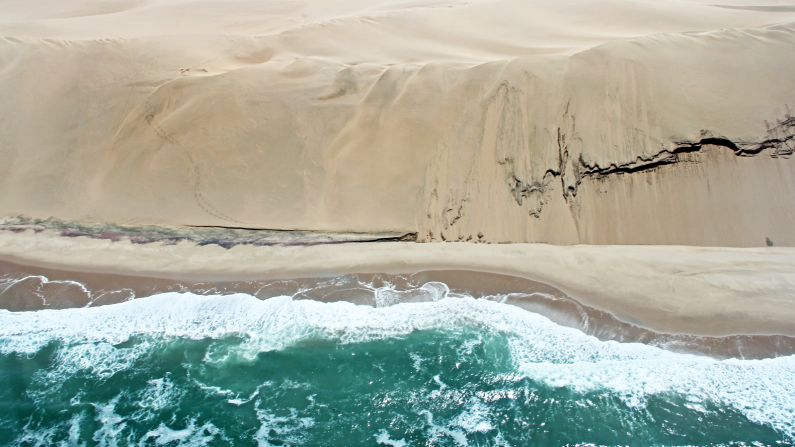
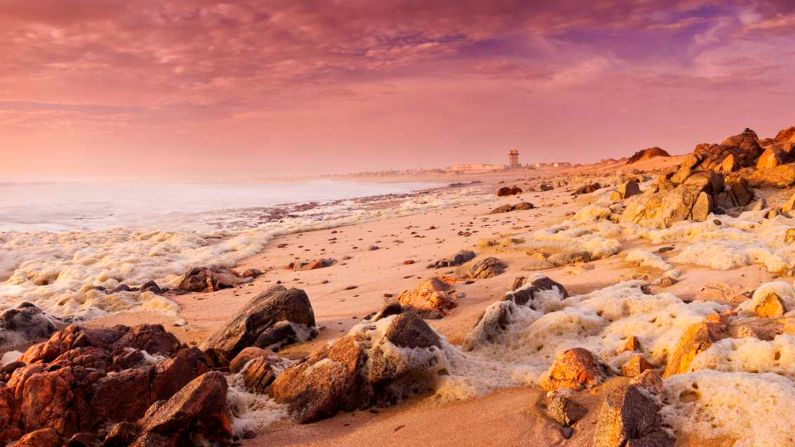
Thoroughly untamed: Extending 500 kilometers between the old German colonial town of Swakopmund and the Angolan border of Namibia's coastline, the Skeleton Coast is virtually uninhabited.
Courtesy Xenia Ivanoff
Eerie destination: It's named for the animal bones scattered across its strands as well as the many ships that have wrecked here over the centuries.
Courtesy Namibia Tourism Board
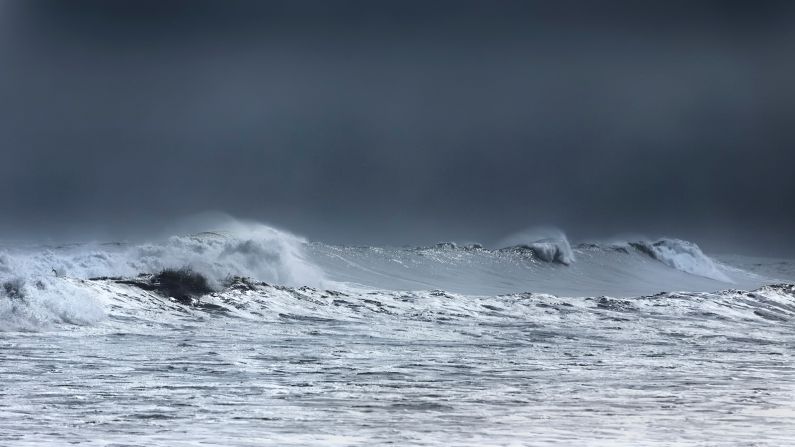
Surf's up: Skeleton Coast boasts strong currents and several spectacular breaks that attract a small, but steady community of surfers.
Courtesy Xenia Ivanoff
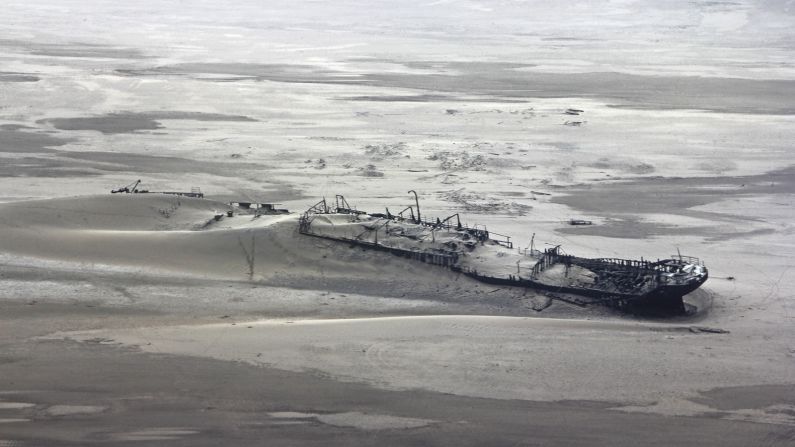
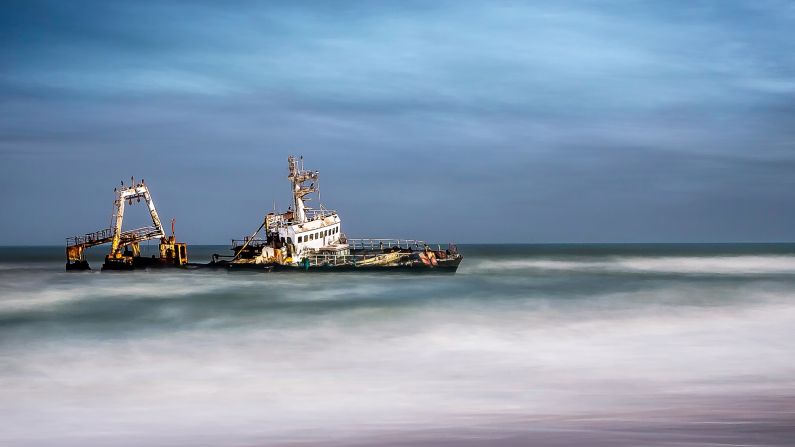
Ship skeletons: This wreck near Walvis Bay is one of the hundreds of doomed ships whose wooden or metal skeletons litter the area.
Courtesy Namibia Tourism Board
Recent victim: The wreck of fishing trawler Zeila which was stranded near Henties Bay in 2008.
Courtesy Xenia Ivanoff
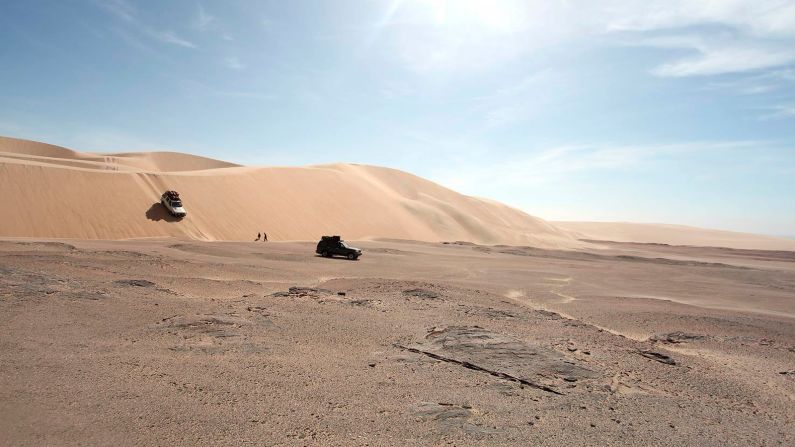
Adventure sports: The only way to explore the northernmost part of the Skeleton Coast between Mowe Bay and the Kunene River is by joining a mobile tented safari with permission to travel in the restricted zone.
Courtesy Africa Travel Resource
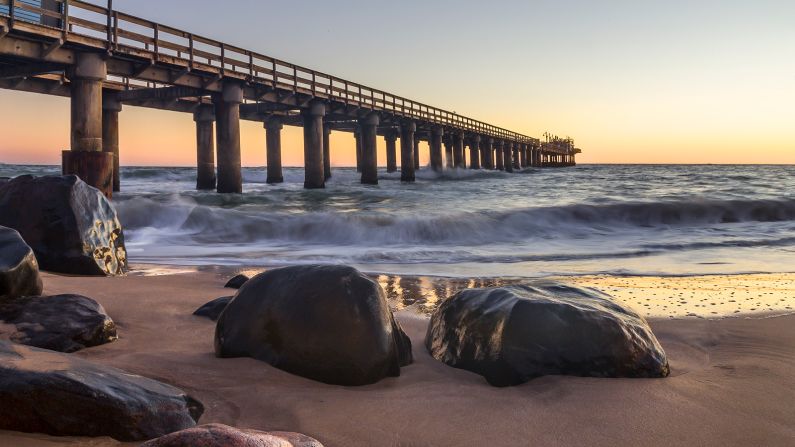
Activity center: Founded in 1892 as the primary seaport for German Southwest Africa (later Namibia), the breezy coastal town of Swakopmund is now the southern gateway to the Skeleton Coast.
Courtesy Xenia Ivanoff
Surf fishing: Upwelling of nutrients by the cool Benguela Current help to make offshore Namibia one of the world's richest fishing grounds, with Torra Bay one of the the area's main fishing camps.
Namibia Wildlife Resort
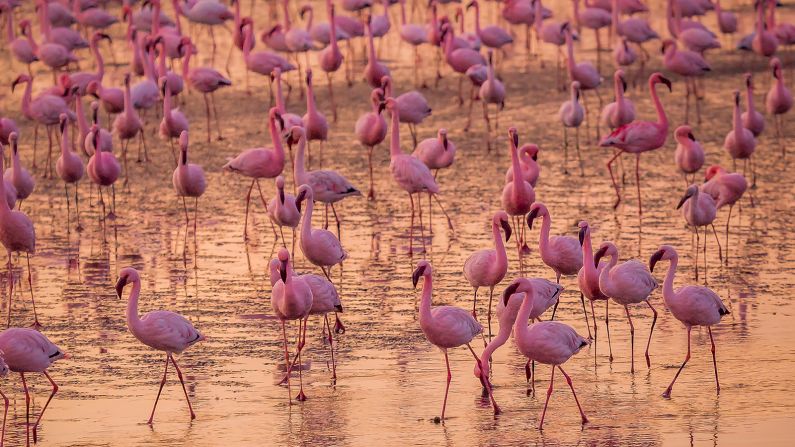
Bird life: Flocks of as many as 50,000 greater flamingos flourish in the shoreline's lagoons, estuaries and salt pans during the long migrations across the continent.
Courtesy Xenia Ivanoff
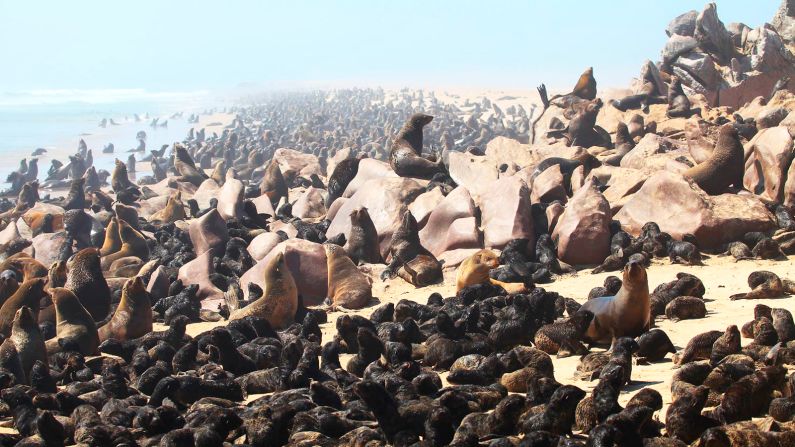
Seal colony: The most common mammal along the Skeleton Coast, Cape fur seals live in colonies, with very large groups at Cape Cross and Angra Fria on the northern shore.
Courtesy Africa Travel Resource
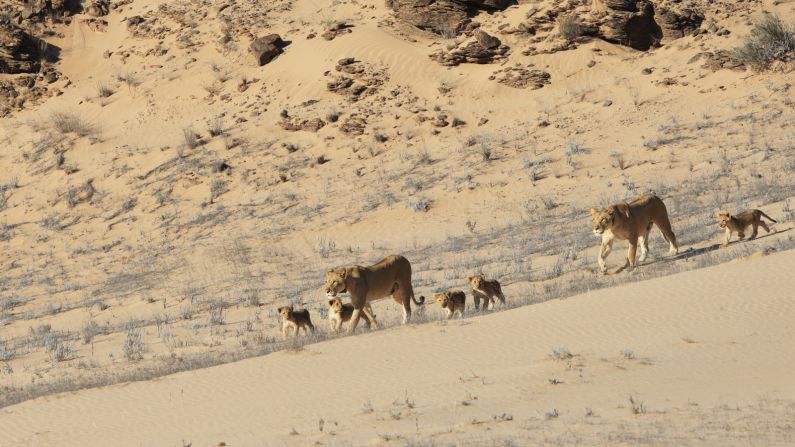
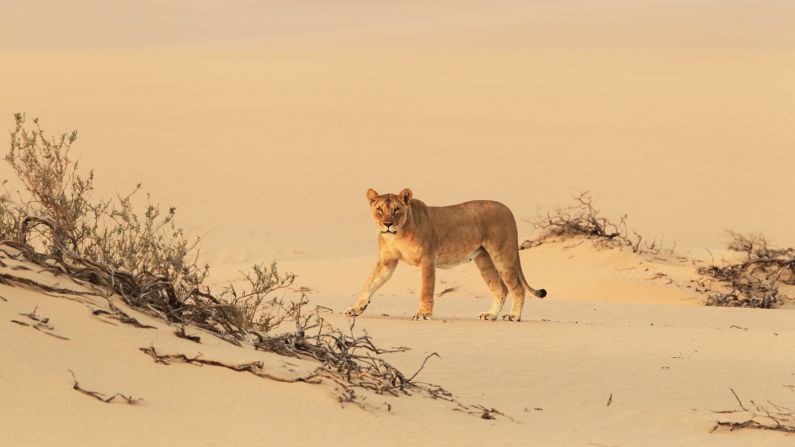
Iconic creatures: The coast is home to the rare and endangered desert lion, sometimes seen stalking and feasting on marine creatures.
Dr. Flip-Stander, Hoanib Research Centre
Unique population: The Hoanib Research Centre strives to protect and conserve these noble beasts of the desert coast.
Dr. Flip-Stander, Hoanib Research Centre
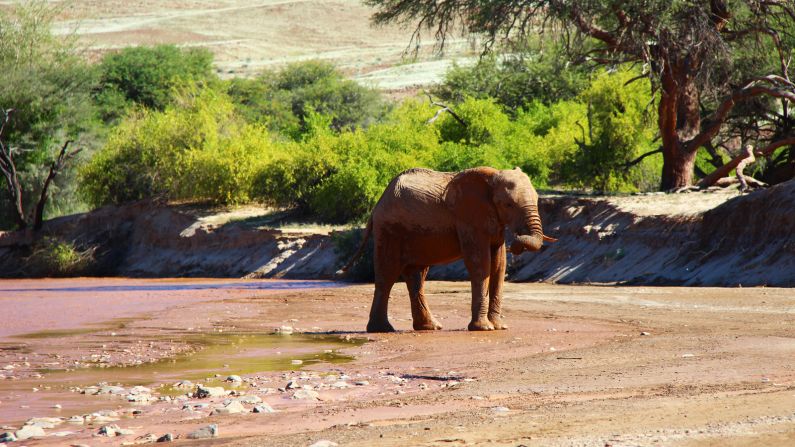
Desert elephants: Smaller than their inland cousins, the elephants of the Skeleton Coast have other adaptations for their unique environment including longer legs and wider feet that ease walking on sand.
Courtesy Genevieve Marx
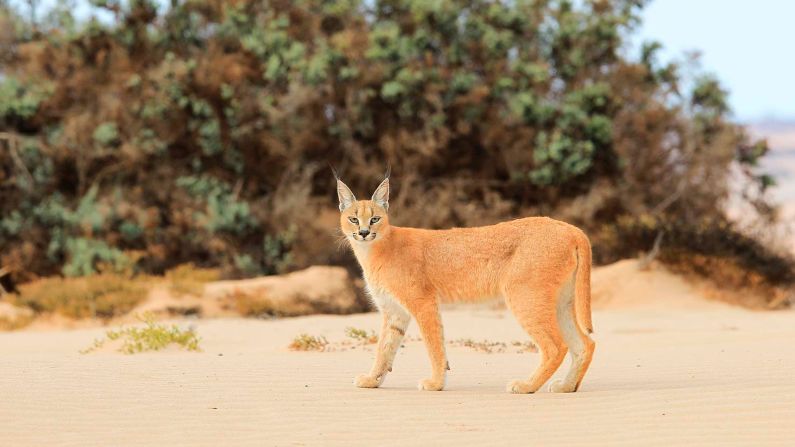
Wild cat: The tuft-eared caracal cat is one of the many rare animals that inhabit this part of the Namibian coastline.
Africa Travel Resource
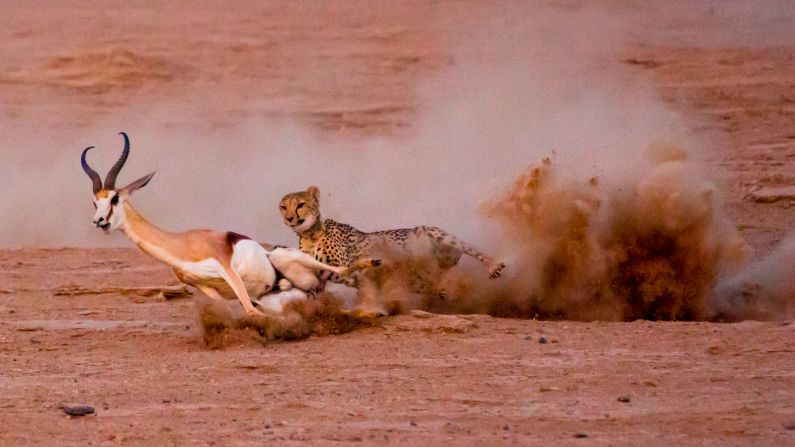
Exceptional creatures: In addition to desert-dwelling lions and elephants, the Skeleton Coast is home to cheetahs as well as the tuft-eared caracal cat.
Courtesy Wilderness Safaris, Kai Collins
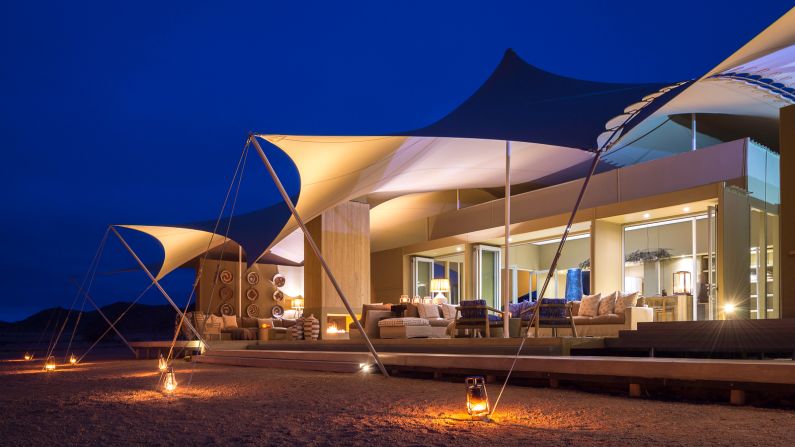
Safari camps: Hoanib Skeleton Coast Camp is one of only a handful of classic safari camps or lodges along the entire length of the coast.