Your effort and contribution in providing this feedback is much
appreciated.
Close
Ad Feedback
How Mauritius rum is taking on the world
Rising star: Providing a novel alternative to the Caribbean spirits, Mauritius -- a relative newcomer to the global rum scene -- has already established a cachet in the international markets.
Griffin Shea/CNN
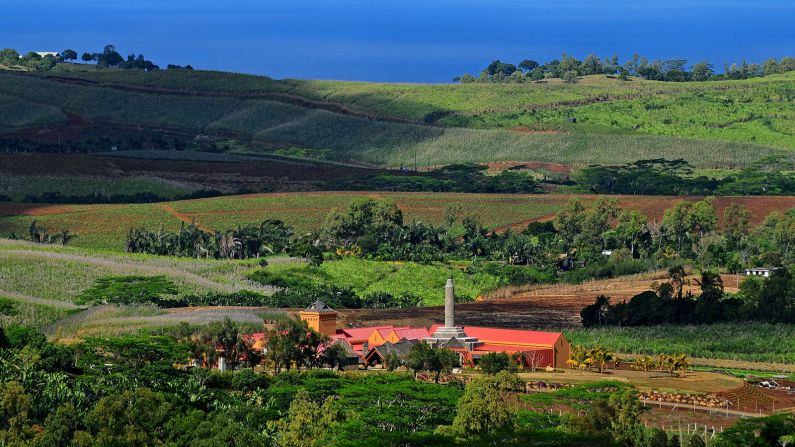
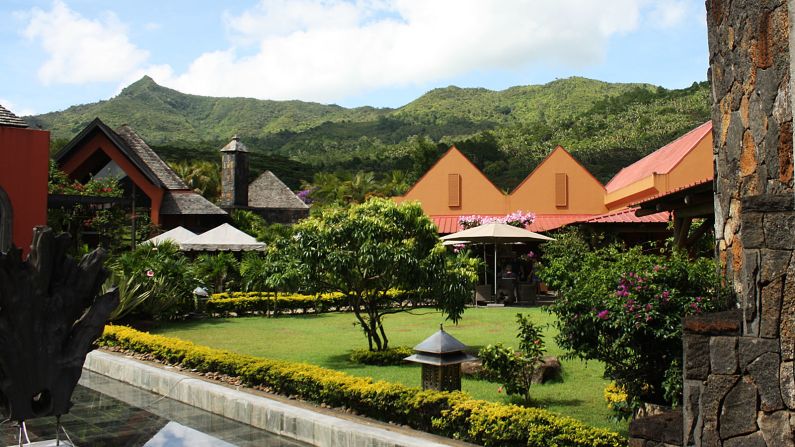
Rhumerie de Chamarel: The mountainous Rhumerie de Chamarel is the newest entry among the Mauritian distilleries.
La Rhumerie De Chamarel
A time-sensitive process: The process of making agricole rum requires distilling the juice as quickly as possible after it's crushed out of the cane. That's why the heavy equipment is located in the middle of the plantation, with vats right next to the grinding machinery.
La Rhumerie De Chamarel
A laborious task: The two kinds of sugarcane used for rum are best suited to the hilly land at Chamarel. As the terrain doesn't allow mechanized harvests, men have to slice through the stalks and carry bundles to collection points where the cane is trucked to the distillery.
Griffin Shea/CNN
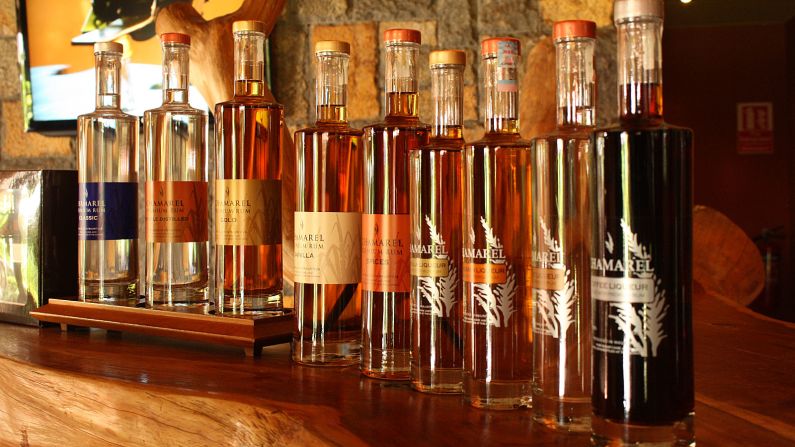
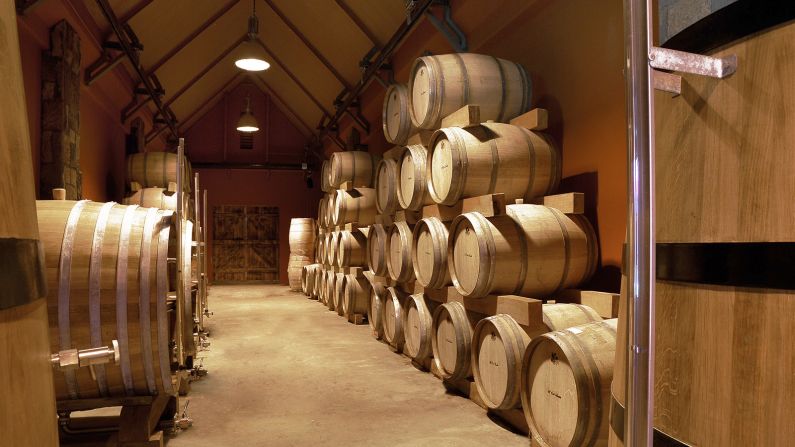
Different oak barrels: Chamarel's Gold variety is kept in French oak for 18 months, which gives it a woody undertone. Another batch goes into American oak for a fruitier taste.
La Rhumerie De Chamarel
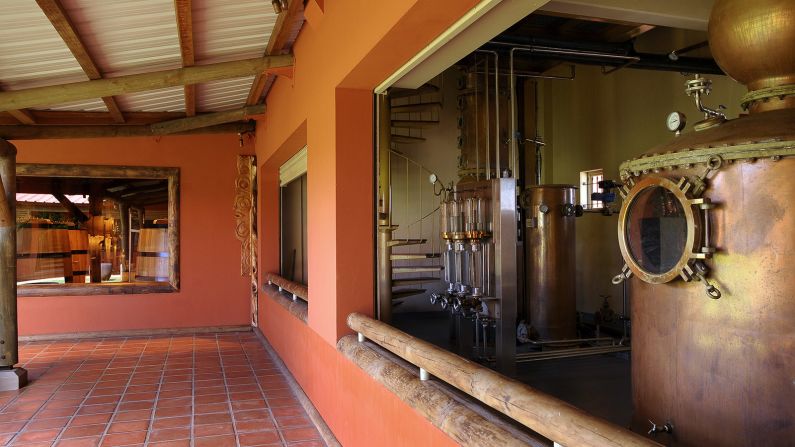
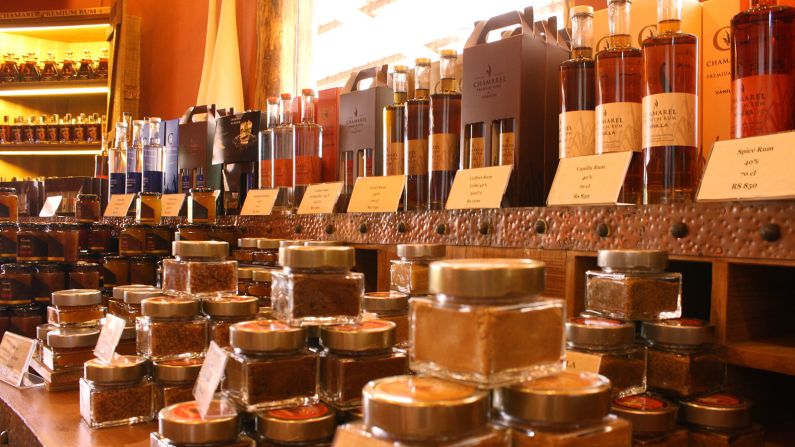
Rum tour: Not all rum distilleries welcome visitors but Chamarel encourages guests to watch rum being made before sampling the results.
Griffin Shea/CNN
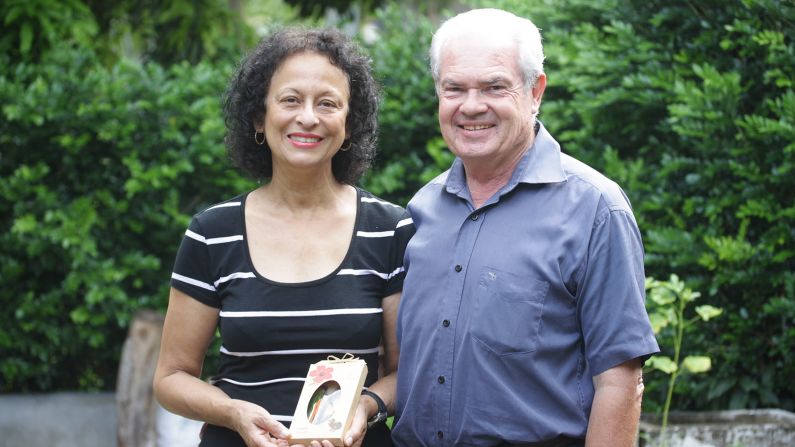
Infused rum: Dozens of small operations specialize in infusing rum with local ingredients. Alain and Mirella Bouton have been infusing rum for 17 years.
Griffin Shea/CNN
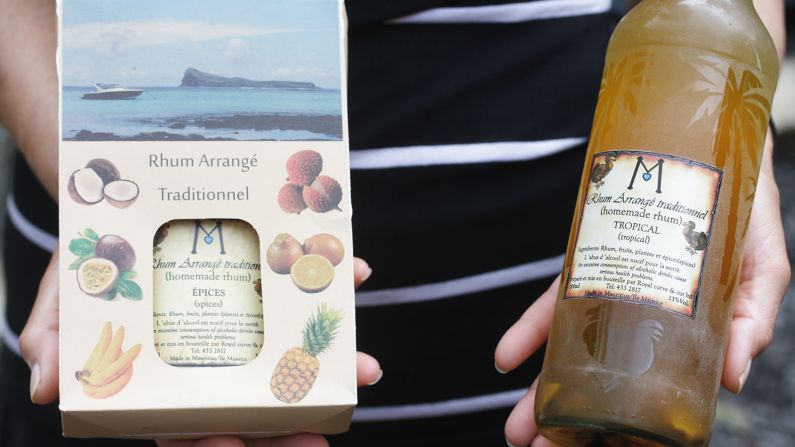
Local flavors: Their company Royal Curve, under the label Rhum Arrangé traditionnel (Arrangé refers to the infusion), stocks 21 different flavors using local produce like coffee vanilla and spices.
Griffin Shea/CNN
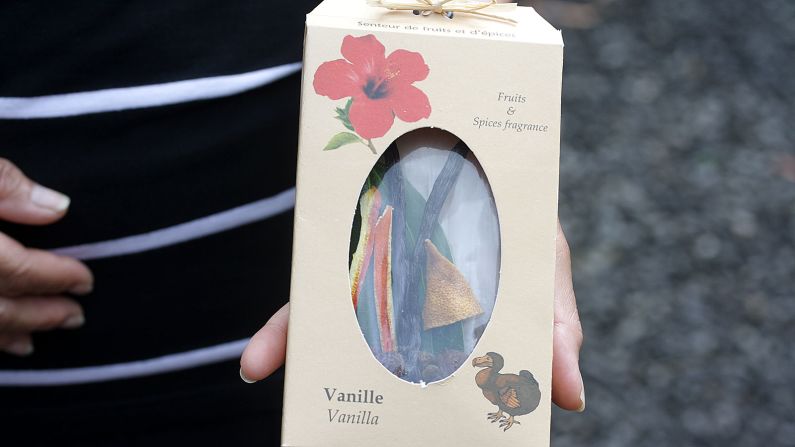
Traveler-friendly: For travelers less willing to fly with bottles of rum, the couple also sell packets of dried fruit and Mauritian sugar, with instructions on how to infuse rum at home.