The little Spanish town that found itself in France
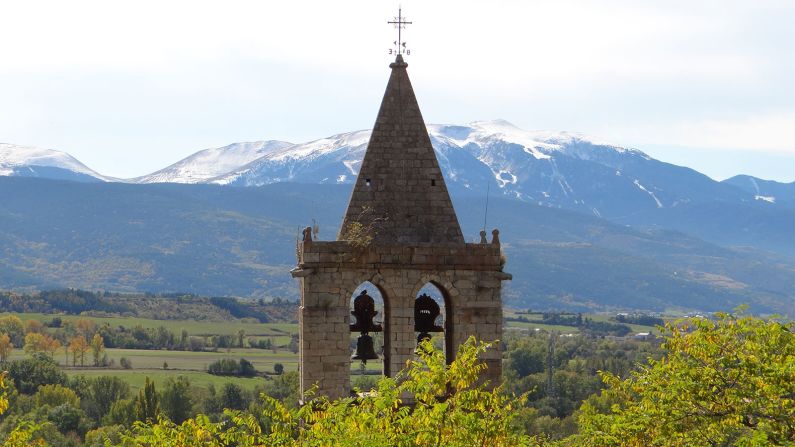
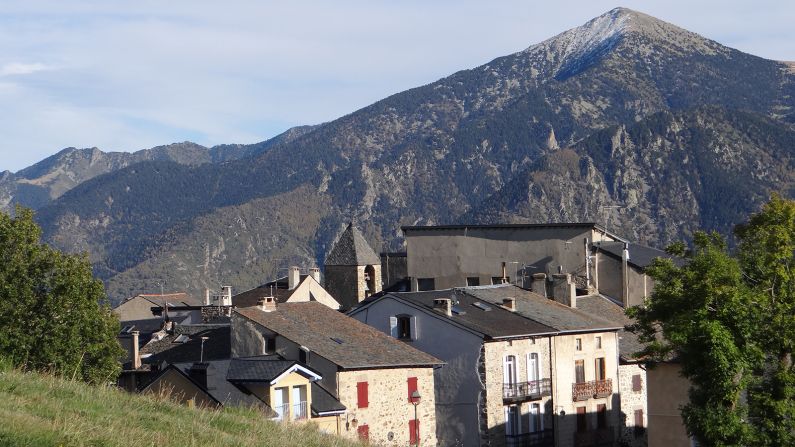
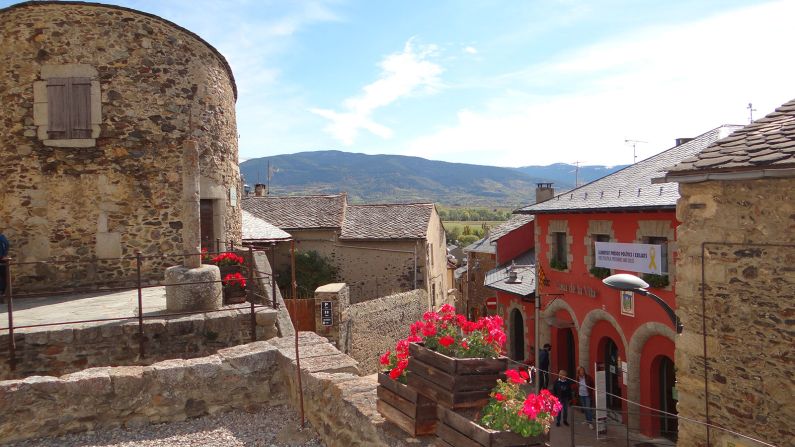
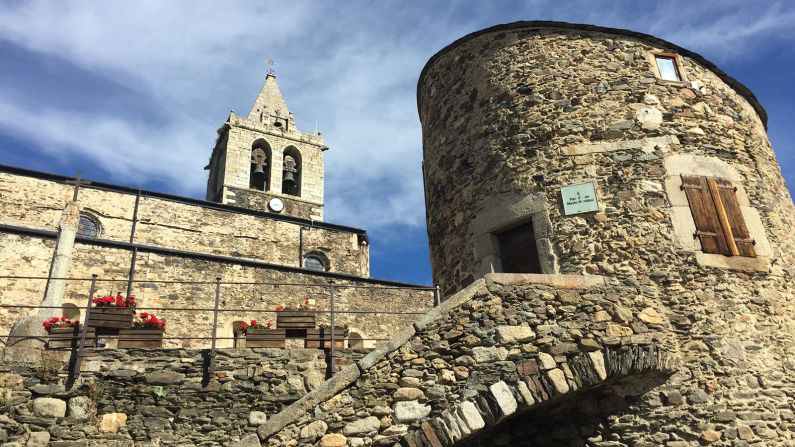
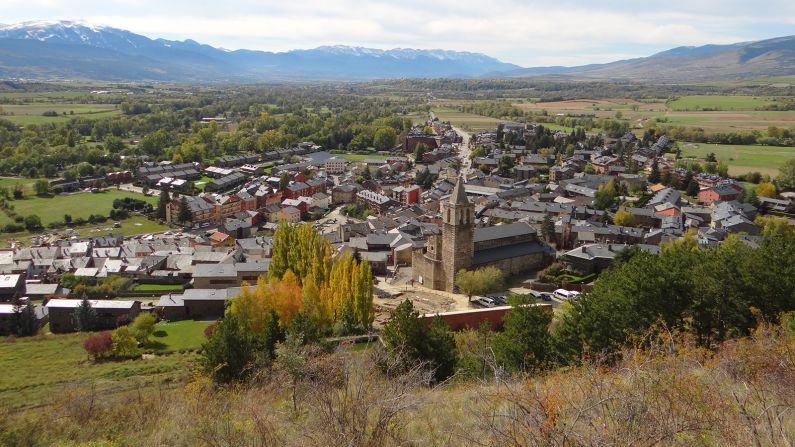
Ancient enclave: The Pyrenees town of Llívia is a little patch of Spain stranded in France and one of Europe's oldest enclaves.
Miquel Ros
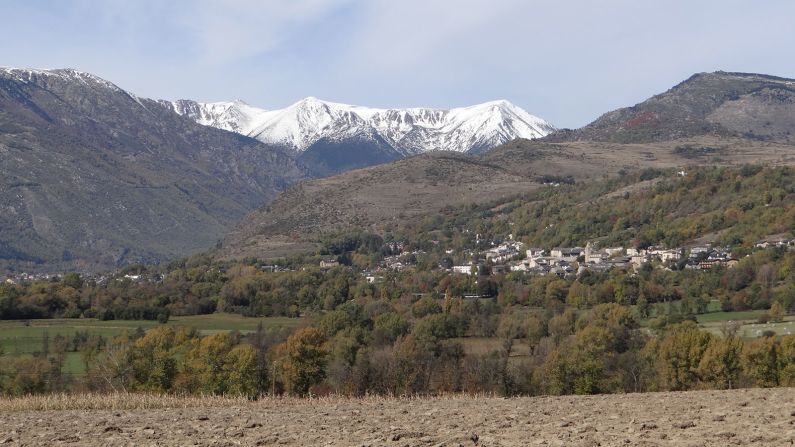
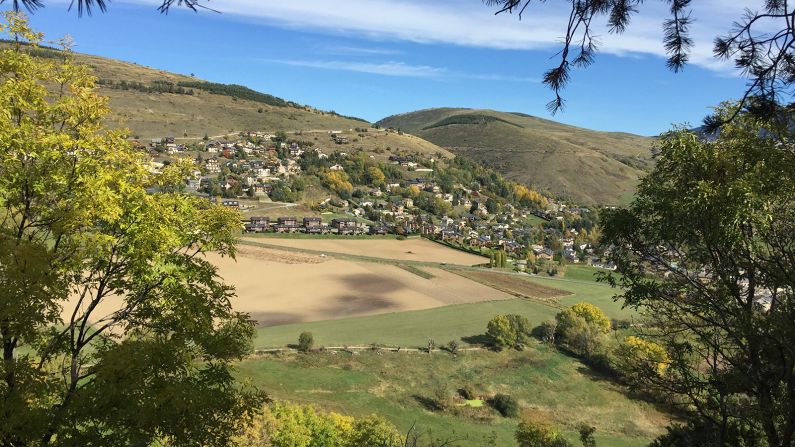
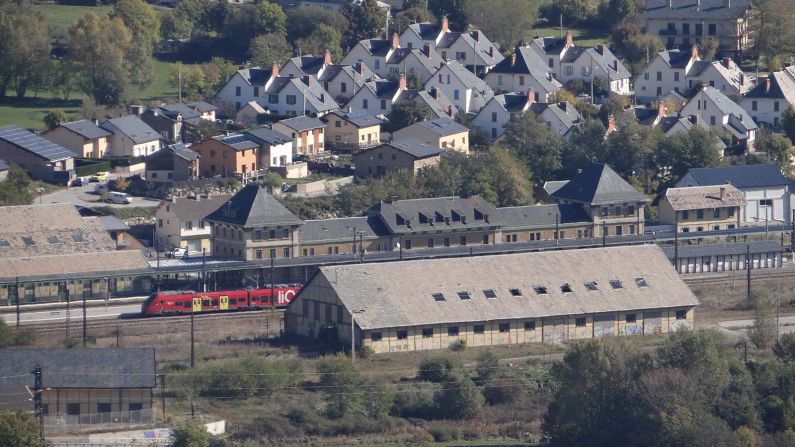
The view from Spain: While the town of Llívia belongs to Spain, the surrounding Carol valley belongs to France.
Miquel Ros
A natural border?: The present-day border between France and Spain might at first seem to be defined by obvious natural features, such as the Pyrenees mountain range.
Miquel Ros
Geopolitics: Yet the history of this border owes as much to war and diplomacy as it does to geology.
Miquel Ros
Catalonia: When the Principality of Catalonia, which for centuries had straddled both sides of the Pyrenees, came under the rule of Spanish monarchs in 1652, so did its lands to the north.
Miquel Ros
Negotiations: This was a challenge to France's own long-term goal of securing what it perceived as its natural borders. Discussions were not going to be easy.
Miquel Ros
Treaty time: Negotiations dragged on for months on end and, yet, the resulting Treaty of the Pyrenees -- signed November 1659 -- outlined a general agreement, but still left some open points when it came to the border.
Miquel Ros
What's in a word?: The problem was that the wording of the final agreement referred to "33 villages" in the disputed area that would go to France.
Miquel Ros
Big town talk: Right in the middle of this France-assigned portion was the ancient settlement of Llívia which, the Spanish side argued, was not a village but a town, since Catalan law accorded it this status.
Miquel Ros
An enclave is born: It was a small detail that would have long-lasting consequences. Ultimately, the King of Spain would keep Llívia on the back of this technicality, despite the settlement being surrounded on all sides by French territory.
Miquel Ros
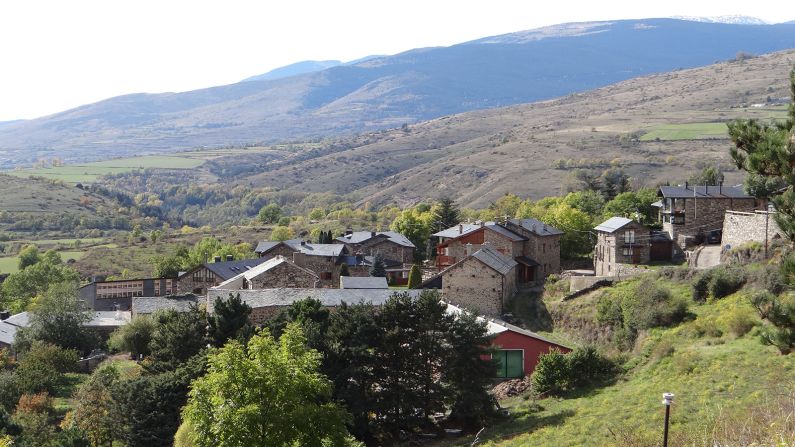
Cereja: This is the hamlet of Cereja, within the within the Llivia enclave and meters from France.
Miquel Ros
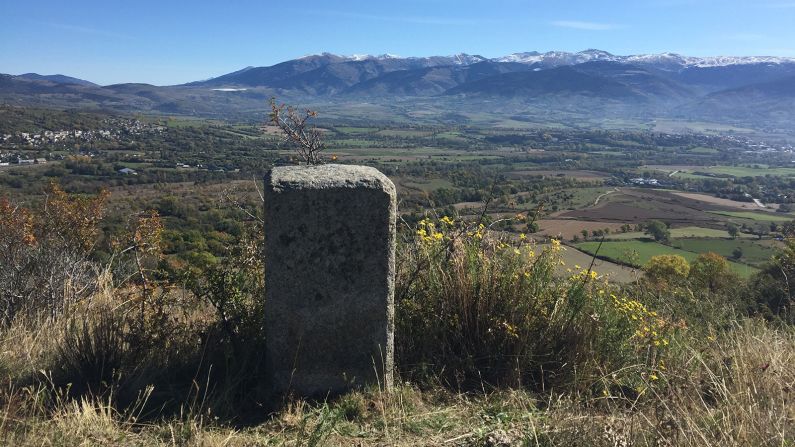
Border markers: This border marker is in the settlement of Guils de Cerdanya. The photographer is standing in Spain and France lies beyond the stone.
Miquel Ros
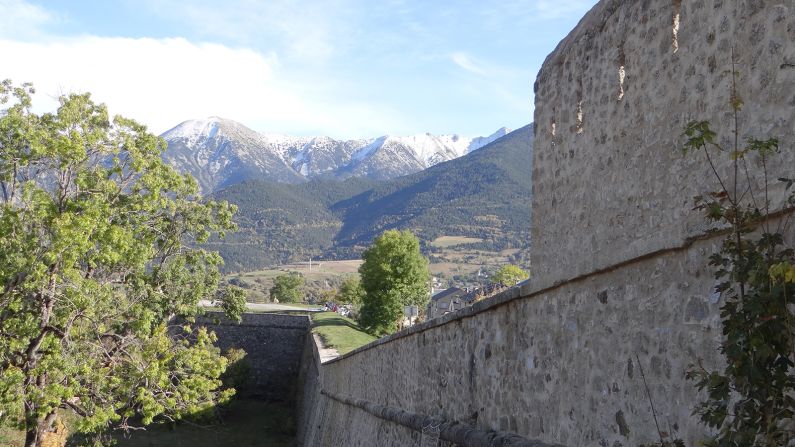
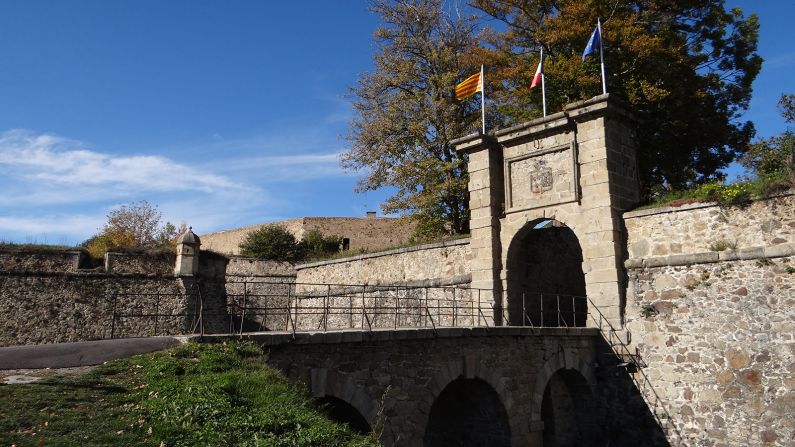
Defences: The citadel at Mont-Louis in France was built in the 17th century to defend the new border.
Miquel Ros
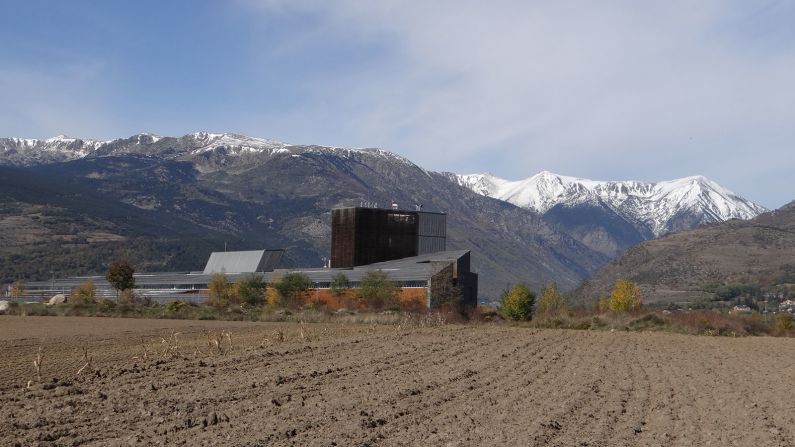
Cross-border hospital: Hospital de Cerdanya/Hôpital de Cerdagne is entirely in Spanish territory but yards away from France, on the right-hand side of this picture.
Miquel Ros
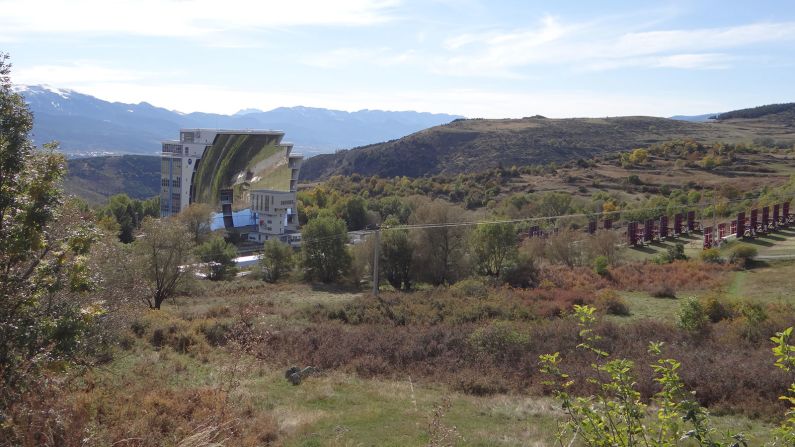
Property of France: Just a few miles from Llívia and on French territory, Odeillo solar furnace is the world's largest solar furnace.