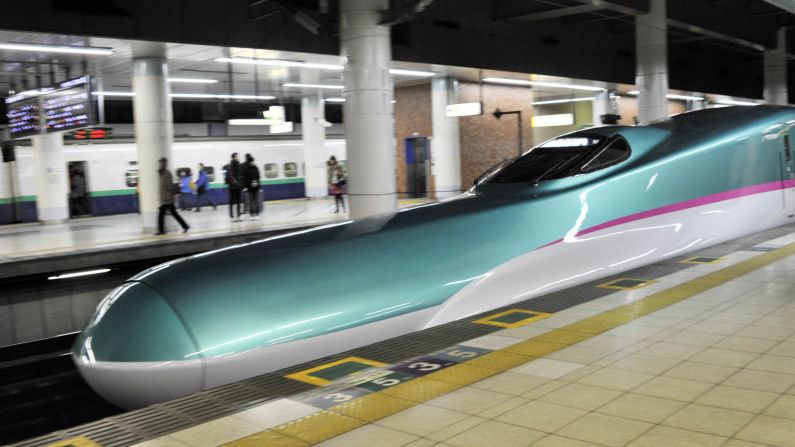
Fast train: Japan's distinctive Shinkansen "bullet trains" have been plying the country's high-speed railways since 1964.
Yoshikazu Tsuno/AFP/Getty Images
New age: The arrival of the bullet trains, coupled with the Tokyo Olympics of 1964 helped signal the arrival of modern Japan after the country's defeat in World War II.
Three Lions/Hulton Archive/Getty
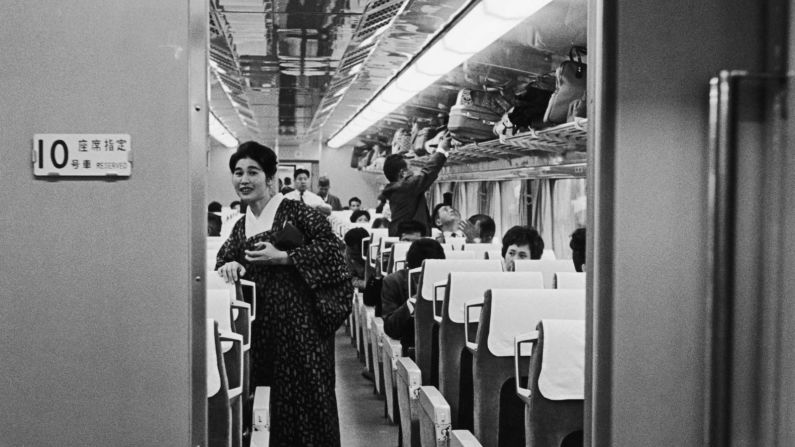
First trains: The arrival of the bullet trains meant that the travel time between Tokyo and Osaka shrank to just over three hours. Subsequent generations of Shinkansen would reduce it further.
Keystone/Getty Images
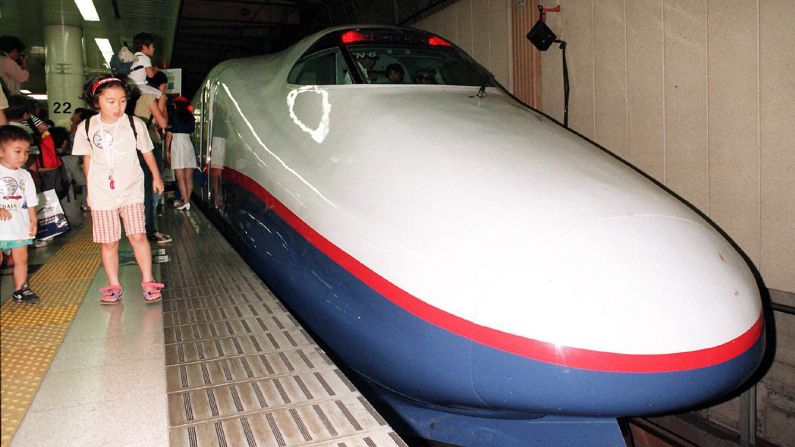
Asama: This Shinkansen train, known as Asama, was introduced for the 1998 Winter Olympics in Japan.
Jiji Press/AFP/Getty Images
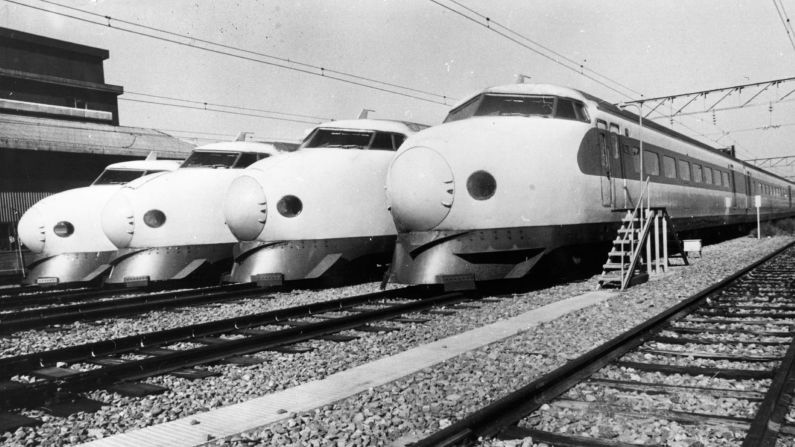
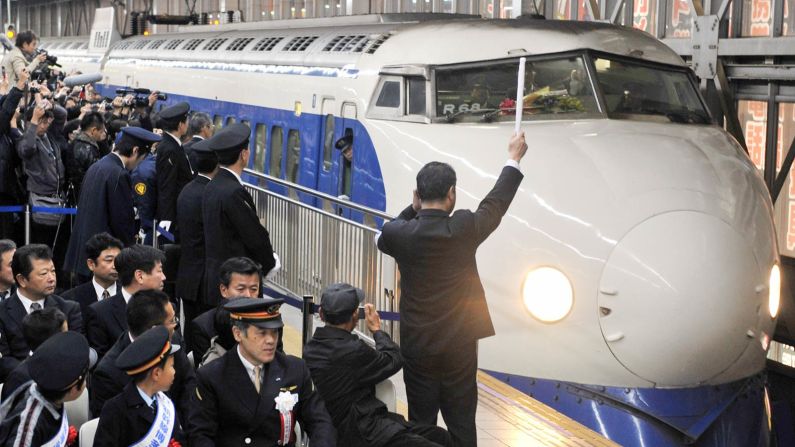
Built to last: The last train of the first generation Shinkansen bows out of service in 2008.
STR/AFP/Getty Image
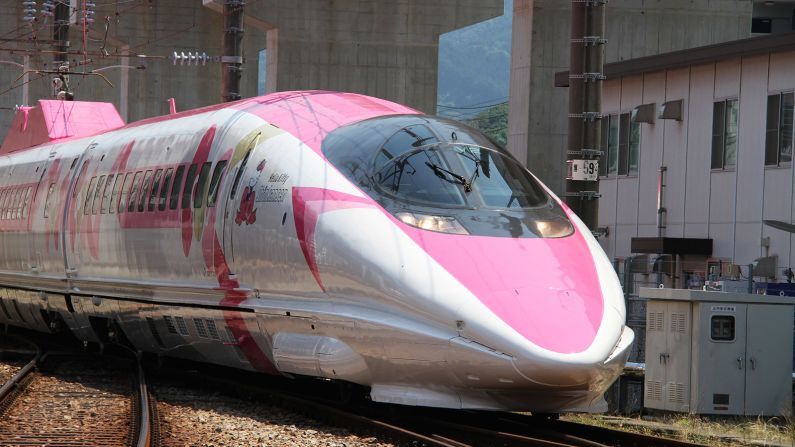
Hello Kitty: Possibly the most Japanese thing ever created -- a Hello Kitty-themed bullet train.
Courtesy West Japan Railway/Sanrio Co. Ltd.
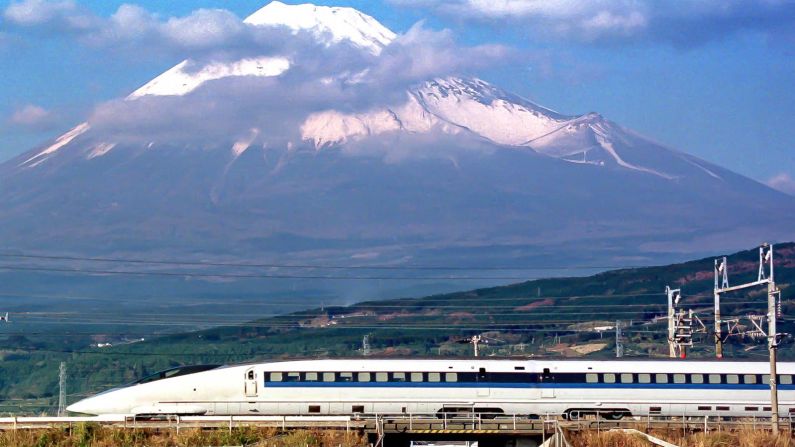
Fuji drive by: And one of the most Japanese scenes ever created -- a bullet train whizzing by Mount Fuji.
AFP/Getty Images
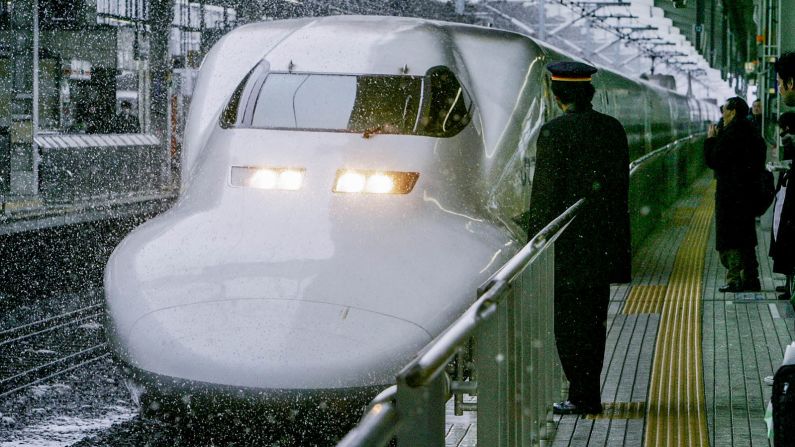
In all kinds of weather: In creating the bullet train, Japan's engineers needed to build a rail system that could cope with the country's climatic extremes.
Toru Yamanaka/AFP/Getty Image
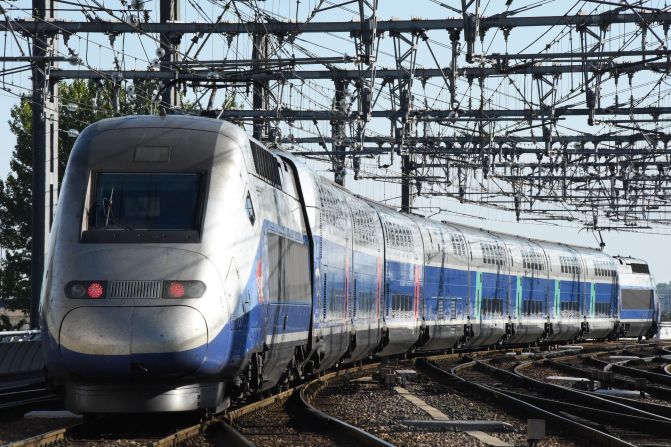
TGV: France's answer to the Bullet Train, the Train à Grand Vitesse, began operating between Paris and Lyon in 1981. Today's TGV trains typically run at about 200 mph.
Mehdi Fedouach/AFP/Getty Images
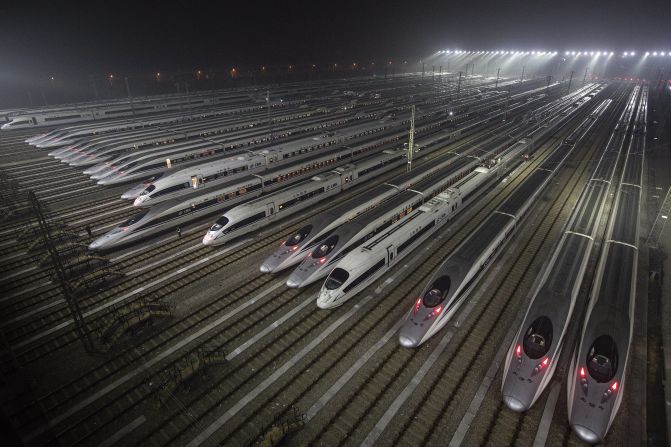
China's rail expansion: China has now eclipsed the rest of the world when it comes to high-speed rail. The country has 28,000 miles of track capable of carrying fast trains to all corners.
Wang He/Getty Images
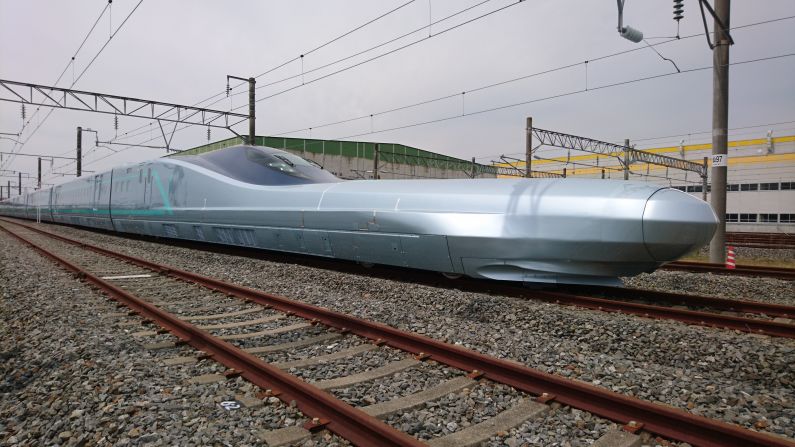
ALFA-X: The next generation of bullet trains, known as ALFA-X, is currently being tested at speeds of almost 250 mph (400 kph), although the service maximum will be "only" 225 mph.