One of the five Italian Wonder Ways, the Via Francigena is a medieval walking trail that extends from Canterbury, through France and Switzerland, to Rome, and then onward to Jerusalem.
Daniel Allen
Medieval metropolis —
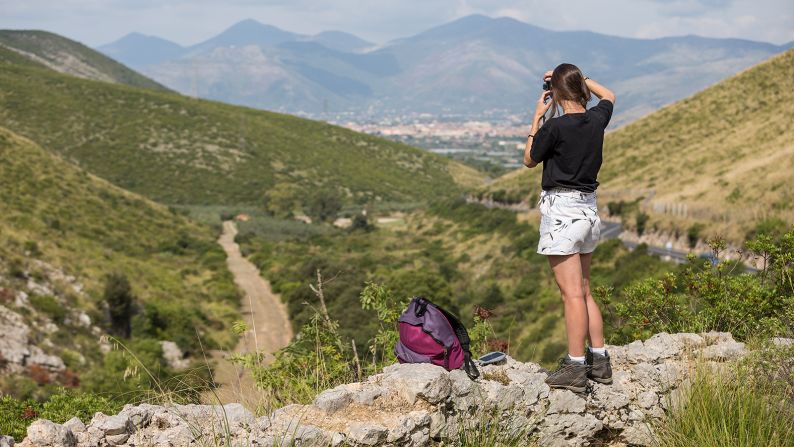
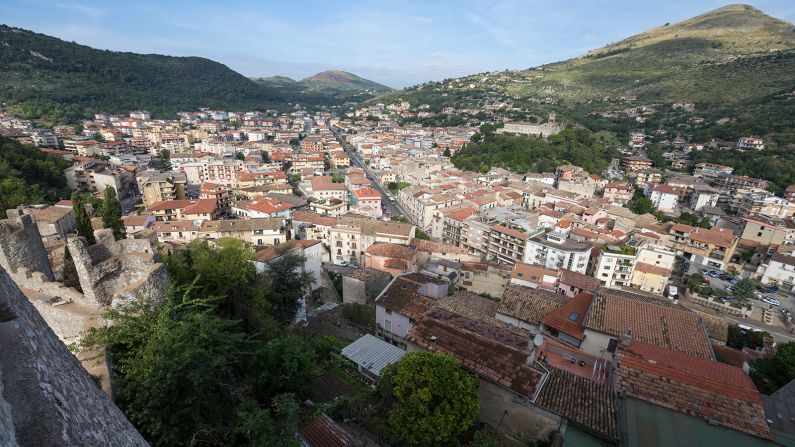
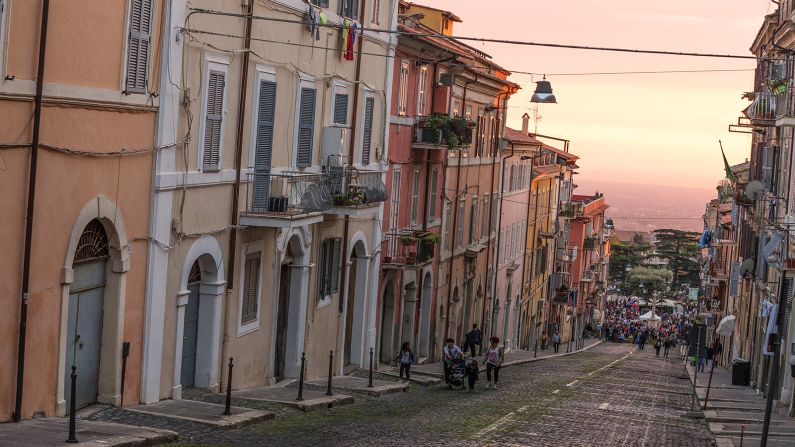
Situated in a picturesque valley, the compact medieval city of Itri lies along the Via Francigena del Sud. The route traces its origins to Roman times. It then formed part of the most important paved road of Rome, the Via Appia, connecting the capital to the western port of Brindisi. Along the route, the town of Itri has beautiful churches and bell towers.
Daniel Allen
Crocodile castle —
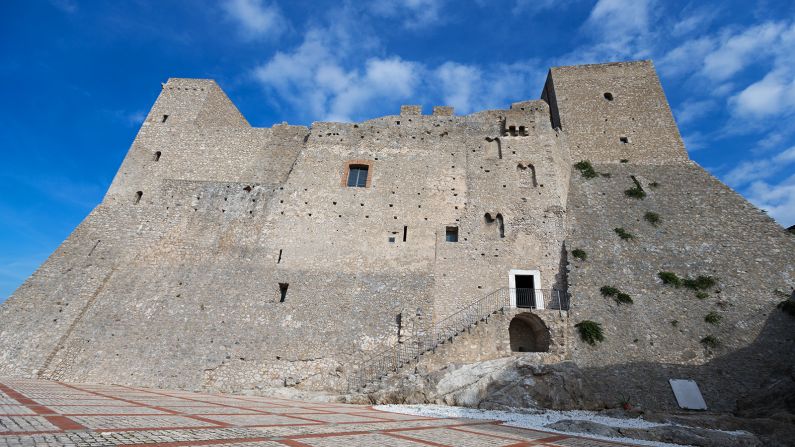
A medieval castle built in about A.D. 880 -- and expanded at various times -- dominates the Itri skyline. Built as a fortress, it's surrounded by thick, crenelated walls. A lower cylindrical tower, connected to the main castle by an impressive wall-walk, is popularly known as "the crocodile tower" because prisoners were apparently once fed to a ferocious reptile kept in its watery depths.
Daniel Allen
Roman road —
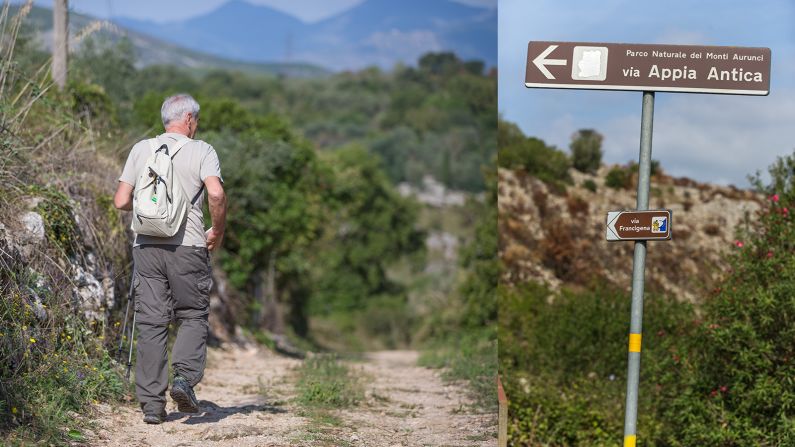
Just outside Itri, the Via Francigena follows the route of the Appian Way as it passes through the beautiful Parco Naturale dei Monti Aurunci. At various points the original Roman flagstones of the Appian Way are visible, complete with ruts from chariot wheels.
Daniel Allen
Culinary highlights —
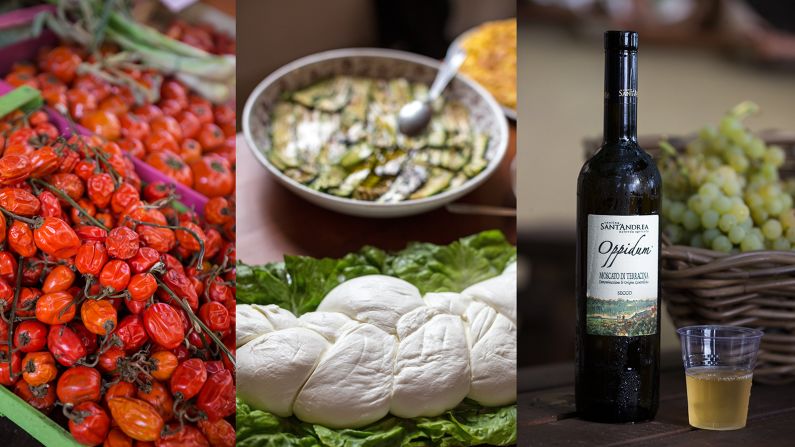
In addition to their fascinating culture and frequently dramatic scenery, the Italian Wonder Ways also take modern-day walkers on a gastronomic tour through central Italy. Along the Via Francigena, incredible recipes stem from medieval traditions, such as "testaroli" from Lunigiana (a special type of macaroni) and Siena's famous "panforte" (a delicious dessert). Lying on the Francigena del Sud, the city of Terracina is home to the renowned Moscato di Terracina wines, produced from locally grown white Muscat grapes.
Daniel Allen
Epic journey —
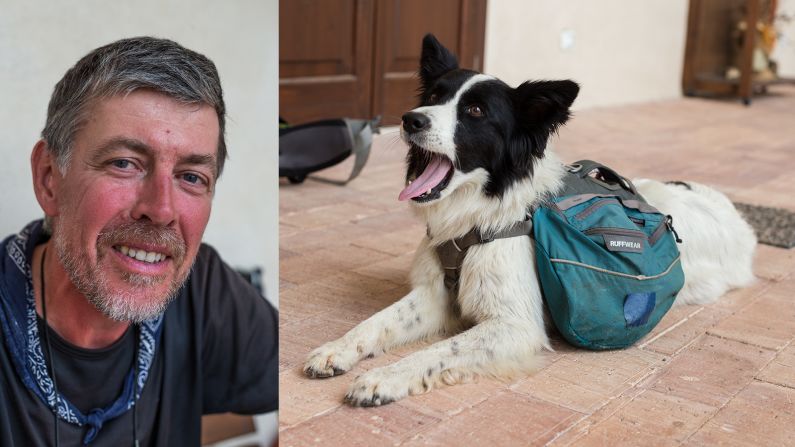
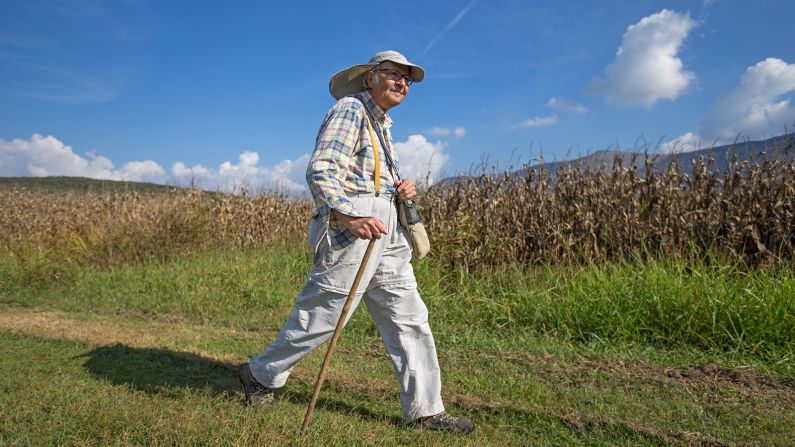
Those who choose to explore the Italian Wonder Ways have the option to walk for a few days or a few months. After preparing for five years, Belgian Michel Goletti (pictured), together with his dog Laika, hiked from Inverness in Scotland to Santa Maria di Leuca in southern Italy. Taking in most of the Via Francigena, his 3,350-mile, 200-day journey raised money for a Belgian charity. "It has really been a life-changing experience," says Goletti. "I've met some amazing people."
Daniel Allen
The care of weary feet —
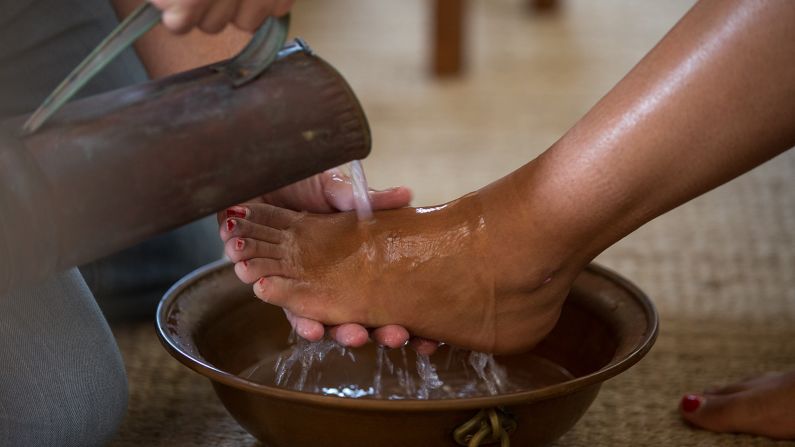
The Monastery of San Magno, near the city of Fondi, offers respite for pilgrims on the Via Francigena, with free bed and breakfast accommodation. "Everyone is welcome here, irrespective of their religion," says head monk Francesco Fiorillo, who frequently washes the feet of pilgrims as a sign of humility and fraternity.
Daniel Allen
Cistercian treasures —
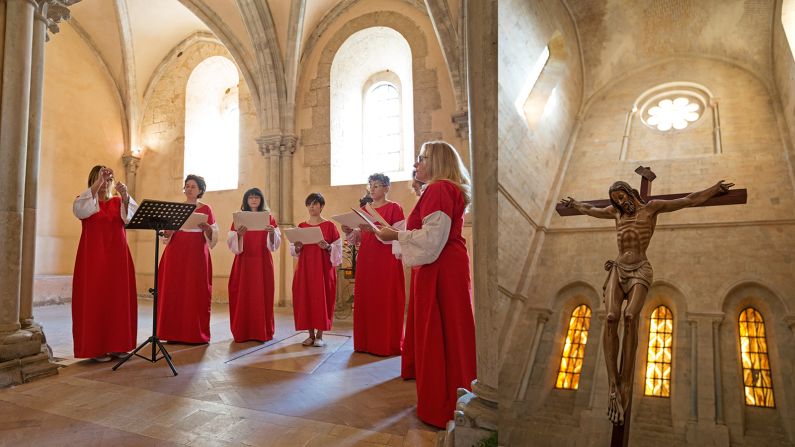
Situated close to the town of Priverno, the Abbey of Fossanova is a Cistercian abbey with an austerely elegant church and tranquil cloisters. Dating back to the thirteenth century, (St. Thomas Aquinas died here in 1274), it's considered the first example of Italian Cistercian architecture. Also in the abbey complex is an interesting medieval museum.
Daniel Allen
Rural beauty —
Hiked by pilgrims of all ages, the Via Francigena runs from the Abbey of Fossanova, along the meandering River Amaseno and surrounding farmland, to the nearby ancient town of Priverno. A short drive from Priverno is the Foro Appio Mansio Hotel, one of the finest historical accommodations on the Appian Way.
Daniel Allen
Lakeside town —
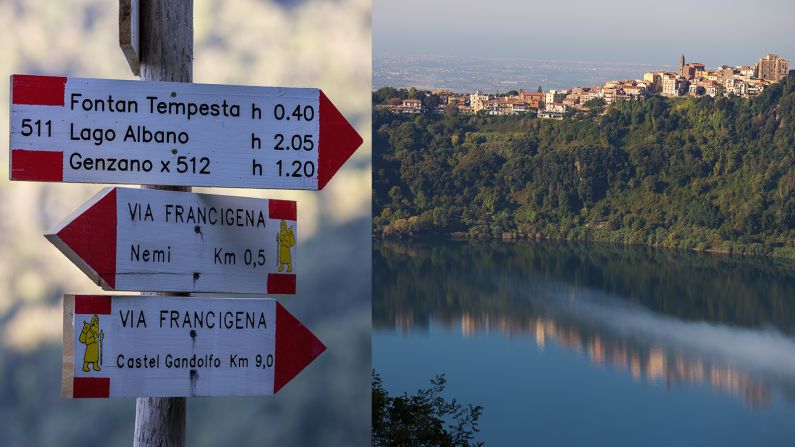
Located around 19 miles southeast of Rome, the town of Nemi overlooks Lake Nemi, a small volcanic crater lake that Benito Mussolini famously drained to salvage a pair of Roman barges (that were then later destroyed).
Daniel Allen
Crater lake —
The scenic, eight-mile Via Francigena hike from Lake Nemi to the larger crater lake of Lake Albano and Castel Gandolfo is popular with both locals and overseas visitors.
Daniel Allen
Papal palace —
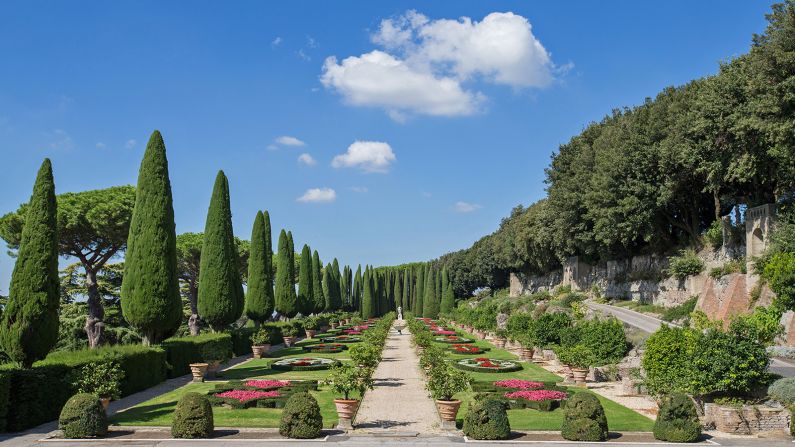
Perched on one lip of the crater lake of Lake Albano, Castel Gandolfo is situated about 15 miles south of Rome on the Via Francigena. The traditional summer residence of the pope, it is one of the Castelli Romani -- a series of historic towns nestling amongst the forested Alban Hills. While former popes have often spent years here, Pope Francis, who is well known for his frugality, is said to dislike the place for its ostentatious luxury. The palace's beautifully manicured Barberini gardens can be visited from Monday to Saturday through an online ticketing system. The Hotel Villa Degli Angeli in Castel Gandolfo offers fantastic views over Lake Albano.
Daniel Allen
Journey's end —
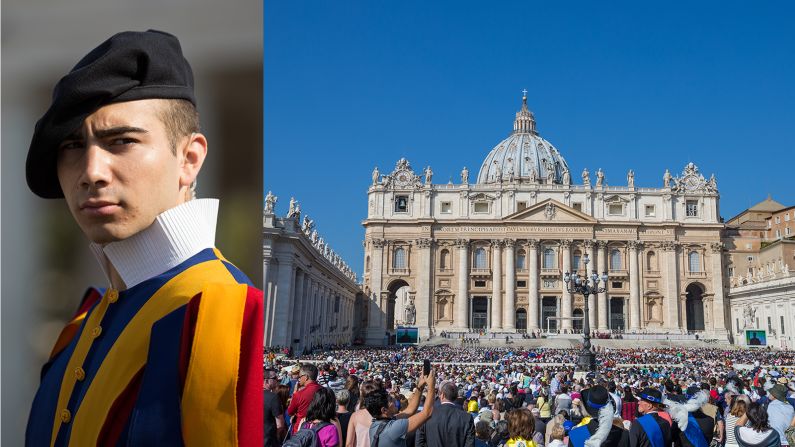
All of the Italian Wonder Ways end (or begin) in the Italian capital of Rome, with its own treasure trove of historical architecture.