Hidden world: Italy’s secret attractions open their doors
Agriculture Academy (Turin) —
Kings have had the craziest whims over the years, but this one beats them all. In 1785, King Vittorio Amedeo III of Savoy decided he wanted to "promote cultivations in the happy domains of his majesty" and so built Turin's Agriculture Academy. There's a library with 6,000 volumes and a gallery of the world's fruits and vegetables, faithfully reproduced in wax. Via Andrea Doria 10, Turin
Courtesy FAI
Palace Koch (Rome) —
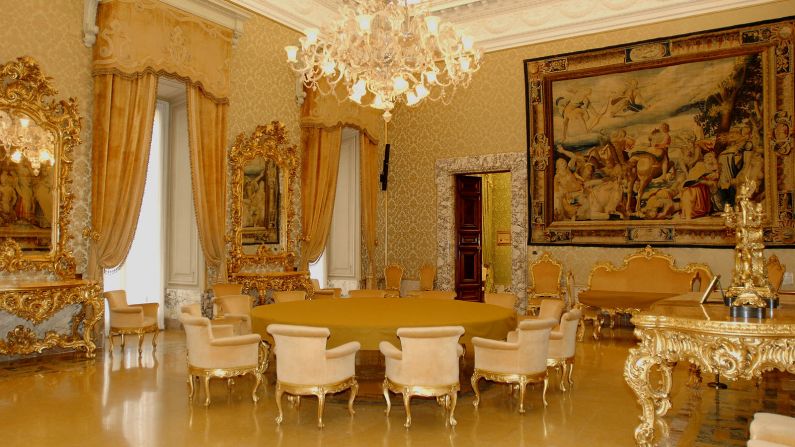
With gold fixtures and deluxe suites with private terraces, this may feel like a Versailles-style palace, but no royalty lives here. This is the headquarters of Italy's Central Bank. Before moving to Frankfurt as chief of the European Central Bank, Mario Draghi spent most of his days here. Via Nazionale 90-91, Rome
Courtesy FAI
Belloluogo Tower (Lecce) —
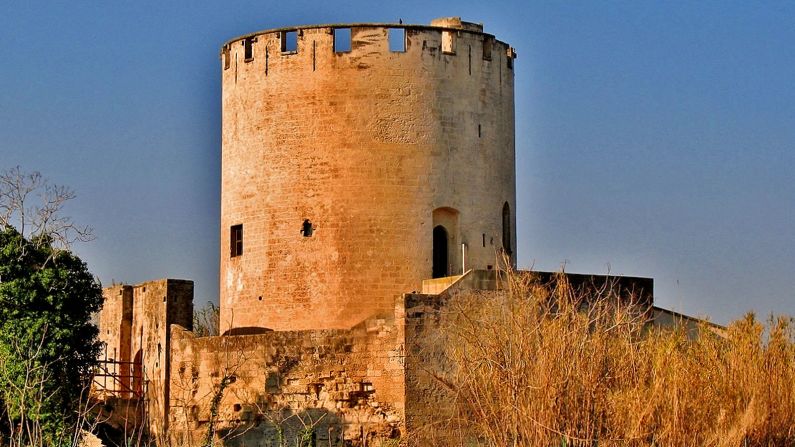
A queen loved to bathe in waters surrounding this fortified structure, built by the Anjou dynasty in 1200. The tower rises on a cliff in the middle of a deep pond. Its name means "beautiful place" -- it was conceived as a Garden of Eden with lemon groves, figs, cherries, nuts and almond trees. Viale San Nicola, Lecce
Courtesy FAI
Marsala salt pools and Stagnone Lagoon (Trapani) —
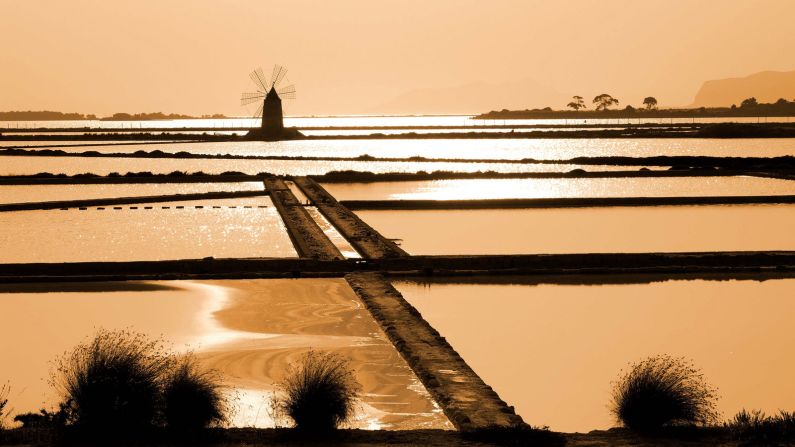
Known for its sweet wine-producing vineyards and salt pools, Marsala's name comes from the Arabic "Marsa Allah," meaning God's harbor. Surrounded by an archipelago of small islands, the lagoon boasts a Phoenician vessel and settlement. It's dotted with ancient windmills and often sees spectacular sunsets. Strada Provinciale 21, Marsala, Trapani
Assessorato Turismo Sicilia
Italic Forum's Historical Gym and 'Honor Salon' (Rome) —
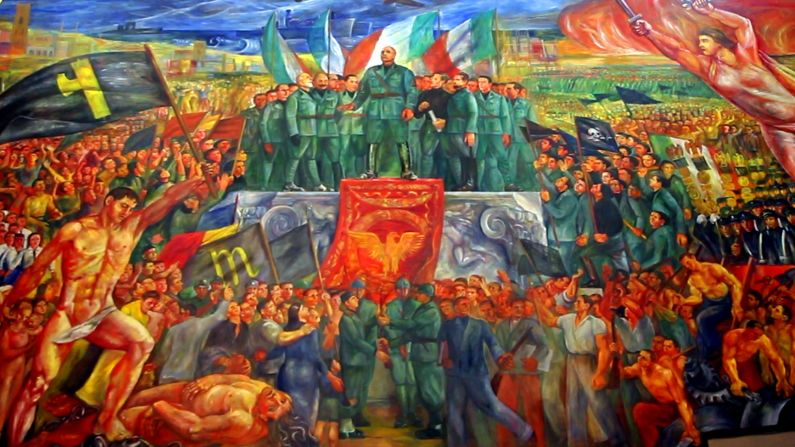
Created by order of Benito Mussolini to symbolize the fascist superhuman ideals, this citadel of sports features wall paintings showing the tyrant in action. Stadio dei Marmi, Foro Italico, Rome
Attrezzeria Rancati (Milan) —
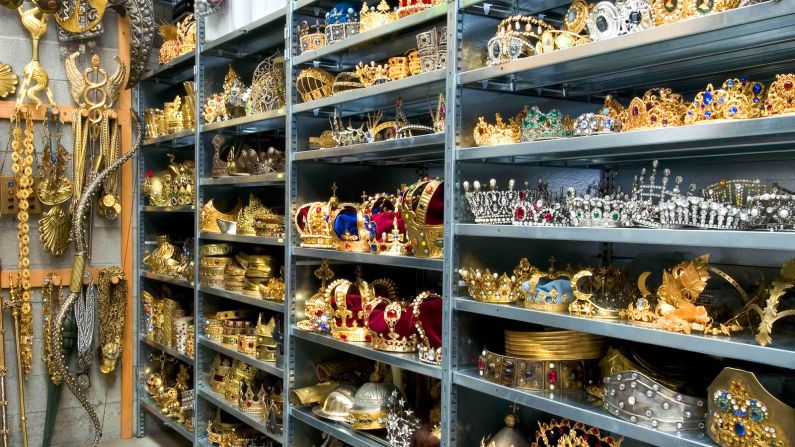
This old workshop makes props, arms, armor, outfits, historical furniture, masks and jewels for the global film and theater industry. Visitors will come across the shields used in "The Gladiator," costumes of "Pirates of the Caribbean" and "Robin Hood," and jewels of "The Borgias" TV series. Rancati's craftsmen blend traditional artistry of the 1800s with modern technology and are willing to share their secrets. Cornaredo, Milan
Courtesy FAI
Villa La Quiete alle Montalve (Florence) —
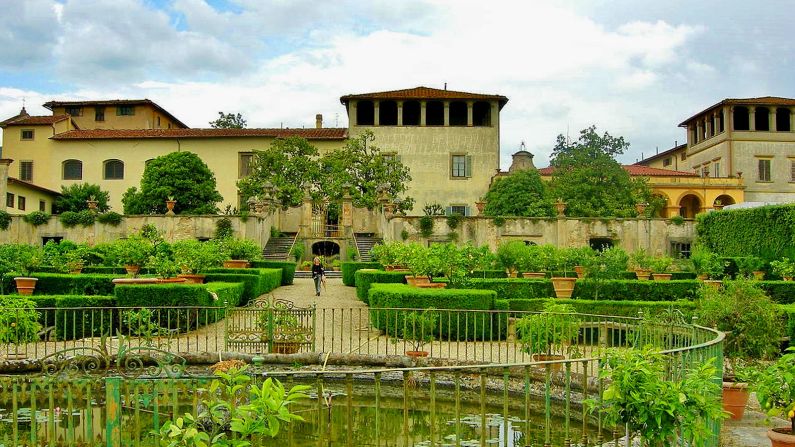
Its name implies "silence" and "peacefulness." One of Florence's most impressive convents, the villa features a spice and herb apothecary and aragnaiamaze of bushes where birds are snared using thin nets -- a traditional Tuscan practice that supplies pigeons for the dinner table. Via di Boldrone, 2, Florence
Courtesy FAI
Ducal Palace (Modena) —
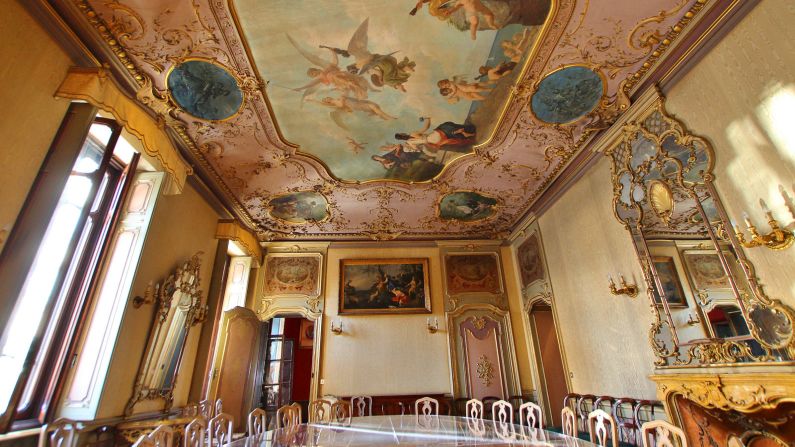
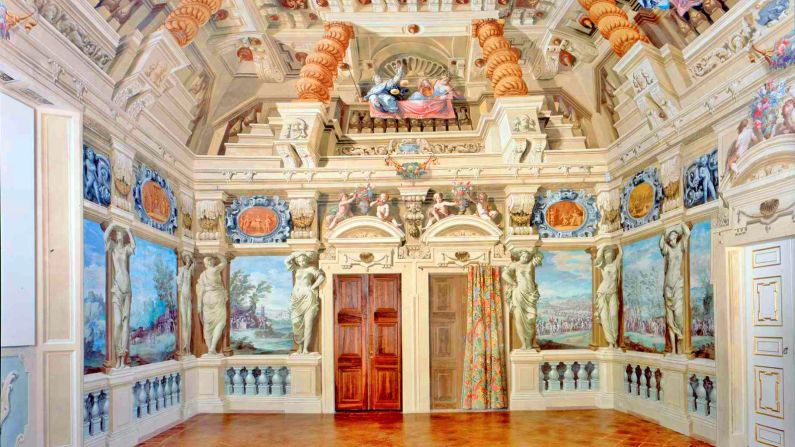
This building once served as a summer residence and banqueting house for the Duke Francesco I of Este, who used it for lavish parties and masquerade balls. Baroque splendors include stylish fountains and frescoed vaults and ceilings. Visitors will be guided inside the famed "Bacchus Gallery" and through secret passageways used by courtesans and schemers. Piazzale della Rosa, Sassuolo, Modena
Courtesy FAI
Chigi Palace (Rome) —
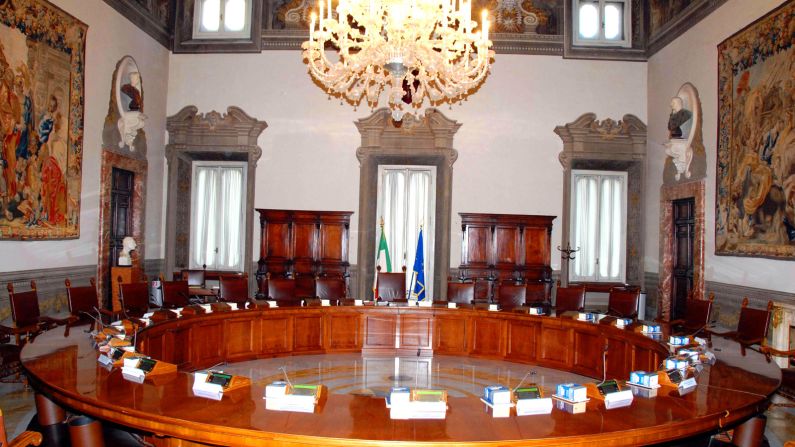
Prime Minister Matteo Renzi opens the doors of his Renaissance palace, a few steps from the Pantheon, giving visitors a glimpse inside the government's Globe Room, where crucial decisions are taken. There's a chance of bumping into Renzi himself -- he lives here. Piazza Colonna 370, Rome
Courtesy FAI
Villa Biaggini Ivancich (Venice) —
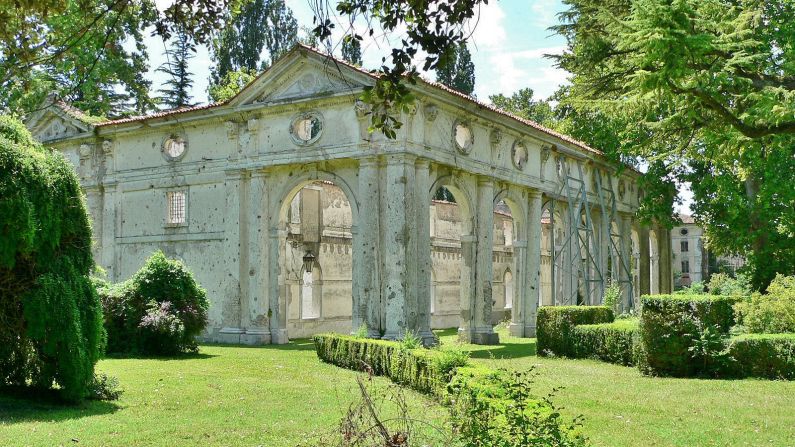
Ezra Pound and Ernest Hemingway were frequent guests at this Baroque Venetian-style villa. A popular cultural spot in the 1900s, the villa was bombed during World War II. What's left today are two stunning decadent barns covered in vegetation. Hemingway's account of the villa's ambiance can be read in his weary romance novel "Across the River and into the Trees." San Michele al Tagliamento, Venice
Courtesy FAI
Spanish Canteen (Taranto) —
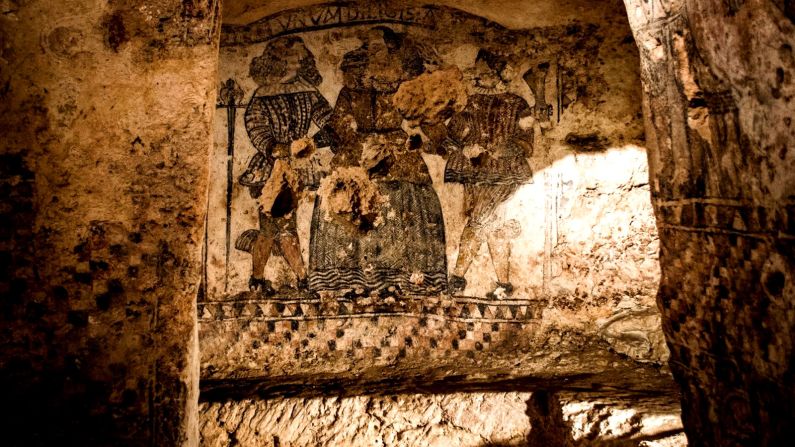
In 1665 a Spanish nobleman turned this former rock crypt it into a winery. The basins were used to collect must and squeeze grapes. Secret lovers and Freemasons also used this as a meeting place. The walls are painted in black with sacred and profane scenes and there are spooky carved masks. Via Crispi, Laterza, Taranto
Courtesy FAI
Villa Romana (Reggio Calabria) —
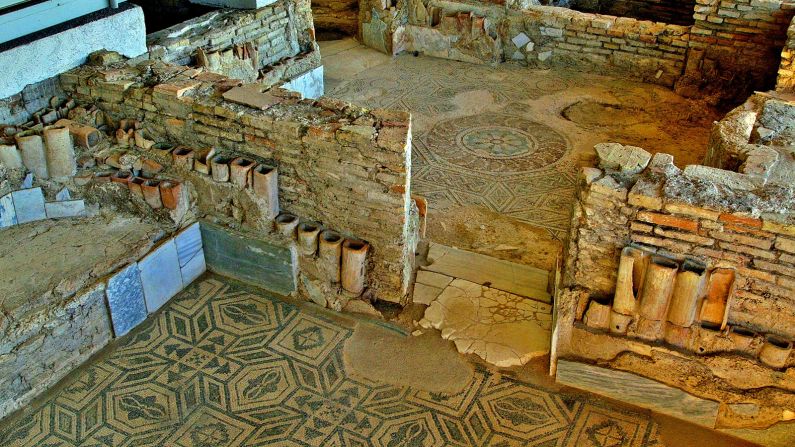
A 15-hectare Roman seaside retreat with amazing mosaics depicting the sea nymphs and a peculiar, Indian-style rendition of wine god Dionysus sitting on a cart drawn by tigers. Contrada Palazzi SS 106 Ionica, Casignana, Reggio Calabria
Baia Thermal Baths Archaeological Park (Naples) —
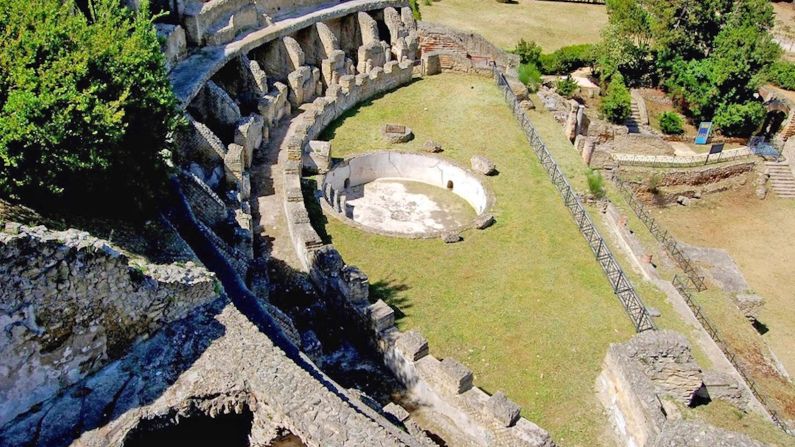
If hell is a luxury spa, then we'd all want to go. Welcome to the Phlegraean Fields, where sleeping volcanoes, geysers and vapors mingle with abandoned Roman ruins, thermal baths and temples. Baia was a favorite spa in Roman times. Once known as the "Mouth of Hell" because of the fiery forces lurking beneath, this is where the Greek legend says Odysseus and Aeneas descended into the Inferno. Via Sella di Baia 22, Bacoli, Naples; open March 28-29
Courtesy Cristina Baratta
Calatubo Castle (Trapani) —
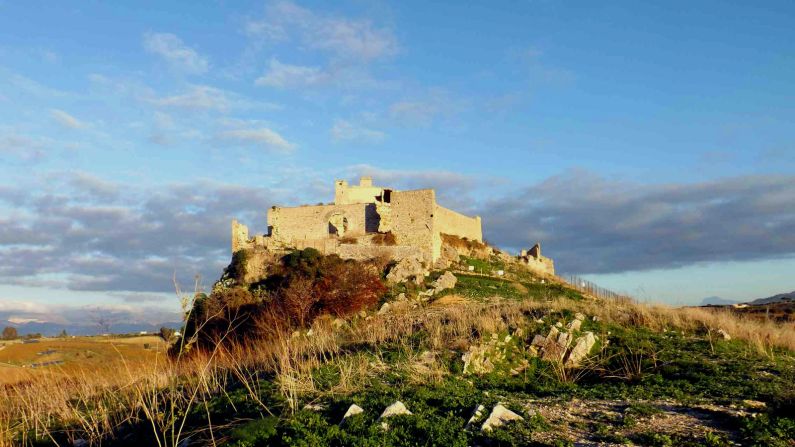
An ancient fortress featuring a necropolis, Calatubo was once part of a network of lookout towers built in times of pirate raids. Badly damaged by an earthquake in 1986, its dilapidated appearance casts a spooky shadow on travelers using the nearby highway. Alcamo, Trapani
Courtesy FAI
Matera Cathedral (Matera) —
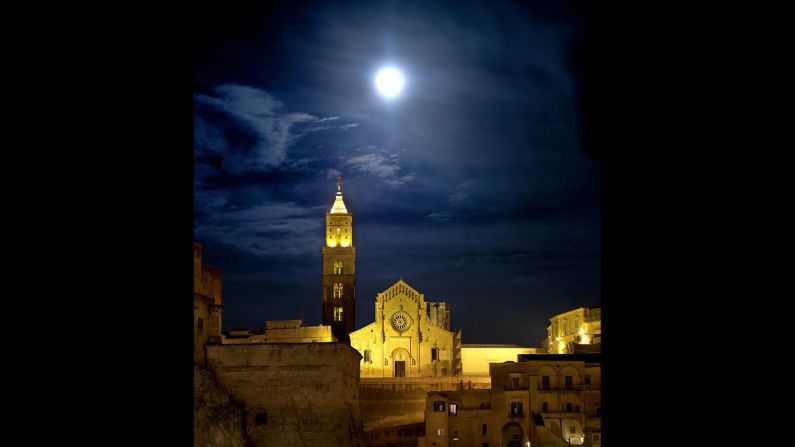
After 15 years of renovations, this grand medieval cathedral is worth seeing. Matera, known for its cave-like stone dwellings, overlooks the Sassi ravine in southern Italy's Basilicata region, named Europe's 2019 Culture Capital. Piazza Duomo, Matera