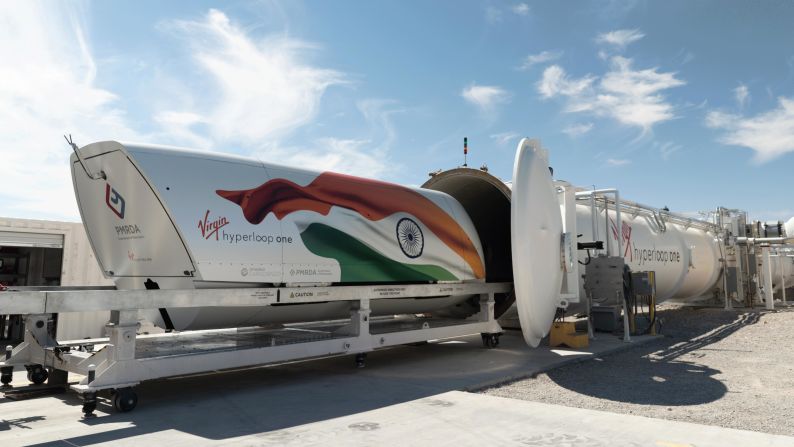
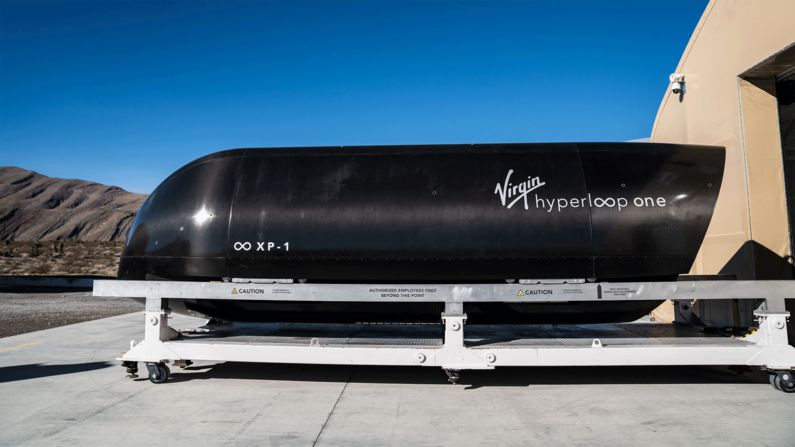
India enters the fray: Virgin Hyperloop One and Dubai-based supply chain firm, DP World has been given the green light by a state government in India to advance its hyperloop technology.
Courtesy Virgin Hyperloop One
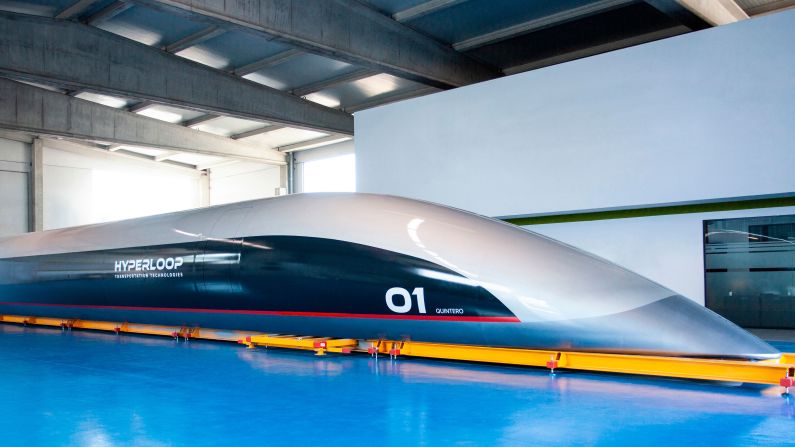
Hyperloop technology: Hyperloop is a futuristic form of high-speed transportation involving levitating pod-like capsules inside a low-pressure steel tube. Several companies are developing the technology including Hyperloop Transportation Technologies, pictured.
Courtesy Hyperloop Transportation Technologies
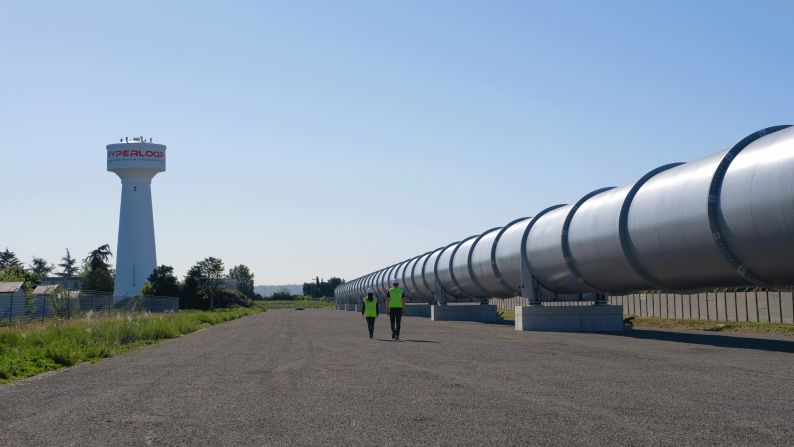
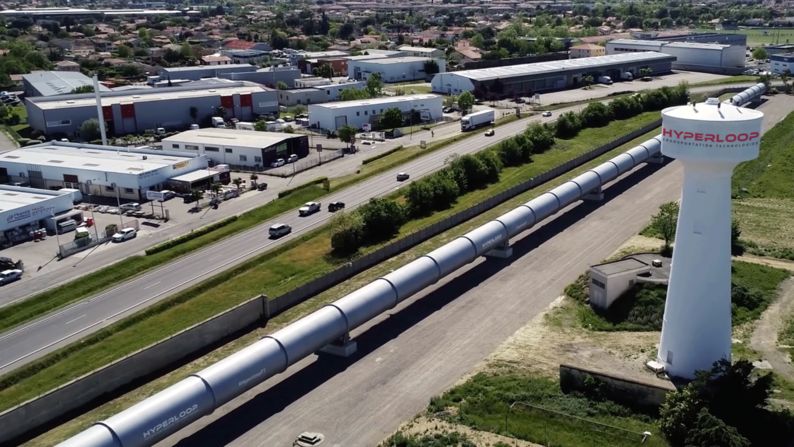
Pilot track: Hyperloop TT has test facilities in Toulouse, in France.
Courtesy Hyperloop Transportation Technologies
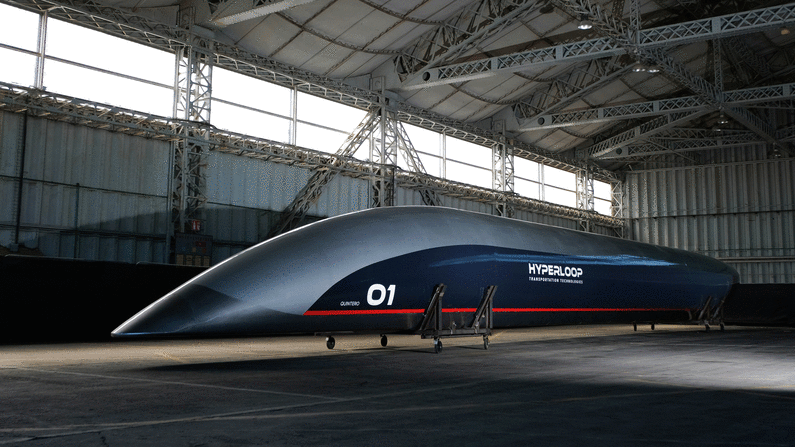
First steps: HyperloopTT unveiled this full-scale capsule in 2018.
Courtesy Hyperloop Transportation Technologies
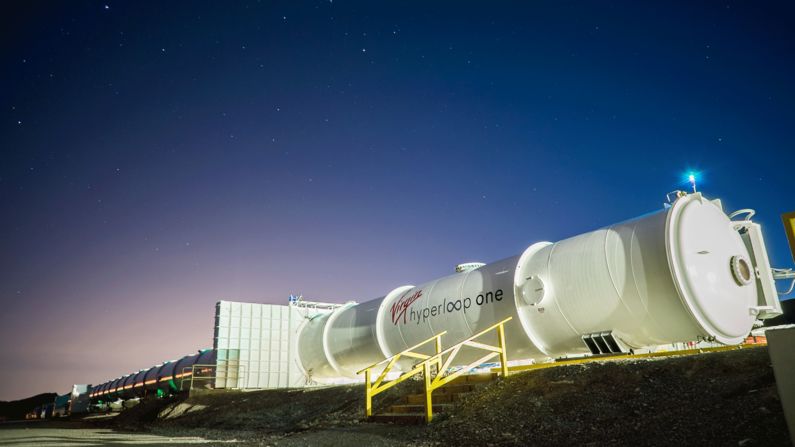
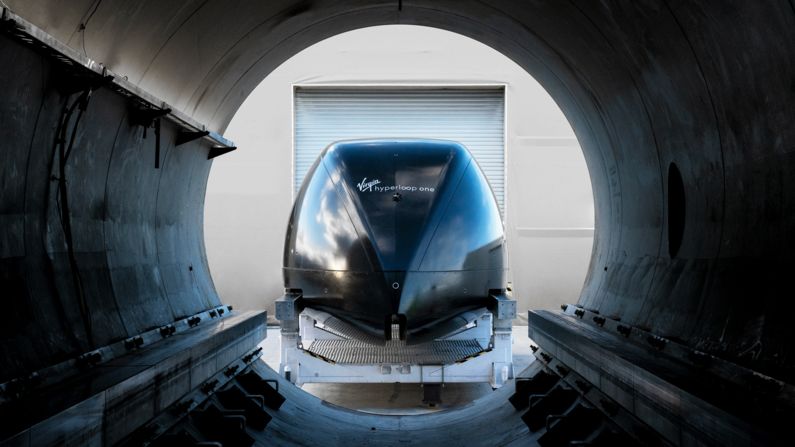
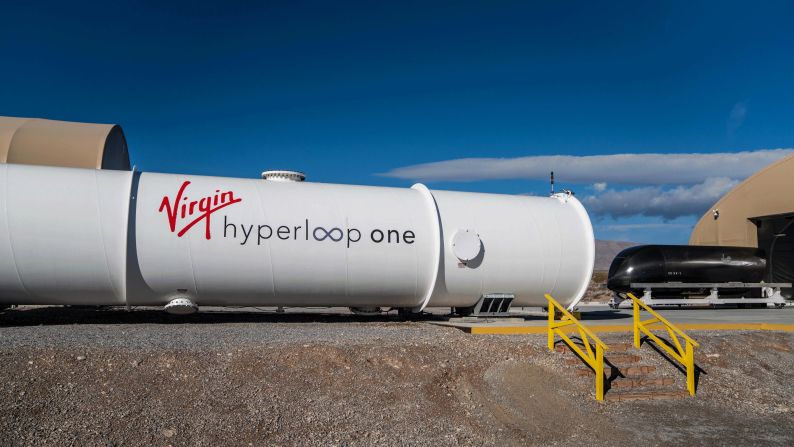
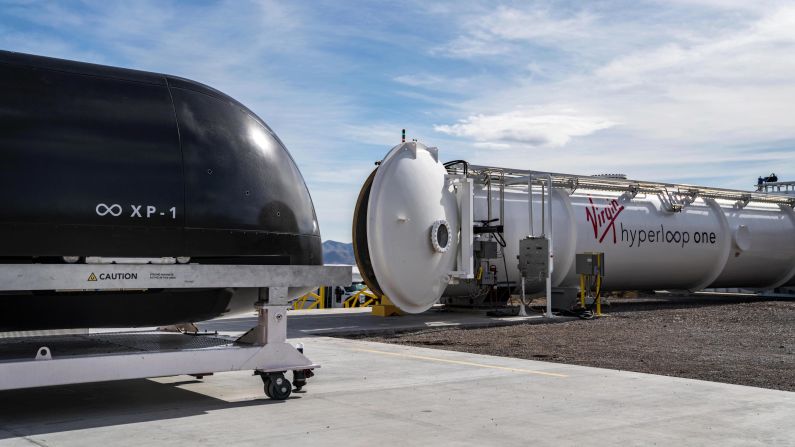
Developing tech: Virgin Hyperloop One is one of the other companies developing Hyperloop technology and running rests in Nevada, in the United States.
Courtesy Virgin Hyperloop One
Need for speed: Hyperloop's main advantage is speed -- it'll be able to transport passengers far quicker than trains or cars.
Courtesy Virgin Hyperloop One
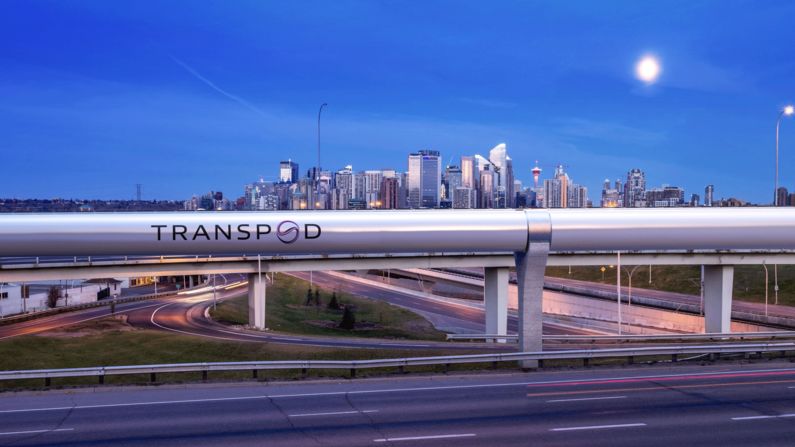
Fast frequency: The hope is, as Sebastien Gendron, co-founder and CEO of TransPod, says, Hyperloop will combine "the frequency of the subway with the speed of the aircraft." TransPod is still developing its facilities, but this artistic rendering depicts what a tube might be like.
Courtesy TransPod
Affordable travel: The various Hyperloop companies all say say they plan for the service to be fairly cheap, equivalent to train tickets rather than airfare.
Courtesy Hyperloop Transportation Technologies
Energy-efficient: Hyperloop is also billed as a sustainable alternative to air travel, particularly short-haul budget flights.
Courtesy Virgin Hyperloop One
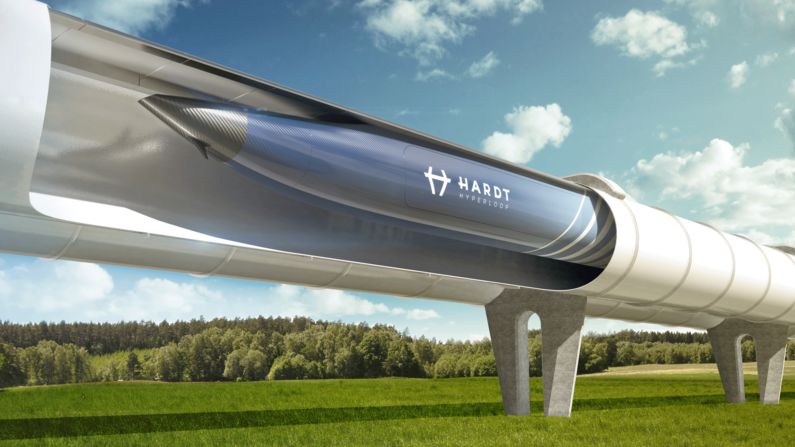
Energy efficient: "It's 10 times more efficient than airplane and even more efficient than trains," says Tim Houter, CEO and co-founder of Hardt Hyperloop.
Courtesy Hardt Hyperloop
Logistical challenges: Experts estimate Hyperloop will be a reality by 2030, but there'll be some logistical challenges in the meantime.
Courtesy Virgin Hyperloop One
Affordable travel: The various companies involved in developing the technology also say they plan for the service to be an affordable mass transit system with ticket prices more comparable to railways than aviation.