Featuring incredible sculptures, the 2016 Harbin International Snow and Ice Festival officially opened its chilly gates on January 5.
WANG ZHAO/AFP/AFP/Getty Images
Opening ceremonies —
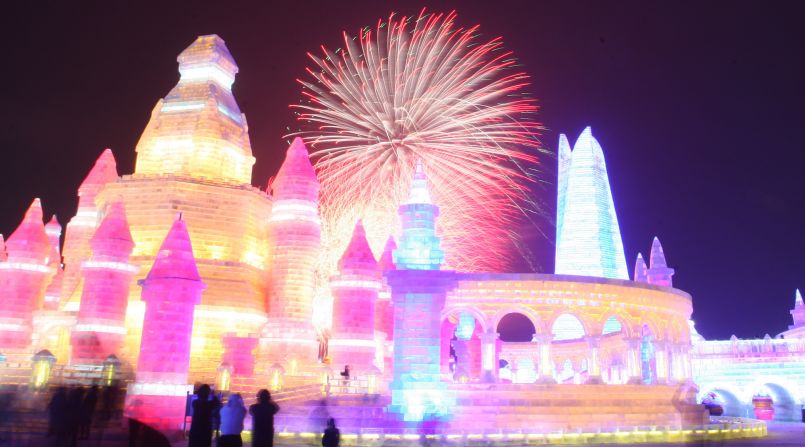
Though visitors can check out the sculptures from as early as mid-December, the official opening ceremony -- complete with fireworks -- isn't usually held until January 5.
ChinaFotoPress/Getty Images AsiaPac/Getty Images
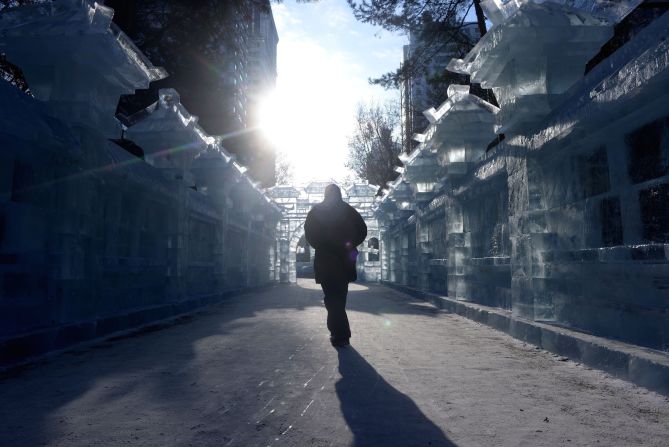
Winter wonderland —
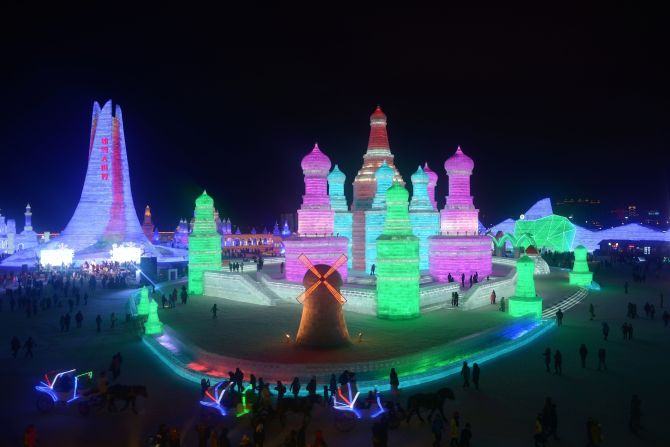
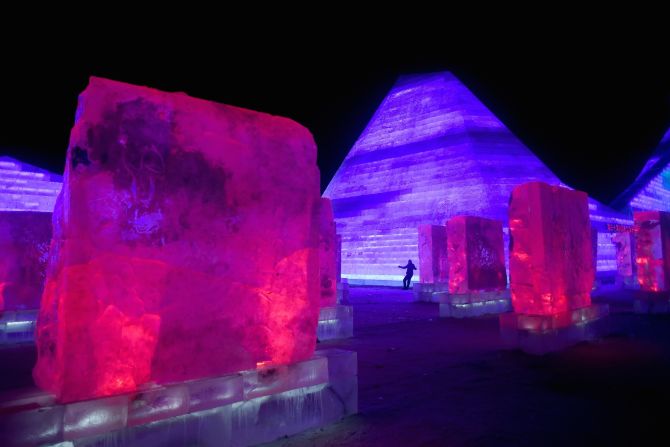
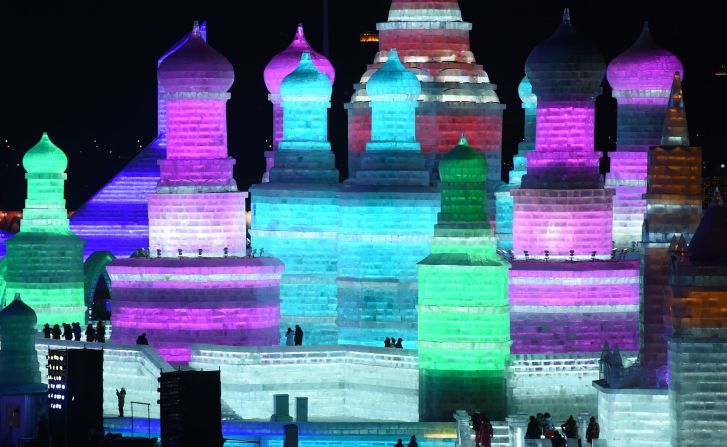
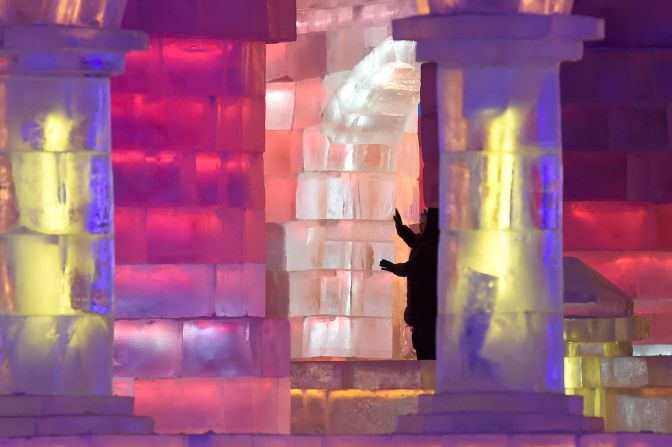
The best time to go is at night, when the sculptures are lit from the inside with LED lights.
WANG ZHAO/AFP/AFP/Getty Images
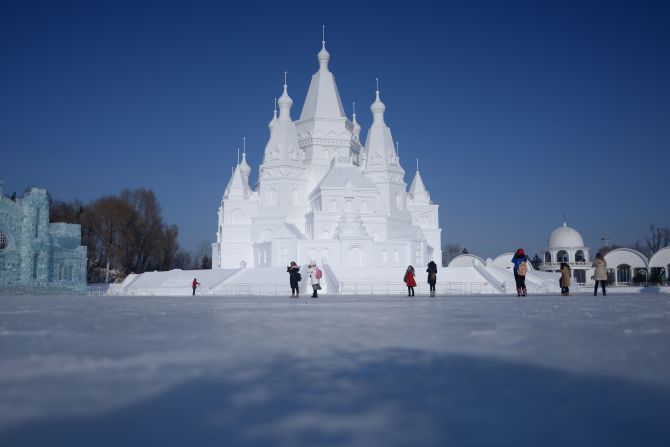
Ice castle —
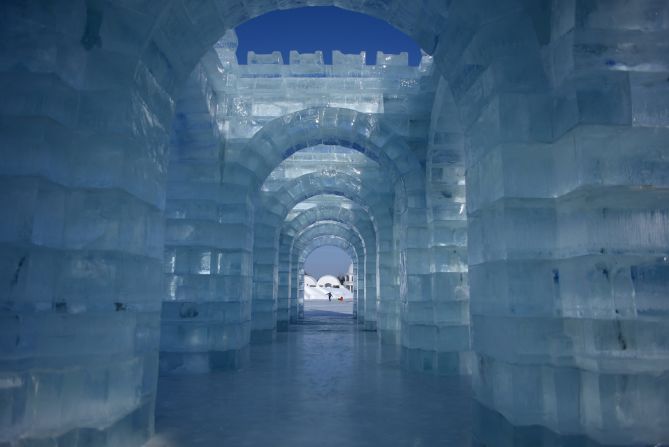
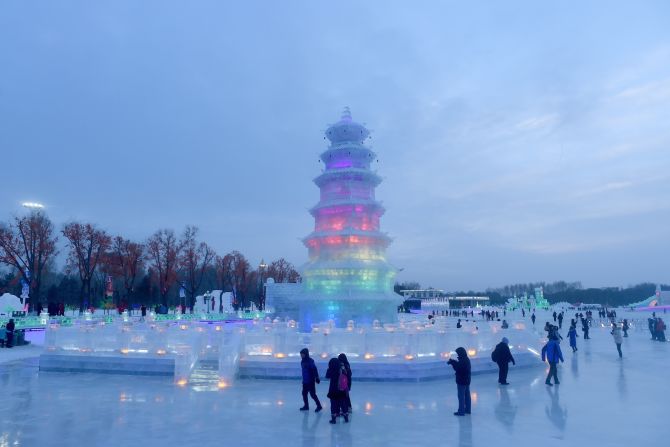
But it still looks pretty cool during the day, too.
WANG ZHAO/AFP/AFP/Getty Images
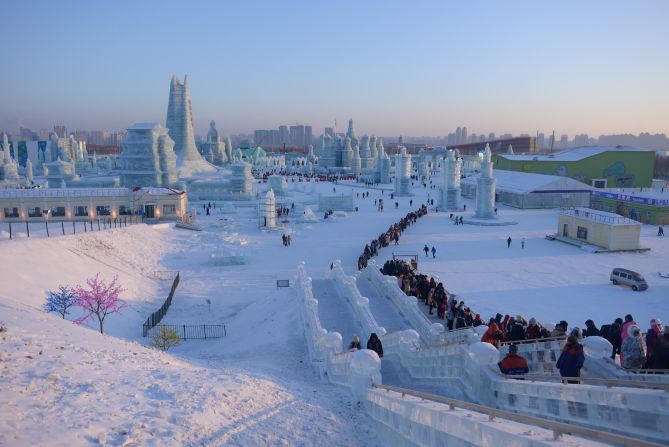
Ice and Snow World —
The festival's main attraction is the Ice and Snow World.
WANG ZHAO/AFP/AFP/Getty Images
Locally sourced ice —
"I bet I could whip up one of these at home." Many of the blocks used in the sculptures were made with ice taken from Harbin's frozen Songhua River.
WANG ZHAO/AFP/AFP/Getty Images
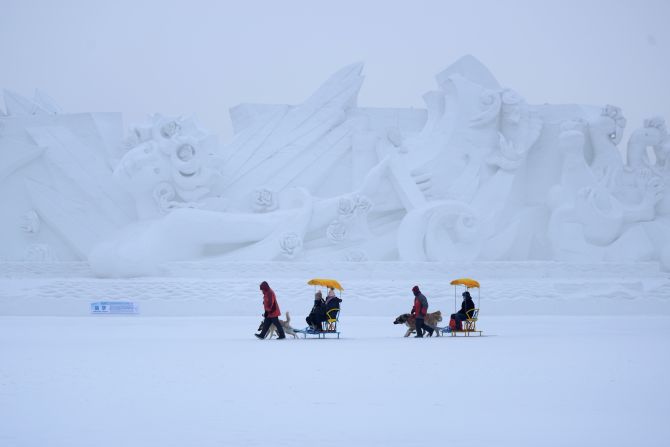
Winter thrills —
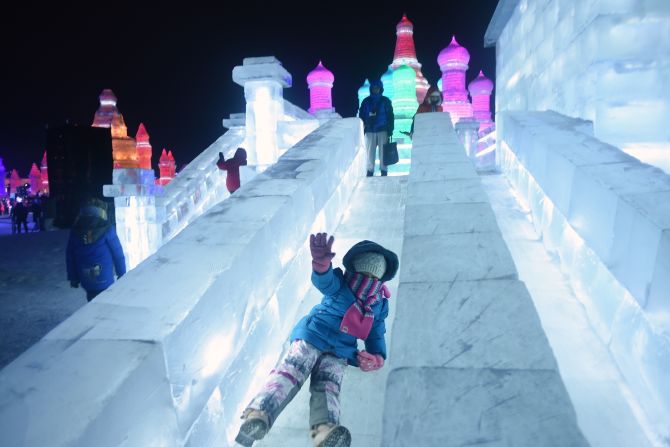
There's more to do than take photos. Festival activities include sledding, skating and even slides made out of ice.
WANG ZHAO/AFP/AFP/Getty Images
Northeast China —
The annual event, which runs until the end of February depending on weather conditions, takes place in northeast China's Heilongjiang Province.
WANG ZHAO/AFP/AFP/Getty Images
Snow Sculpture Art Expo —
This year's festival theme is "Pearl on the Crown of Ice & Snow." Another highlight of the event is the International Snow Sculpture Art Expo, which features elaborate creations made by local and international artists.
WANG ZHAO/AFP/AFP/Getty Images
International influences —
The festival's sculptures are mostly inspired by Chinese fairy tales and landmarks, though there are always a few global landmarks as well.
WANG ZHAO/AFP/AFP/Getty Images
World's coolest festival? —
Over the years the Harbin International Snow and Ice Festival has grown to become one of the biggest snow festival destinations in the world.
WANG ZHAO/AFP/AFP/Getty Images
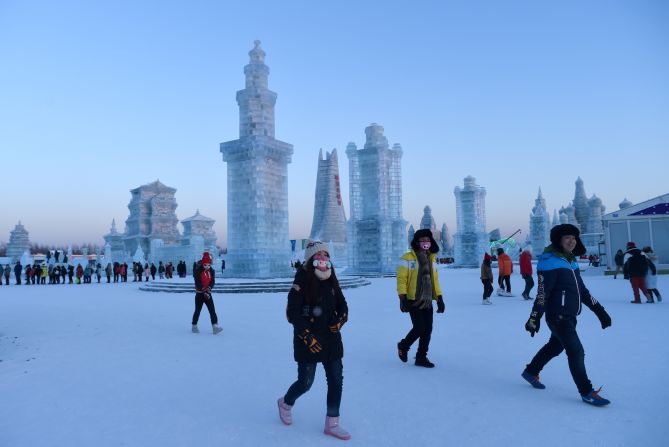
Mingling with the masses —
That line you see there? Afraid you're not going to have the place to yourself. Over one million visitors are expected to attend this year's festival, say organizers.
WANG ZHAO/AFP/AFP/Getty Images
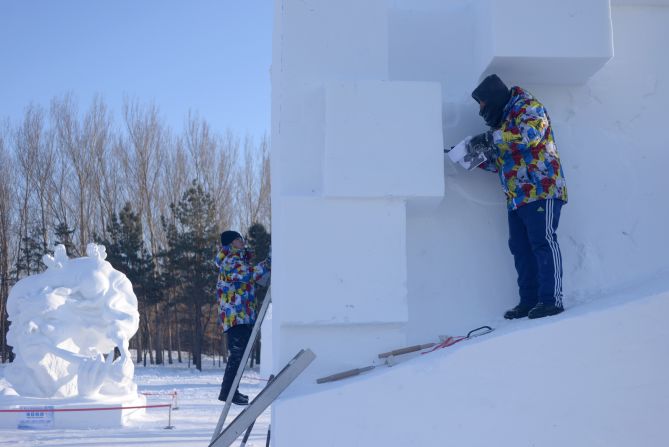
The construction process —
The festival's magnificent sculptures required more than 330,000 cubic meters of ice and snow to create, according to a report in Chinese media.
WANG ZHAO/AFP/AFP/Getty Images
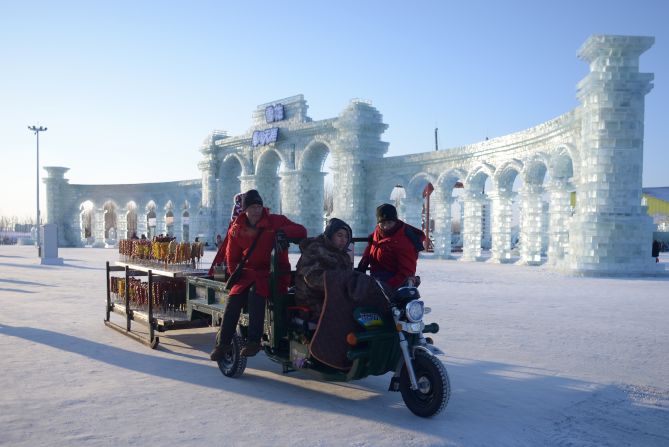
Snack stop —
Harbin's cuisine and architecture are heavily influenced by its close proximity to Russia, which makes the festival a popular attraction for Russian tourists.
WANG ZHAO/AFP/AFP/Getty Images
Ice City —
Given it's known as China's "Ice City," you'd better believe Harbin's winters bring a bite. Average January daytime temperatures range from minus 13 to minus 23 Celsius.