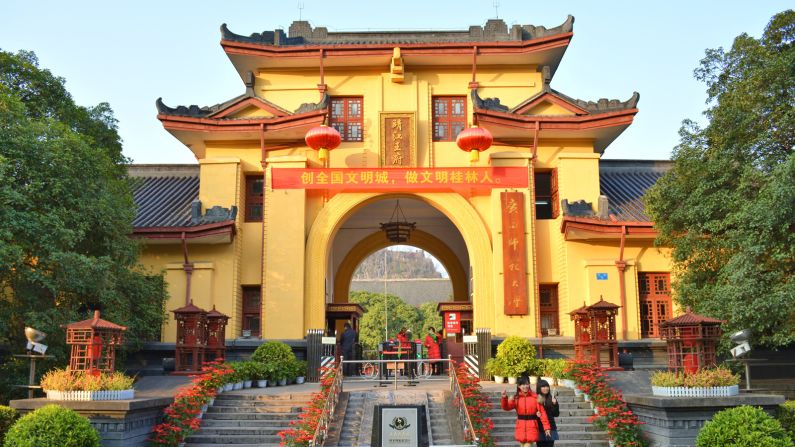
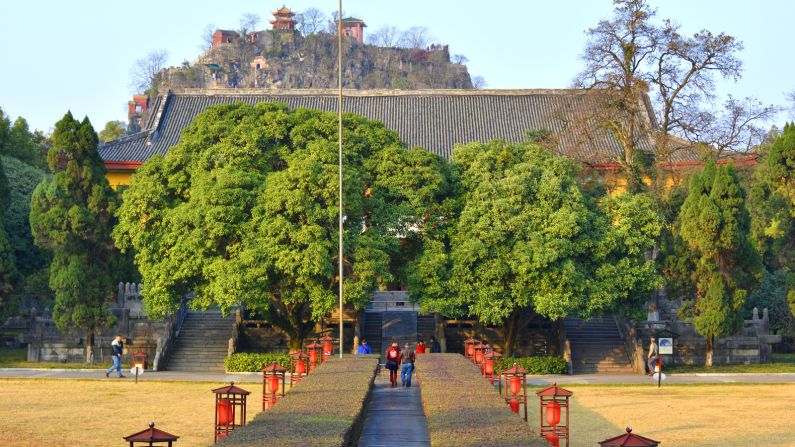
In the center of Guilin in China's southern Guangxi Province, Jingjiang Princes' City has a history stretching back to the late 14th century, older than the Forbidden City in Beijing. Chengyun Gate (pictured) now acts as the main entrance to Jingjiang.
Courtesy Ronan O'Connell
Martial arts —
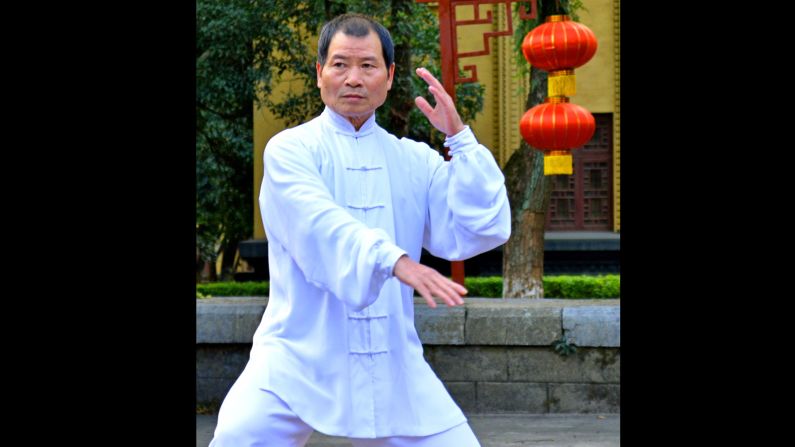
A number of martial arts forms are practiced on the grounds of Jingjiang.
Courtesy Ronan O'Connell
The Princes' Path —
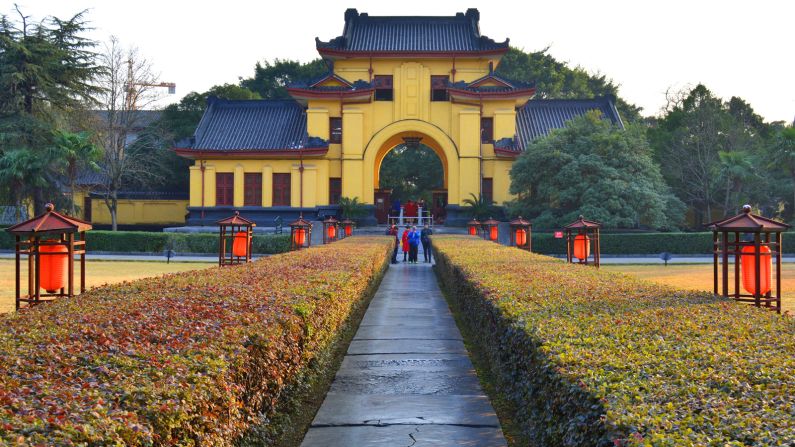
Jingjiang Princes' City is a former royal complex surrounded by a 1.5 kilometer-long perimeter wall. The Princes' Path connects Chengyun Gate with Chengyun Palace.
Courtesy Ronan O'Connell
Traditional dance —
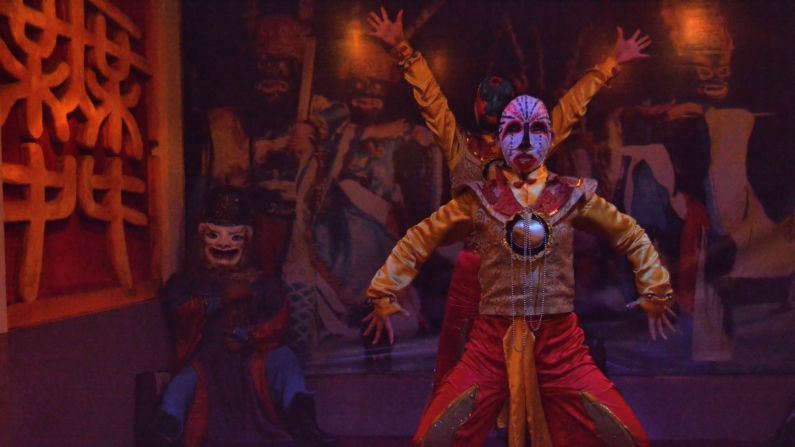
Traditional dance demonstrations take place inside Chengyun Palace, now a museum.
Courtesy Ronan O'Connell
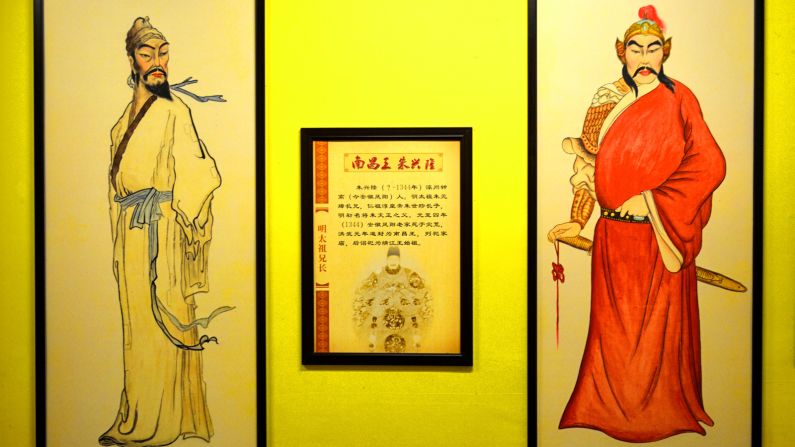
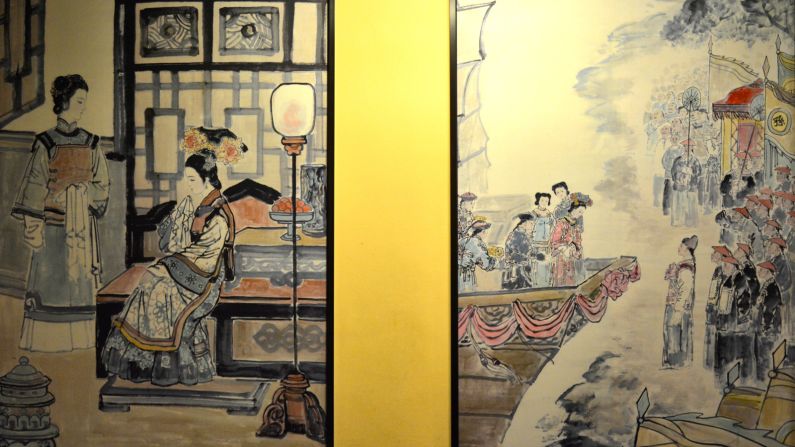
Chengyun Palace museum —
The museum details Jingjiang's history. The complex served 14 princes, or lords of Jingjiang, during the Ming Dynasty.
Courtesy Ronan O'Connell
Most important building —
In its previous life, Chengyun Palace was the most imposing of Jingjiang's buildings. For centuries, it operated as its administrative center.
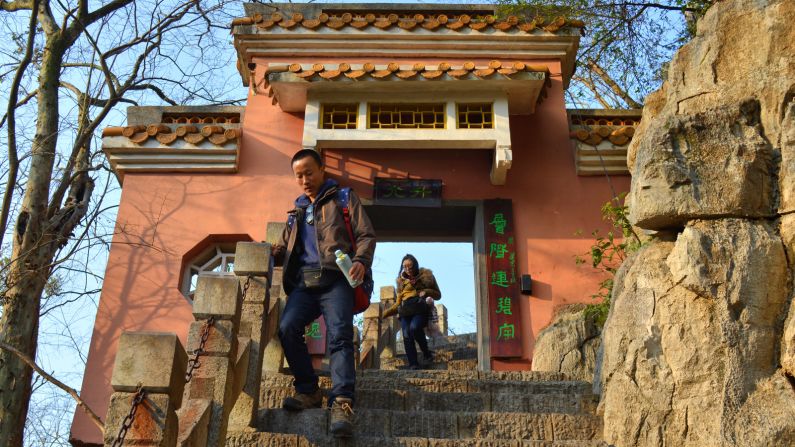
There are 306 steps leading to the top of Solitary Beauty Peak, where breathtaking aerial views of the palace await. A temple is located at the top.
Courtesy Ronan O'Connell
Pavilion —
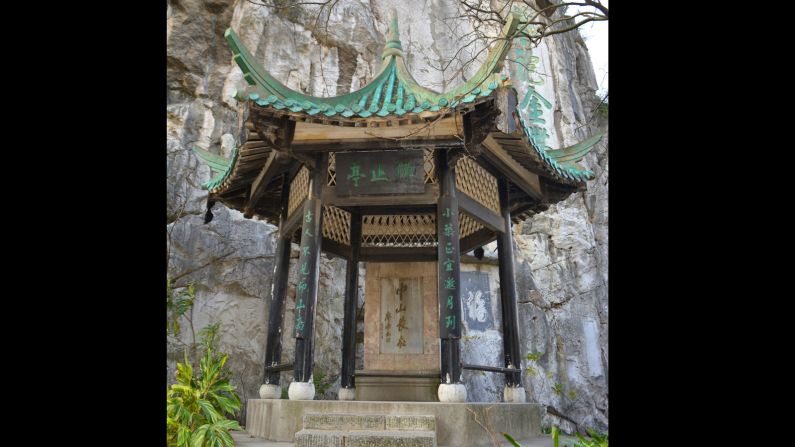
A small pavilion sits at the foot of Solitary Beauty Peak. In China, pavilions serve as more than just a place for rest and shelter. They often commemorate important events.
Courtesy Ronan O'Connell
Museum —
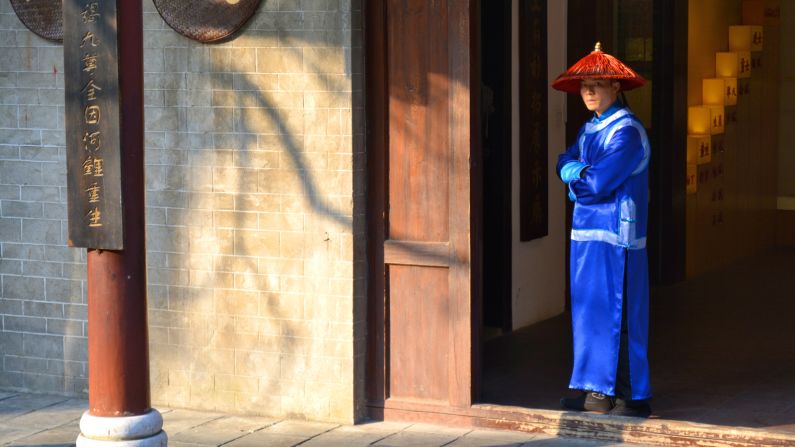
Visitors can take a mock exam at the former Examination Hall.
Courtesy Ronan O'Connell
Guilin —
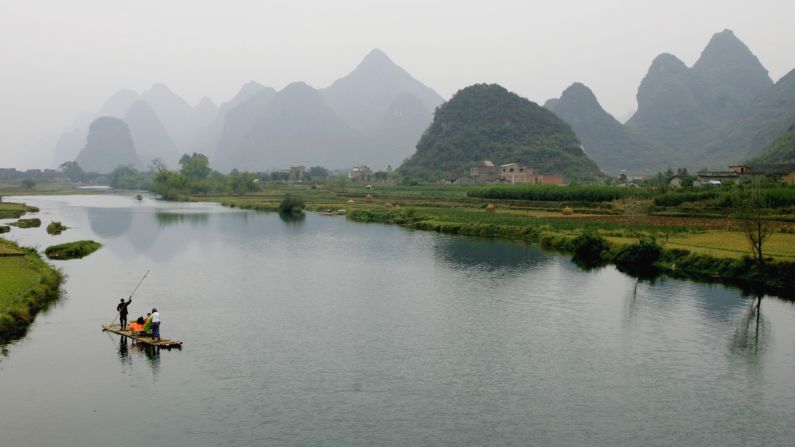
Guilin is famous for its landscape, punctuated by hundreds of limestone peaks.