Fraser Island, world's largest sand island —
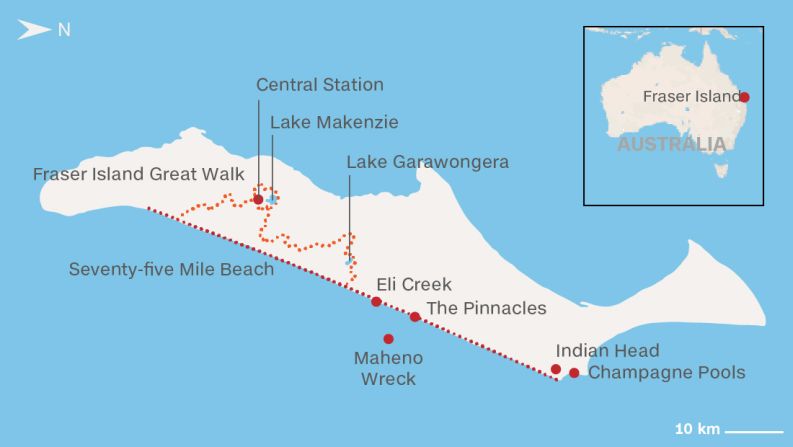
Queensland, Australia's, 1,840-square-kilometer Fraser Island was declared a World Heritage island in 1992. There are 353 species of birds on the island, compared with 337 species in the entire UK. The biggest sand island in the world is also home to unique landscapes and attractions. Click on for a wild tour.
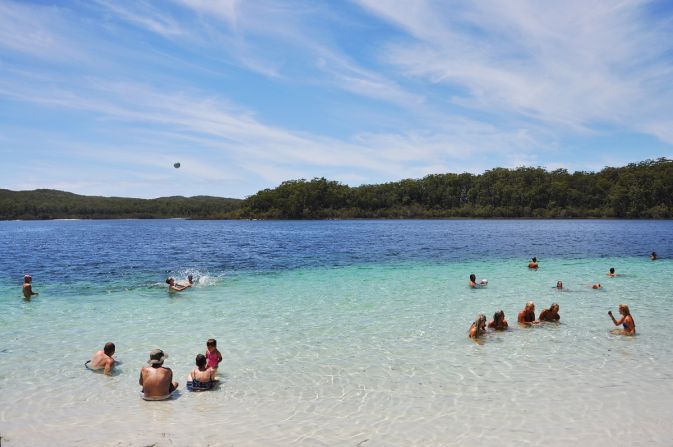
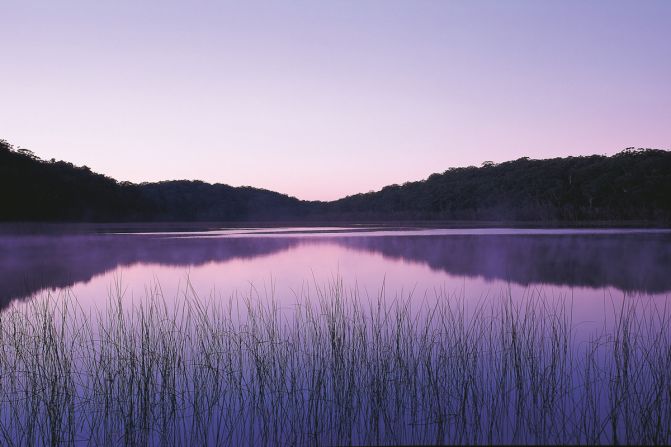
Lake McKenzie —
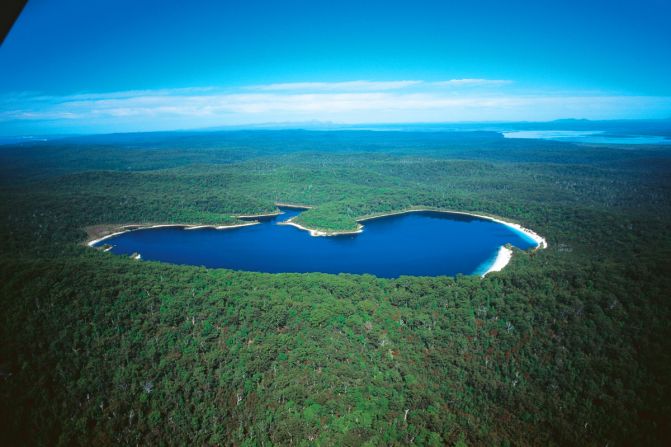
Seeing Lake McKenzie the first time is an unforgettable experience. It's one of 40 perched lakes on Fraser Island -- that's about half of all perched lakes in the world. Perched lakes are bodies of water that come solely from rainwater, uncorrupted by other kinds of water, including underground sources.

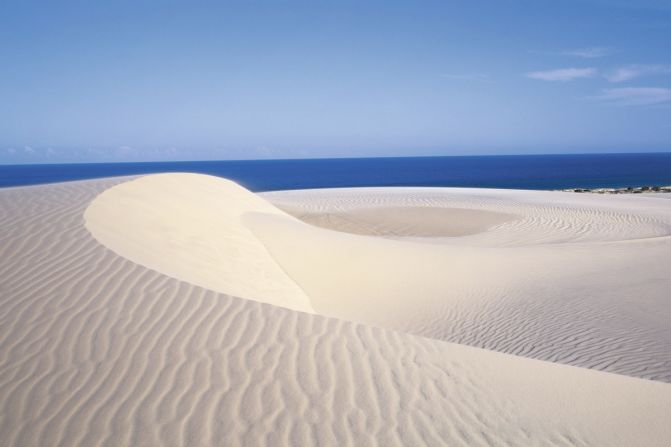
Sandy scenes —
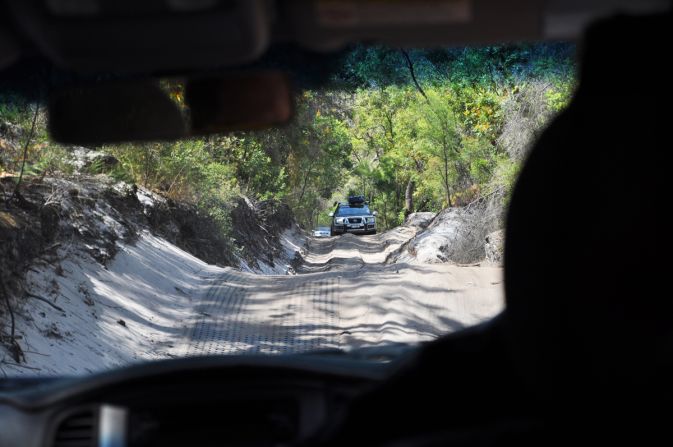
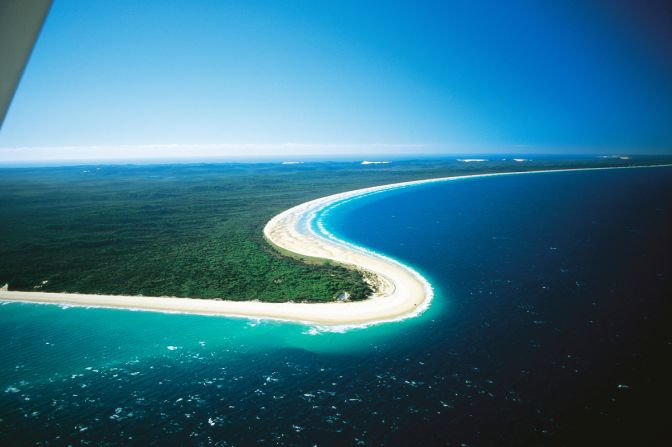
Most of the island is composed of fine sand smoothed out in the last 40,000 years.

Pristine water —
With a constant water temperature of about 22 C (71.6 F) and underwater visibility up to 20 meters, Lake McKenzie's pristine freshwater beach is one of the most popular destinations on the island. Butchulla people, Fraser Island's aboriginal people, call the lake Boorangoora, meaning "waters of wisdom." Because dingoes sometimes roam nearby, food and drinks (except water) are forbidden in the area.

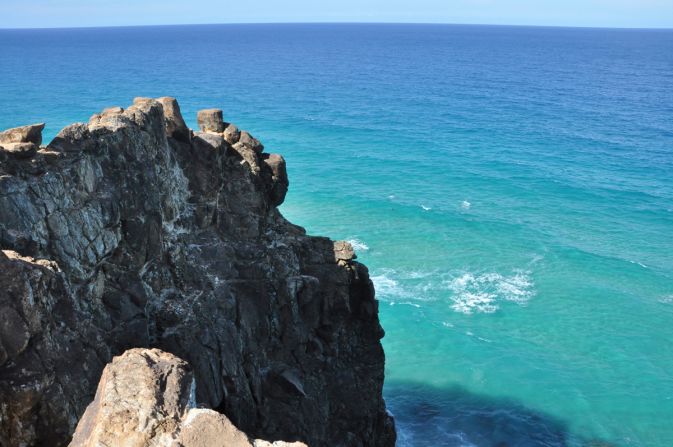
Abundant marine life —
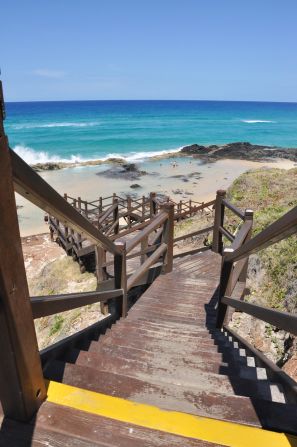
On a lucky day, it's possible to see dolphins, manta rays and giant tortoises from Indian Head.

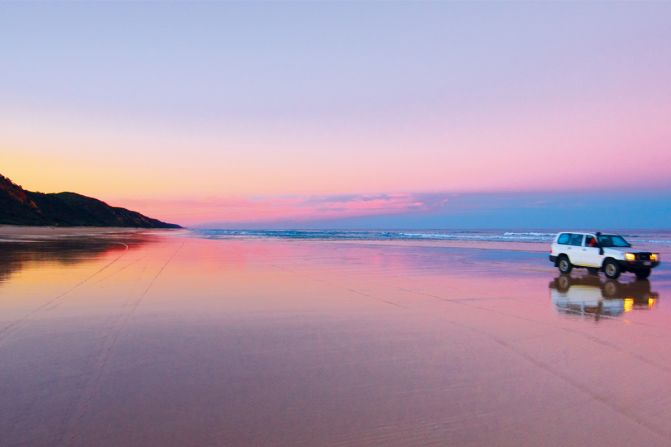
Scenic highway —
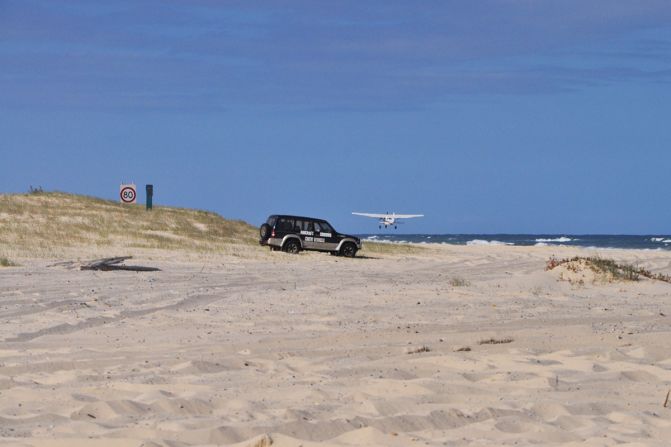
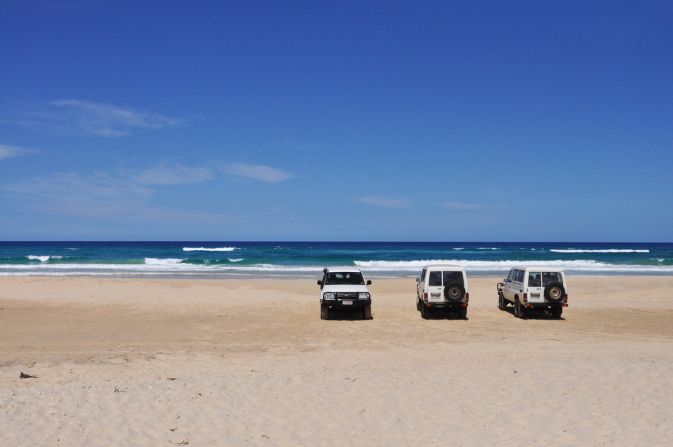
It may be the most scenic and fickle highway in Australia. The Beach Highway is a 75-mile (120-kilometer) stretch of sand. Its navigability depends on tides, as well as the approach of landing aircraft -- it's the island's only runway, too.

Seventy-Five Mile Beach/Highway/Runway —
"The first rule of this highway is always give way to vehicles/planes bigger than yours," says Troy Jacob, 43, a Unique Fraser tour guide. He's been leading tours to the island for 20 years. The speed limit on the highway is 80 kilometers per hour.
"Sometimes you may see one of the two stationing policemen standing aside with a speed radar or a breath tester," warns Jacob.
Drivers should also beware of holes, dents and creeks on the highway.

Champagne Pools —
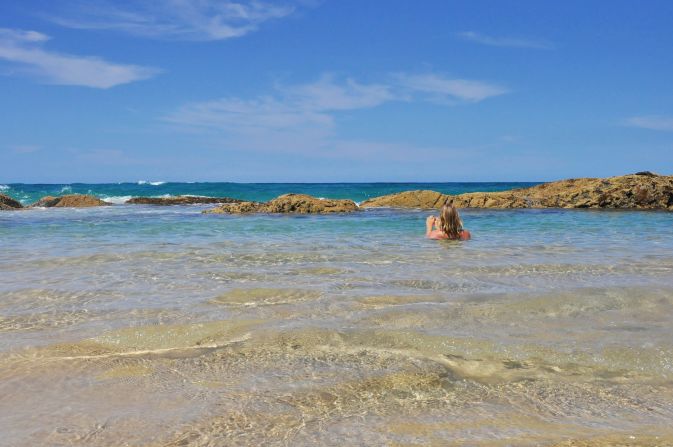
Ocean swimming is discouraged due to strong currents and sharks. The Champagne Pools -- not far north of Indian Head -- are the only saltwater pools visitors can swim in.

Unique pools —
The Champagne Pools were formed by ocean water running over volcanic rock barriers, and creating two shallow seaside pools. When battering the rocks, strong waves create a froth similar to champagne bubbles, hence the name.

Eli Creek —
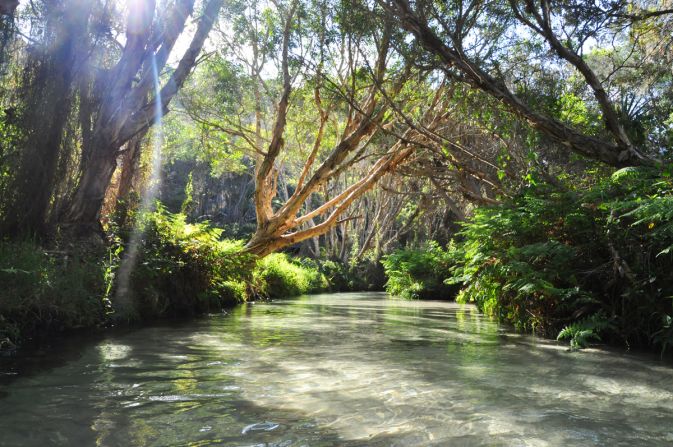
The largest creek on the eastern side of the island, Eli Creek pours up to four million liters of freshwater into the ocean every hour. It's a popular picnic spot. Visitors can walk along the clear stream.

Butchulla people and Lake Garawongera —
The Butchulla people are the indigenous occupants on Fraser Island, called K'gari in the native language. They've been granted native title rights over part of Fraser Island, which strengthen their rights and interests to the island. Lake Garawongera, meaning "place of pigeons," is a sacred site for the Butchulla.

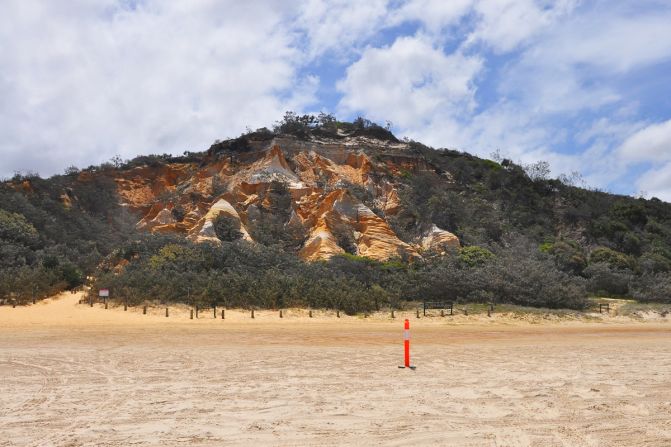
The Pinnacles —
Fraser Island's native people have traditionally believed that the colored sand cliffs now called the Pinnacles were formed by the explosion of Wiberigan (the rainbow), who was trying to protect a girl from the attack of a boomerang. It's still considered a holy site for aboriginal women. The only private, fenced campsite on the island is located behind the Pinnacles.

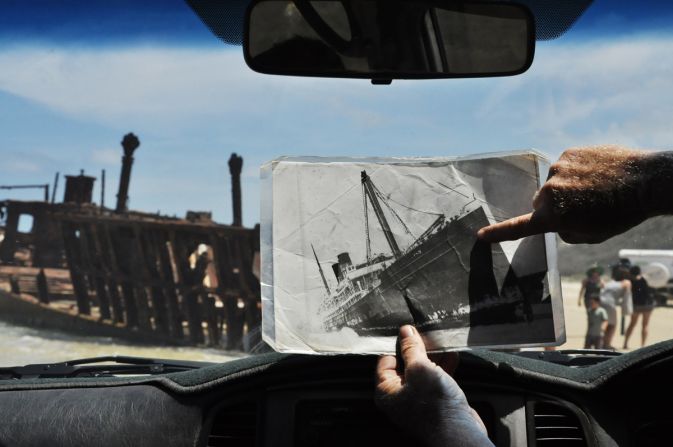
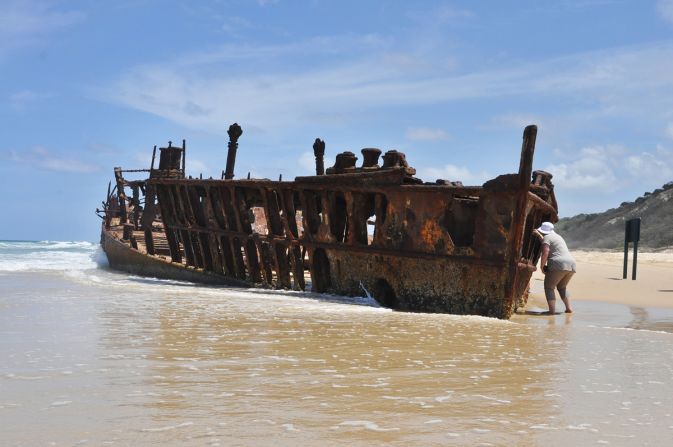
Maheno Shipwreck —
Maheno Shipwreck is a popular attraction along the 75-Mile Beach. The ship was built seven years before the Titanic and was designed to be the fastest transatlantic vessel in the world. It was transformed into a hospital ship in WWI and then a luxury cruise liner before being sold to a Japanese company for scrap metal in 1930s.

Wreck remains —
While being towed along the coast, a towline snapped in a cyclone and the Maheno drifted ashore. Most of its remains are now submerged under the sand.

Fraser Island Great Walk —
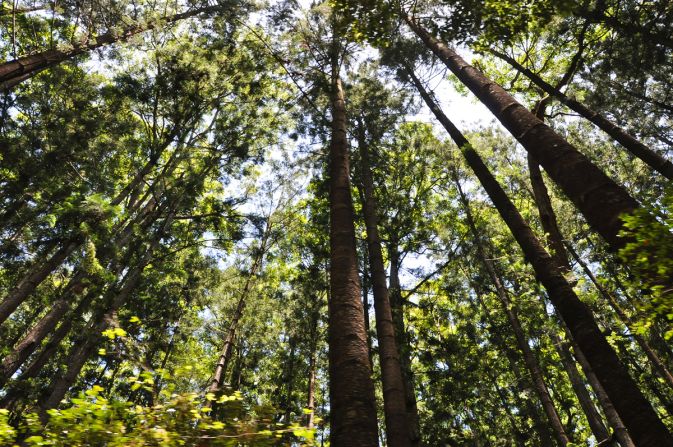
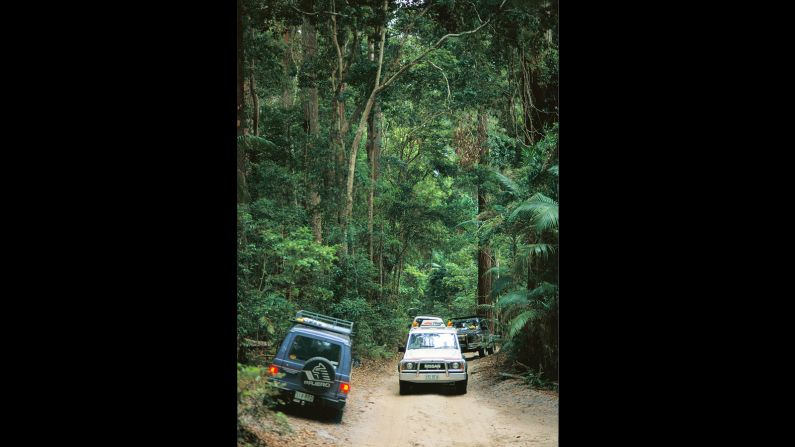
"This is the only place where tall rainforest grows on sand," says Unique Fraser guide Troy Jacob. "Consider the island is only made of sand -- it really is pretty amazing." If the bumpy ride on a Landcruiser isn't enough, there's the option of exploring the island on foot on a Fraser Island Great Walk. The 90-kilometer trail takes at least six days to hike, almost all on sand.Updated notices on trail conditions and topographic maps are available on the website for the Queensland Department of National Parks, Recreation, Sport and Racing.

Central Station —
In the middle of the island's vast forest sits Central Station, a former logging area. Logging activity ceased on the island in the 1990s."Fraser Island is known for its strong Satinay logs, which were shipped to Egypt to build the Suez Canal," says Jacob.
"The logging industry was once so vibrant that two schools were built to accommodate the children of the loggers working at Central Station."
The area is now home to the tallest gums on the island and is the start point for bush walks that lead to Wanggoolba Creek and Basin Lake.

Humpback highway —
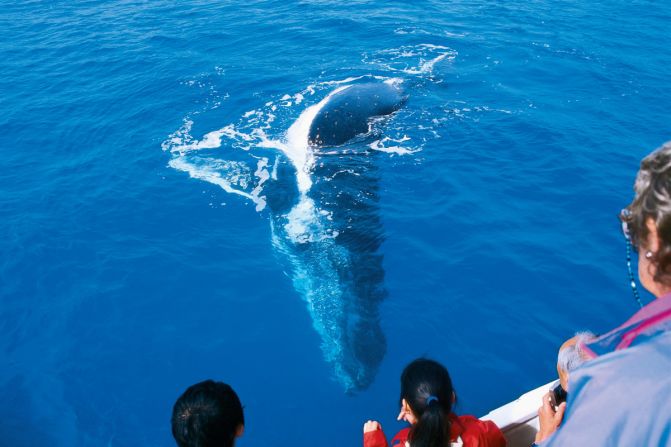
Fraser Island is one of the best places in the world to see humpback whales. Every July to October, the humpback migration passes Fraser Island. The calm, warm waters off Fraser and nearby Hervey Bay create a humpback highway.

Rollercoaster ride —
Sandways are recognized as official roads. The typical speed limit on the island is 40 kilometers per hour. Rides are bumpy and rugged, especially during dry seasons.

Tours —
Visitors traveling to the island with their own (sand-capable) vehicles require special permits. People who don't want the hassle can join one of the 12 companies offering eco-tours around the island. Unique Fraser conducts one-day ($180) and two-day ($260) tours. Each group has a maximum of seven guests and travels by Landcruiser.

Fraser Island: Where rainforest grows on sand —