Italy’s Santa Maria Novella: The ancient perfume store you’ve never heard of
Scent of the past —
In the 13th century, Dominican friars set up an infirmary in Florence's Santa Maria Novella convent and started cultivating medicinal herbs.
AFP/Getty Images
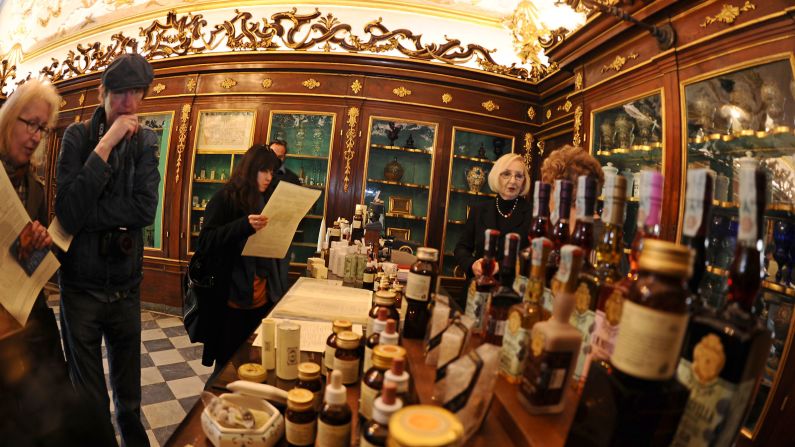
Thriving business —
The pharmacy is located near Florence's train station. Entrance is free of charge.
AFP/Getty Images
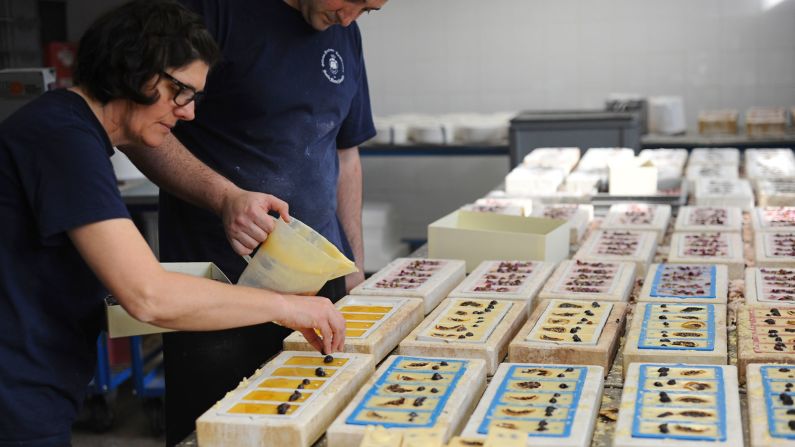
Local ingredients —
While some of the tropical ingredients such as patchouli and sandalwood are imported, the products are largely chilometro zero (locally made), right down to the labels, stationery and bags.
AFP/Getty Images
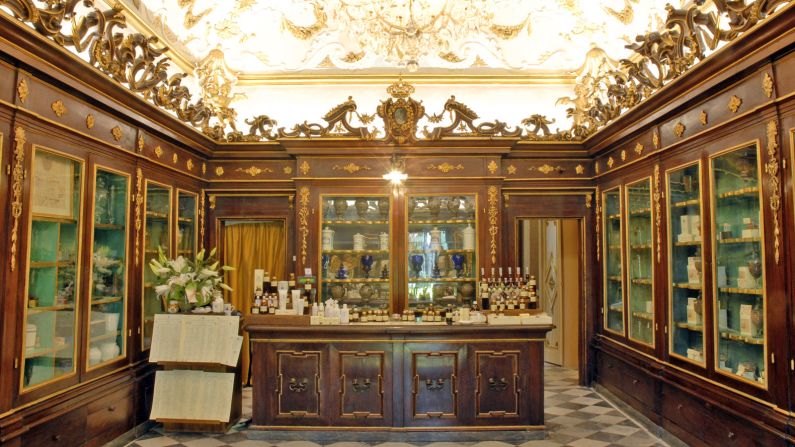
Classic charm —
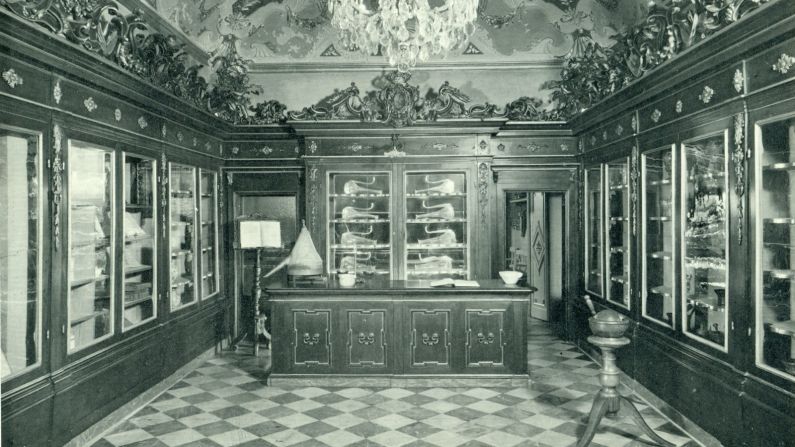
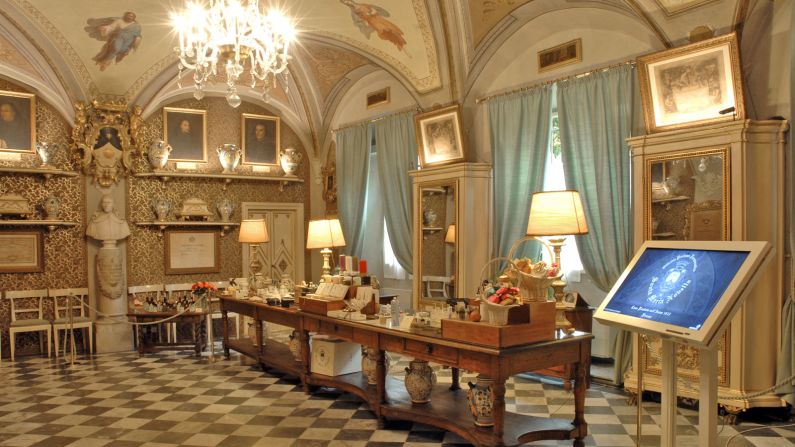
Little has changed in the pharmacy over the years. Compare this photograph to the next, taken several decades ago.
Courtesy Officina Profumo Farmaceutica di Santa Maria Novella
Still the same —
The only major change at the apothecary was the transfer of production operations to a facility three kilometers north of Florence.
Courtesy Officina Profumo Farmaceutica di Santa Maria Novella
Ancient and modern —
The classical interiors have, however, seen the introduction of some incongruous 21st century fixtures -- notably hi-tech touch screens.
Courtesy Officina Profumo Farmaceutica di Santa Maria Novella
Fragrant fortunes —
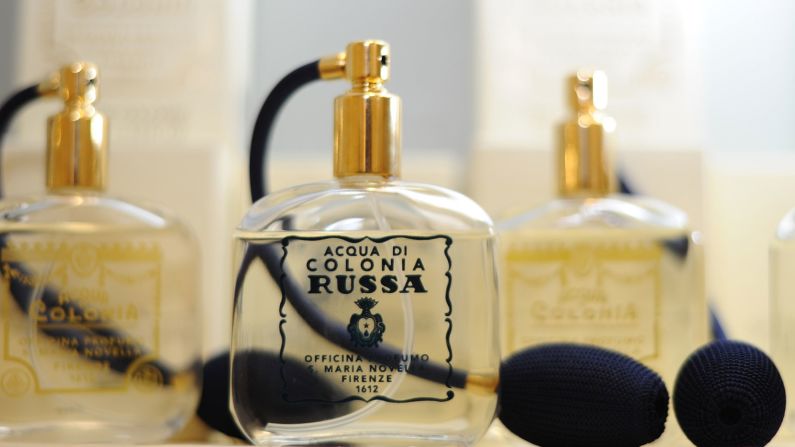
The apothecary rose to prominence when it created a perfume for a daughter of the powerful Medici family who was to be married to a future king of France.
AFP/Getty Images
Traditional medicines —
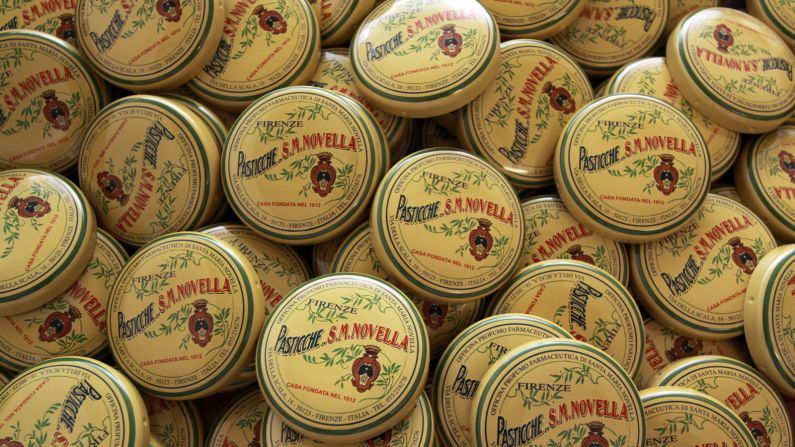
Tiny tins of pastilles are among the range of traditional remedies available in the apothecary.
Courtesy Officina Profumo Farmaceutica di Santa Maria Novella
Religious frescoes —
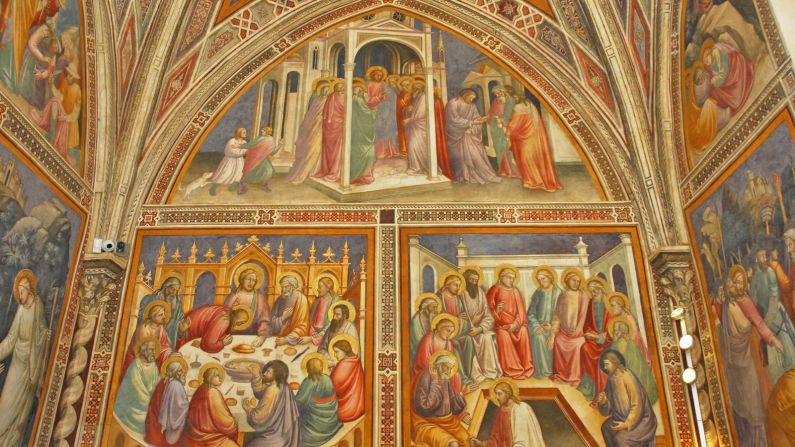
The apothercary's library, which used to be a church sacristy, still has the frescoes created in 1380 by Early Renaissance painter Mariotto di Nardo.
Courtesy Officina Profumo Farmaceutica di Santa Maria Novella
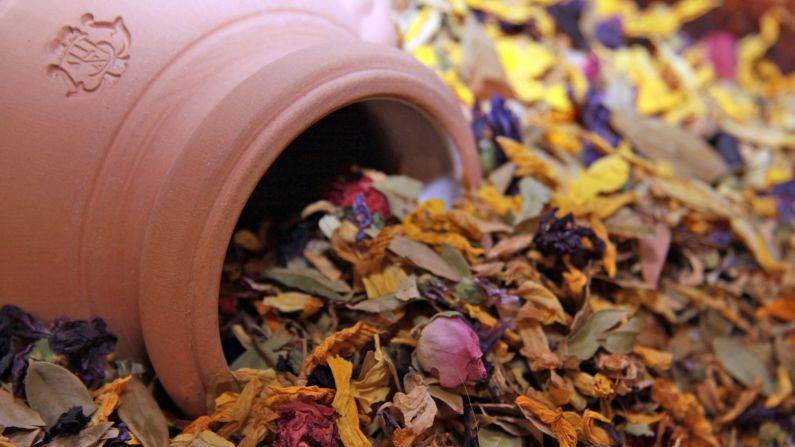
Potpourri —
The apothecary's potpourri brings to mind a springtime walk in the nearby Tuscan hills.
Courtesy Officina Profumo Farmaceutica di Santa Maria Novella
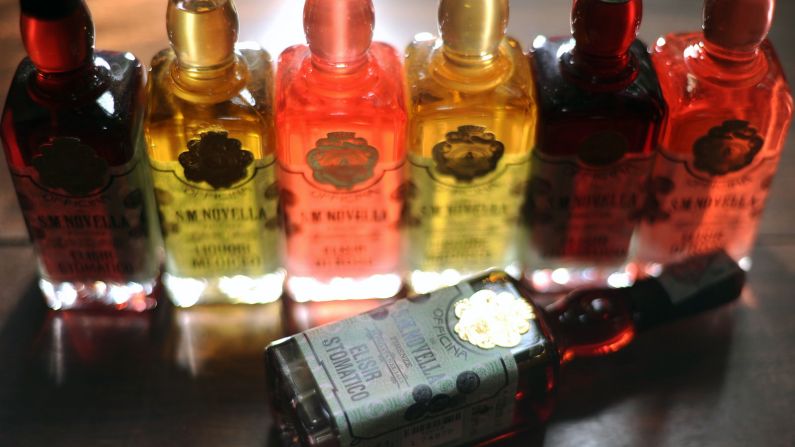
Colorful stock —
Highly polished shelves are lined with bottles of sweet-smelling potions, colorful liqueurs, eau de colognes, soaps and creams.