Vienna’s Ringstrasse: Lord of the ring roads celebrates 150 years
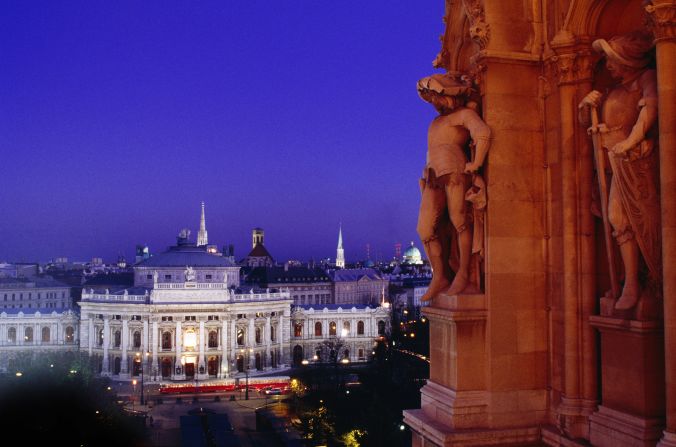
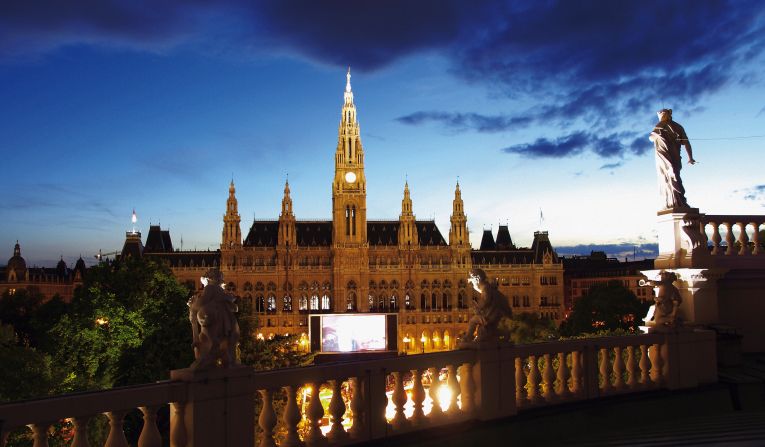
View from City Hall —
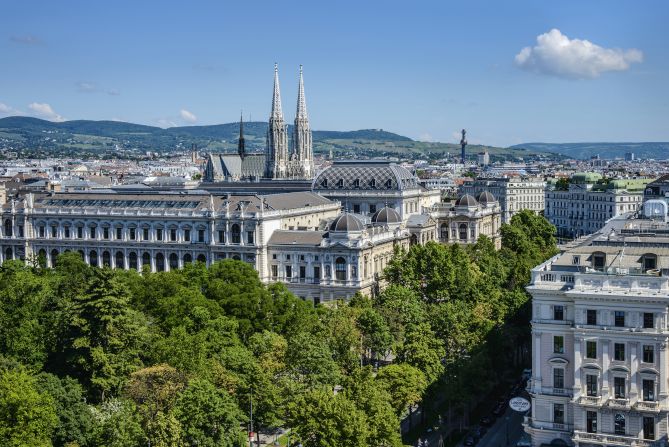
The Ringstrasse, Austria's majestic contribution to urban planning, was born exactly 150 years ago on May 1.
WienTourismus / Manfred Horvath
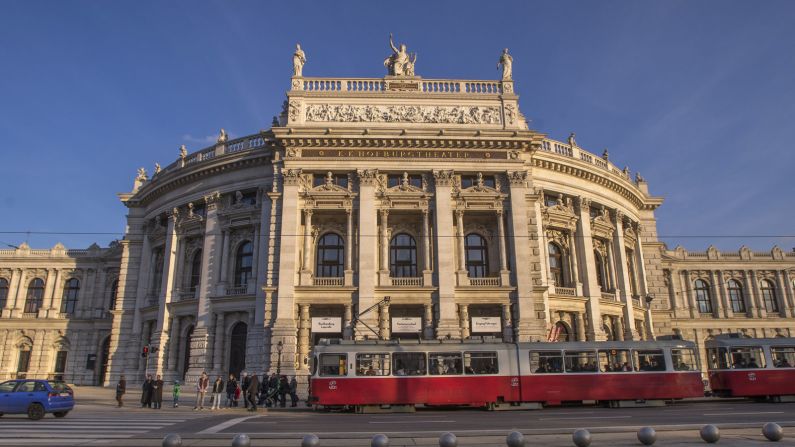
Burgtheater —
The Burgtheater, or Court Theater, was built with special side entrances so that Austria's royalty didn't have to mix with commoners. A young Gustav Klimt worked on their ceiling decorations and marked one with the only self-portrait he ever painted.
JOE KLAMAR/AFP/Getty Images
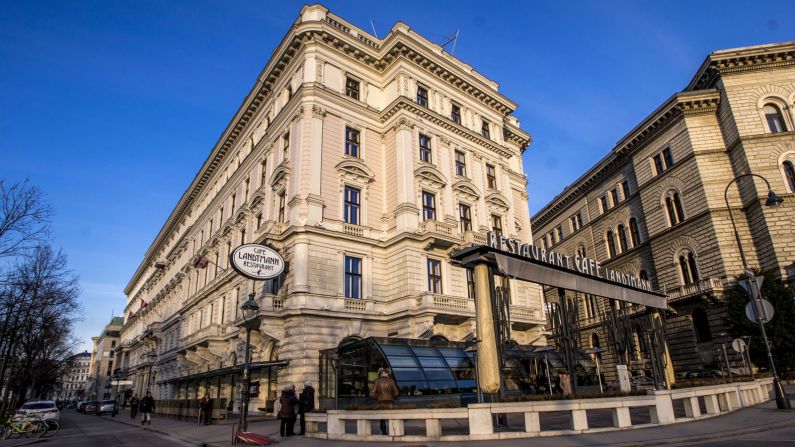
Cafe Landtmann —
Opened in 1873, Cafe Landtmann was frequented by Sigmund Freud.
JOE KLAMAR/AFP/Getty Images
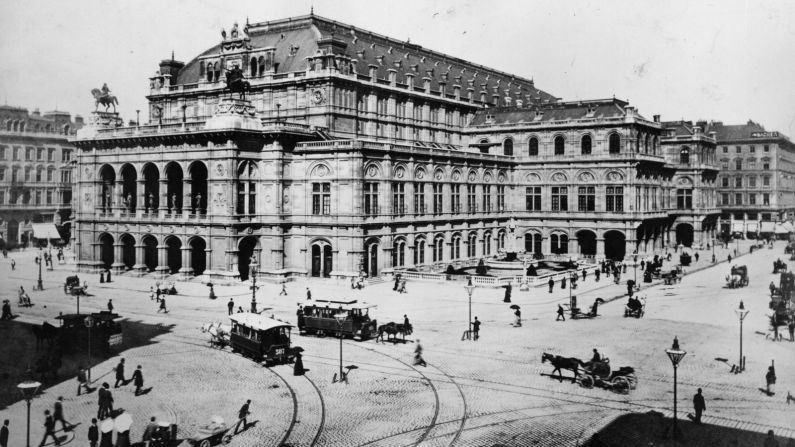
Imperial Opera House —
The Ringstrasse was originally inaugurated by Austria's Emperor Franz Josef. The street was a source of royal intrigue -- Franz Josef housed his concubine close by.
Topical Press Agency/Getty Images
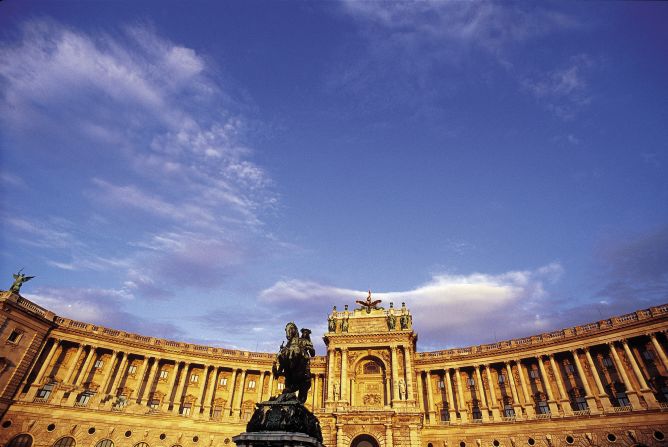
Hofburg Palace, Heldenplatz —
Today the Hofburg houses a string of minor museums and the offices of the Austrian president.
Courtesy WienTourismus / MAXUM
Rathaus —
The Rathaus (Vienna's City Hall) features a neo-Gothic Cinderella exterior that's almost Disneyland in appearance.
WienTourismus / Karl Thomas
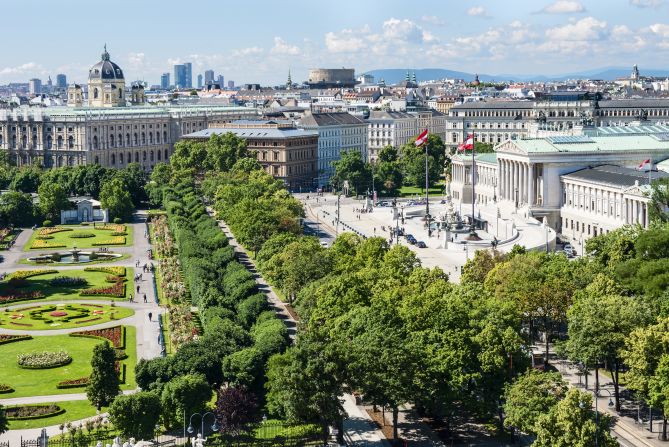
Parliament —
The neoclassical Parliament building was completed in 1883. It may have been mostly a talking shop for the peoples of the Empire, but it wasn't completely toothless. It eventually forced the country's Habsburg rulers to resign.
Courtesy WienTourismus/Christian Stemper
Royal scandal —
The Ringstrasse was also home to Archduke Ludwig Victor, youngest brother of Franz Josef. He was "Luzi Wuzi" to his friends in the demi-monde which he frequented cross-dressing in drag. After several public scandals he was dispatched to Salzburg.
Courtesy WienTourismus / Christian Stemper
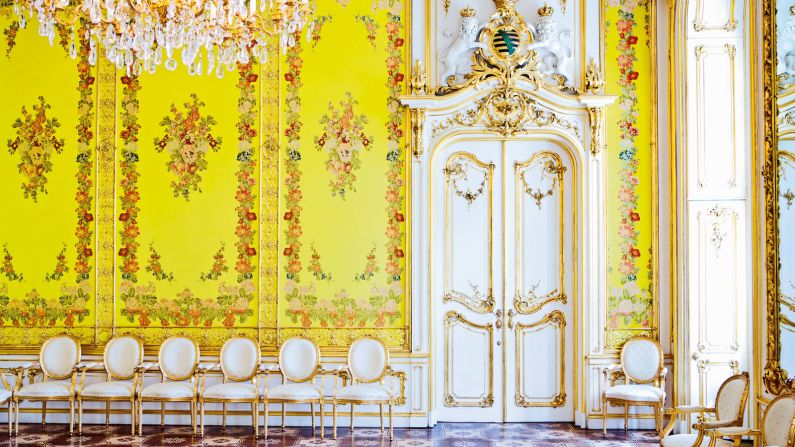
Palais Coburg —
Once a palace and now a luxury hotel, the Palais Coburg sits on top of a still-intact section of the old city walls.
Courtesy Palais Coburg Hotel Residence
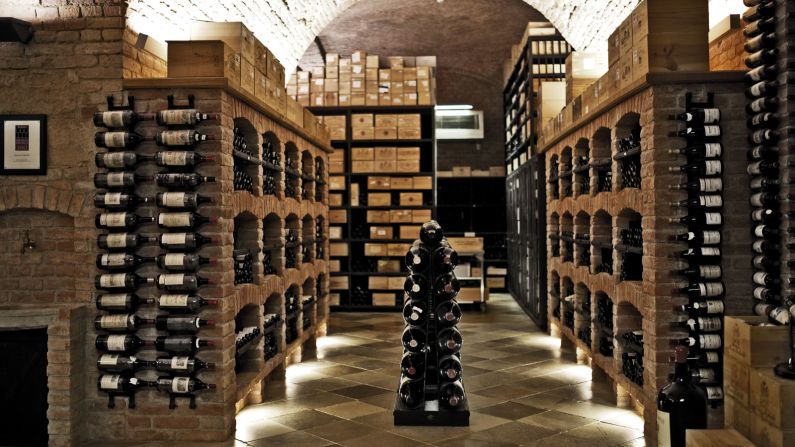
Great rack —
The Palais Coburg claims the largest Chateau Rothschild wine collection outside France. Visitors can book a wine tour in its cellar, rated as one of the Top 10 in Europe.
Courtesy Palais Coburg Hotel Residence
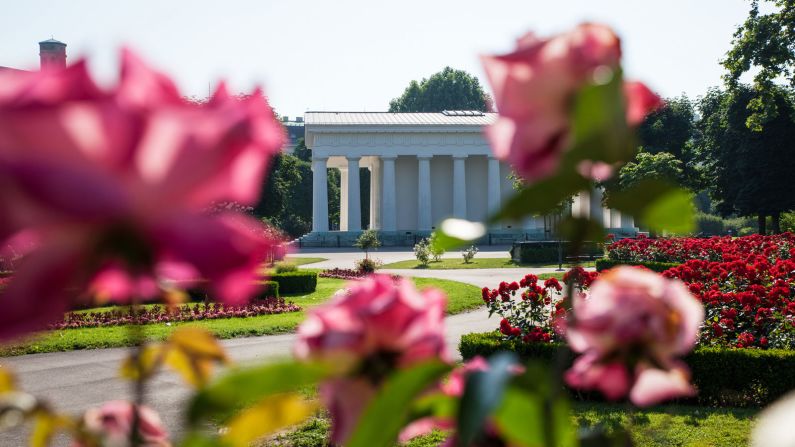
Volksgarten —
The Volksgarten, or People's Garden, once stood in the grounds of the Epstein Palais. It's the perfect spot to appreciate the Ringstrasse's mishmash of architectural styles.