After Hurricane Irma: Everglades National Park (photos)
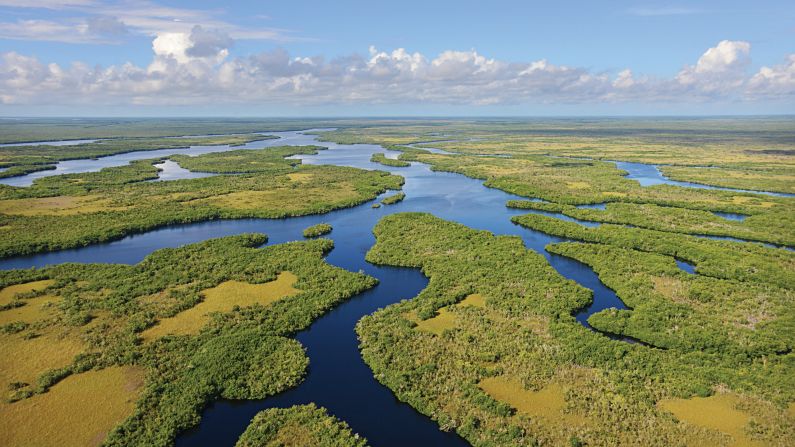
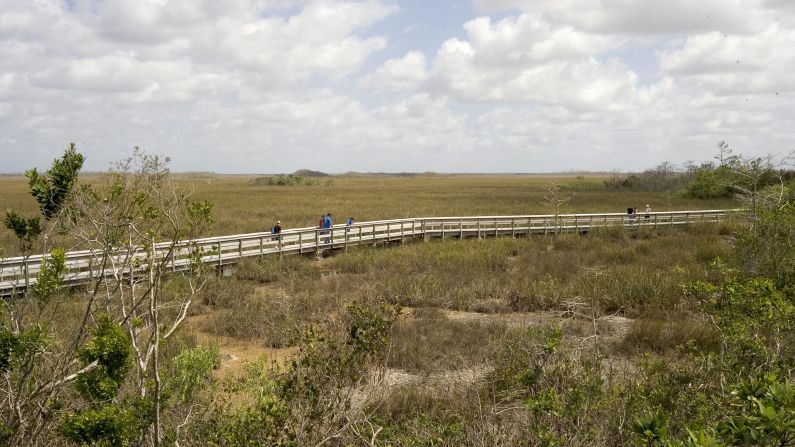
To mark National Park Week 2018, CNN Travel is featuring several of the National Park Service's national parks, seashores, historic sites and more. From the air, Everglades National Park looks like a rippling swamp that merges with the horizon in every direction.
Courtesy Peter Cross/Visit Florida
Everglades National Park is more than 1.5 million acres of mangroves, marshes, forests and wetlands. Many species of amphibians, birds, fish, insects, mammals and reptiles call the Everglades home.
Courtesy National Park Service
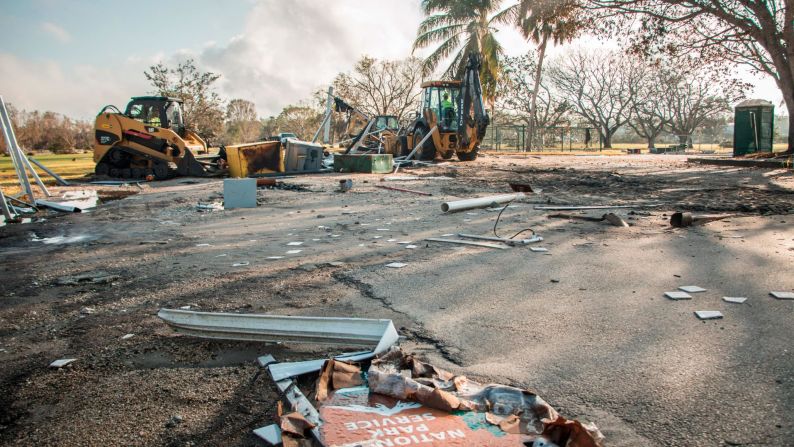
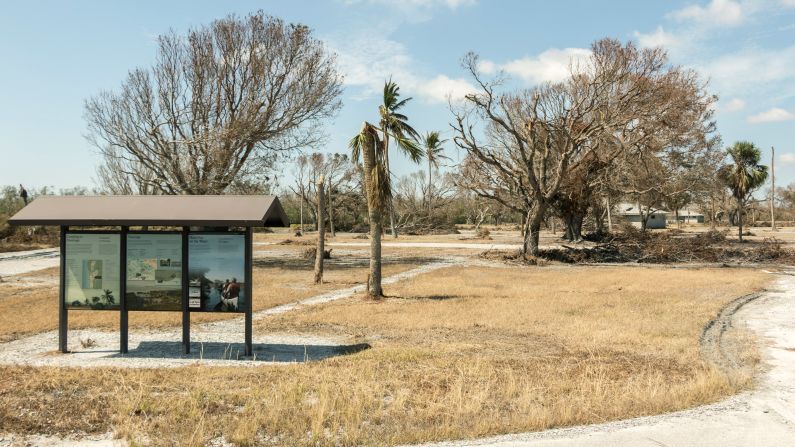
Hurricane Irma made landfall into the Everglades in September 2017, leaving behind a trail of destruction and flooding. Park staffers and volunteers have cleaned and cleared much of the damage, and rangers and locals are eager to welcome visitors back.
Courtesy National Parks Service
Anhinga Trail: This self-guided quick jaunt through sawgrass marsh is home to an abundance of wildlife.
Courtesy National Park Service
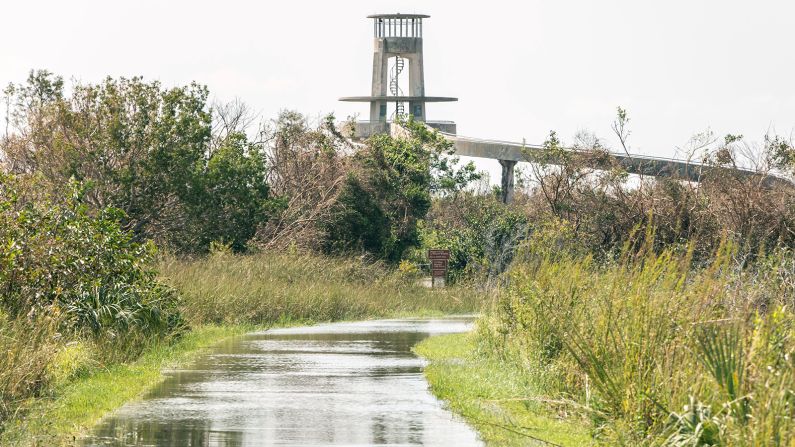
Shark Valley Tower: The trail to the Shark Valley Tower begins just behind the Shark Valley Visitor Center. This long trail provides panoramic views of the park at the halfway point.
Courtesy National Park Service
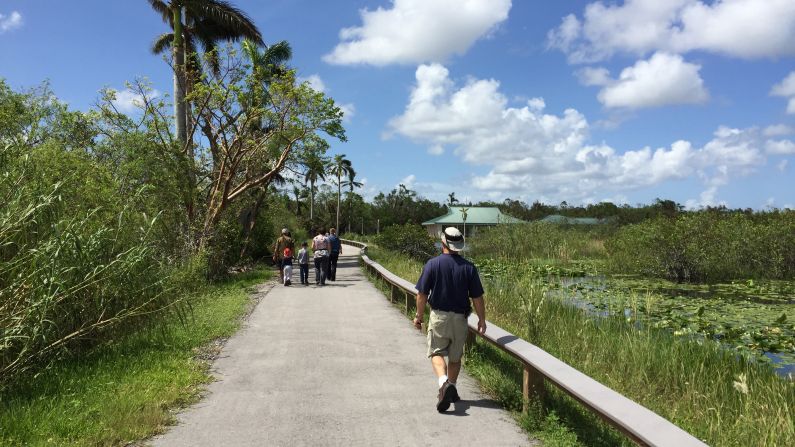
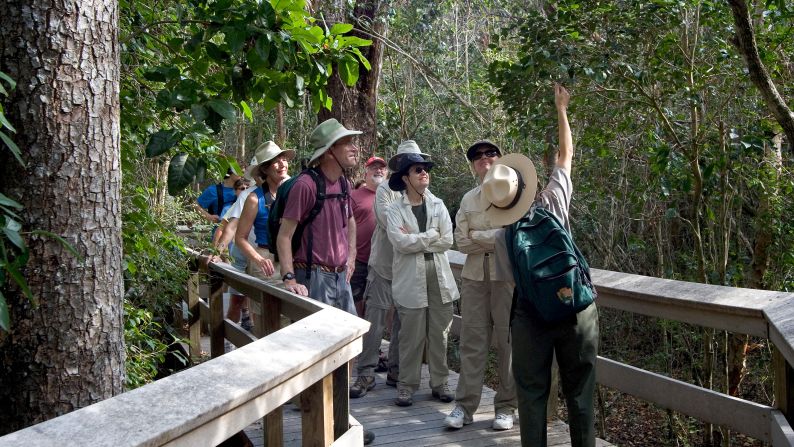
Trails: The abundance of trails at Everglades National Parks provides visitors the chance to hike, bike or paddle around to explore the different habitats of the Everglades.
Courtesy National Park Service
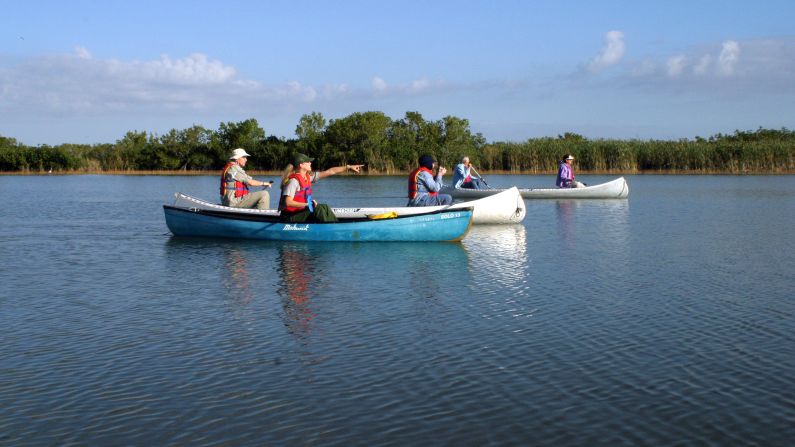
Water trails: Adventurous visitors can join a ranger-guided canoe trip through the Gulf Coast area of the park.
Courtesy National Park Service
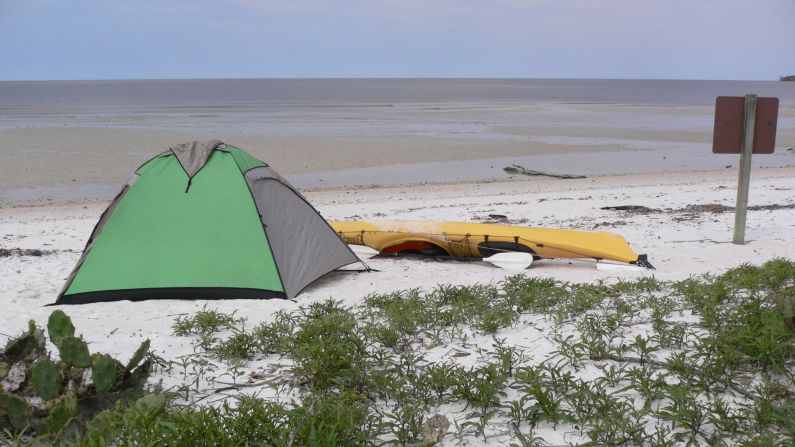
Camping: Everglades National Park offers both car camping as well as backcountry camping.
Courtesy National Park Service
Changing landscapes: Visitors in the coming months will have the chance to see the Everglades grow and thrive as the landscape changes and adapts to the damage from the 2017 hurricane season.
Courtesy National Park Service
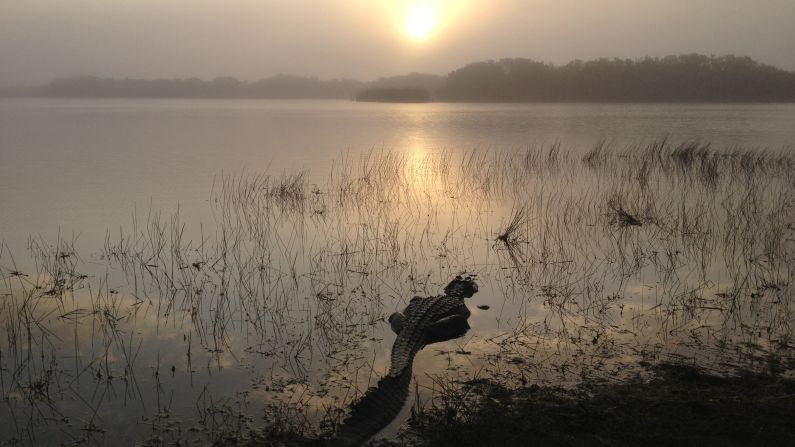
Nine Mile Pond: This freshwater canoeing area is home to alligators as well as the endangered snail kite.
Courtesy National Park Service
The future of the Everglades: Despite the setbacks from the hurricane season, the Everglades is a resilient ecosystem, reminding humans that nature can sometimes bounce back better than Florida's built landscape.