Your effort and contribution in providing this feedback is much
appreciated.
Close
Ad Feedback
Eiffel Tower: Best photos of a Paris icon
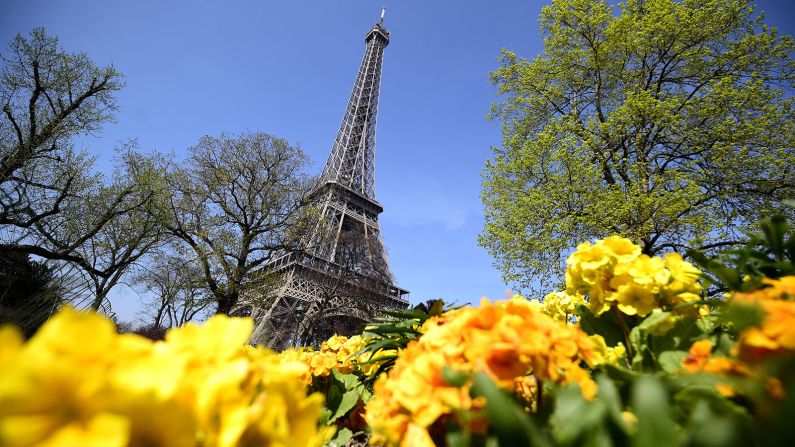
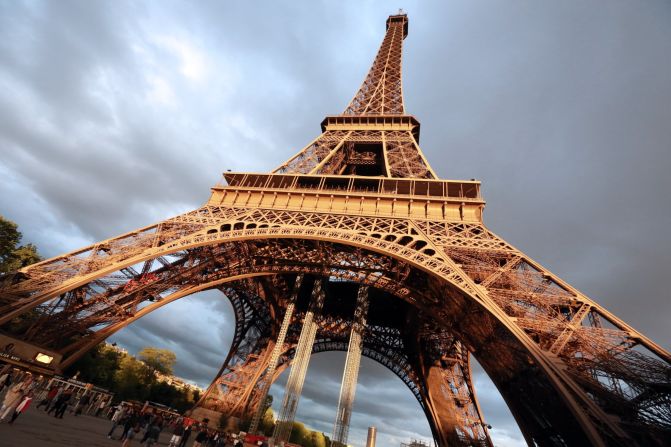
The Eiffel Tower in Paris is one of the world's most well-known and iconic landmarks.
FRANCK FIFE/AFP/AFP/Getty Images
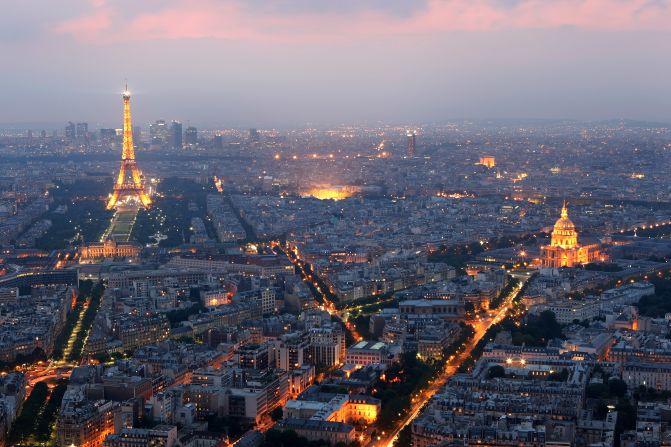
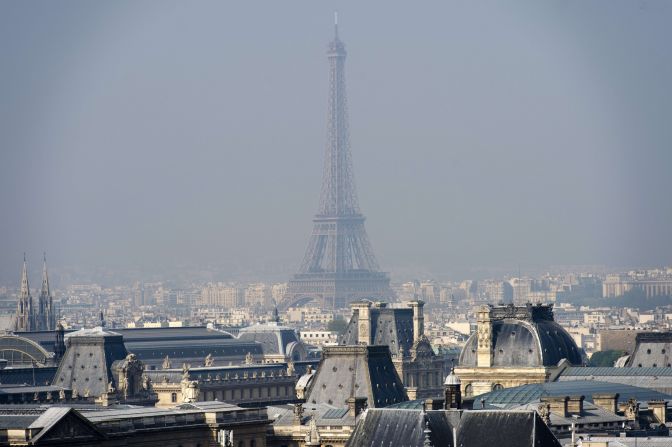
The view of the Eiffel Tower and the Invalides (right) from the observation deck on top of the Montparnasse Tower.
Mike Hewitt/Getty Images Europe/Getty Images
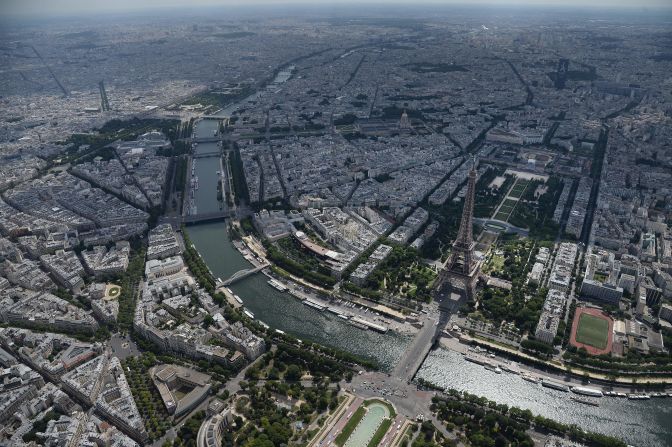
The tower stands sentinel on the banks of the River Seine with far-reaching views across the rooftops of Paris.
JEAN-SEBASTIEN EVRARD/AFP/Getty Images
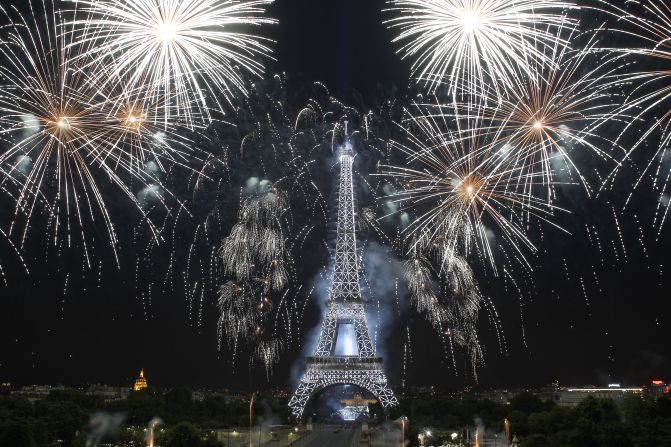
The tower is the centerpiece for the Bastille Day fireworks which mark the storming of the Bastille fortress and prison on July 14, 1789, sparking the French Revolution.
Thierry Chesnot/Getty Images
The tower, built for the Exposition Universelle in 1889, was only supposed to be a temporary structure. It is now part of Paris' fabric.
LIONEL BONAVENTURE/AFP/Getty Images
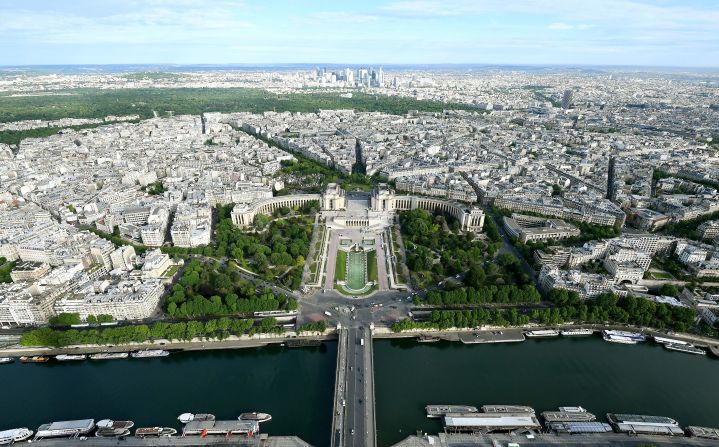
Looking northwest the view takes in the Jardins du Trocadero.
FRANCK FIFE/AFP/Getty Images
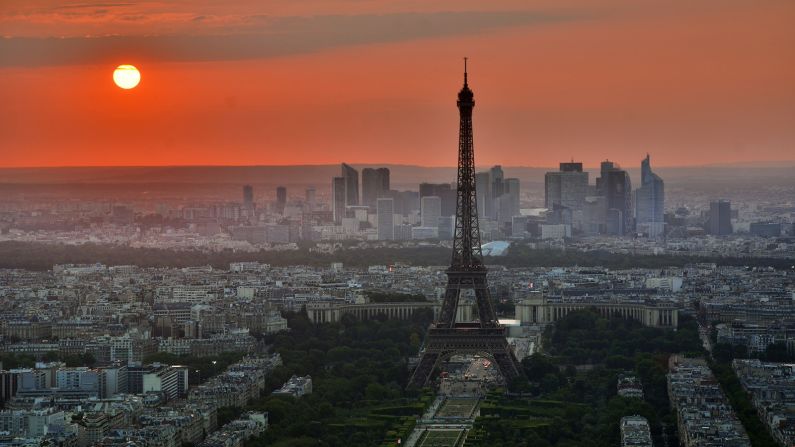
The business district of La Defense can be seen beyond the tower.
Pixabay/Creative Commons
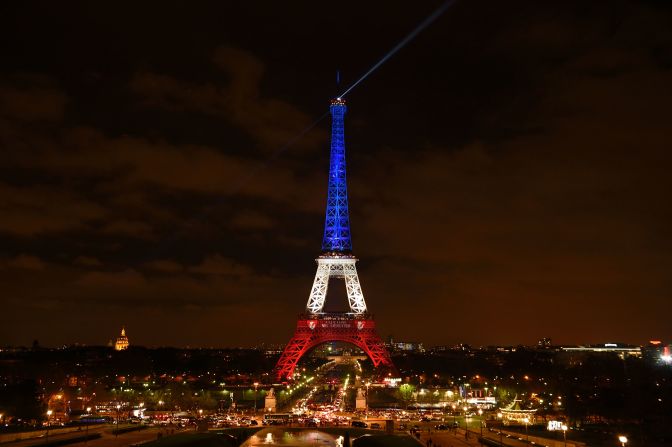
The Eiffel Tower is often illuminated in different colors.
ERIC FEFERBERG/AFP/Getty Images
Tourists access the tower via stairs or lifts in the four legs, called "Piliers." For a sporty workout and shorter queues there are 704 steps to Level 2 from where an elevator (separate ticket) propels you to the top.
PIERRE VERDY/AFP/Getty Images
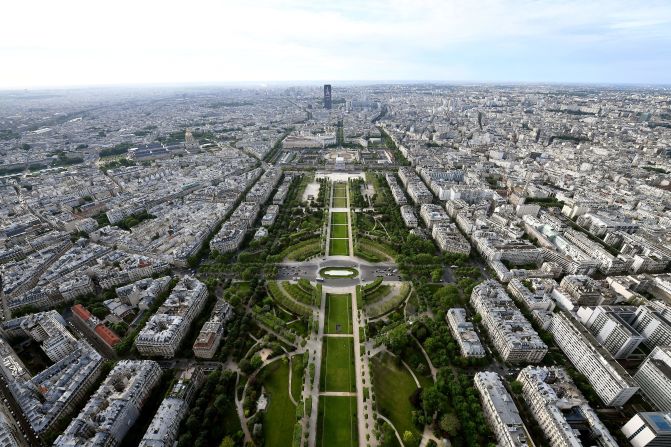
The Champs de Mars stretches out from the base of the tower towards Montparnasse in the southeast.
FRANCK FIFE/AFP/Getty Images
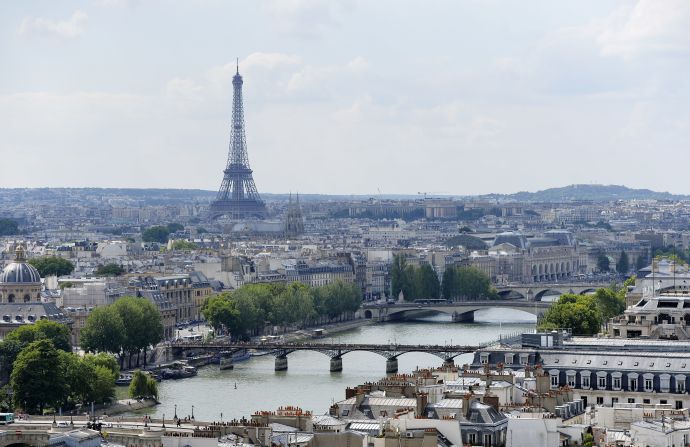
The wrought-iron structure rises above the Seine in this view from the Saint-Jacques Tower.
MIGUEL MEDINA/AFP/Getty Images
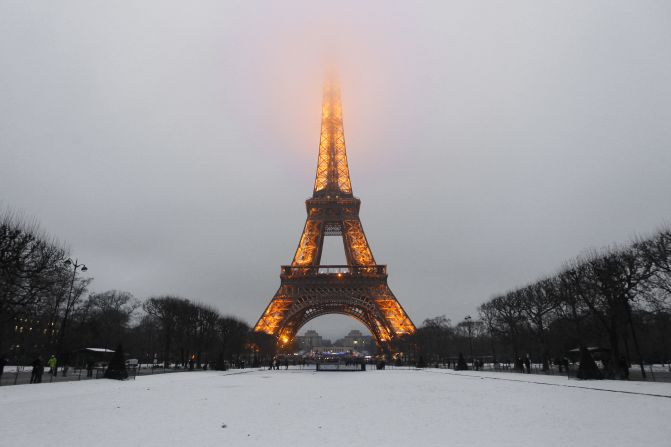
The tower is open all year round and makes for an alluring sight in winter. An ice-skating rink is often set up on the first level.
JOEL SAGET/AFP/Getty Images
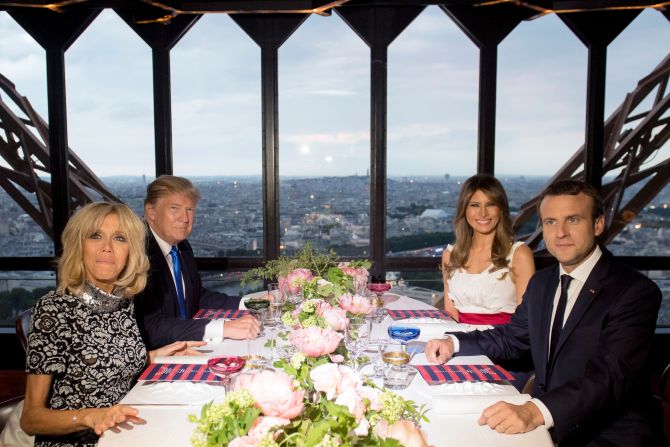
Chef Alain Ducasse's Michelin-starred Le Jules Verne restaurant on the second floor hosted French President Emmanuel Macron, his wife Brigitte Macron, US President Donald Trump and First Lady Melania Trump in July 2017.
SAUL LOEB/AFP/Getty Images
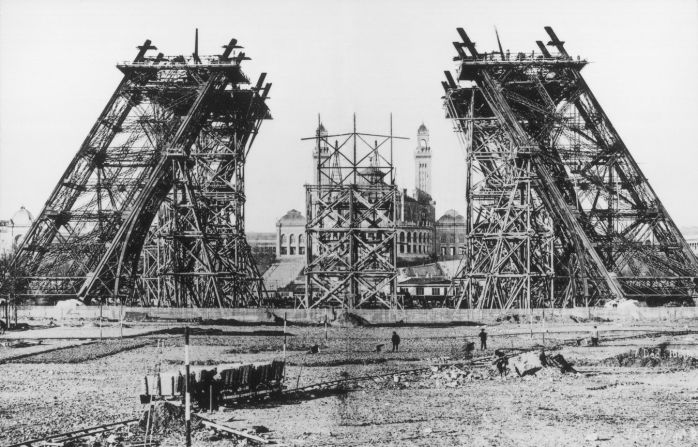
Construction began in 1887 and it took two years to complete.
Collection Tour Eiffel
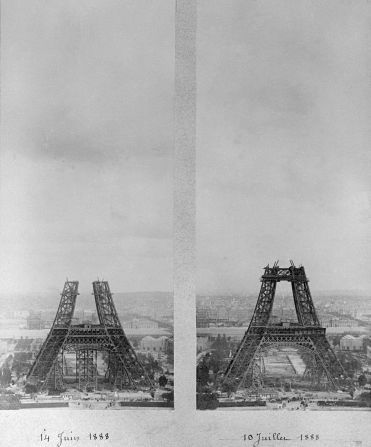
The tower rises up. Progress is shown from June 1888 (left) to July 1888 (right).
AFP/Getty Images
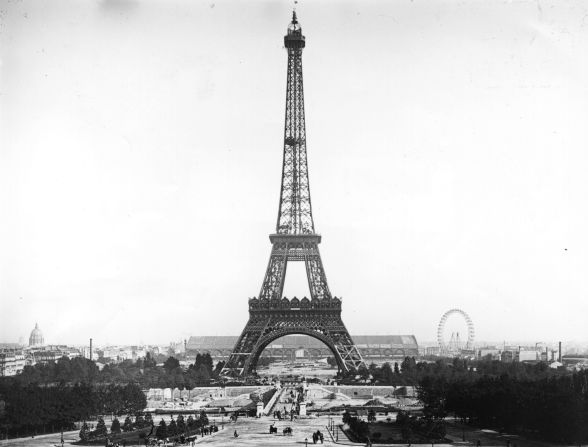
The Eiffel Tower at the time of Paris Exhibition of 1900.