Denali summit: What it takes to climb North America’s highest mountain
Climbing Denali: Base camp —
After a 45-minute flight on a small ski plane, climbers land at Kahiltna Base Camp, sometimes called Kahiltna International Airport because climbers from all over the world fly in to attempt to climb Alaska's Denali, formerly known as Mount McKinley. At 20,237 feet it's the highest peak in North America.
Ben Adkison/CNN
Lower mountain —
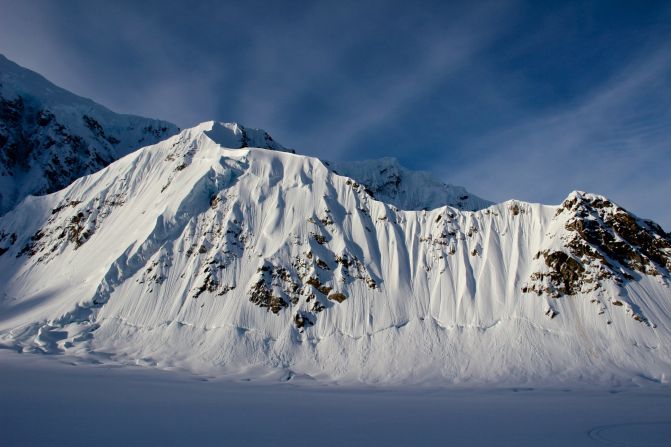
The longest section of the West Buttress route on Denali follows the Kahiltna Glacier and winds through ridges of rock and ice and crevasse fields as it gains elevation.
Ben Adkison/CNN
Sleds and packs —
There's no such thing as "light and fast" on Denali. With the food, fuel and cold-weather clothing required for a three-week expedition, packs can weigh 60-80 pounds. Until much of the food and fuel is spent on lower elevations, climbers use sleds to haul gear up the mountain.
Ben Adkison/CNN
At 14,200 feet —
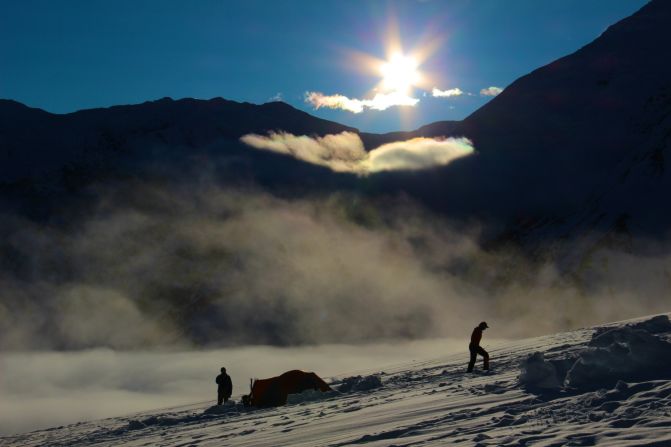
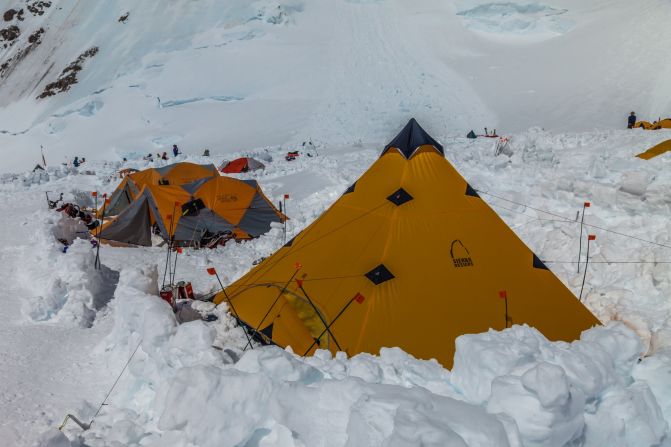
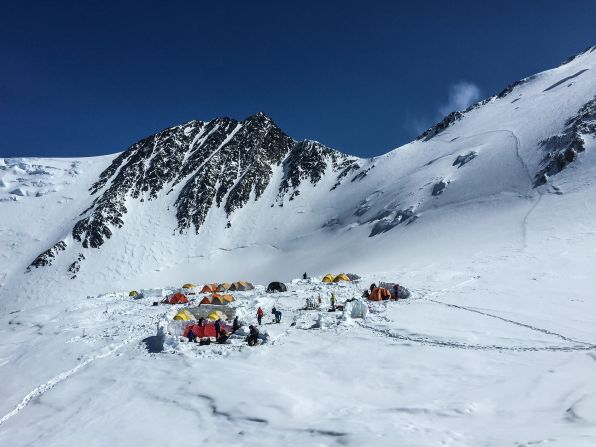
While only halfway up to the peak, from base camp, the established camp at 14,200 feet is thought of as the advanced base camp and launching point for high camp and the summit. Elaborate camps are set up with snow walls and kitchen tents dug into the snow.
Ben Adkison/CNN
Fixed lines —
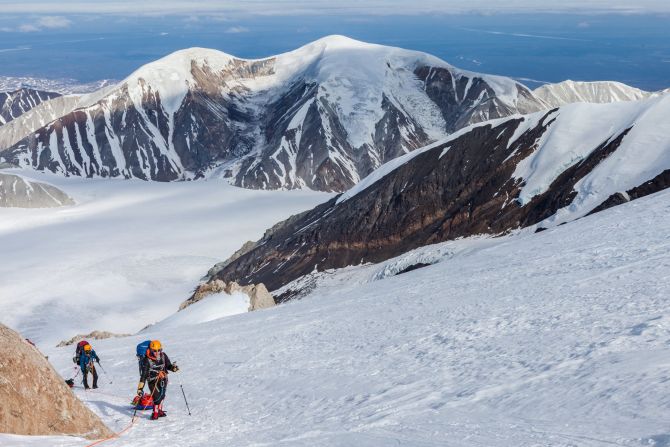
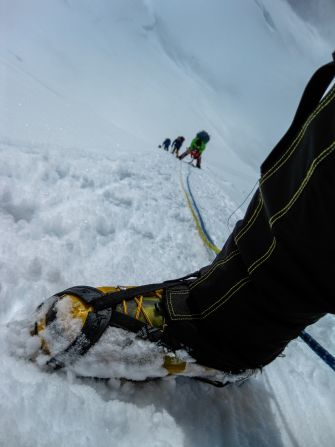
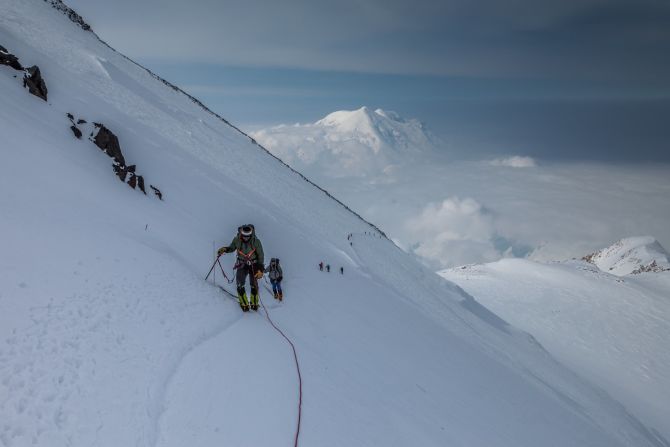
After leaving the advanced base camp, climbers clip themselves into a section of ropes attached to the snow and ice. These ropes, called fixed lines, allow climbers to safely ascend the steep and icy slope between 15,000 and 16,000 feet.
Ben Adkison/CNN
Above it all —
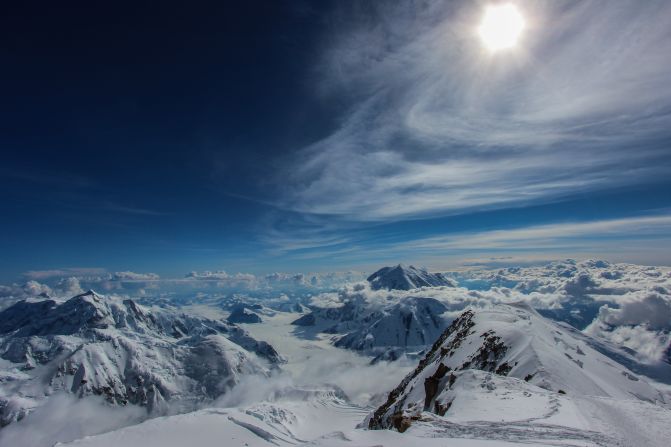
Denali rises 3,000 feet above Mount Foraker, the second tallest mountain in the Alaska Range, and nearly 10,000 feet above many of the other surrounding peaks. Climbers can look down on much of the climbing route as if they're in an airplane flying over the mountains.
Ben Adkison/CNN
Treacherous section —
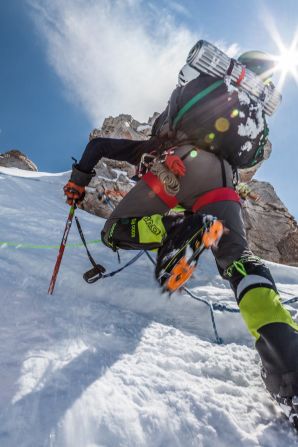
The ridge that traverses from the top of the fixed lines to high camp is one of the most technically challenging parts of the West Buttress route. It requires steep snow climbing and crossing narrow, knife-edge sections all while wearing a heavy pack.
Ben Adkison/CNN
High camp —
Situated on a small plateau at 17,200 feet, high camp is the last stop before a summit push. Due to the thin air at this high elevation, climbers ideally stay here only a night or two to keep their strength up for the 3,000-foot summit push.
Ben Adkison/CNN
Summit day —
Starting mid-morning, to avoid the bitter cold of night and early morning, a summit bid can range from 8 to 18 hours. Calm winds and clear weather are essential for a safe summit day because frostbite and high-altitude illness are real dangers high on the mountain.
Ben Adkison/CNN
Summit —
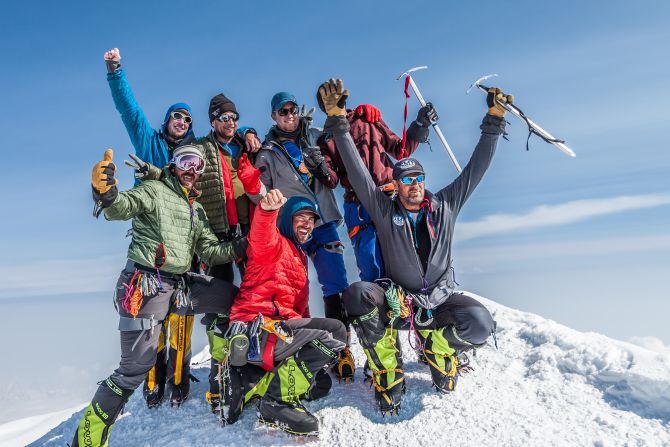
Each year only about half of the 1,000 or so climbers who attempt Denali make it to the summit. Unless you're an experienced mountaineer with cold weather experience it's best to join the roughly 50% of climbers who go on guided expeditions. There are five guide companies, including Mountain Trip, licensed to guide on Denali. The gallery's photographer and author, Ben Adkison, is in the rear left of the photo.