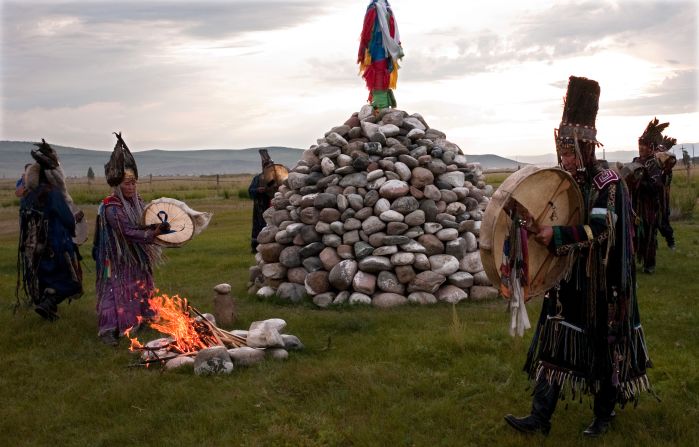
Deep in the heartland of Central Asia, Tuva was once an independent nation, but today is part of Russia. Known for its forests and steppe, this area of southern Siberia is a summer playground for Vladimir Putin.
AFP/AFP/AFP/Getty Images
Somaliland —
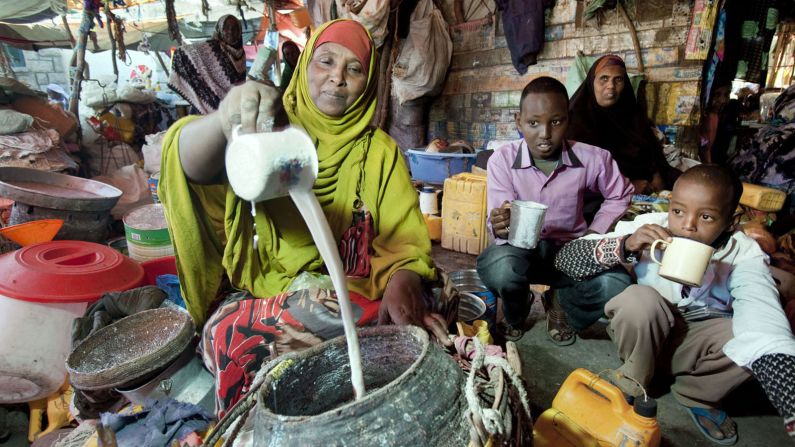
Located in the Horn of Africa, the 3.5 million people of Somaliland have sought independence from Somalia since 1991. It's an "island of tranquility, relatively speaking, compared to the rest of the country," according to author Nick Middleton.
Petterik Wiggers/Panos Pictures
Catalonia —
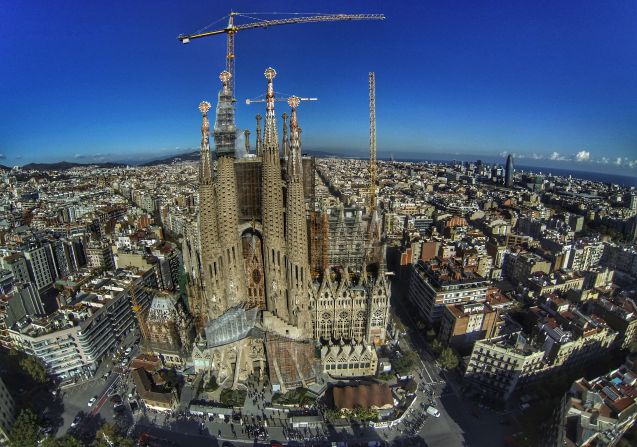
Long at odds with Madrid, Catalonia remains part of Spain despite more than 1.6 million people voting for independence in an unofficial poll in 2014. The jewel of Spain's northeastern region is Barcelona, once the playground of artist and architect Antonio Gaudi.
Courtesy Dronestagram/Kolibik-Fotos
Elgaland-Vargaland —
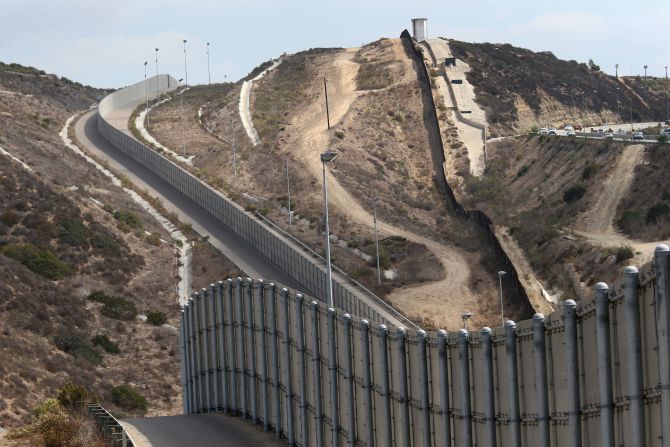
You may have passed through Elgaland-Vargaland without even realizing it. The territory includes all the no man's lands between nations, as well as digital landscapes and, bizarrely, dreams. The brainchild of Swedish artists Carl Michael von Hausswolff and Leif Elggren, the in-flux country is 24 years old and ever expanding.
John Moore/Getty Images South America/Getty Images
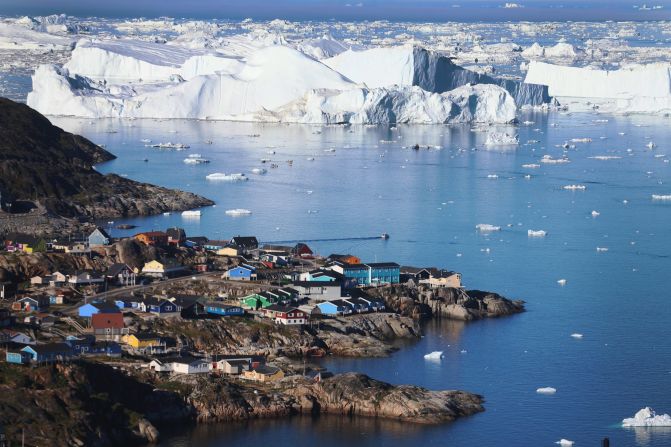
Greenland —
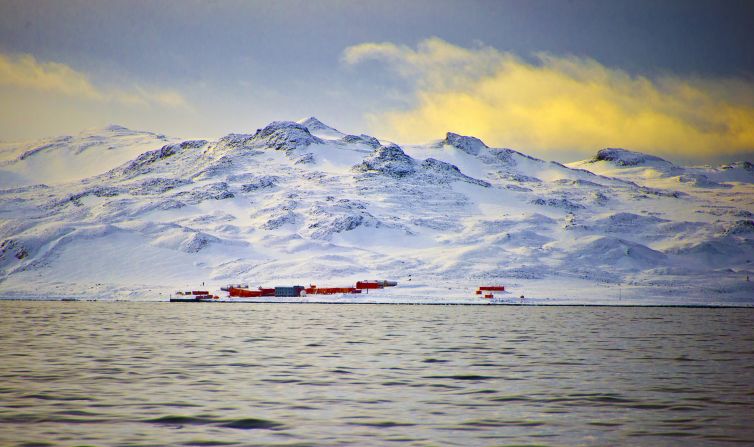
It'll come as a surprise to some that Greenland isn't a recognized country but an autonomous part of Denmark. Ilussant Icefjord is among the UNESCO-recognized highlights of any trip to the would-be state.
Joe Raedle/Getty Images
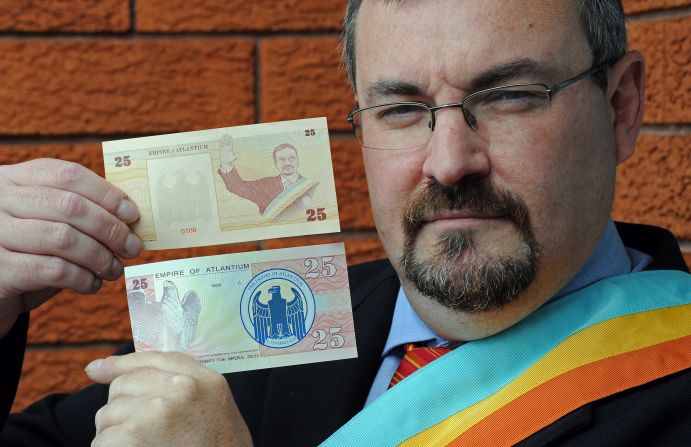
Atlantium —
Geographic boundaries do not a country make, according to Emperor George II of Atlantium (aka George Cruickshank). Established in suburban Sydney in 1981, the ethos of Atlantium is that in a world of mass migration, identifying with your fellow citizen -- irrespective of location -- is the best marker of statehood.
TORSTEN BLACKWOOD/AFP/AFP/Getty Images
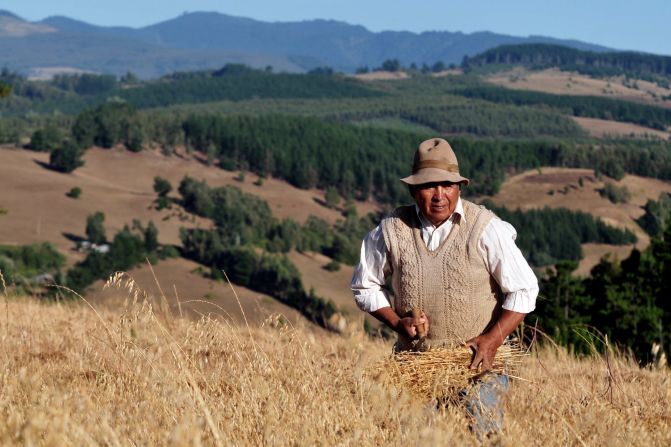
Mapuche —
Straddling parts of Argentina and Chile, Mapuche was an independent territory until the land was divided between the two countries in the 19th century. The nominative capital is Temuco in southern Chile, where Mapuche textiles and craft work are highly prized.
AFP/Getty Images/AFP/AFP/Getty Images
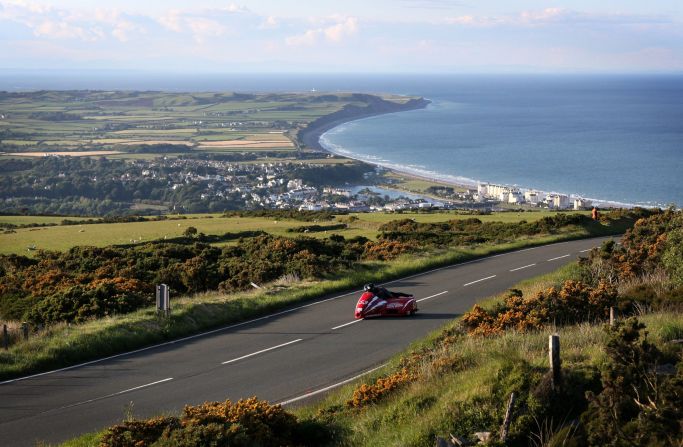
Isle of Man —
One of the world's more sedate unrecognized nations, the Isle of Man is ruled by the British monarch but is not part of the United Kingdom. It's long done things its own way -- it's home to the Tynwald, the world's oldest continuous ruling body, and it sets its own tax rates. The cultural highpoint is the Isle of Man TT motorcycle races.
Dan Kitwood/Getty Images Europe/Getty Images
Christiania —
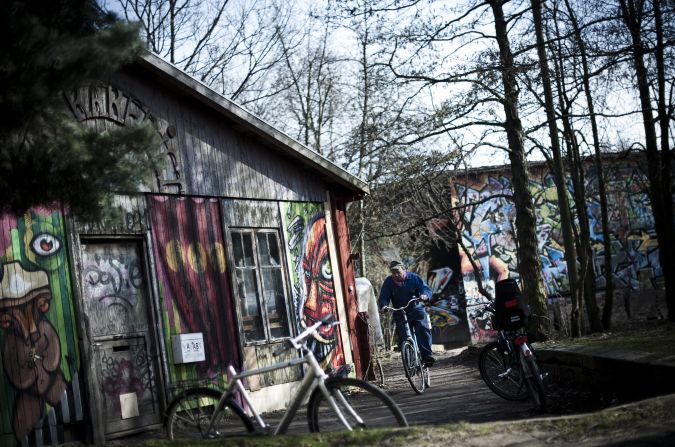
A social experiment that began in 1971, Christiania was founded in central Copenhagen by a group of Danish hippies squatting on a former military barracks. Despite having built schools, houses and a variety of businesses, today Christiania's population of 850 faces a moral dilemma: Pay the Danish government for the land outright by 2018, or face eviction.
JONATHAN NACKSTRAND/AFP/AFP/Getty Images
Seborga —
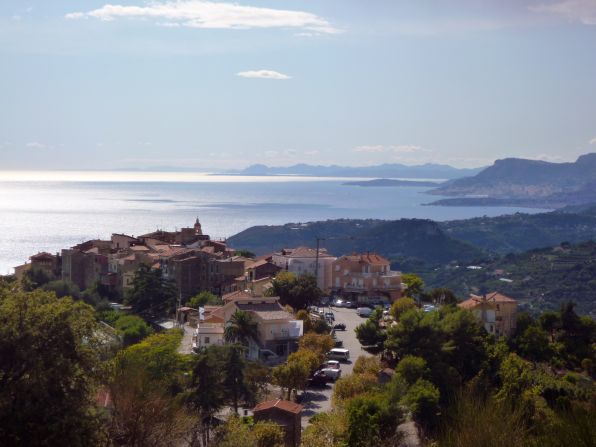
Situated close to the Italian border with Monaco, Seborga is indebted to Giorgio Carbone, once the head of the flower-growers' cooperative, who discovered the town wasn't mentioned in documents written up at the formation of Italy. Today his loyal subjects continue his legacy -- despite still paying taxes to the Italian government.
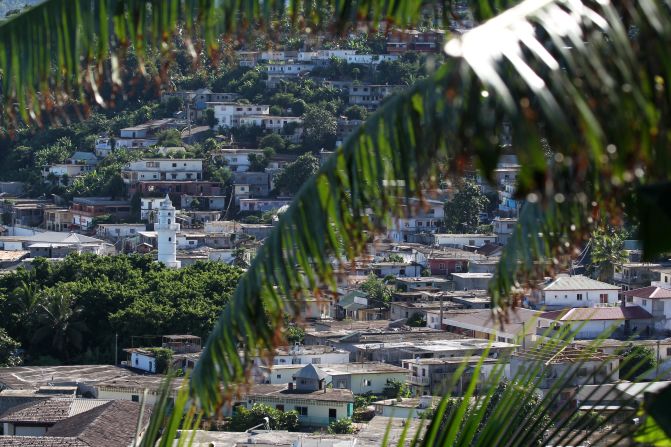
Eight thousand kilometers away from Paris, Mayotte decided to remain under colonial control -- defying the U.N. -- and is administered as part of France's European territory. Its 213,000 inhabitants live on a beautiful tropical isle in the Indian Ocean, where scuba diving and whale spotting are among the biggest tourist draws.
RICHARD BOUHET/AFP/AFP/Getty Images
Sealand —
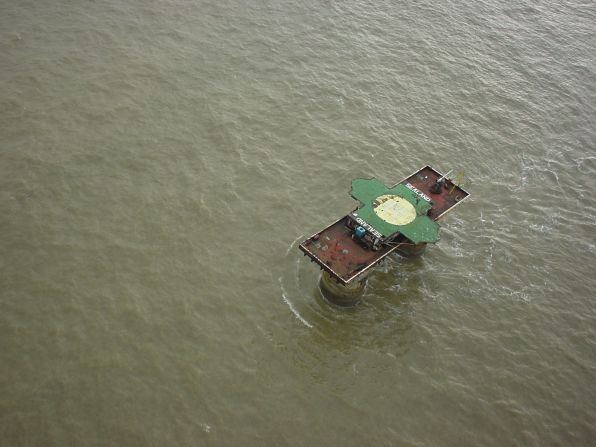
A micronation that has defied a mightier island next door, Sealand has been giving bloody noses to the British since 1967. A former World War II sea platform built off southeast England to rebuff the Germans, it was constructed in international waters -- and thus when Roy Bates, a former infantry major, planted his flag, it was difficult to prosecute him and his family.
courtesy Ryan Lackey
Antarctica —
Yes, it's technically a continent, but that hasn't stopped nations trying to claim a slice as a country of their own. With about 5,000 residents at any one time (mainly scientists), Antarctica faces claims from Norway, Australia, France, New Zealand, Chile, Argentina and Britain. A tranche remains unclaimed, however, because all disputes were halted in 1959 with the Antarctic Treaty.