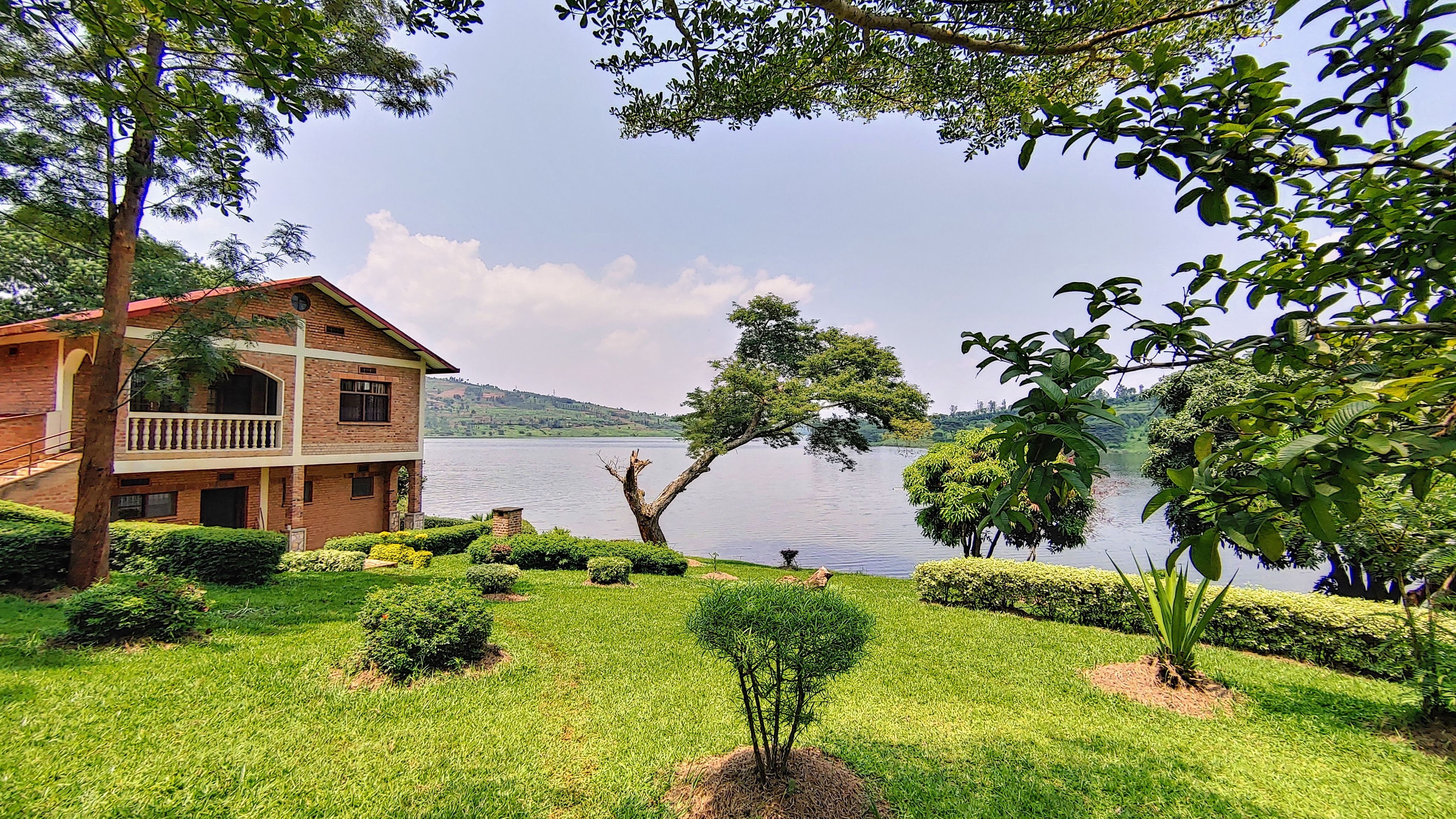
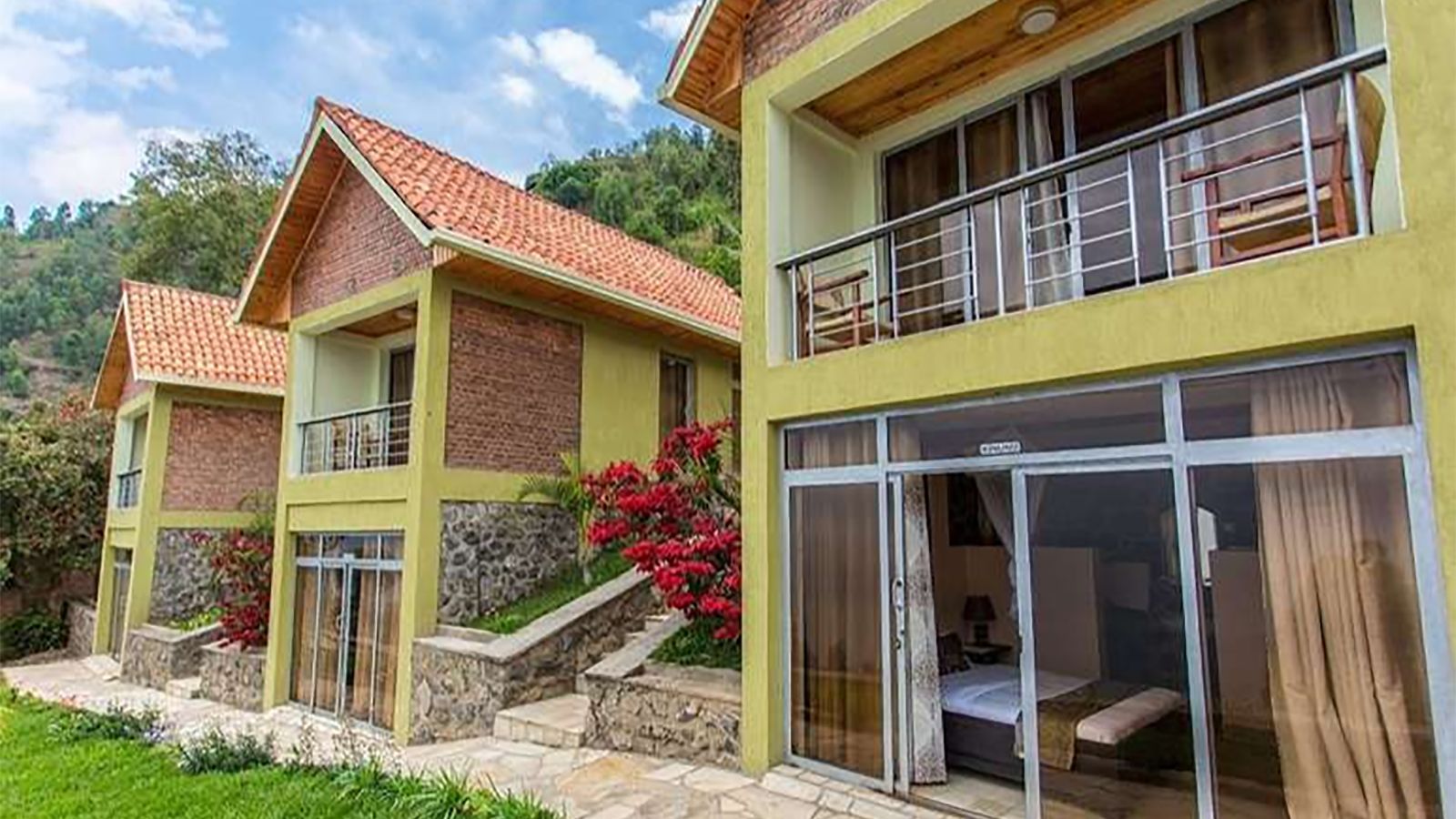
Startup Bongalo is vying to become an African alternative to Airbnb. The company, which was founded in Cameroon and is now based in Rwanda, has more than 1,000 listings across the two countries. This includes Umoko Cottage on the shores of Lake Muhazi in eastern Rwanda.
Bongalo
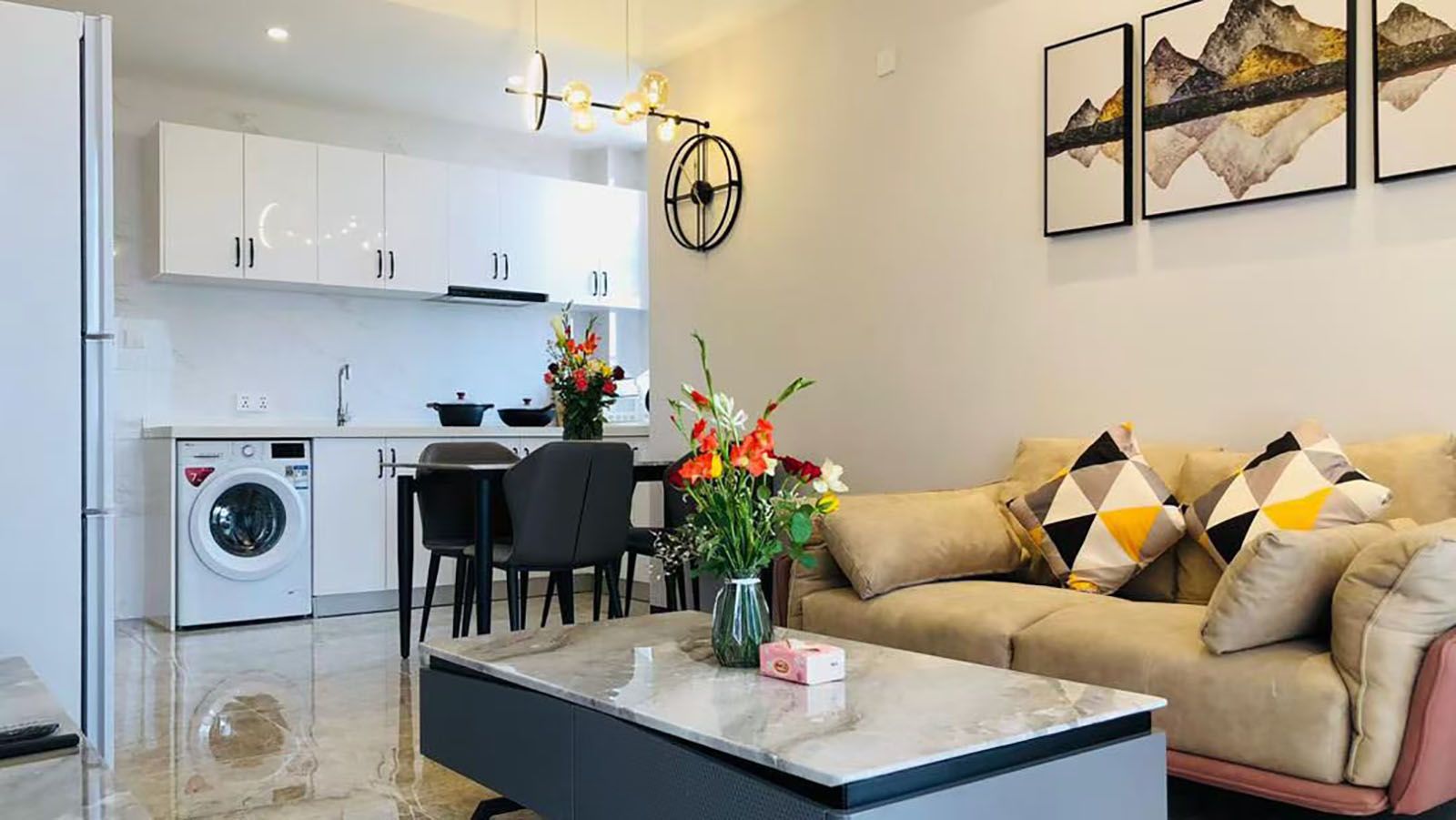
As domestic tourism increases across the continent, Bongalo wants to make travel more accessible and affordable. Bongalo's listings typically cost around $40 per night, while The Rose Garden apartment in central Kigali, Rwanda, sleeps three and costs around $120 per night.
Bongalo
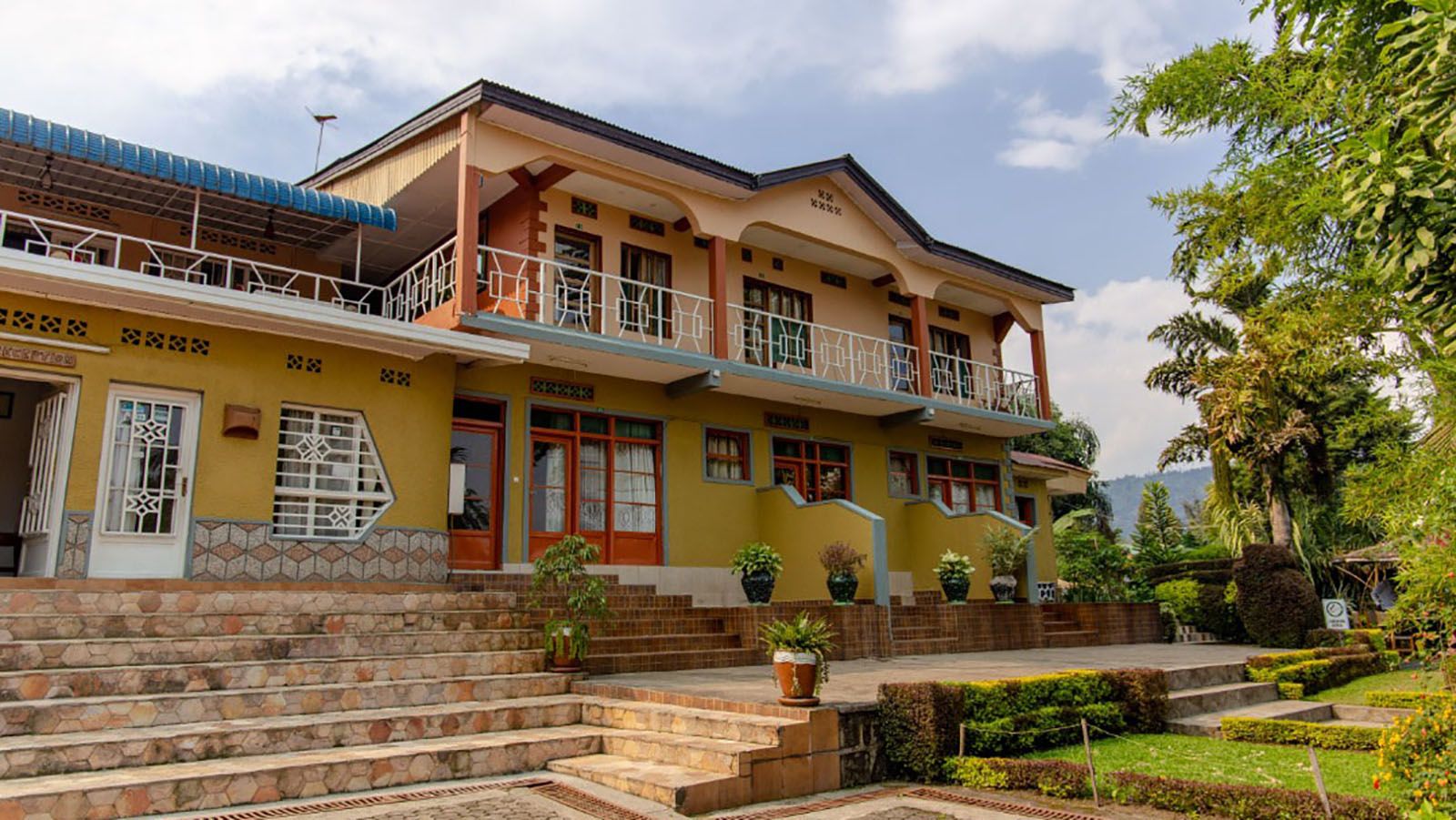
Bongalo allows customers to pay with mobile money, an increasingly popular payment method in Africa. Listings include Hotel Ubumwe, near Lake Kivu, on the border of Rwanda and the Democratic Republic of Congo.
Bongalo
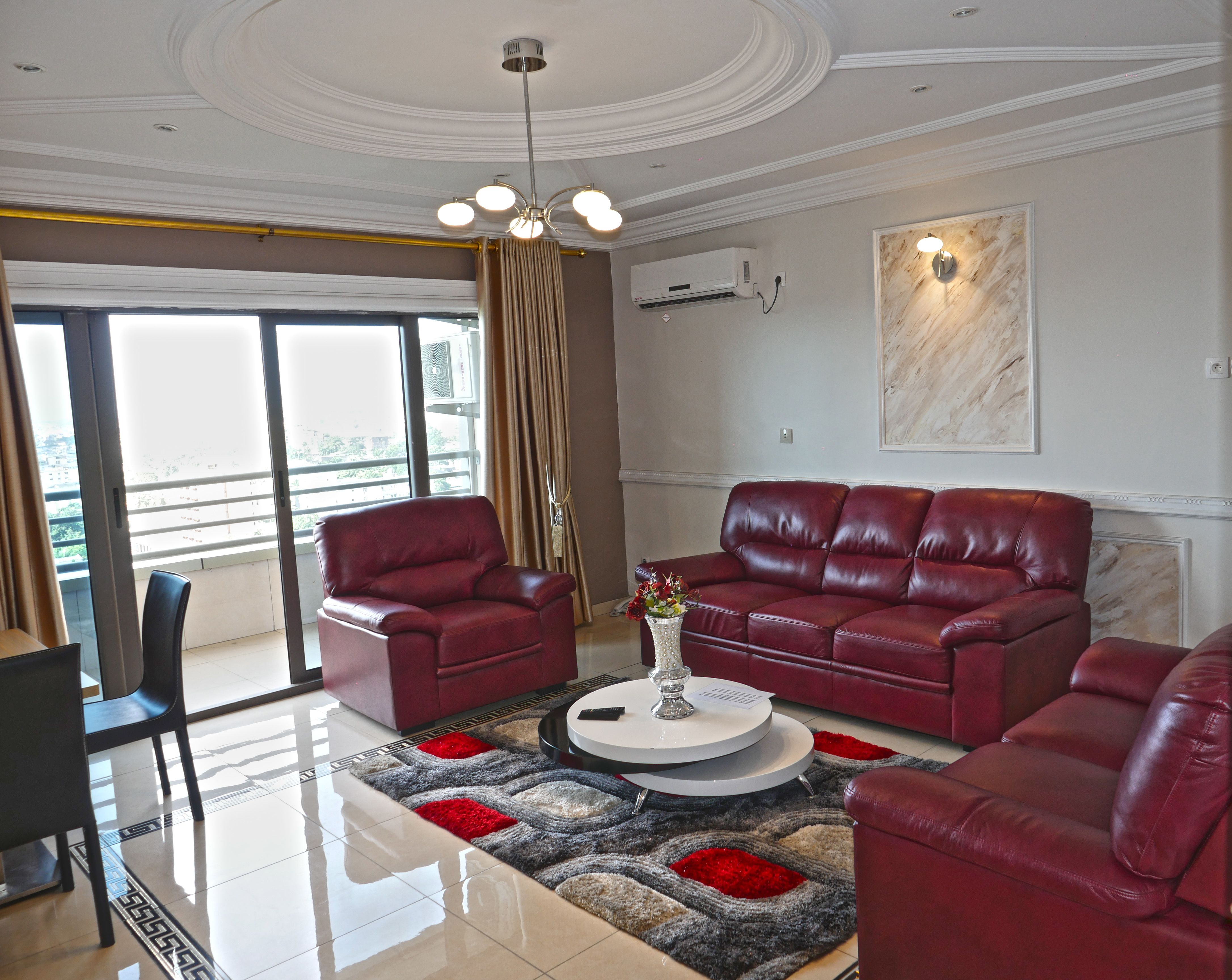
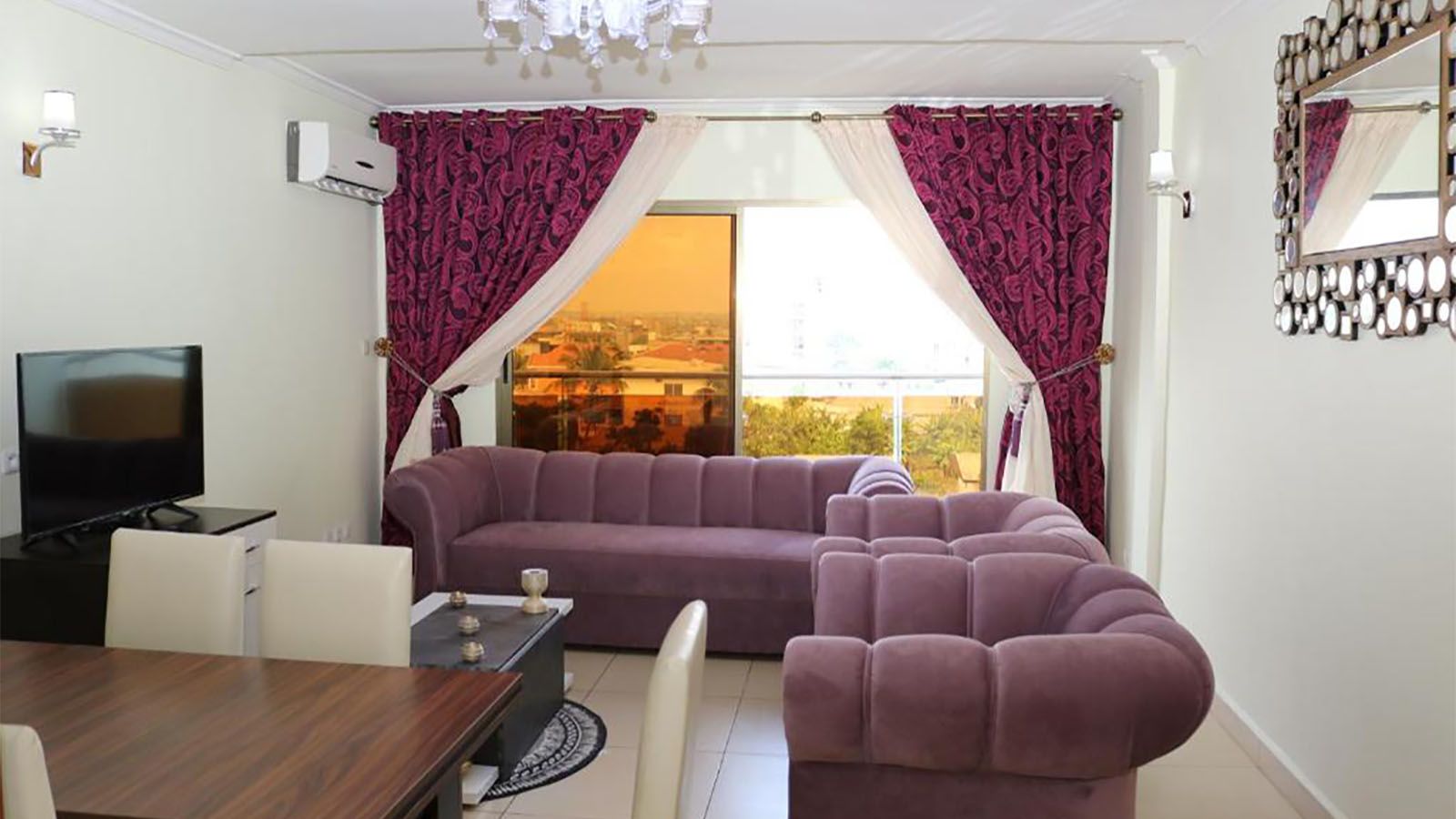
Customers can book via the website and they will soon be able to use an app, which is due to launch in the next couple months. All the properties and hosts are verified before being listed. Pictured here is a two-bedroom apartment in Douala, Cameroon, which also offers a shared outdoor swimming pool.
Bongalo
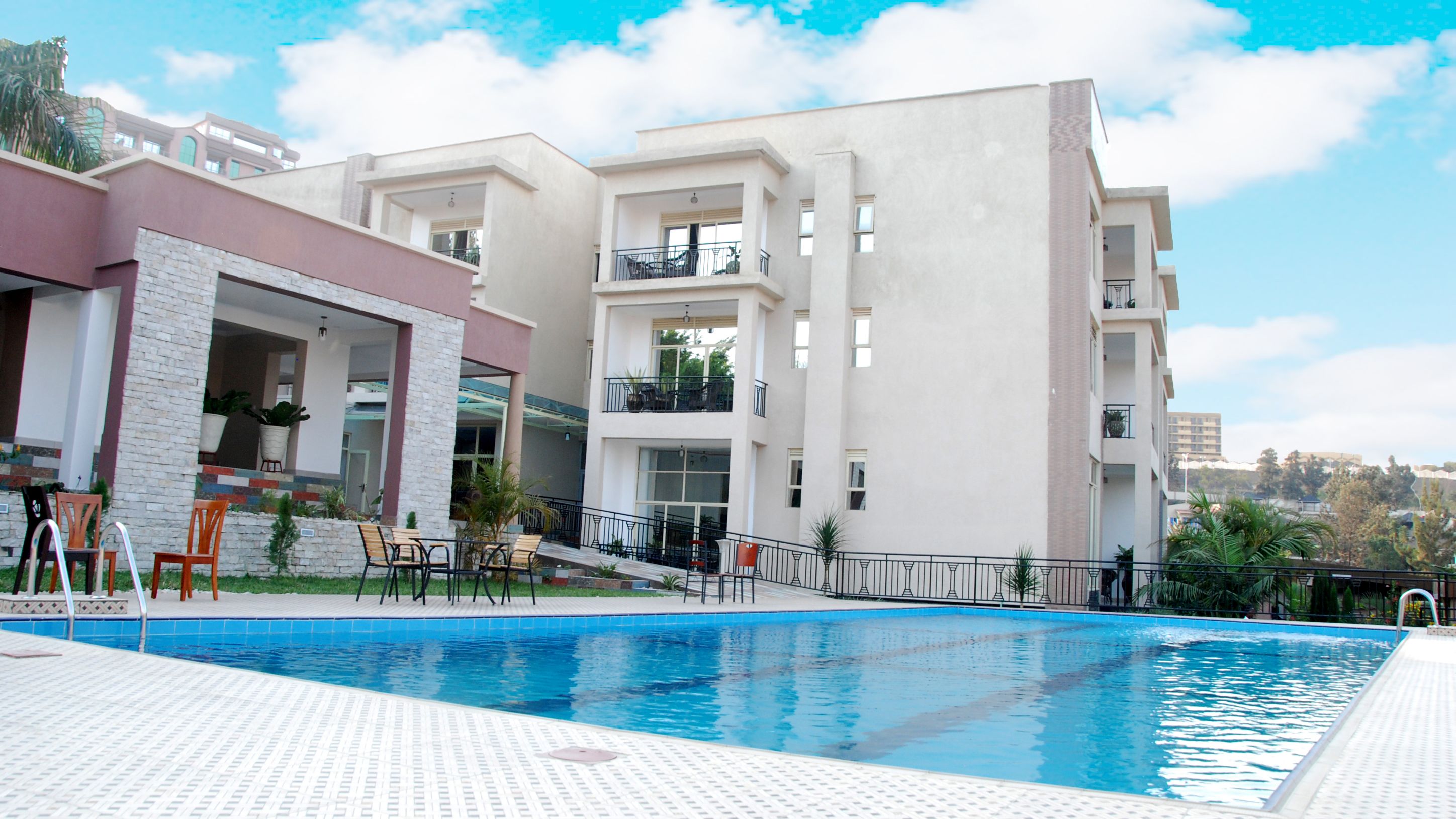
For less tech-savvy customers, the startup has partnered with independent travel agents who can book a property for them. This appeals to older customers, says founder Nghombombong Minuifuong. Pictured here are the Grazia apartments in Kigali, Rwanda, where guests can enjoy an outdoor swimming pool.
Bongalo
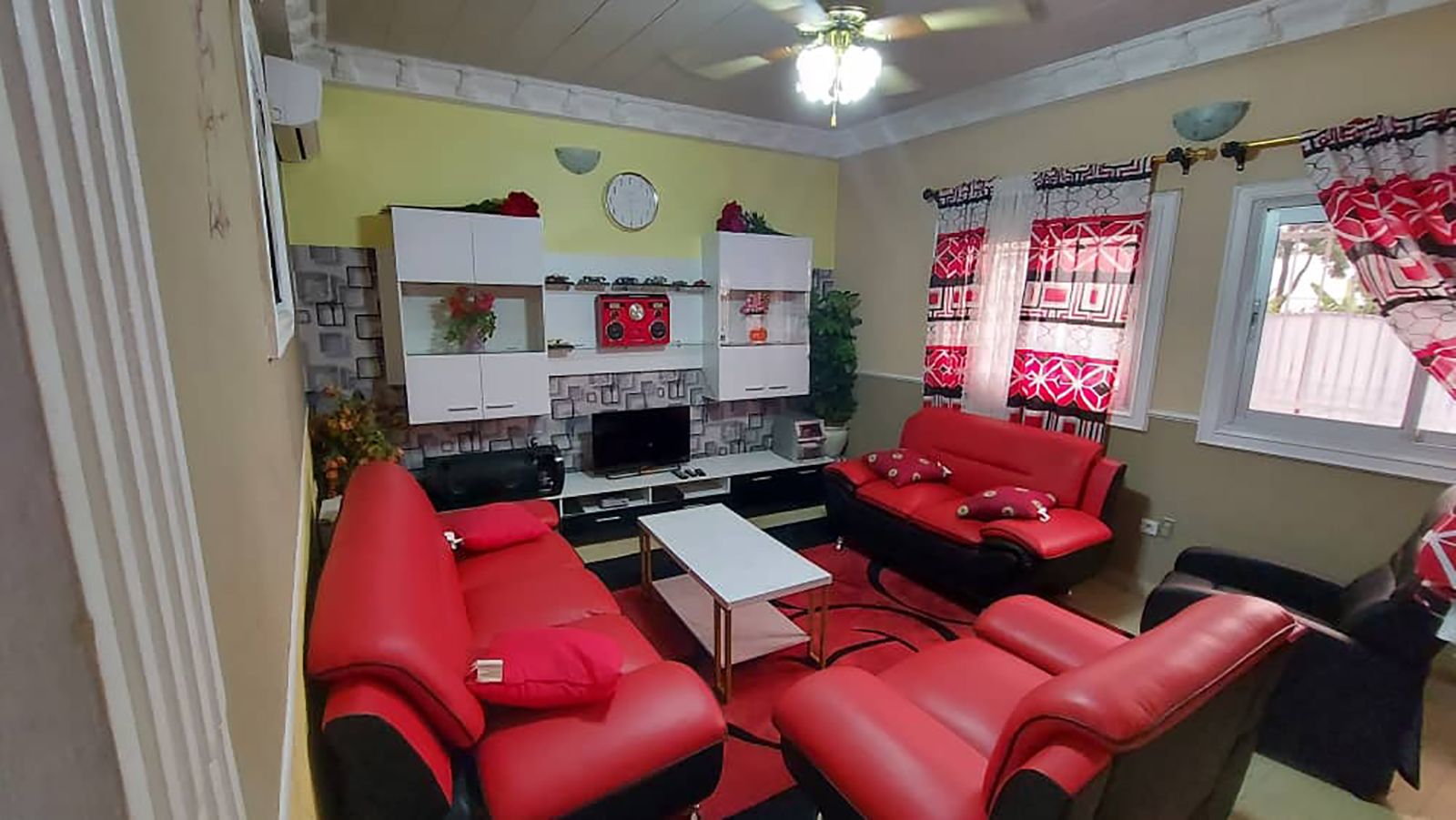
For each successful booking, Bongalo takes 10% commission from hosts and 9% from guests. Pictured here is one of the rental units within the Loumia Residency, in Douala, Cameroon.
Bongalo
Minuifuong believes that Bongalo can compete with Airbnb in Africa. "It's about people ... using local-made solutions," he says. This two-bed apartment in the city of Buea, in Cameroon, is listed on Bongalo for $54 per night.
Bongalo
Minuifuong wants to expand Bongalo's operations to Ivory Coast, Senegal and Kenya. The ultimate goal is to be available in all African countries, he says. The Nirvana Heights Resort, pictured, overlooks Lake Kivu in Rwanda.
Bongalo
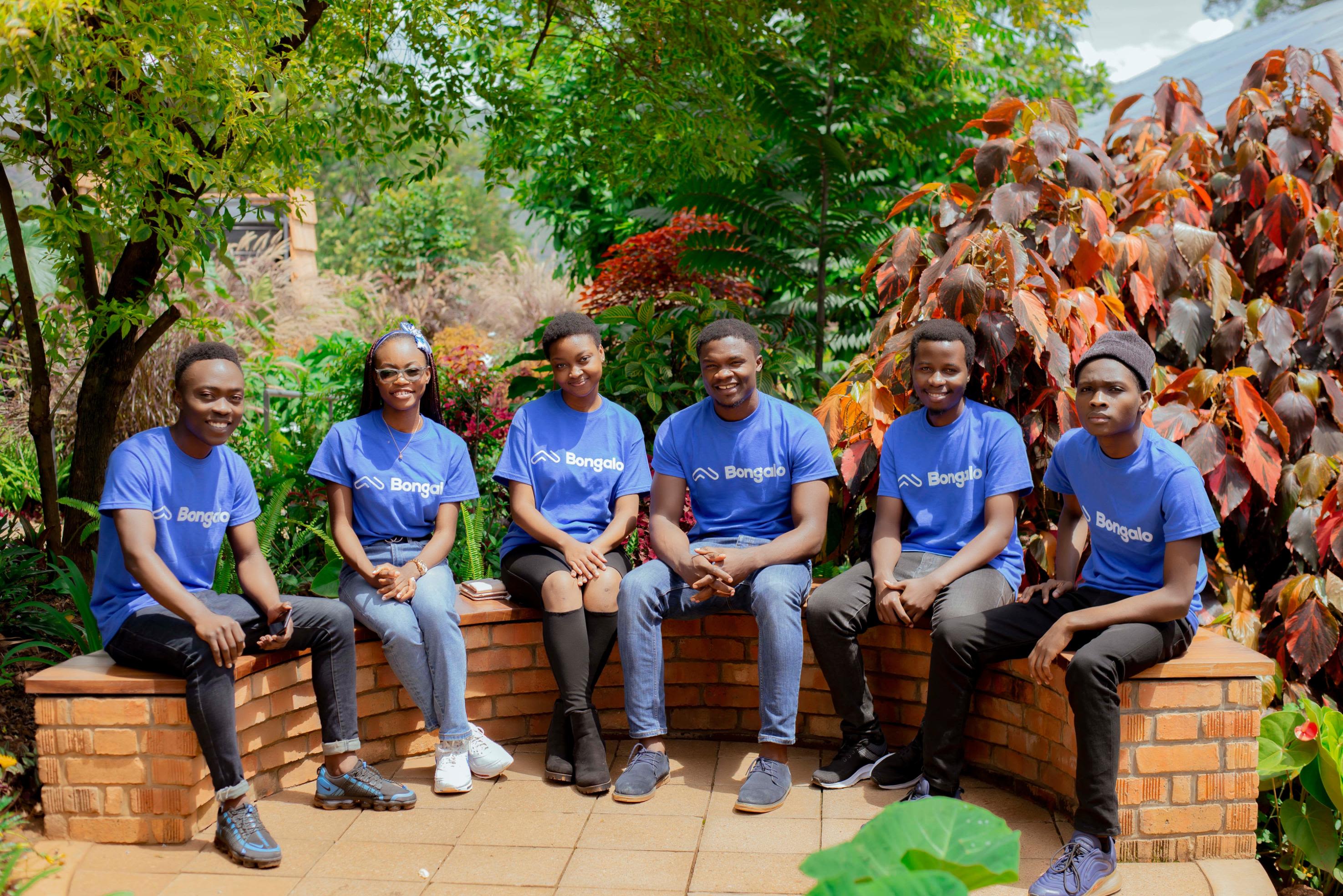
The Bongalo team is still small, but its dreams are big. The startup will soon be launching a seed funding round, to build on its investment from Google's Black Founders Fund in Africa. "Hopefully in the next three to five years, we should be more than a billion-dollar company," says Minuifuong.