American safaris: Best places to see wildlife in the U.S.
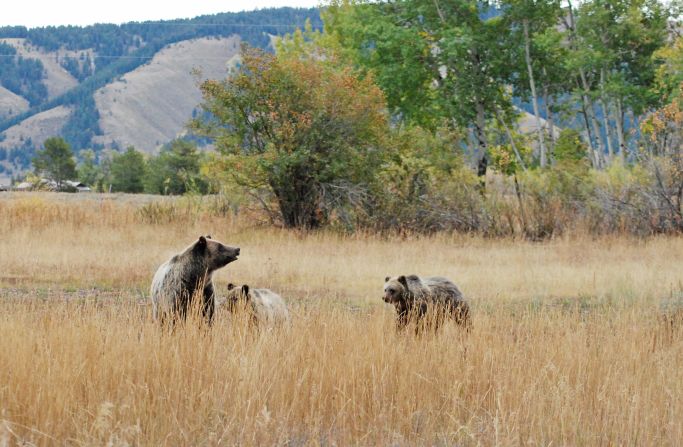
Grizzly bear —
Alaska has numerous places to see grizzlies (brown bear), but the animals can be found in lower 48 parks such as Yellowstone and Grand Teton National Park (pictured).
Danielle Lehle/National Park Service
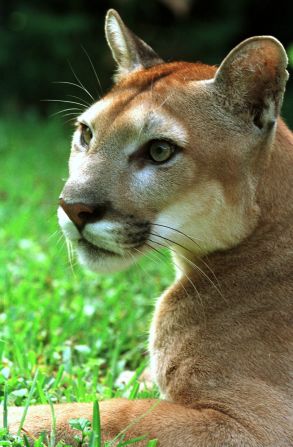
Wildcats —
Once prevalent throughout the mainland United States, the cougar (aka, panther/puma/catamount) is largely isolated to a dozen or so western states and Florida (pictured).
Robert King/Newsmakers
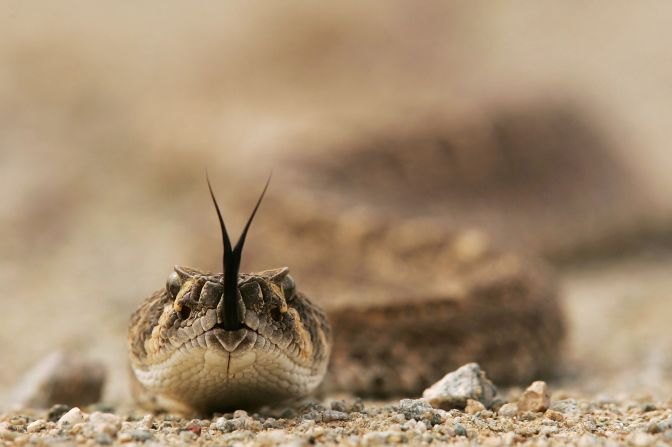
Snakes —
Rattlesnakes are found across the American Southwest in places such as Arizona's Cabeza Prieta National Wildlife Reserve (pictured). Of the four species of venomous snake found in the country -- rattlesnake, cottonmouth, copperhead, coral -- all can be found in and around Houston.
David McNew/Getty Images
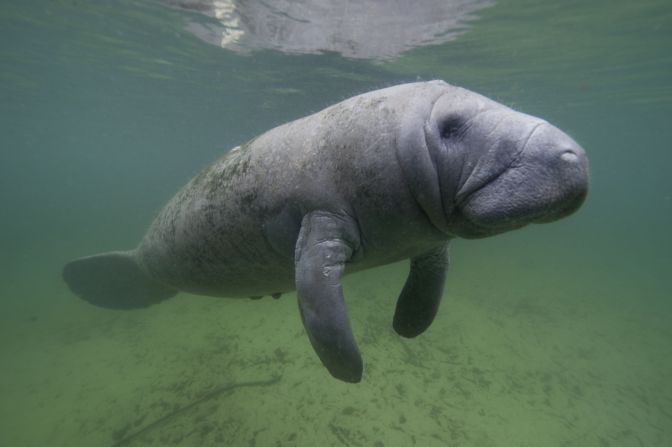
Manatees —
The largest purported herd of manatees in the United States descends each winter on Florida's Three Sisters Springs' 72-degree waters.
Liquid Productions, LLC/Shutterstock
Moose —
Bull moose populate Cascade Canyon (pictured) in Grand Teton National Park. The so-called Moose Alley -- U.S. Route 3 between Pittsburg, New Hampshire, and the Canadian border -- is like a year-round moose Mardi Gras.
Danielle Lehle/National Park Service
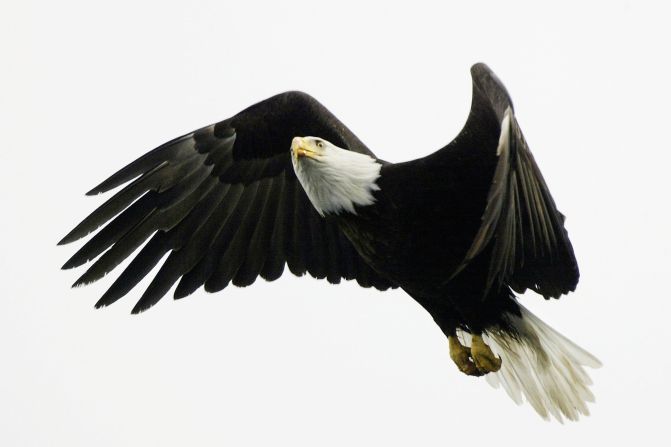
Bald eagle —
Bald eagles, like this one near Valdez, are a common sight in coastal Alaska, but as many as 25,000 live in the lower 48 states.
David McNew/Getty Images
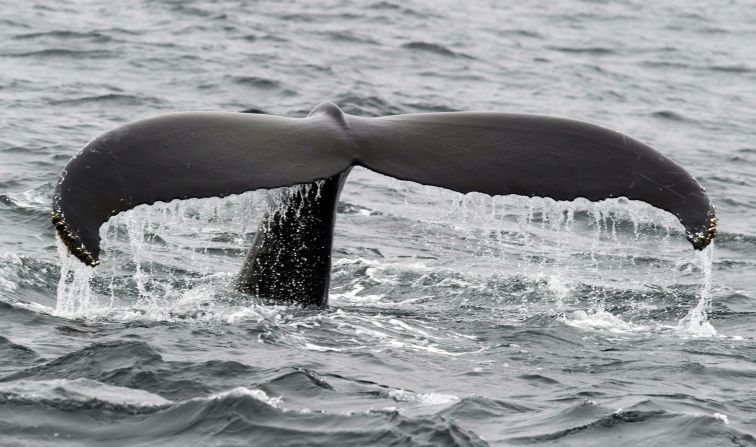
Whales —
In Alaska's Glacier Bay National Park, seasonal humpback and gray whales combine with year-round orcas for one of the richest cetacean environments in the world. But this humpback whale was photographed on the other side of the country, near Provincetown, Massachusetts.
DON EMMERT/AFP/Getty Images
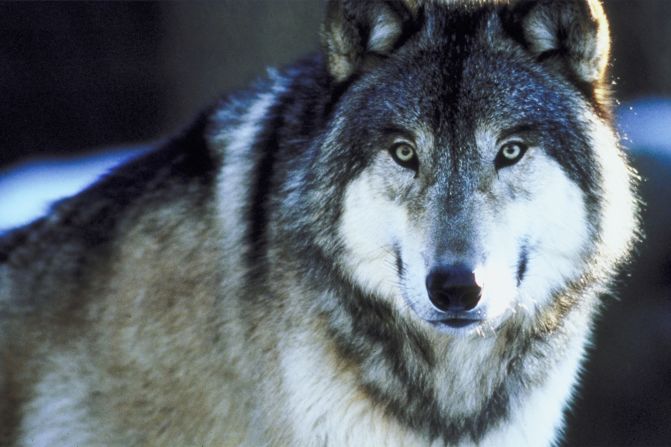
Gray wolf —
The wild wolf population in the lower 48 has grown from less than 300 just 30 years ago to more than 4,000 today. Minnesota has the largest gray wolf (pictured) population outside Alaska.
Photo Illustration/Thinkstock
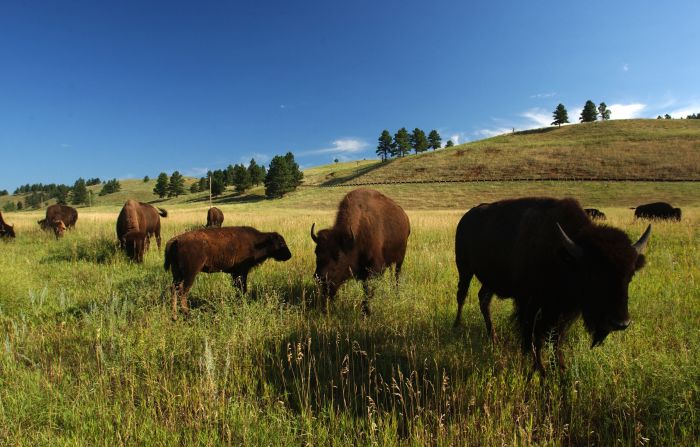
Bison —
Reintroduced after near-extinction at the turn of the last century, 1,300 bison -- possibly the world's largest publicly-owned herd -- now roam Custer State Park in South Dakota.
David McNew/Getty Images
White-tailed deer —
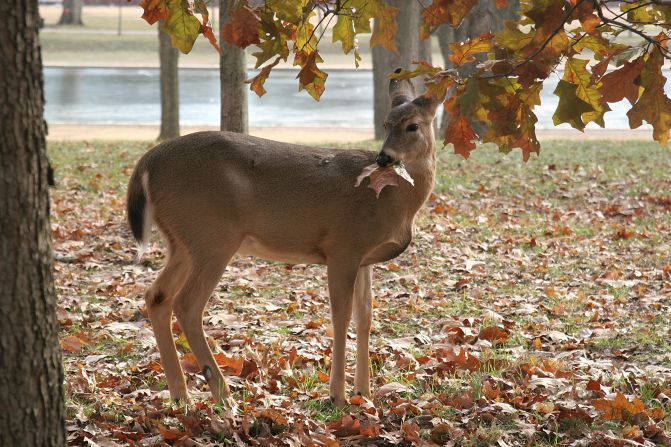
Once endangered, white-tailed deer are now ubiquitous throughout the United States, even occasionally being spotted near the National Mall in Washington, D.C. (pictured).
KAREN BLEIER/AFP/Getty Images
Dolphins —
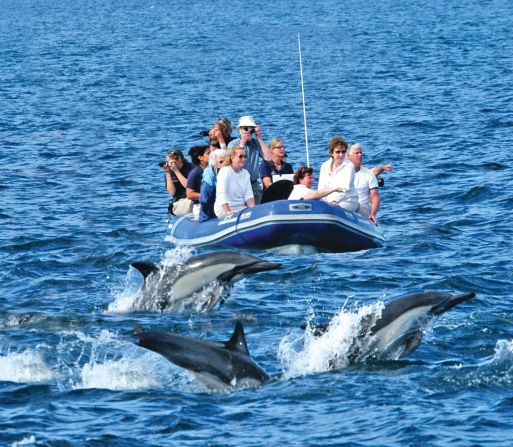
Hawaiian spinner dolphins feed at night and throng Oahu's (Hawaii) west coast.