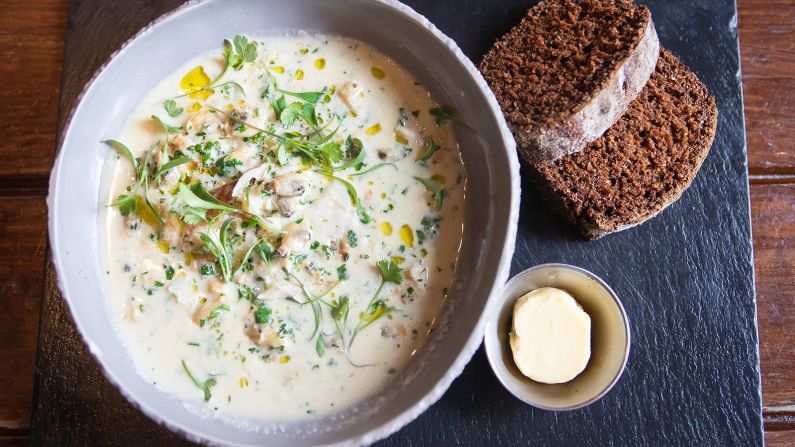
Seafood chowder: Irish chowder is brimming with haddock, salmon and shellfish and is usually accompanied by brown soda bread (also known as wheaten) and butter.
Albina Kosenko/iStockphoto/Getty Images
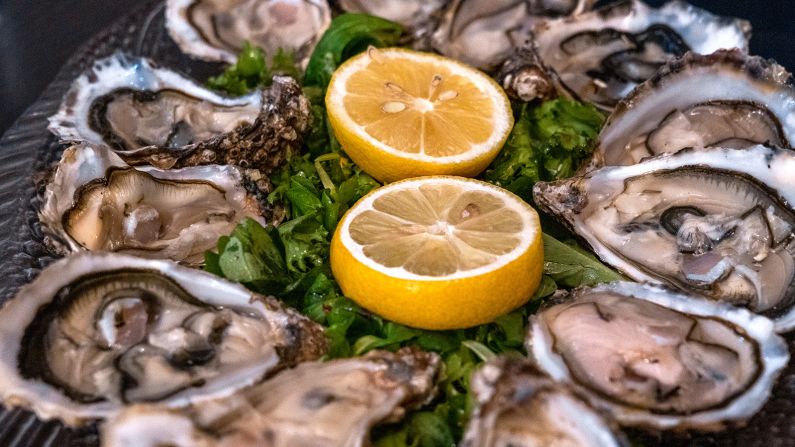
Oysters: Purists suckle oysters straight from the shell, with just a squeeze of lemon.
makasana/Adobe Stock
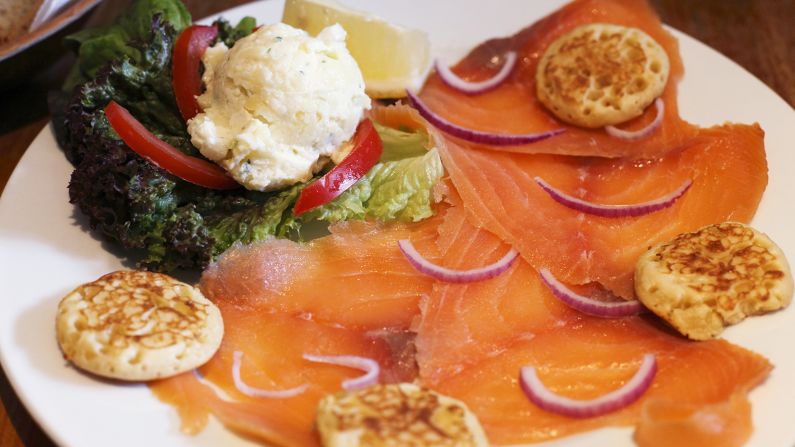
Smoked salmon: Salmon is native to North Atlantic waters and is therefore a long-time favorite with Irish diners.
Martin Siepmann/imageBROKER/Shutterstock
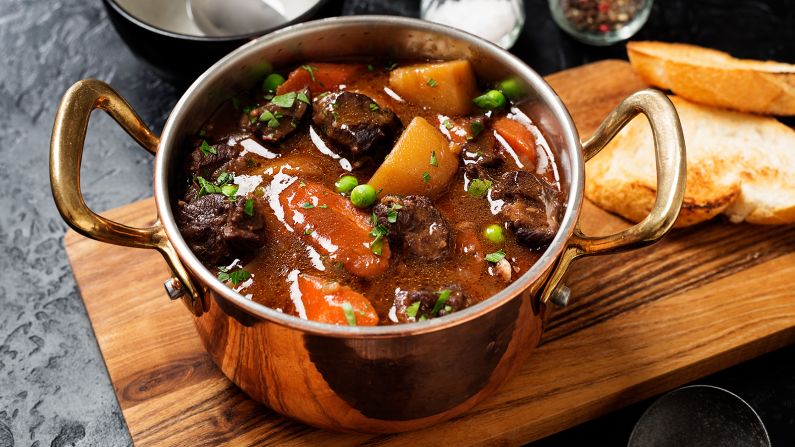
Irish stew: This stew is traditionally made with lamb but can also be prepared with beef. It's a St. Patrick's Day favorite.
Nelea Reazanteva/iStockphoto/Getty Images
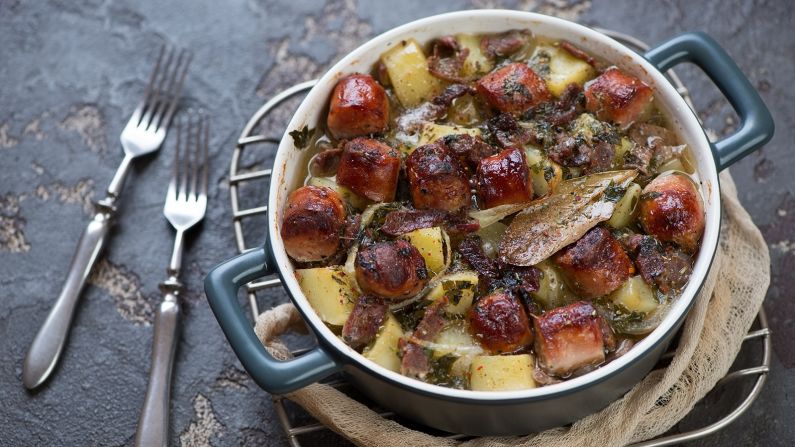
Coddle: A traditional Dublin dish that uses up leftovers, coddle is a stew of sausages, bacon, onion and potatoes.
Nickola_Che/Adobe Stock
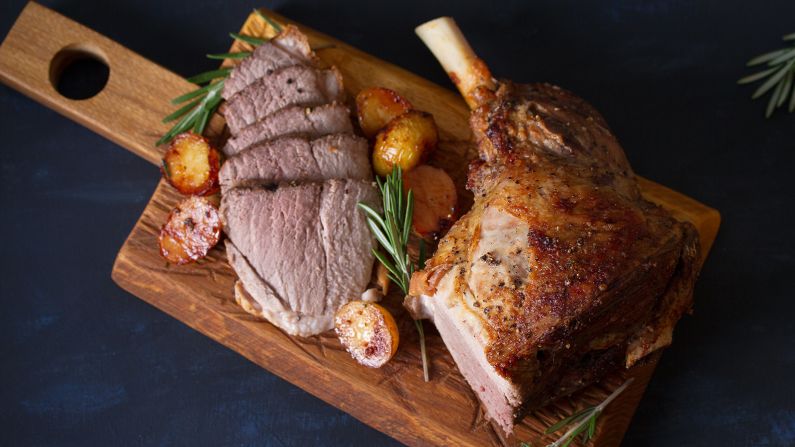
Roast leg of lamb: Like its neighbor Britain, Ireland loves its meat-and-two-veg dinners. A Sunday roast is a great way to round off a weekend.
freeskyline/iStockphoto/Getty Images
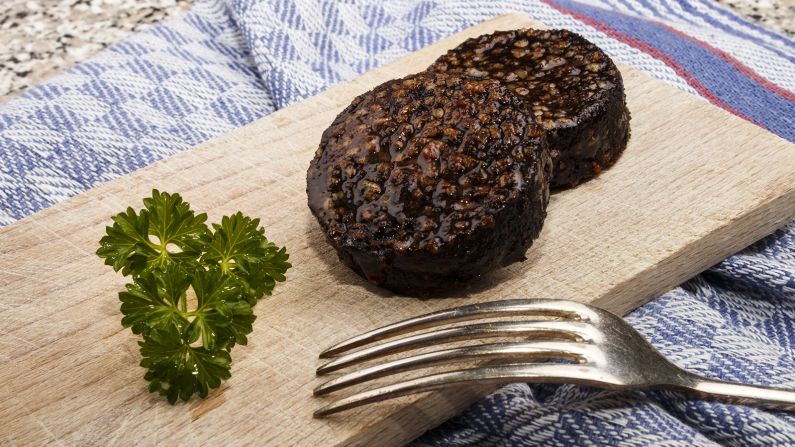
Black pudding: This iron-rich blood sausage is made with oatmeal and is very tasty, once you work up the courage to try it.
Szakaly/iStockphoto/Getty Images
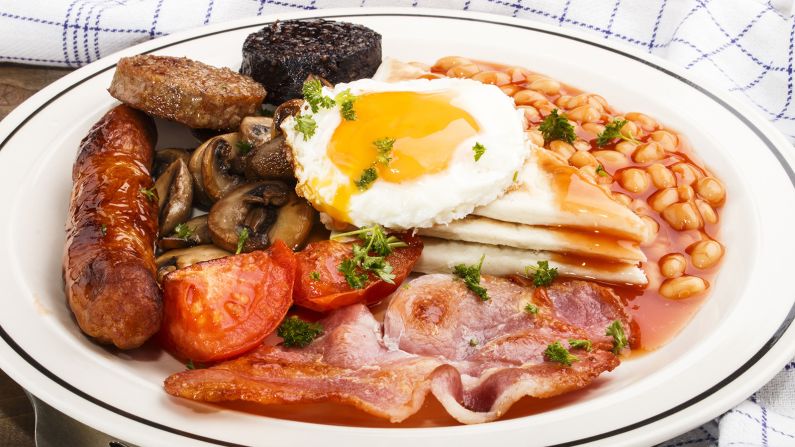
Ulster Fry: There are variations on the traditional cooked breakfast throughout Ireland and Britain. This Ulster Fry includes the addition of potato bread (worryingly pale slices in this example, under the egg).
Szakaly/Adobe Stock
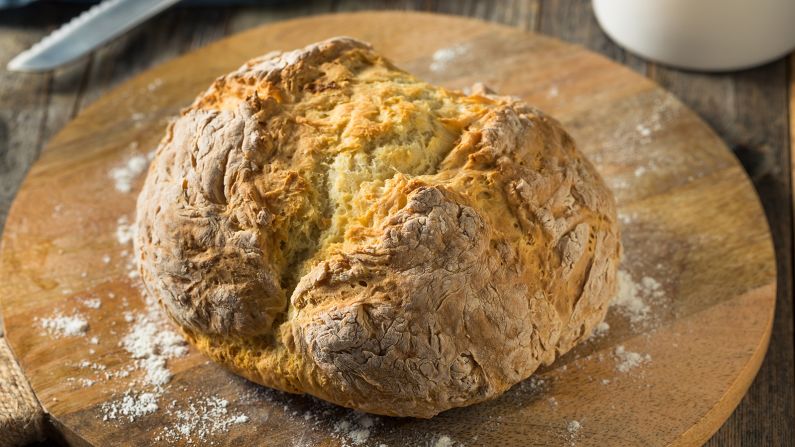
Soda bread: This is a yeast-free bread made with buttermilk and is thick, filling and fabulous in both its white and wholemeal varieties.
Brent Hofacker/Adobe Stock
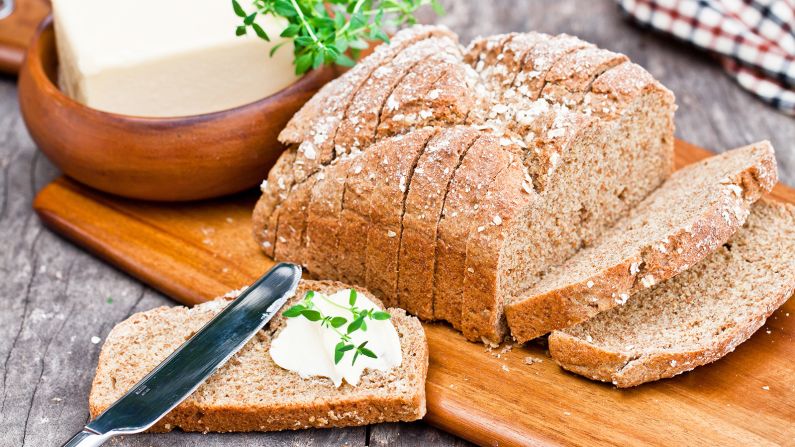
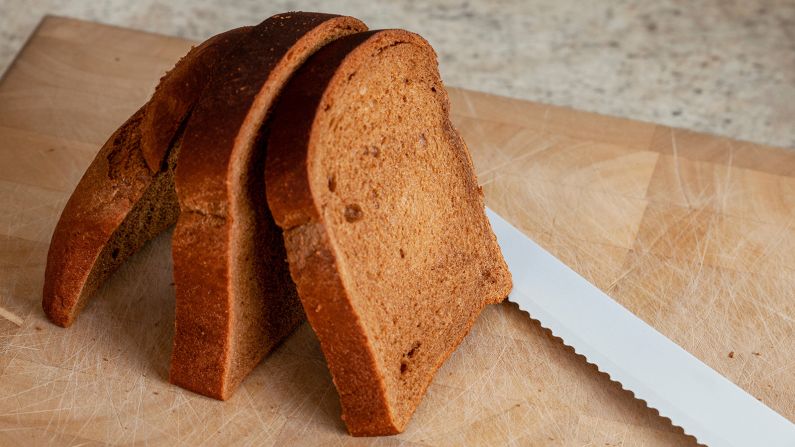
Brown soda bread: The wholemeal version is known as wheaten bread in Northern Ireland.
lena_zajchikova/Adobe Stock
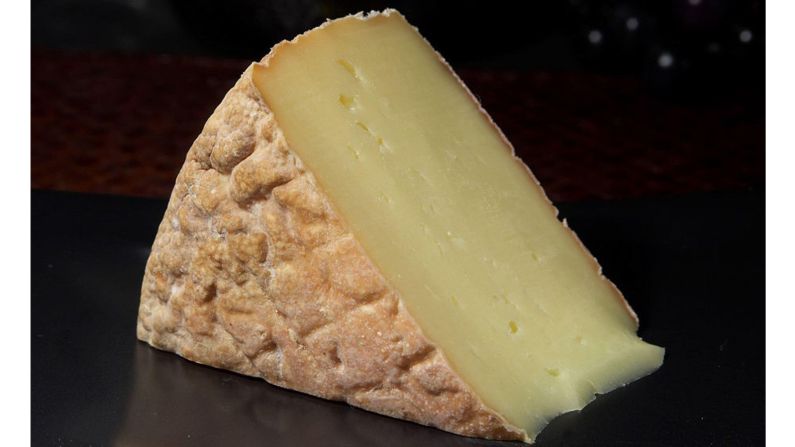
Gubbeen: From the Irish word gobín, meaning small mouthful, Gubbeen is a nutty, semi-soft cow's milk cheese made in County Cork.
Matteo Omied/Alamy Stock Photo
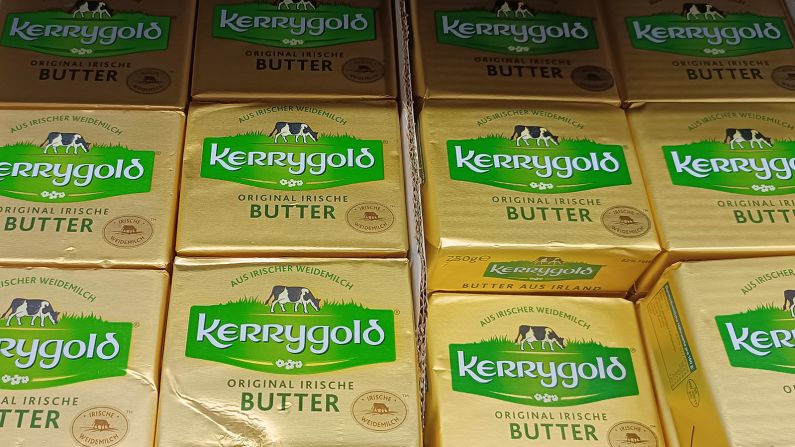
Kerrygold: Kerrygold is the big-hitter when it comes to Irish butters, although the brand was actually created by a team driven by London-based South African David Gluckman, who also invented Baileys.
Janet Worg/Adobe Stock
Veda: A delicious malty secret little known outside the Northern Irish cognoscenti, Veda should always be toasted and laden heavy with butter.
Jim/Adobe Stock
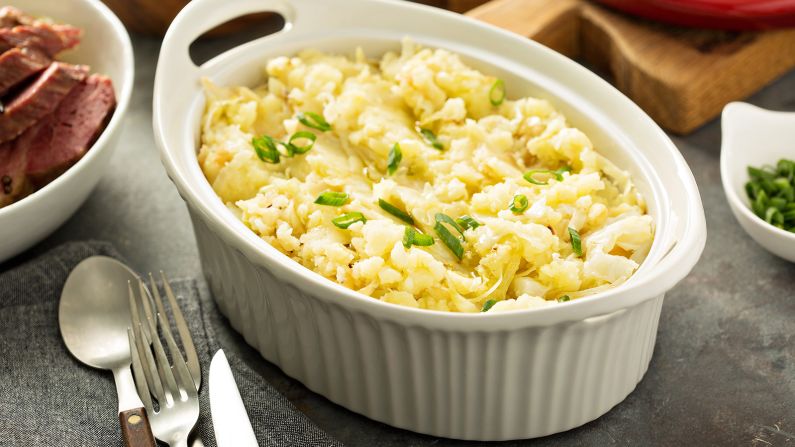
Colcannon: Colcannon is creamy mashed potatoes mixed with cabbage or kale.
fahrwasser/Adobe Stock
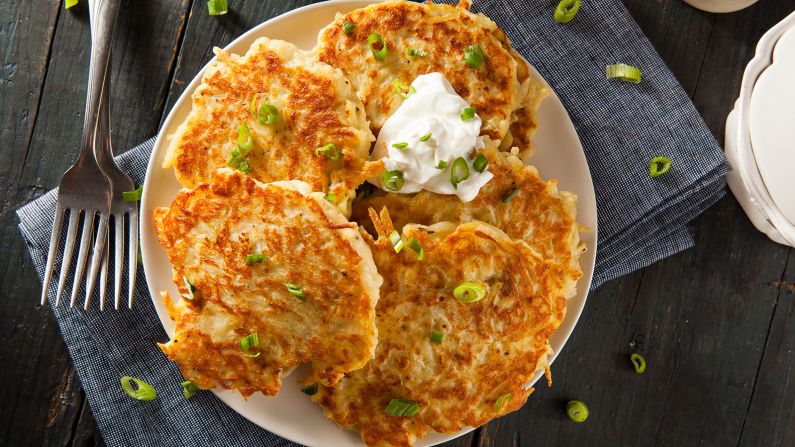
Boxty: Boxty are griddled potato pancakes: Try them with smoked salmon or an egg on top.
Brent Hofacker/Adobe Stock
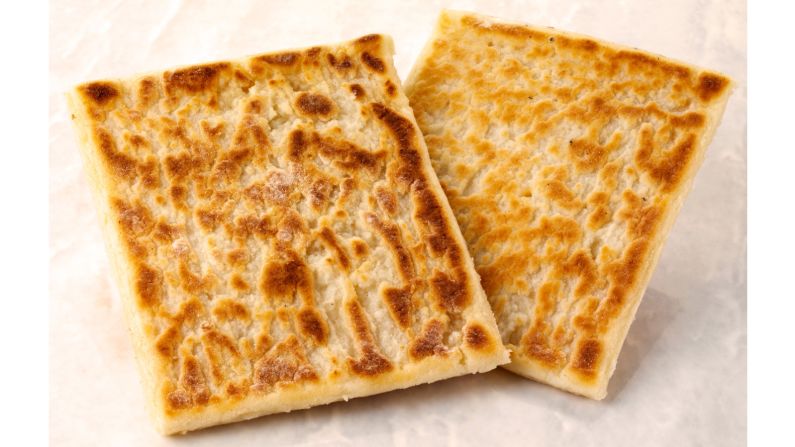
Potato farls: Potato bread is sometimes fried as part of an Irish breakfast, but you can also pop them straight in the toaster as a quick snack.
cdkproductions/Adobe Stock
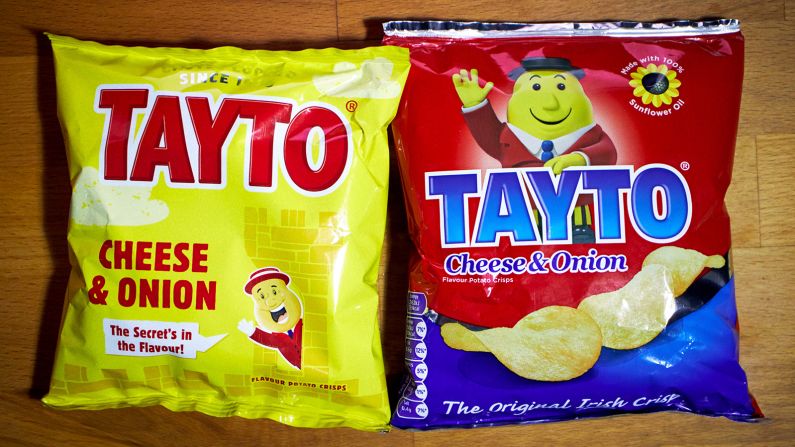
Tayto crisps: There are two separate Tayto crisp companies (Northern Ireland's on the left and the Republic of Ireland on the right) but the quintessential flavor is always cheese and onion.
Radharc Images/Alamy Stock Photo
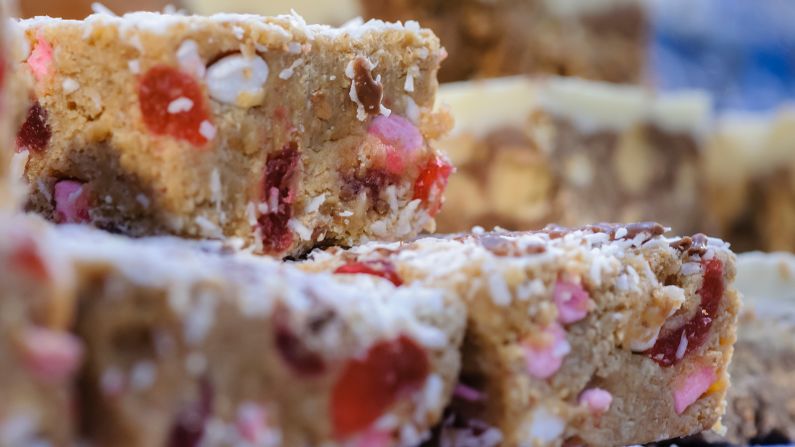
Traybakes: Fifteens are a super-sweet confection made from marshmallow, coconut, cherries and digestive biscuits (cookies).
Stephen Barnes/iStockphoto/Getty Images
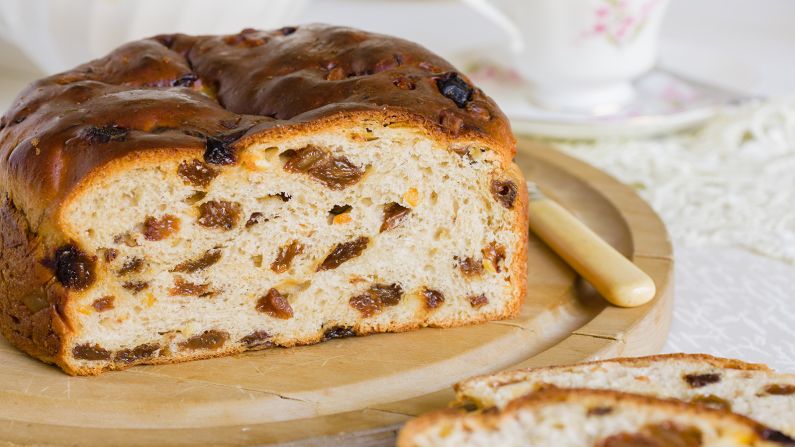
Barmbrack: This is a fruit loaf made with sultanas and raisins. It's often eaten buttered as a teatime treat and is traditionally served at Halloween with prizes baked inside.
David Pimborough/Adobe Stock
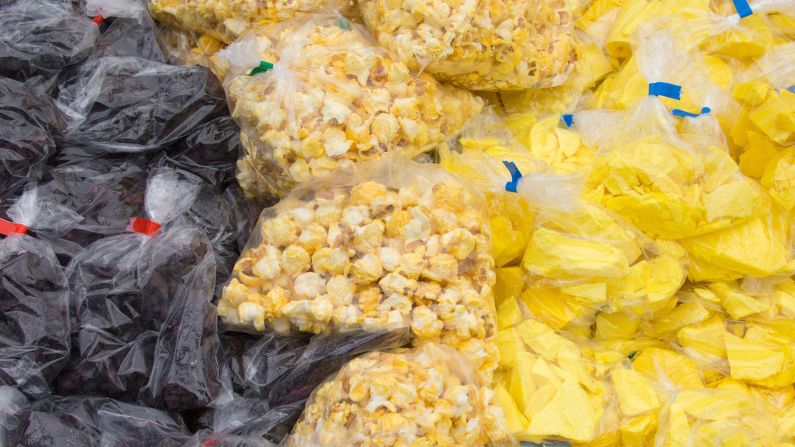
Dulse and yellowman: Dulse (far left) is dried seaweed and yellowman (far right) is honeycomb toffee. They're a classic, though surprising, pairing at Ballycastle's Ould Lammas Fair.
Kayte Deioma/Alamy Stock Photo
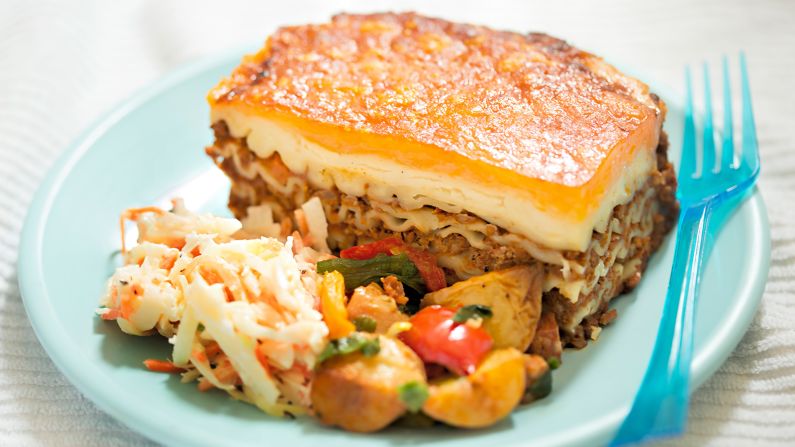
Lasagne and coleslaw:Mamma mia! Hot lasagne with a side order of creamy cool coleslaw? Don't knock it till you've tried it.
Bart/Adobe Stock
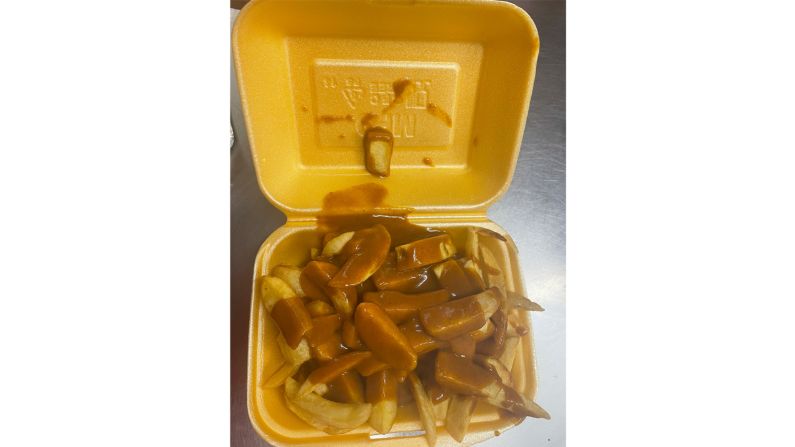
Curry chip: Part of what makes a curry chip such a great comfort food is that the commercially produced sauce with have the same MSG-rich tang wherever you go.
Rana Umair Zahid/Getty Images
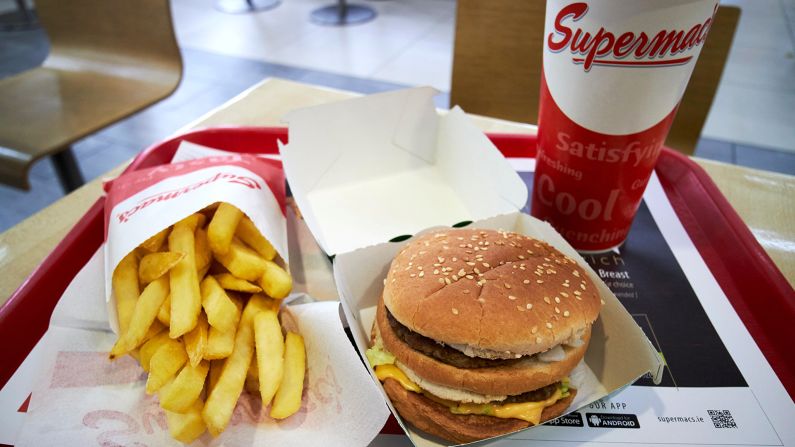
Supermacs: McDonald's brought two trademark cases against this Irish food chain. It lost.
Radharc Images/Alamy Stock Photo
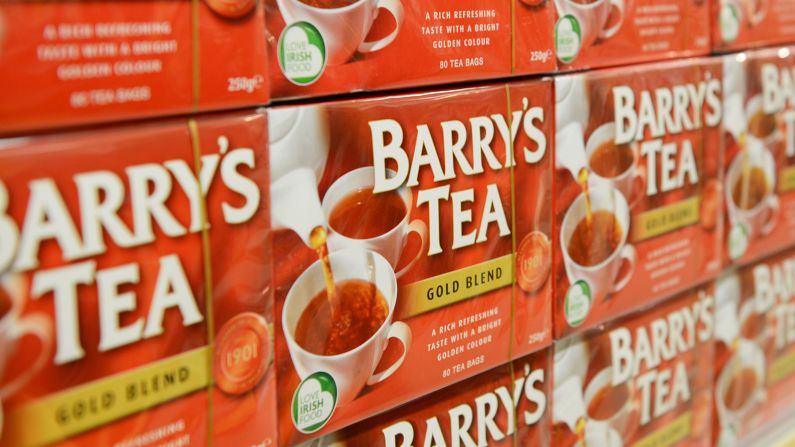
Barry's Tea: Ireland's thirsty residents are the world's second biggest drinkers of tea per capita, just below Turkey and above the UK.
Medicimage Education/Alamy Stock Photo
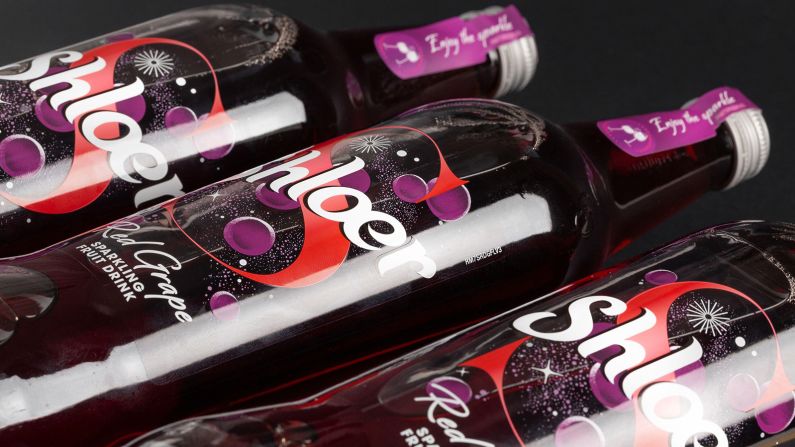
Shloer: The Irish aren't as boozy as you think. Shloer is the non-alcoholic drink of choice in many homes at Christmas time.
Emmanuel Amponsah/Alamy Stock Photo
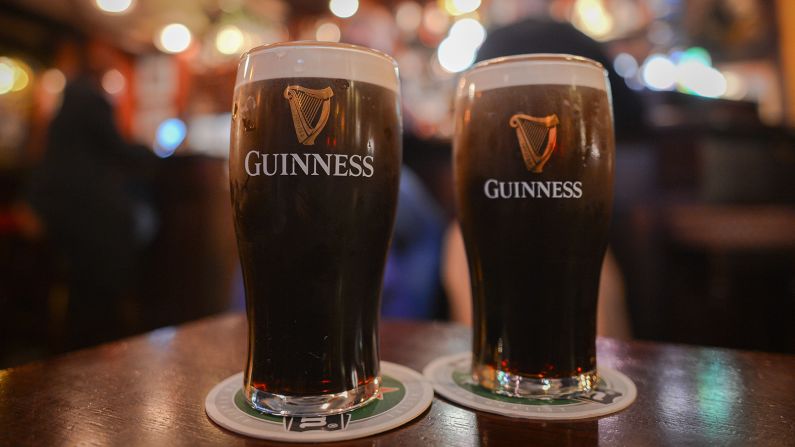
Guinness: A "pint of plain" does, scientifically, taste better on home turf. If you're a beer drinker, make sure you try it and other local stouts in one of the country's many wonderful pubs.
Artur Widak/NurPhoto/Getty Images
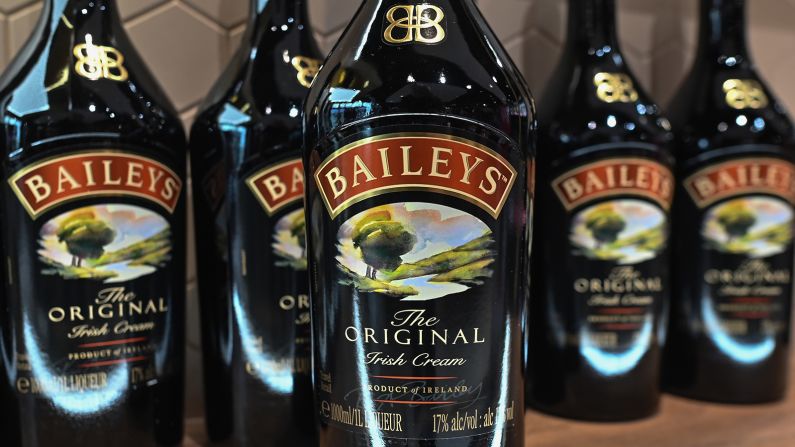
Baileys: Here's a tasty tip: adding brandy to Baileys cuts through the liqueur's sweetness, creating a top-tier cocktail. Best stop after one, though, eh?
Artur Widak/NurPhoto/Getty Images
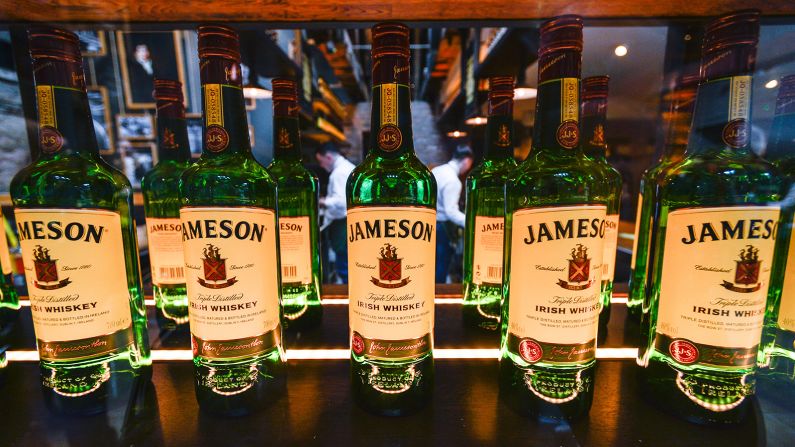
Whiskey: Jameson's is the most famous globally, but there are more than 40 whiskey distilleries operating on the island. Find your favorite.
Artur Widak/NurPhoto/Getty Images
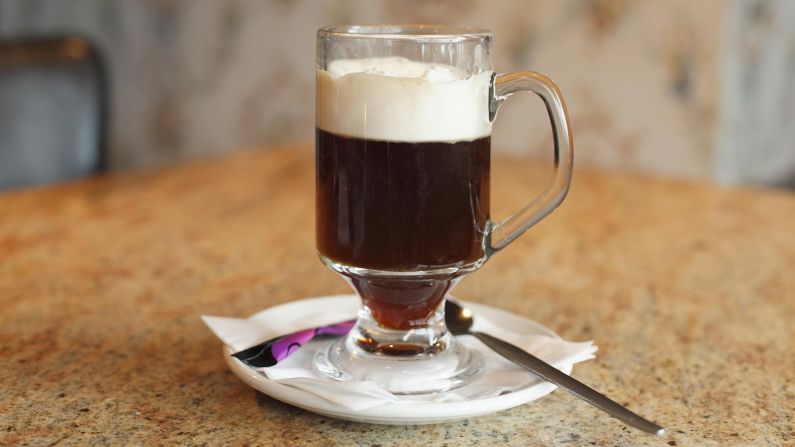
Irish coffee: Irish Coffee was invented in 1942 at Shannon Airport, which was also the birthplace of Duty-Free shopping.