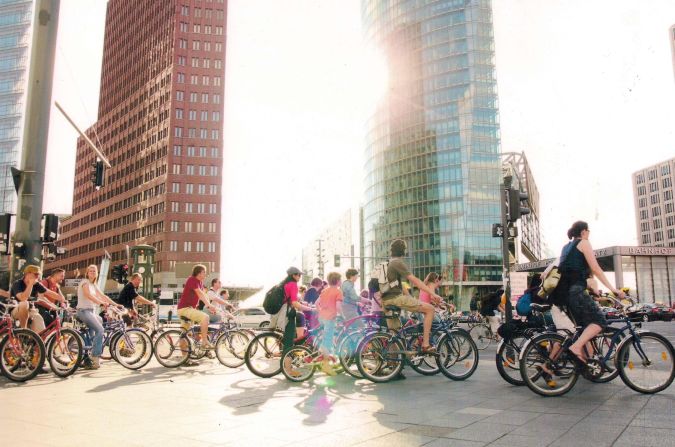
Given the city's long, freezing winters, Berlin is an impressive example of Germany's boost of bike use. About 13% of all trips in the city are made by bike, nearly twice the rate of 20 years ago.
Courtesy Fat Tire Bike Tours
Copenhagen, Denmark —
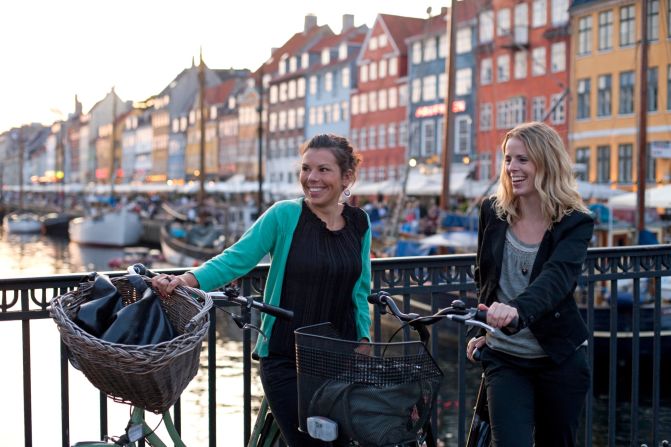
More than half of locals in the Danish capital cycle to work or school. With an estimated bike population of 650,000, there are slightly more cycles than people.
Courtesy Nicolai Perjesi/Wonderful Copenhagen
Montreal —
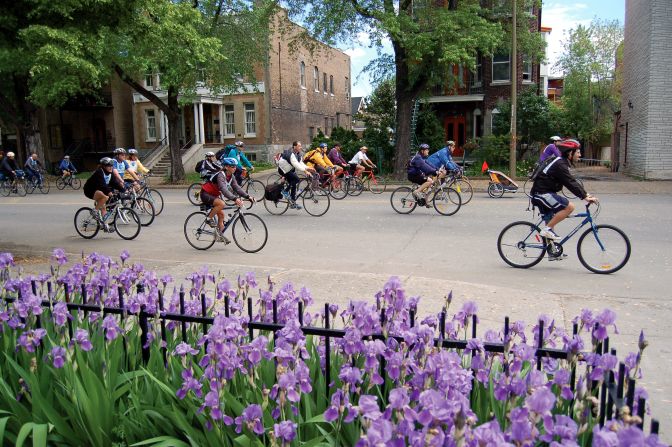
Montreal has almost 400 miles of bike paths, most used for leisure rides rather than commutes. Each May, the city hosts Go Bike Montreal Festival, a week of activities dedicated to cyclists and urban living.
Courtesy Gaétan Fontaine
Portland, Oregon —
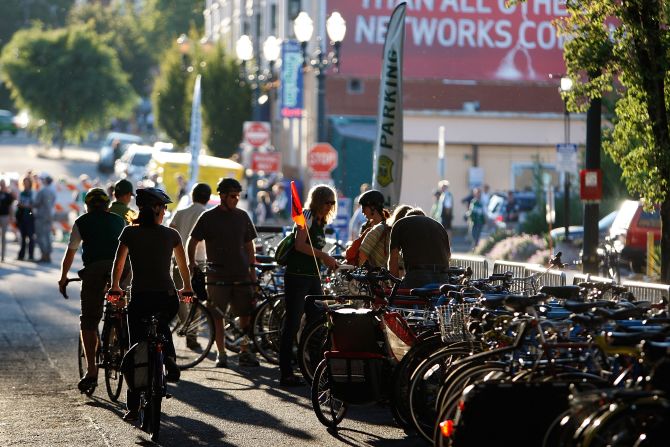
Portland's ambitious Bicycle Plan for 2030 calls for forming a denser bike network, reducing vehicle speed limits on designated streets and increasing bicycle parking spaces.
Kevin Casey/Getty Images
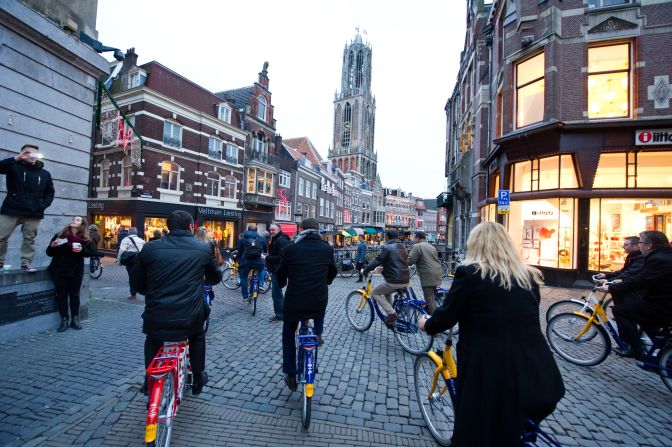
Utrecht, Netherlands —
While Amsterdam is definitely bike friendly, it's also got hordes of tourists on rental bikes. Cycling in the Netherlands city of Utrecht is easier. Helmets are rarely used, not least because of protection offered by segregated cycle lanes.
Courtesy Toerisme Utrecht
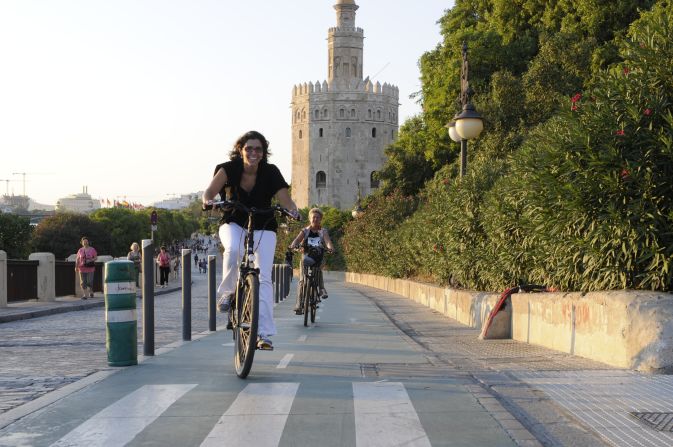
Seville, Spain —
In six years, Seville's use of bikes shot from less than 1% to about 7%. The city's implementation of the rental-bike plan, Sevici, makes biking for locals and tourist simple.
Courtesy Elecmove
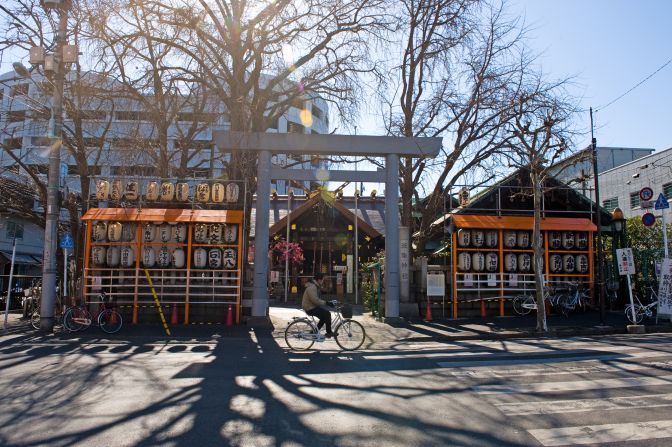
Tokyo —
Tokyo cyclists use practical "mamachari" bikes with sturdy frames, baskets for shopping and seats containing one or two small children. Up to 14% of all journeys in the city are made by bike.
VOISHMEL/AFP/Getty Images
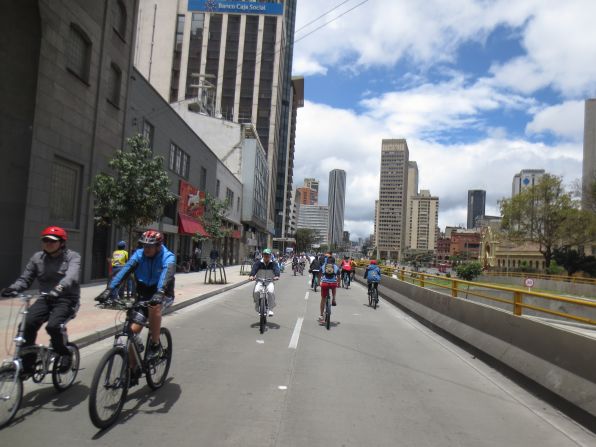
Bogota, Colombia —
Only 5% of Bogota's journeys involve bikes, but the city makes our list in recognition of its efforts to change. Each Sunday, 70 miles of street close down to vehicles to give way to pedestrians and bikes.