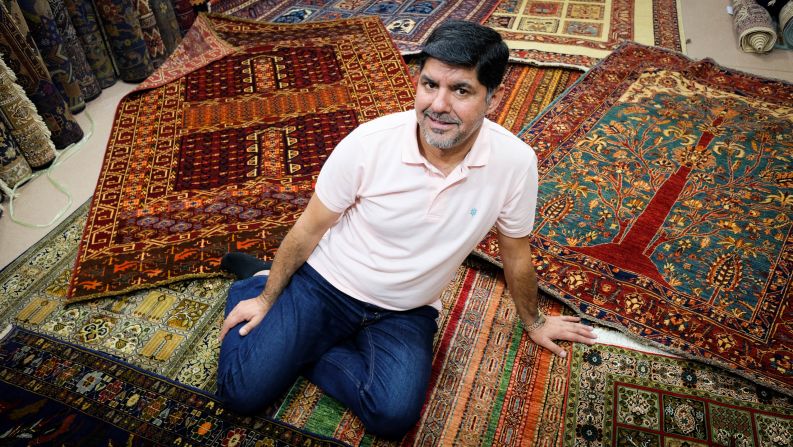
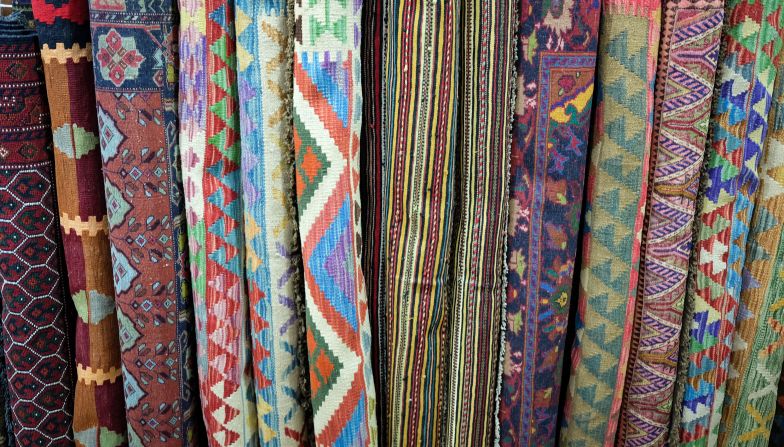
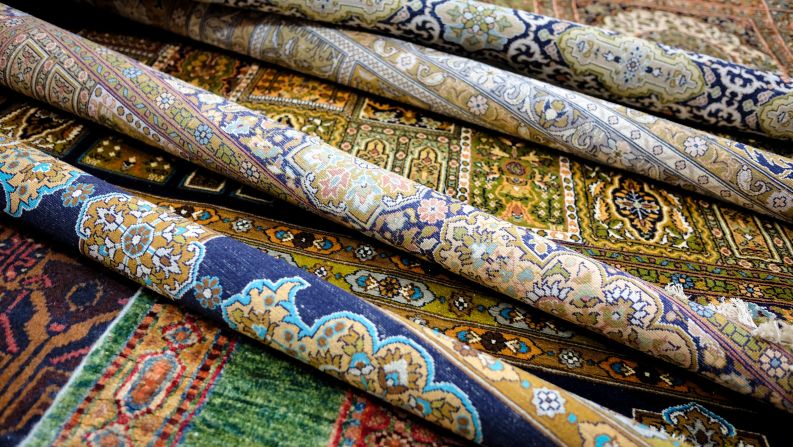
The Rug Man of Doha: As a 20-year-old, Riyaz Bhat was driven by his passion for carpets to travel to Afghanistan to discover the secrets of how nomadic women produced some of the world's best rugs.
Barry Neild/CNN
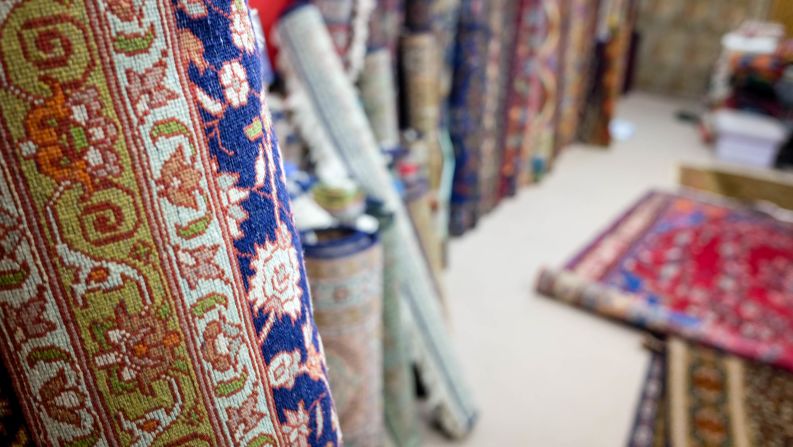
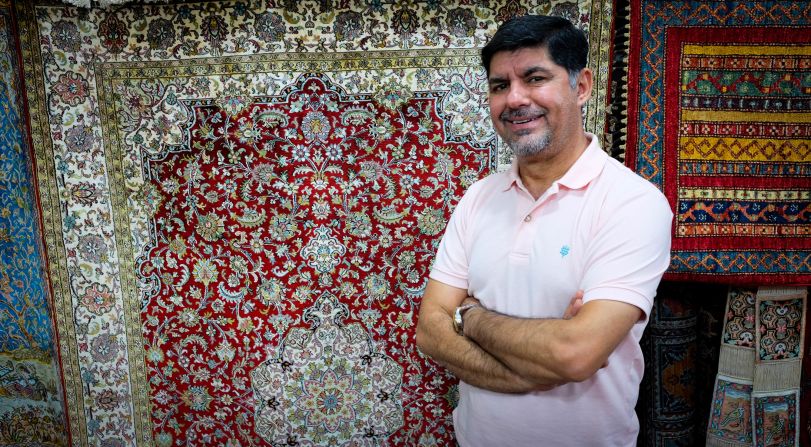
A world of carpets: Today Bhat presides over the Kashmir Handicrafts Emporium, a Doha institution that attracts customers from all over the world.
Barry Neild/CNN
Stories behind the rugs: Bhat's carpet knowledge is encyclopaedic. "I know every single rug in this shop," he says of his stock of 500-plus rugs. "And every single one I know the story behind."
Barry Neild/CNN
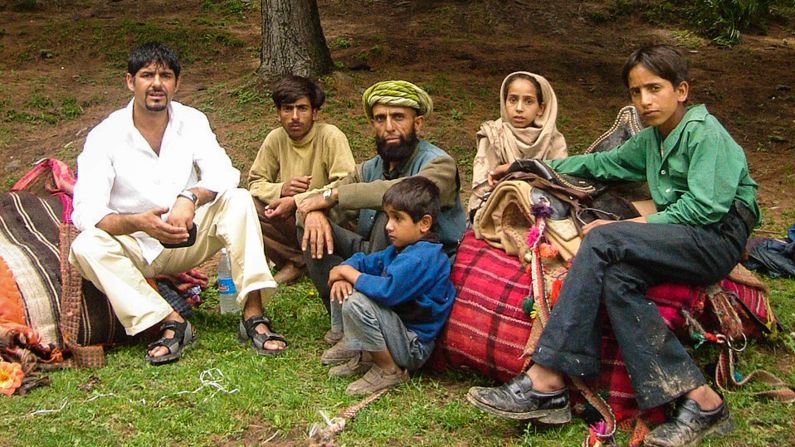
Afghan adventures: Since his first foray in 1988, Bhat has made numerous return trips to Afghanistan in search of rugs. This image, taken in 1997, shows Bhat, on the left, with some Afghans he met in the country's eastern Nuristan province.
Courtesy Riyaz Bhat
Rug-buying tips: The Rug Man advises never buying a rug made of two different materials. Either silk on silk or wool on wool, but never a mix of the two. "Silk and wool do not live with other happily," he says. "They both have different densities and different wear and tear, and the carpet starts to look ugly."
Barry Neild/CNN
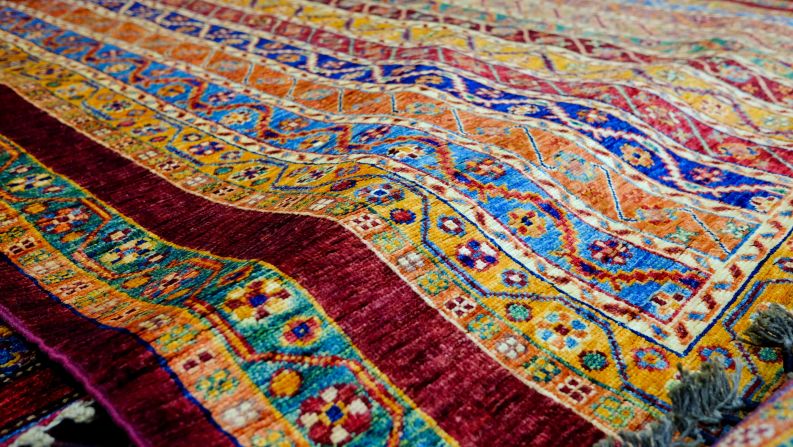
Ghazni design: "This is a wool carpet made by an old Ghazni family," says Bhat, who can identify the origins of any handmade tribal rug by its design and use of color.
Barry Neild/CNN
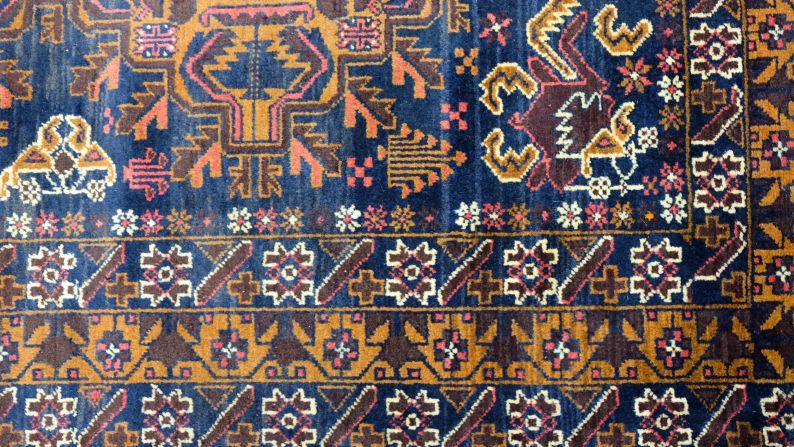
Balochi rug: The browns in this rug made by Balochi tribe members are created using fresh walnuts and madder root. The dark blues come from indigo and ferrous oxide. "This rug is 35 years old," says Bhat. "It's a magnificent sofra -- a dining table."
Barry Neild/CNN
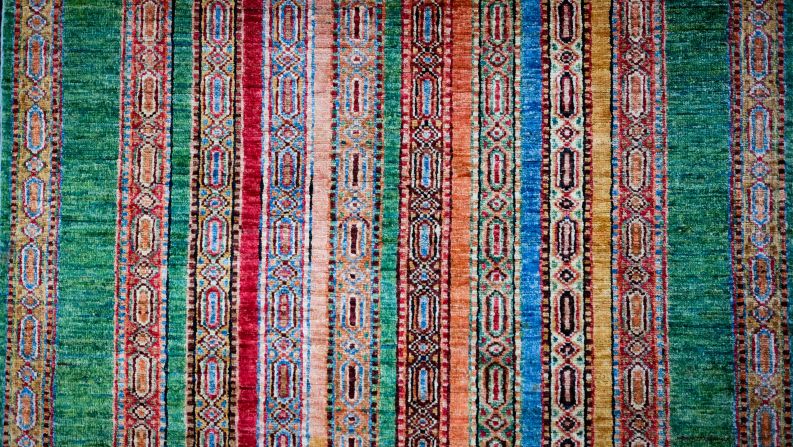
Favorite shade: Bhat says his favorite rug color is green, "because it's the hardest to get, even though it occurs so much in nature." Greens are typically created using blue from indigo and yellow from marigolds.
Barry Neild/CNN
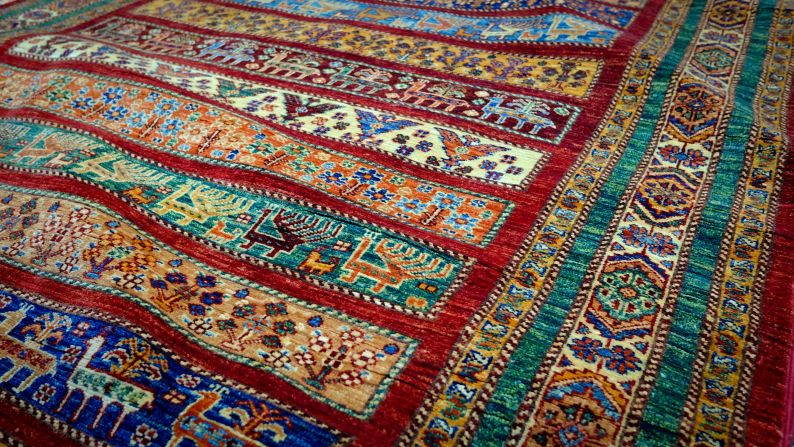
Animal symbols: Another Ghazni rug, this one bearing symbols of animals including goats and peacocks. Bhat says the goats signify wealth, while the peacocks mean divine protection. This rug is priced at approximately $1,700.
Barry Neild/CNN
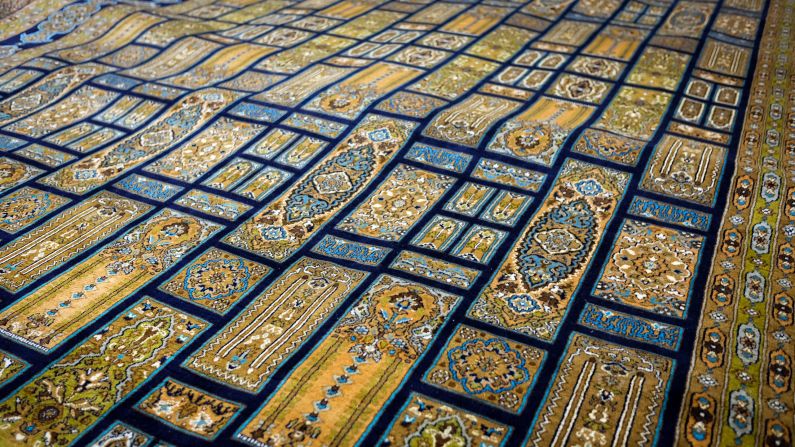
Kashmiri carpet: Bhat comes from a family of carpet-makers in Kashmir, the Himalayan territory that straddles modern-day India and Pakistan. This silk Kashmiri carpet was the result of four years of work by Bhat's father, now 85. It has 1,400 knots per square inch and retails for about $7,400.
Barry Neild/CNN
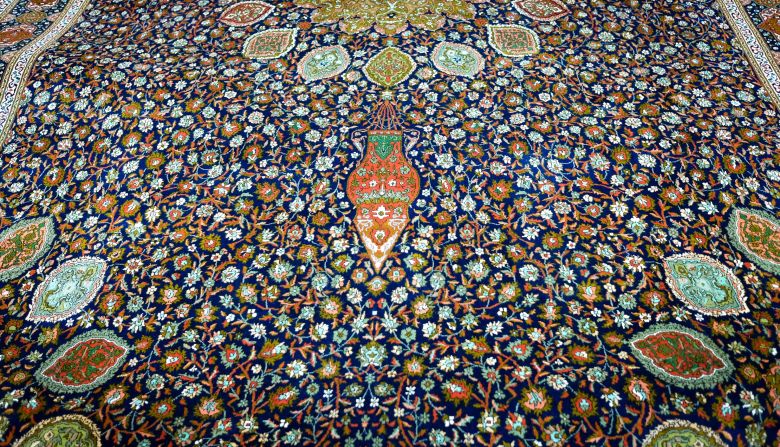
Ardabil Carpet: Made in the 1960s by Bhat's family, this shimmering blue carpet is a silk redesign of a famous Persian wool creation from 1540 known as "The Ardabil Carpet" that's on display in London's V&A museum. Bhat says the reproduction took four years to complete and contains 9,525,600 knots. It's estimated cost is *8,500.
Barry Neild/CNN
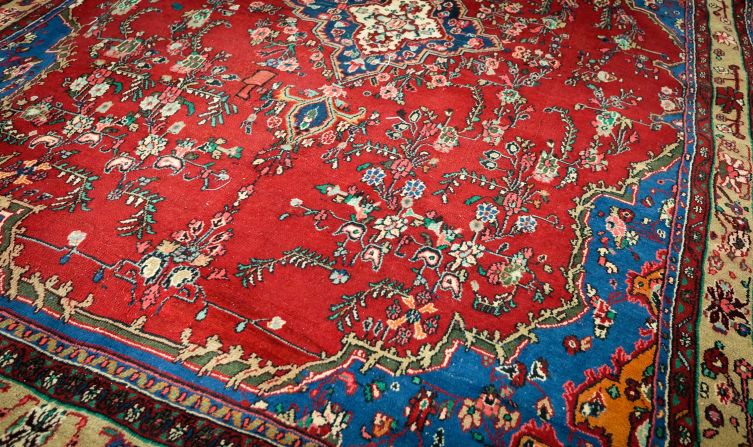
Iranian carpet: This rare Iranian Kerman carpet is about 70 years old, according to Bhat. Kerman, in southern Iran, was once a center of Persian rug-making and antique carpets from the region are highly prized by collectors.
Barry Neild/CNN
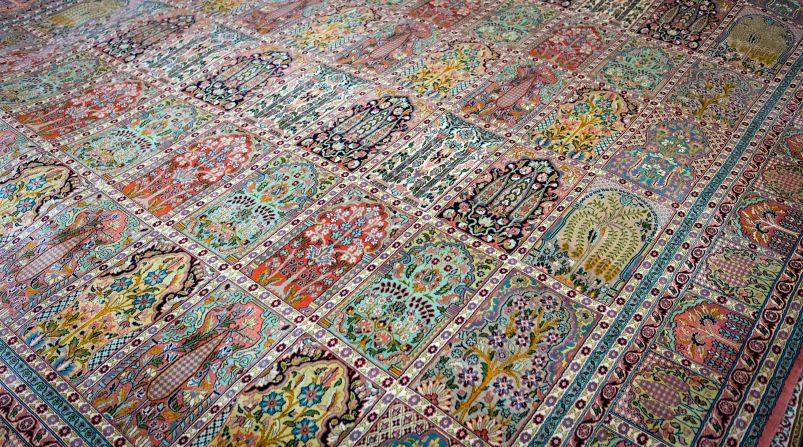
Doors of Heaven: This silken Kashmiri rug shows symbols such as the doors of heaven and the tree of life. Bhat says the beautiful greens are created using dyes made from fresh pistachios.
Barry Neild/CNN
In demand: Bhat's rug knowledge has made him a popular speaker across Doha. He's regularly called on to give talks about his experiences. During a visit by US President George W. Bush, he even sold a rug to former US National Security Adviser Colin Powell.
Barry Neild/CNN
Something amazing: "These carpets are so special," Bhat says. "You are not just buying a carpet, you are buying someone's hundreds of hours of work, of frustration. "You are buying their experimentation and imagination, their dreams and their wishes. It is something amazing."
Barry Neild/CNN
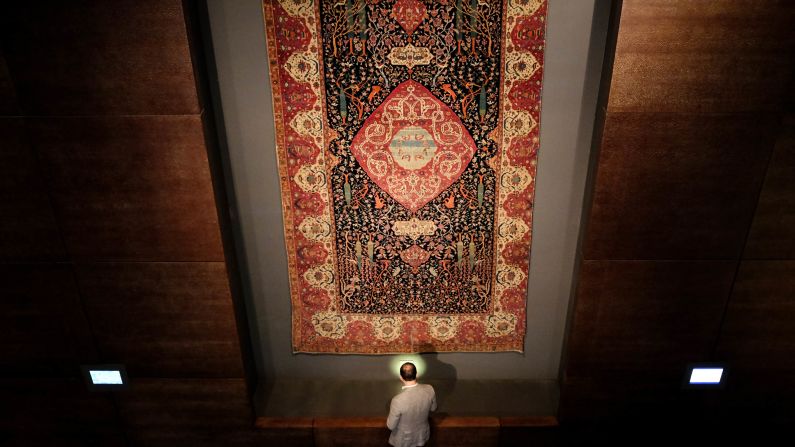
Museum pieces: For anyone wanting to find out more about rugs, Doha's Museum of Islamic Art is a good place to start. This exhibit, known as the "Schwarzenberg Carpet" is believed to have been created in Iran in the 16th century.