Would you pay $35m to live like a cosmonaut for 10 days?
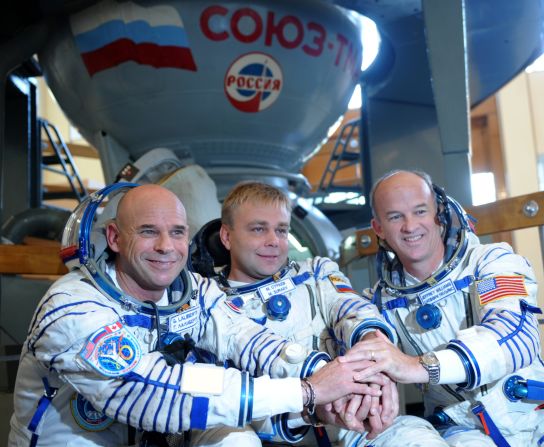
Baikonur Cosmodrome in Kazakhstan is the only place in the world offering flights to space for private individuals. Space tourists, such as Guy Laliberte, the Canadian founder of Cirque du Soleil (left), can visit the International Space Station with two other cosmonauts or astronauts. But the journey of a lifetime doesn't come cheap, with American company, Space Adventures, offering 10-day missions for $35 million.
Dmitry Kostyukov/Getty Images/File
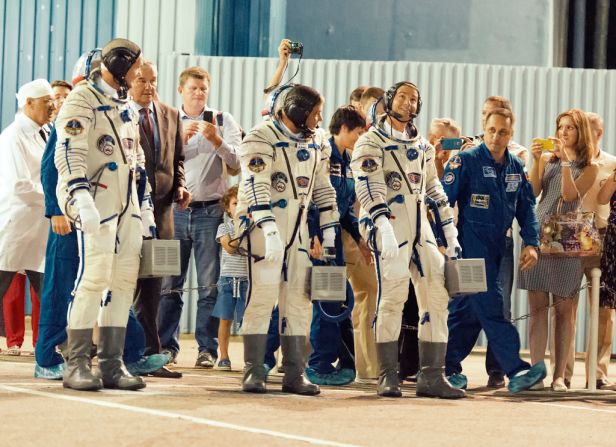
Those unable to afford a flight into space, can still tour the Cosmodrome, which is leased to Russia until 2050. Star City Tours offers $4,600 five-day packages, including return flights to Moscow, accommodation, a visit to the International Space School, press conference with the cosmonauts, and a viewing of the launch itself.
Courtesy Starcity Tours
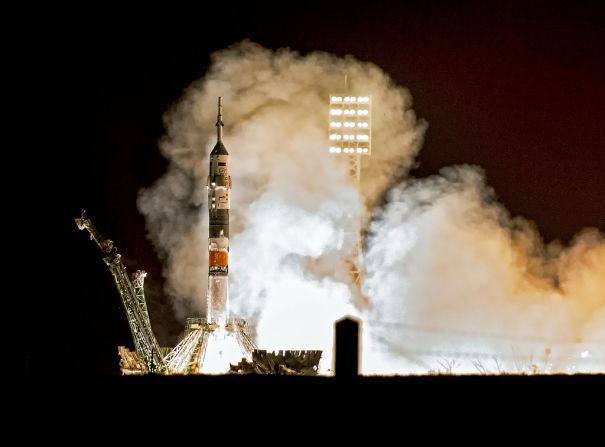
"The launch is a spectacular sight, but what is most surprising is the sound and vibrations that you feel through your body. It's just amazing the energy that is being generated," said Tom Shelley, president of Space Adventures.
Courtesy Starcity Tours
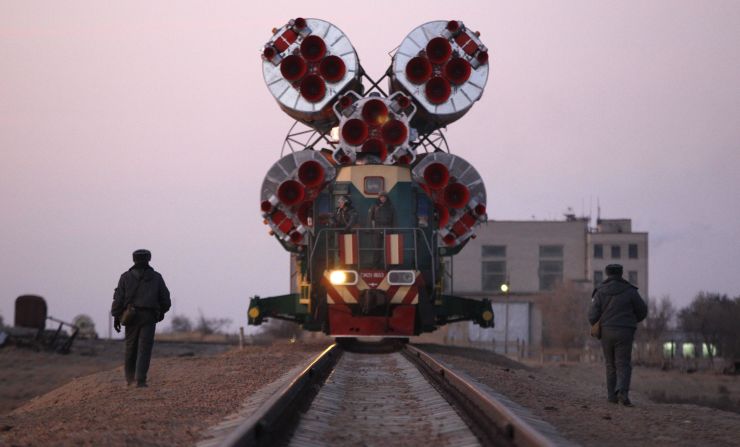
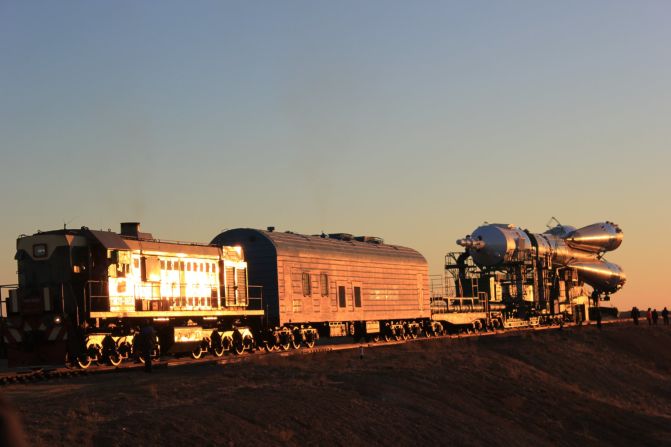
The Soyuz rocket is transported by rail to the launch pad.
Courtesy Space Adventures
"One of the most spectacular things is seeing the installation of the rocket to the launch site," said Ksenia Nikitonova, project manager of Star City tours, which has been visiting the site for over eight years.
Courtesy Starcity Tours
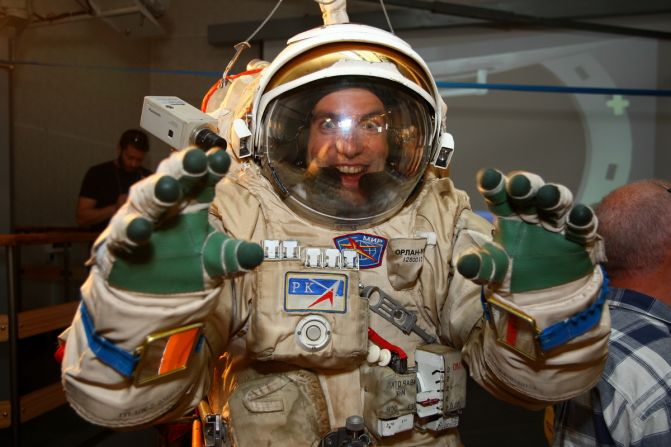
The company also offers excursions to the cosmonaut training center at Star City in Moscow.
Courtesy Starcity Tours
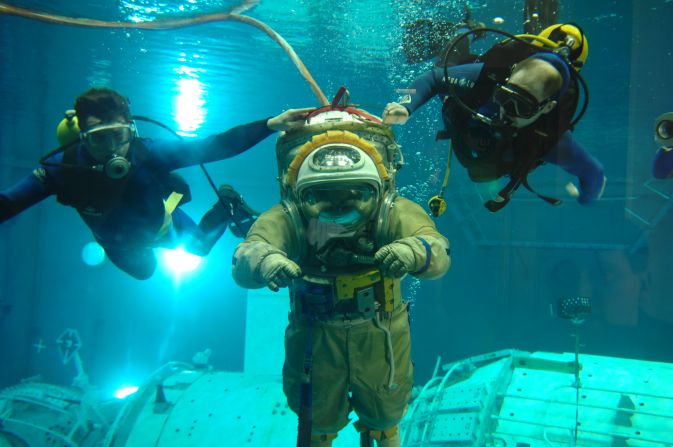
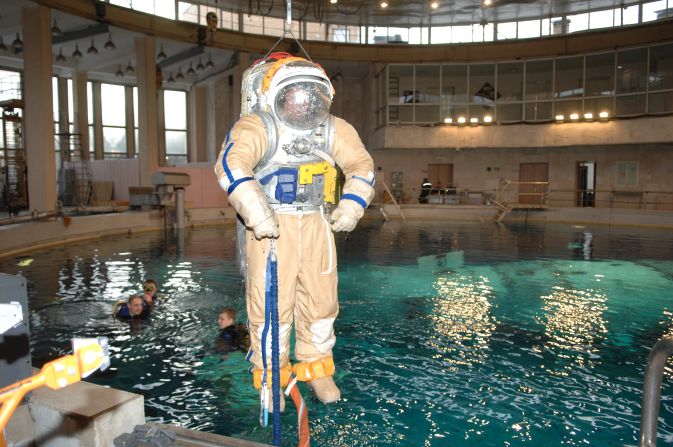
Visitors can experience what it might be like to work on the surface of the ISS, by diving into the site's Neutral Buoyancy Laboratory.
Courtesy Starcity Tours
Slightly less glamorous than floating in space -- but you get the idea.
Courtesy Starcity Tours
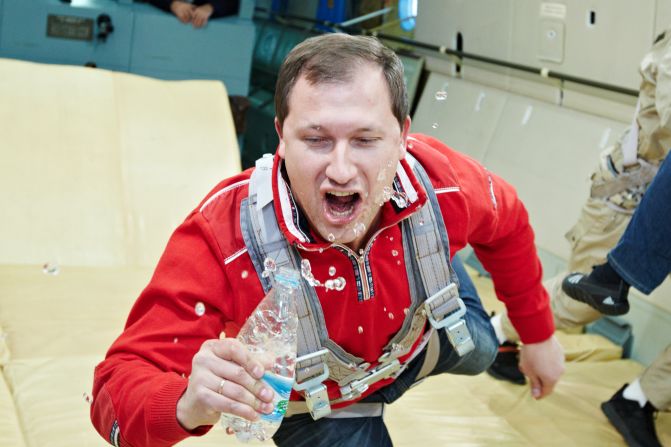
Drinking from a bottle of water is no easy task at the center's zero-gravity laboratory.
Courtesy Starcity Tours
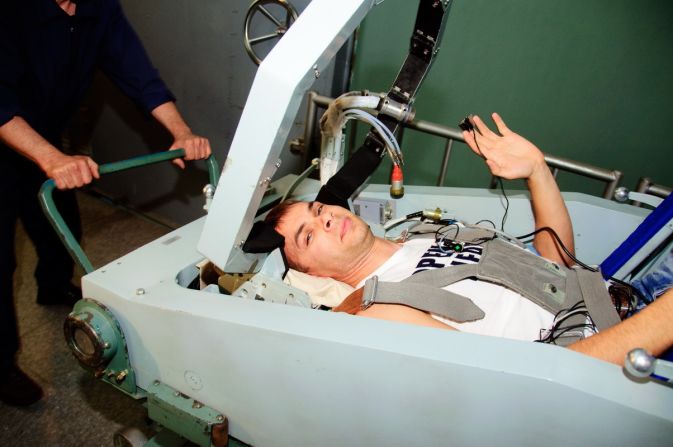
Needless to say, launching and descending from space is not for the faint-hearted. This centrifuge rotation device is used to train and monitor the physical effects on cosmonauts -- though plucky visitors can also strap themselves in for the extreme ride.