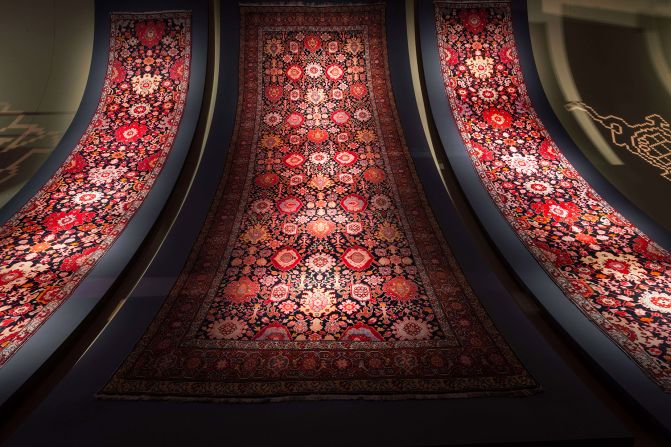
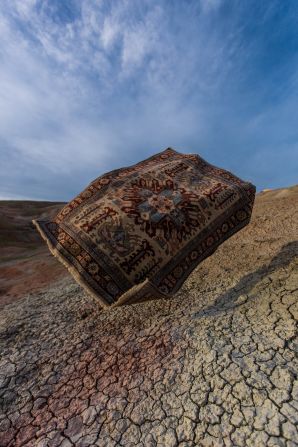
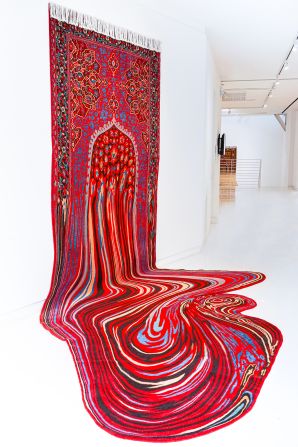
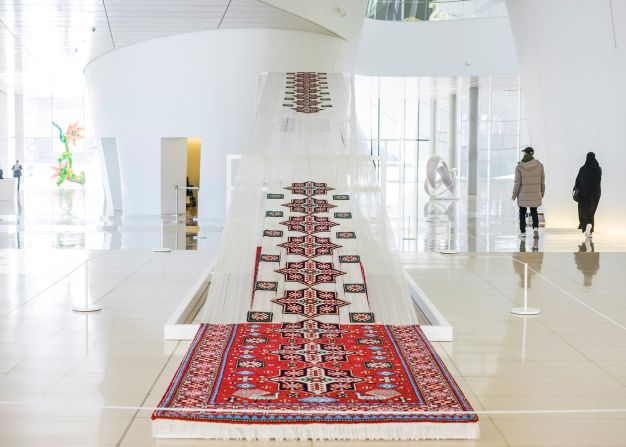
Woven deep: Azerbaijani carpets have a rich history dating back to the Bronze Age.
Azerbaijan Brand Center
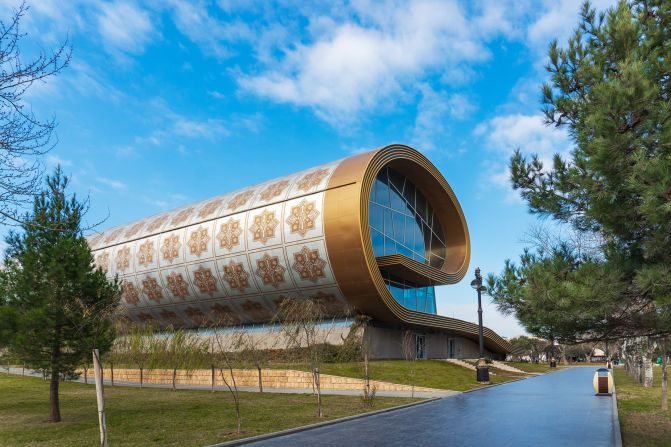
Azerbaijan National Carpet Museum: This museum is one of Baku's most spectacular buildings, designed to look like a rolled-up carpet.
Azerbaijan Brand Center
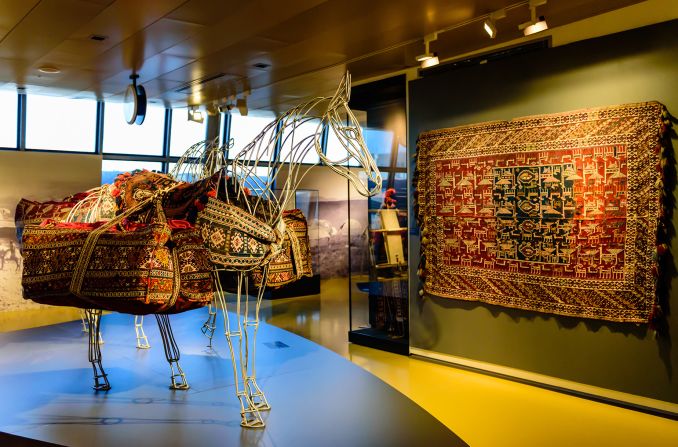
Vast collection: The museum has around 6,000 carpets, dating from the 17th century to the present day.
Azerbaijan Brand Center
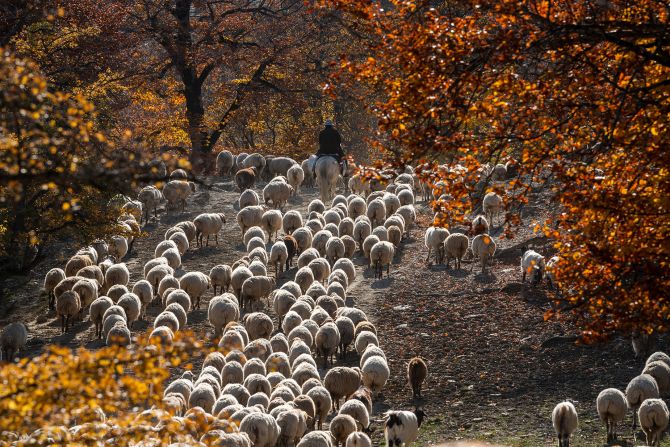
Wool: The two types of carpets in Azerbaijan are flat weave and pile weave. Most of them are made using wool from either lambs or sheep.
Emil Khalilov/Azerbaijan Brand Center
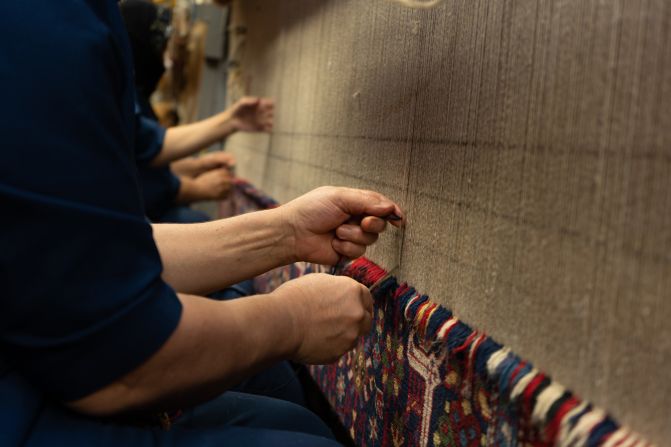
Azerkhalcha: This organization is dedicated to preserving the age-old tradition of carpet weaving and championing the women who devote their lives to it.
Azerkhalcha
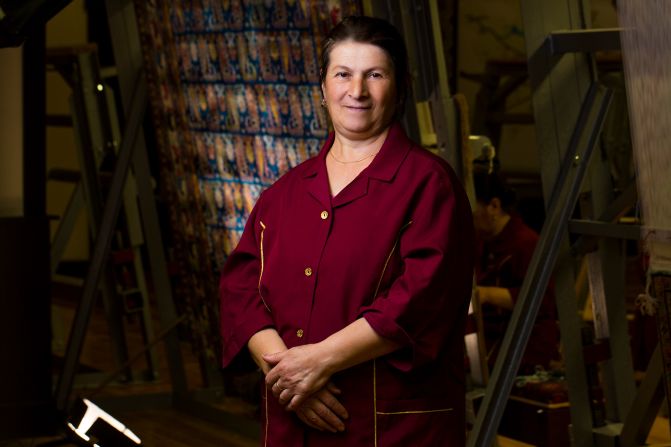
Family tradition: One of them is 61-year-old Sevinj Hajiyeva, who was taught how to weave by her brother when she was just six years old.
Azerkhalcha
Source of love: "Carpet weaving is not just an art; it's a profound passion, a source of love, and a lifelong companion," Hajiyeva tells CNN.
Azerkhalcha
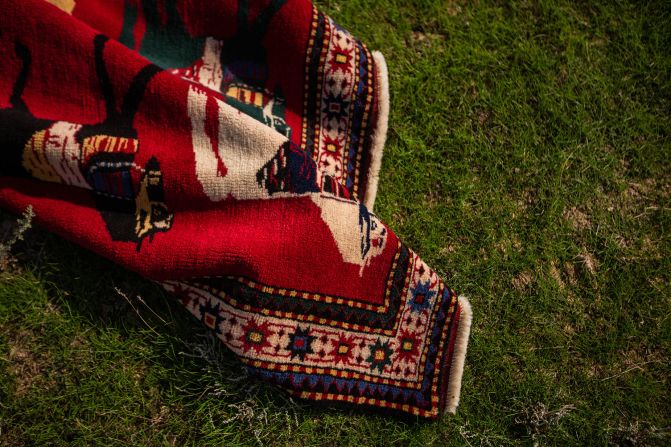
Origin story: Azerbaijan carpets are divided into four categories, depending on their region of origin: Guba-Shirvan, Ganja-Gazakh, Karabakh and Tabriz.
Azerkhalcha
Faig Ahmed: Artist Faig Ahmed, who was born in Sumqayit but now lives and works in Baku, has exhibited his unique designs all over the world.
Courtesy Faig Ahmed Studio
International reputation: He represented Azerbaijan at the Venice Biennale in 2007, and in 2013 was shortlisted for the Jameel Prize 3 in London's Victoria and Albert Museum.