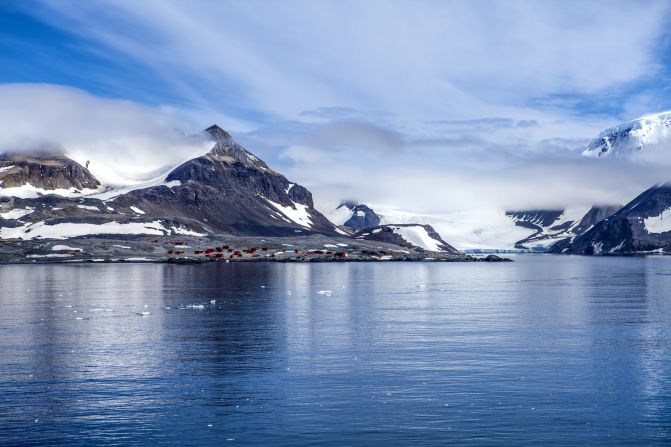
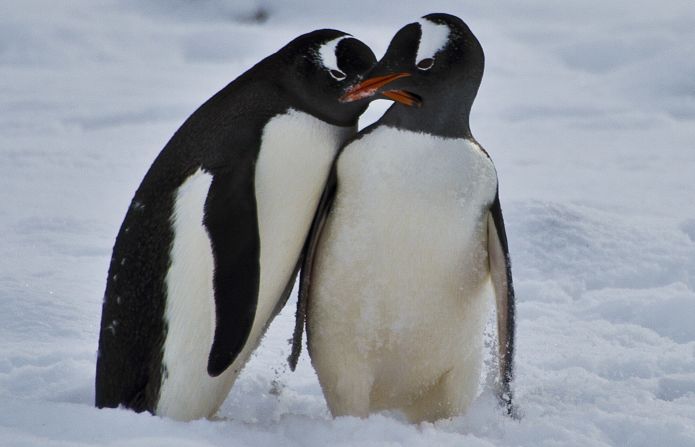
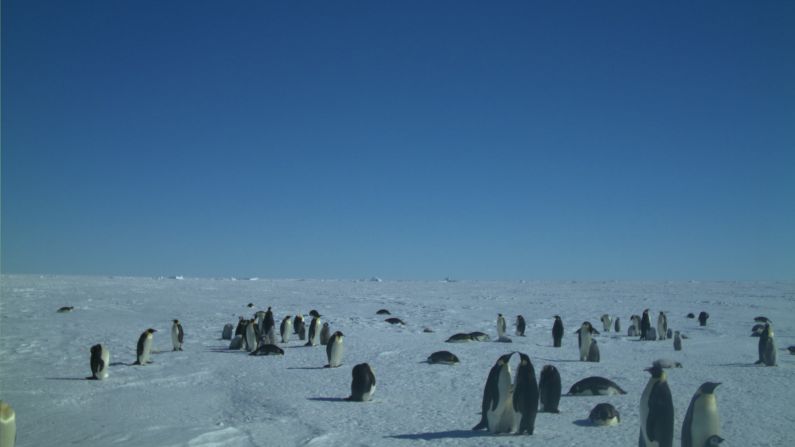
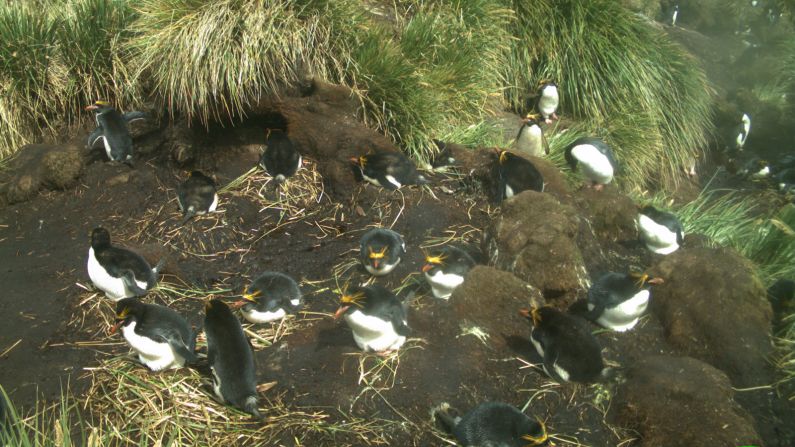
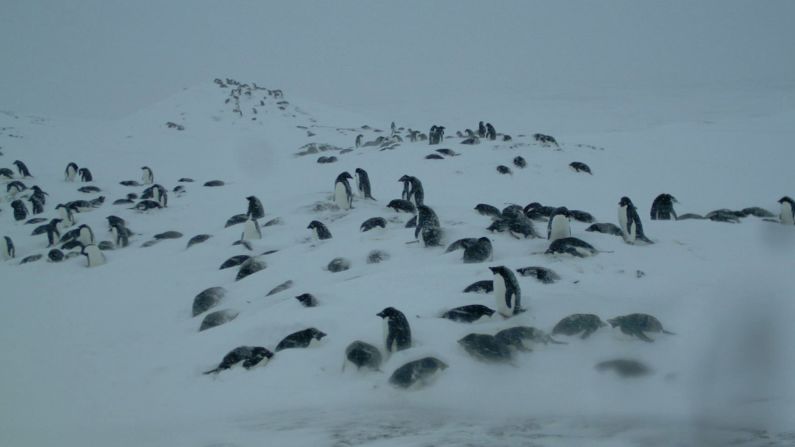
Argentina's Esperanza Base on the northern tip of the Antarctica Peninsula may have recorded the continent's highest temperature ever on March 24. Click through the gallery to admire some of the continent's happiest inhabitants, photographed as part of the Penguin Watch.
Shutterstock
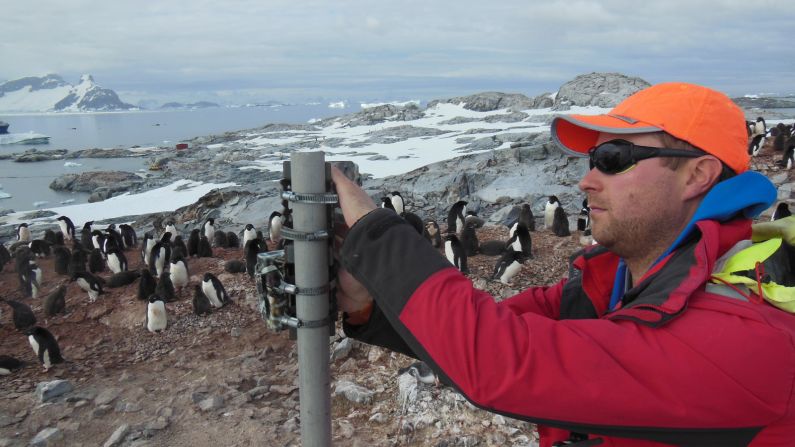
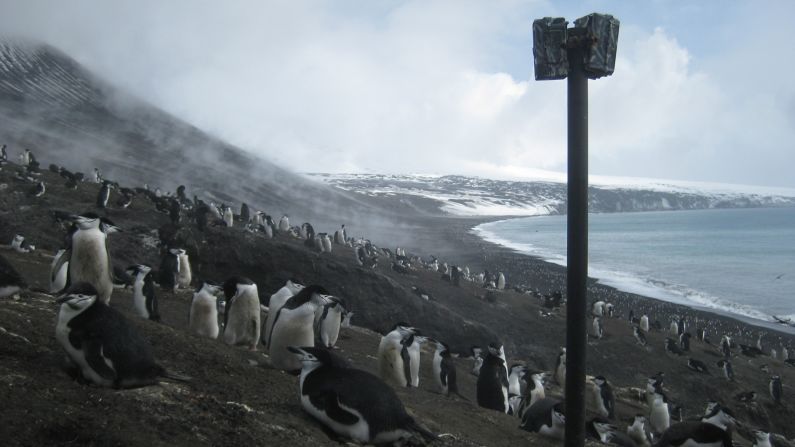
Penguin Watch is a citizen science project that lets people analyze images of penguins taken at locations across Antarctica. The pictures are processed by experts to help inform climate change policy in the region.
VANDERLEI ALMEIDA/AFP/Getty Images/file
The project was set up by Tom Hart, a researcher in the University of Oxford Department of Zoology. It has international collaborators including the Woods Hole Oceanographic Institute and researchers from the Australian Antarctic Division.
Fabrice Genevoise/Courtesy Tom Hart/Penguin Lifelines
"We're trying to create massive, massive datasets that automatically report what's going on and feed into policy," Hart explained.
Dave Riorden/Courtesy Tom Hart/Penguins Lifelines
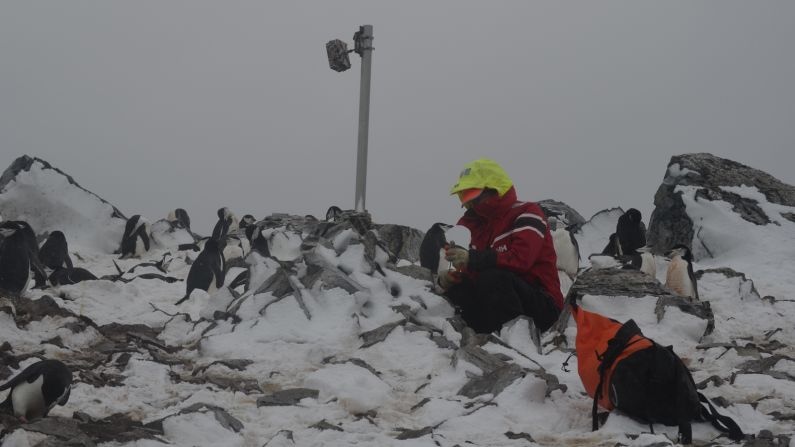
For the past five years, Hart and his team of three have headed south for the winter months to collect more data. Hitching rides from tourist boats and the odd chartered yacht to reach more remote locations, the team has been able to canvas an incredible amount of the Antarctic region.
Courtesy Tom Hart/Penguins Lifelines
"We've been out in the field, and now we're coming back to go through all these data, (taking) it from raw data to process," Hart said. "The whole point of this is, we're learning fundamental things about penguins, but the whole point is to turn this into something that can inform policy."
Courtesy Tom Hart/Penguin Lifelines
Though the enthusiastic scientist hopes that ambient technology will someday allow computers to better identify data from recorded images, he admits that at present, little progress would be made without the help of citizen scientists. He added, "We wanted to really take advantage of the huge amount of goodwill out there for penguins, and the human eye is far better extracting the data than computers are -- probably ever will be."
Courtesy Tom Hart/Penguins Lifelines
Although Hart reveals that it's still too early in the project to make solid conclusions, he does believe that all is not lost. "We're seeing that with penguins in parts of Australia, NZ and Africa, despite the fact that most of those populations are still endangered, we can see where you fix the problems, locally, they seem to do well. Fix the problems, the outlook is good. (But) with climate change, that's a very poor prognosis in the peninsula region."