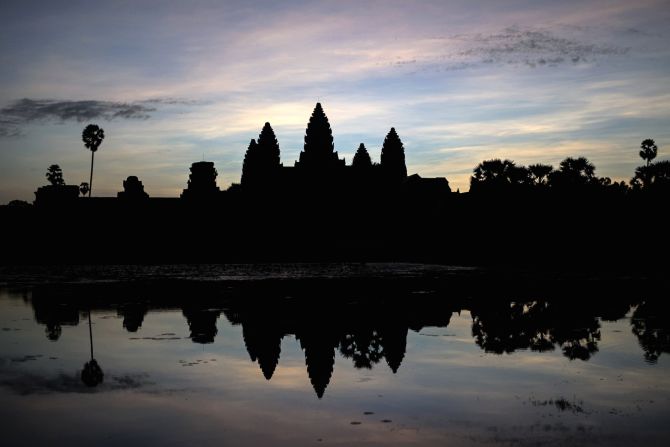
So beautiful, so misunderstood. To get this sunrise shot, you're going to be fighting with a few hundred other tourists, all crowded around Angkor Wat's moat.
Alex Ogle/AFP/Getty Images
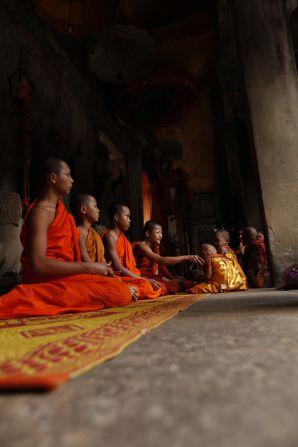
Morning ceremony —
Monks from the nearby temple can often be seen conducting Buddhist ceremonies inside Angkor Wat.
Pongpat Patumsuwon/CNN
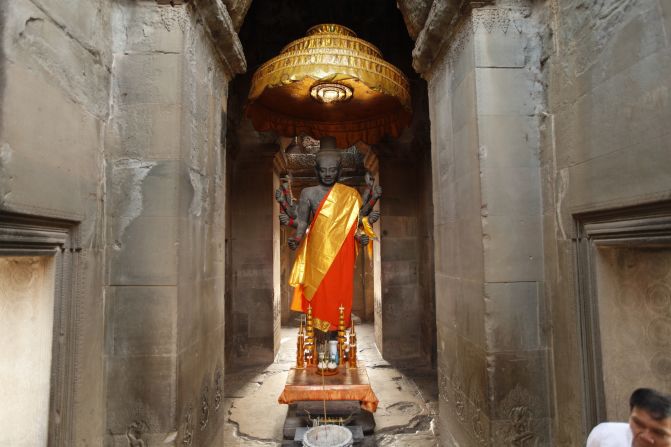
Ta Reach —
Many tourists walk right by this statue close to the west entrance of Angkor Wat without realizing its significance, says Alison Carter, who works with the Greater Angkor Project. It's a large Neak Ta (local ancestor spirit) called Ta Reach. "I actually think this statue and its place in the community over hundreds of years is so interesting," she says. "The statue is likely of Vishnu (it's not clear), but inhabited by this powerful local spirit."
Pongpat Patumsuwon/CNN
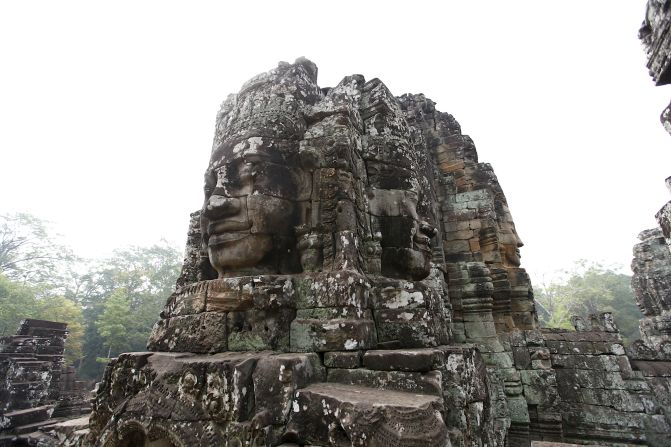
Bayon Temple —
The faces of Angkor's Bayon Temple are believed to be representations of King Jayavarman VII, who ordered the construction of the temple in the 12th century.
CNN
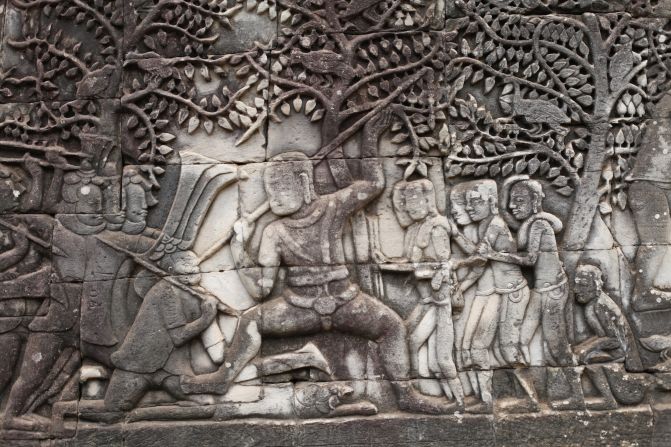
Bas-reliefs —
"At the Bayon, everyone marches up to see the faces towers -- and they are great -- but I think the bas-reliefs encircling the lower levels of the temple are a real treat, especially those showing scenes from daily life," says Carter.
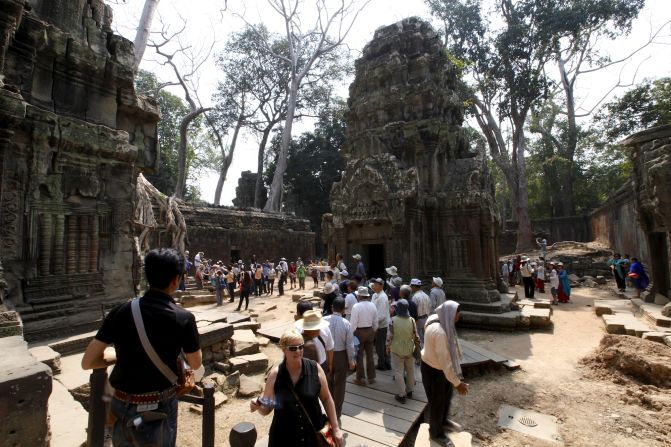
Ta Prohm —
You didn't think you'd have the place to yourself, did you? Thanks to a little-known actress called Angelina Jolie and the film "Tomb Raider," this Angkor temple, famed for the large fig, banyan and kapok trees that are 'choking' the ruins, endures the bulk of visitors to the area.
CNN
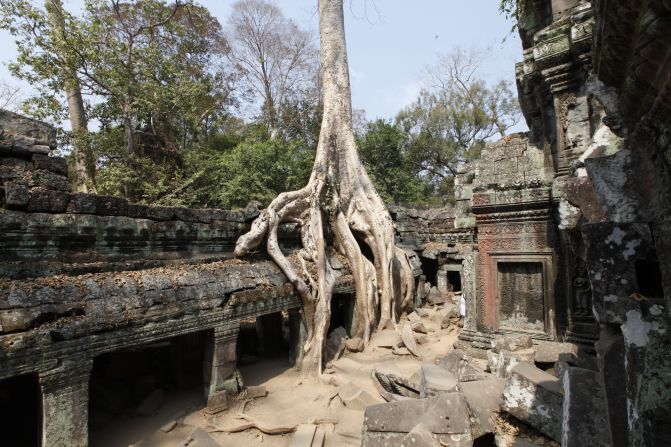
Ta Prohm —
Some parts of Ta Prohm are blocked off to tourists. Archaeologists have had to strengthen certain sections of the ruins with supports out of fear they would collapse.
Pongpat Patumsuwon/CNN
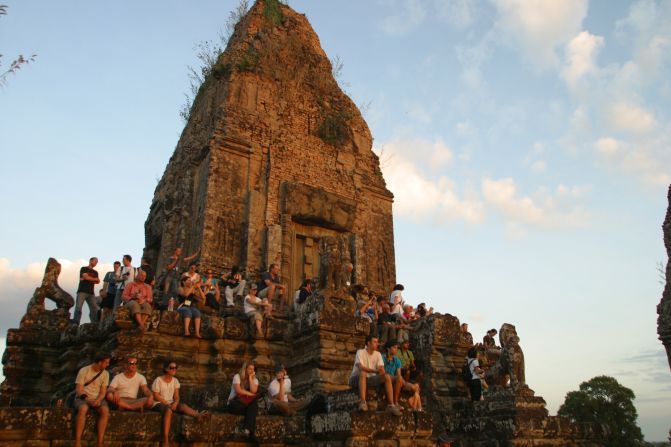
Sunsets in Angkor —
In an effort to help tourists avoid sunset scenes like this, website Angkorsunsets.com, set up by the Cambodian authorities, offers suggested alternatives.
Chuck Thompson/CNN
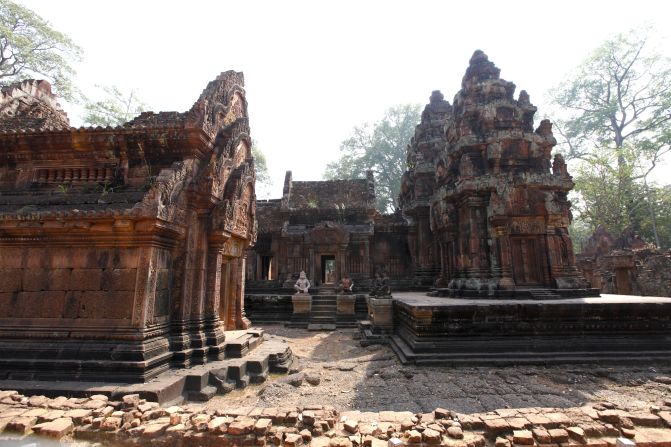
Banteay Srei —
Made of red sandstone, Banteay Srei is one of the oldest surviving temples in the Angkor area. Famous for its intricate and well-preserved carvings, it dates to the 10th century. Archaeologist Roland Fletcher recommends visiting the Angkor sites in chronological order to get a better understanding of how the area developed.
CNN
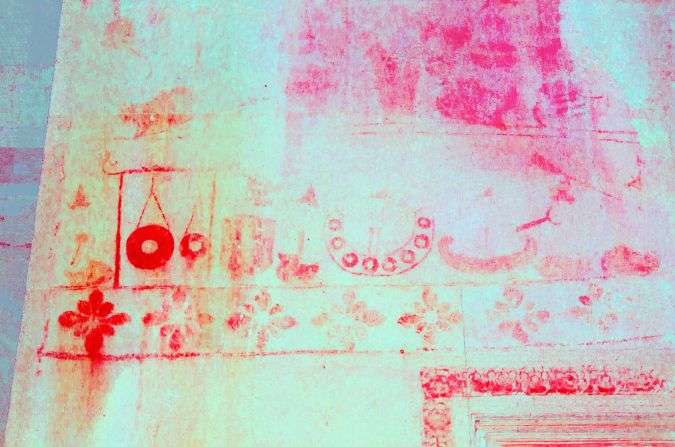
Hidden art —
Noel Hidalgo Tan discovered these paintings of deities, animals and musical instruments on the walls of Cambodia's Angkor Wat in 2010. This photo shows the image after it was processed with software that helps to distinguish between similar color shades. Researchers said they've known about the paintings for some time, but the software allowed them to really get a good look at the detail in them.
Noel Hidalgo Tan
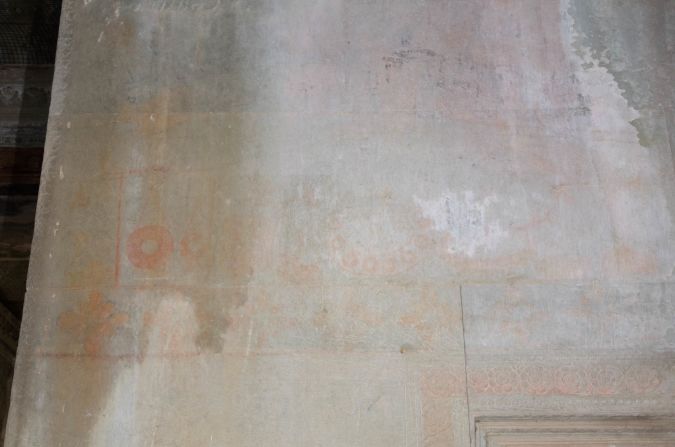
Before —
This was the original photo, before Tan used software to accentuate the colors. He said there are many walls with paint traces in Angkor Wat for those who want to give it a try themselves.
Noel Hidalgo Tan
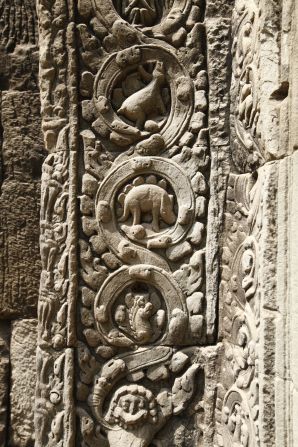
The dinosaur mystery —
Stegosaurus fossil? Proof that man walked the earth with dinosaurs? You can make your own call at Ta Prohm. The small carving, well-known to most guides, can be found in a doorway with other non-prehistoric creatures, including monkeys and birds.
Pongpat Patumsuwon/CNN
Show your teeth —
"The Devata [goddesses] at Angkor Wat do all seem to be quite distinct from one another, leading several people to speculate they might be portraits of real people," says Carter. Case in point, this one-of-a-kind smiling lady, found near an entrance gate at Angkor Wat. You won't find another Apsara or Devata carving among the thousands at Angkor that shows her teeth says Cambodian guide Tong Hann.
!["The Devata [goddesses] at Angkor Wat do all seem to be quite distinct from one another, leading several people to speculate they might be portraits of real people," says Carter. Case in point, this one-of-a-kind smiling lady, found near an entrance gate at Angkor Wat. You won't find another Apsara or Devata carving among the thousands at Angkor that shows her teeth says Cambodian guide Tong Hann.](https://media.cnn.com/api/v1/images/stellar/prod/150205133228-4-unesco-angkor-wat.jpg?q=w_2000,h_3000,x_0,y_0,c_fill/h_447)