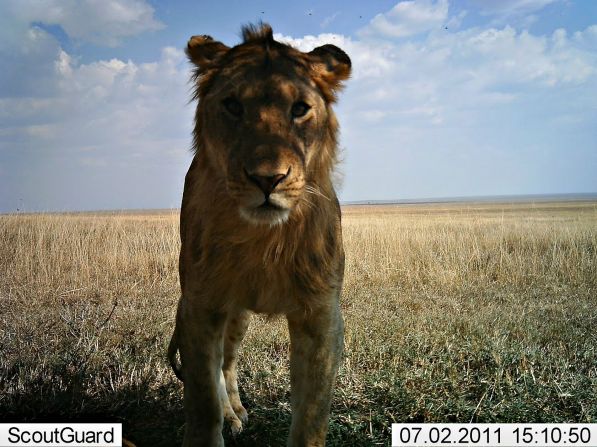
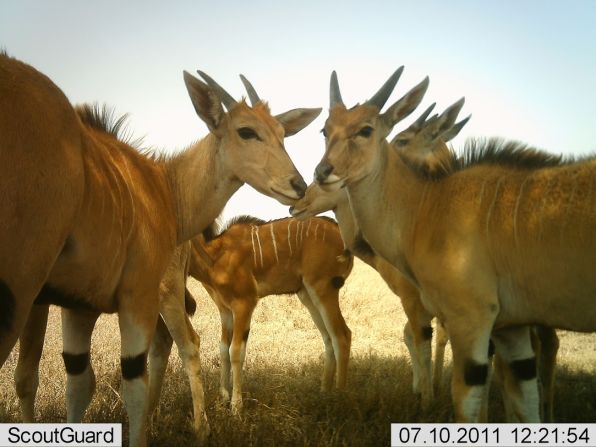
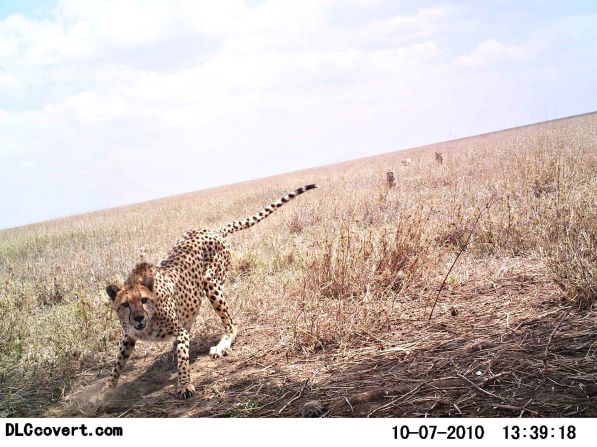
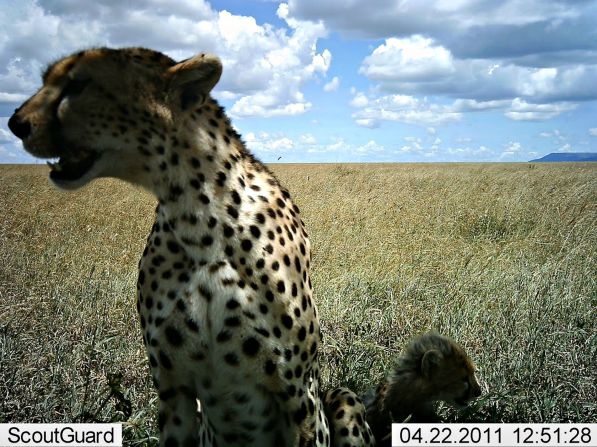
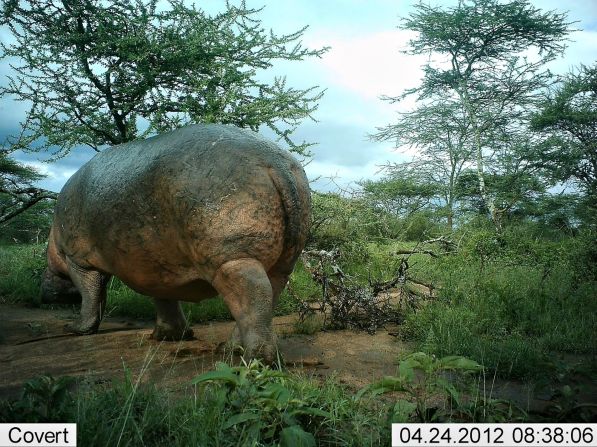
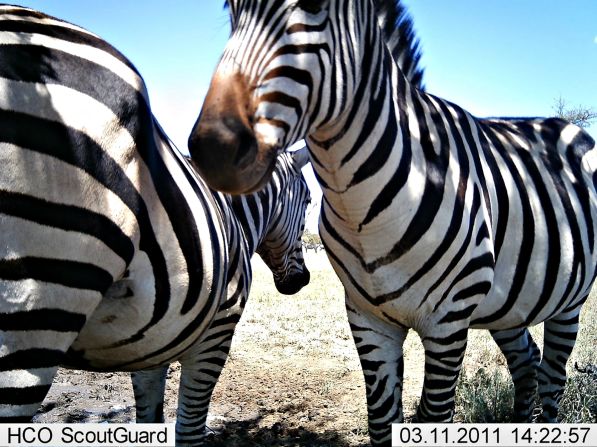
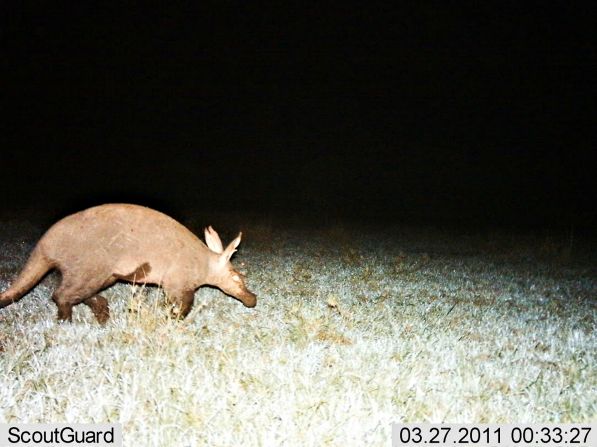
In 2010, researcher Alexandra Swanson set up 225 camera traps across the Serengeti National Park in Tanzania.
Courtesy Snapshot Serengeti
The traps were set up over 1,000 kilometers of the park.
Snapshot Serengeti
Swanson wanted to see how different carnivores interacted with lions.
"I wanted to see how large carnivores share the landscape and how they coexist with lions, because lions interact aggressively with the smaller guys."
Snapshot Serengeti
The project is the largest camera tracking survey to date.
Courtesy Snapshot Serengeti
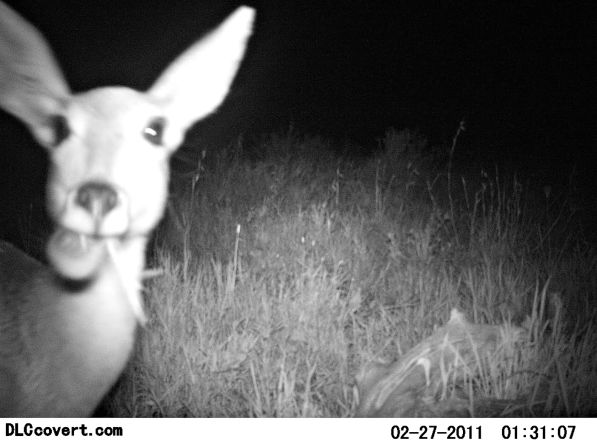
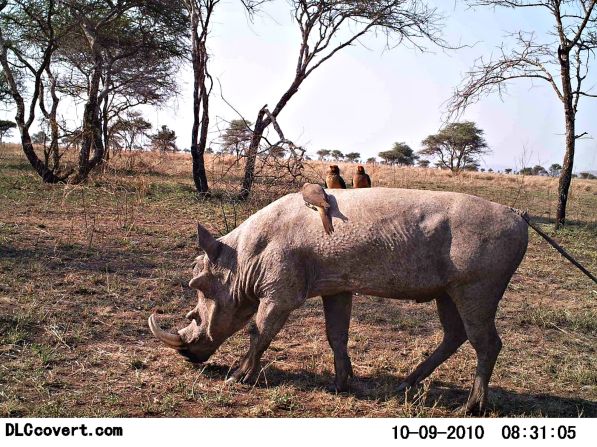
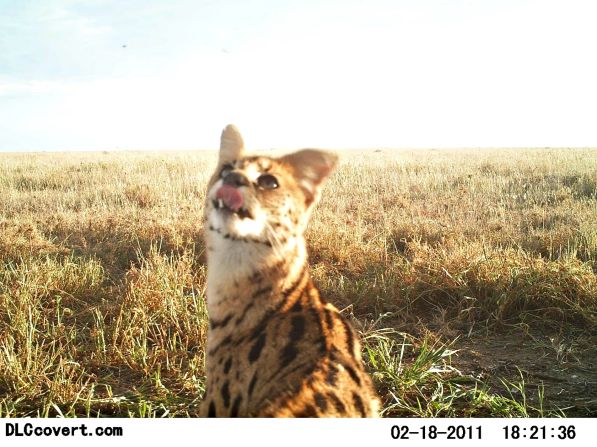
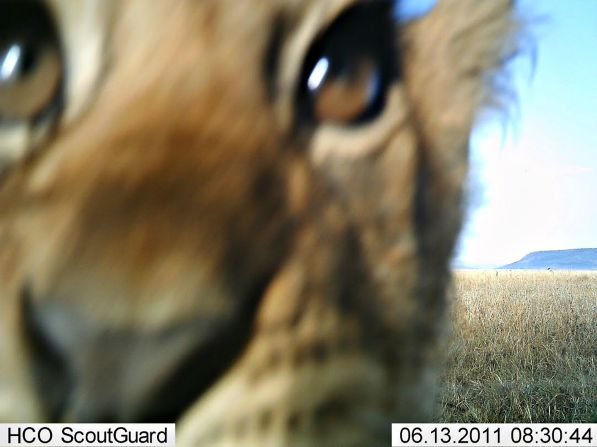
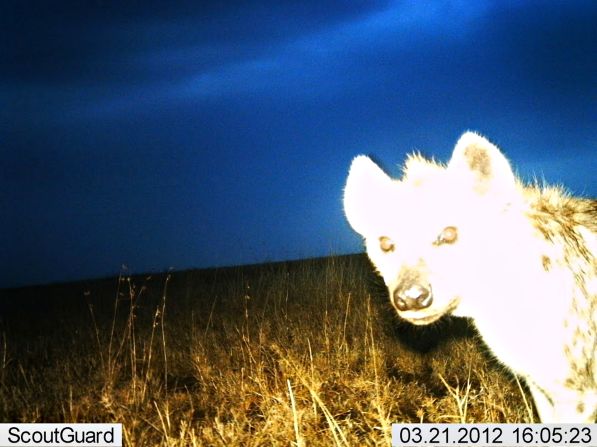
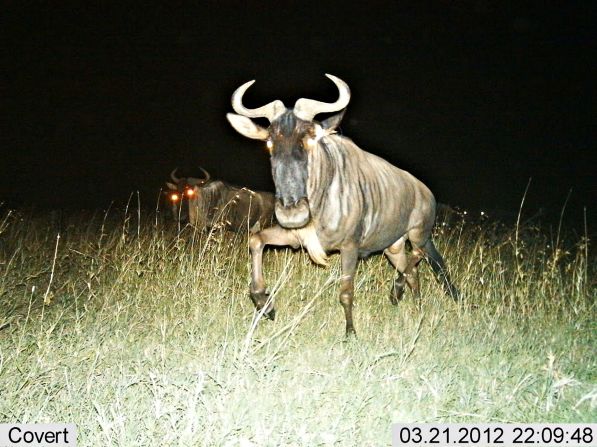
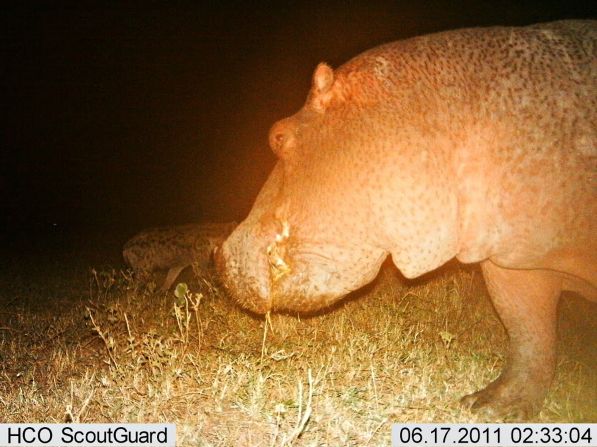
Swanson collected over 1.2 million animal "selfies" as part of the project.
Courtesy Snapshot Serengeti
Around 40,000 volunteers (many without a science background) helped sort through the image data on Zooniverse, an online platform for citizen science projects.
Courtesy Snapshot Serengeti
One thing Swanson discovered from the research was how cheetahs, hyenas and jackals share the same landscape with lions without getting injured.
Courtesy Snapshot Serengeti
She discovered that large carnivores treat the area like a 'timeshare', often visiting certain habitat hotspots (those with ample water and shade) in turns.
Courtesy Snapshot Serengeti
Sometimes, she'd see carnivores taking turns at eating the same carcass.
Courtesy Snapshot Serengeti
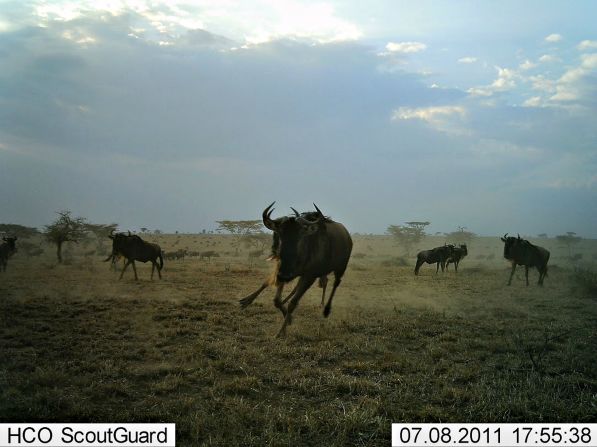
The data, she says, is also giving scientists a more complete view of the great wildebeest migration that takes place every year.
Courtesy Snapshot Serengeti
"On a much finer scale, though, we don't understand how they make their decisions movement to movement. By combining the camera trap data with rainfall data, we are trying to map that migration in more detail and understand why they do this on any given day," she says.
Courtesy Snapshot Serengeti
The Zooniverse volunteers, she notes, were able to classify animals in the photos with 97% accuracy.
Courtesy Snapshot Serengeti
The same image would be sent out to several volunteers. If everyone correctly identified an animal, she says chances are it was a correct identification.
Snapshot Serengeti
If there was disagreement about what type of animal was in a photo, that was usually a good indicator that an expert needed to look at the photo.
Courtesy Snapshot Serengeti
The camera research provides a much more complex picture than traditional radio collars, she says.